Looking for reliable overnight dog boarding tips? The key to successful boarding starts with proper preparation, choosing the right facility, and packing essential items your dog needs. Most dogs adjust well to overnight boarding when owners take time to prepare them gradually and select a facility that matches their dog’s temperament and needs.
Whether you’re planning a vacation, business trip, or dealing with an emergency, leaving your dog overnight can feel stressful for both of you. The good news is that with the right approach and preparation, your dog can have a positive, even enjoyable boarding experience. Understanding what makes boarding successful helps you make informed decisions and gives you peace of mind while you’re away.
In this guide, we’ll walk you through everything you need to know about overnight boarding, from choosing the right facility to preparing your dog for their stay. You’ll learn practical tips that make the experience smoother for everyone involved.
Give your dog the ultimate boarding experience at our dog boarding camp Long Island facility with professional care and training.
Choosing the Right Overnight Boarding Facility
The boarding facility you choose sets the foundation for your dog’s entire experience. Not all facilities are created equal, and finding the right match for your dog’s personality and needs is crucial for a successful stay.
What to Look for in a Quality Boarding Facility
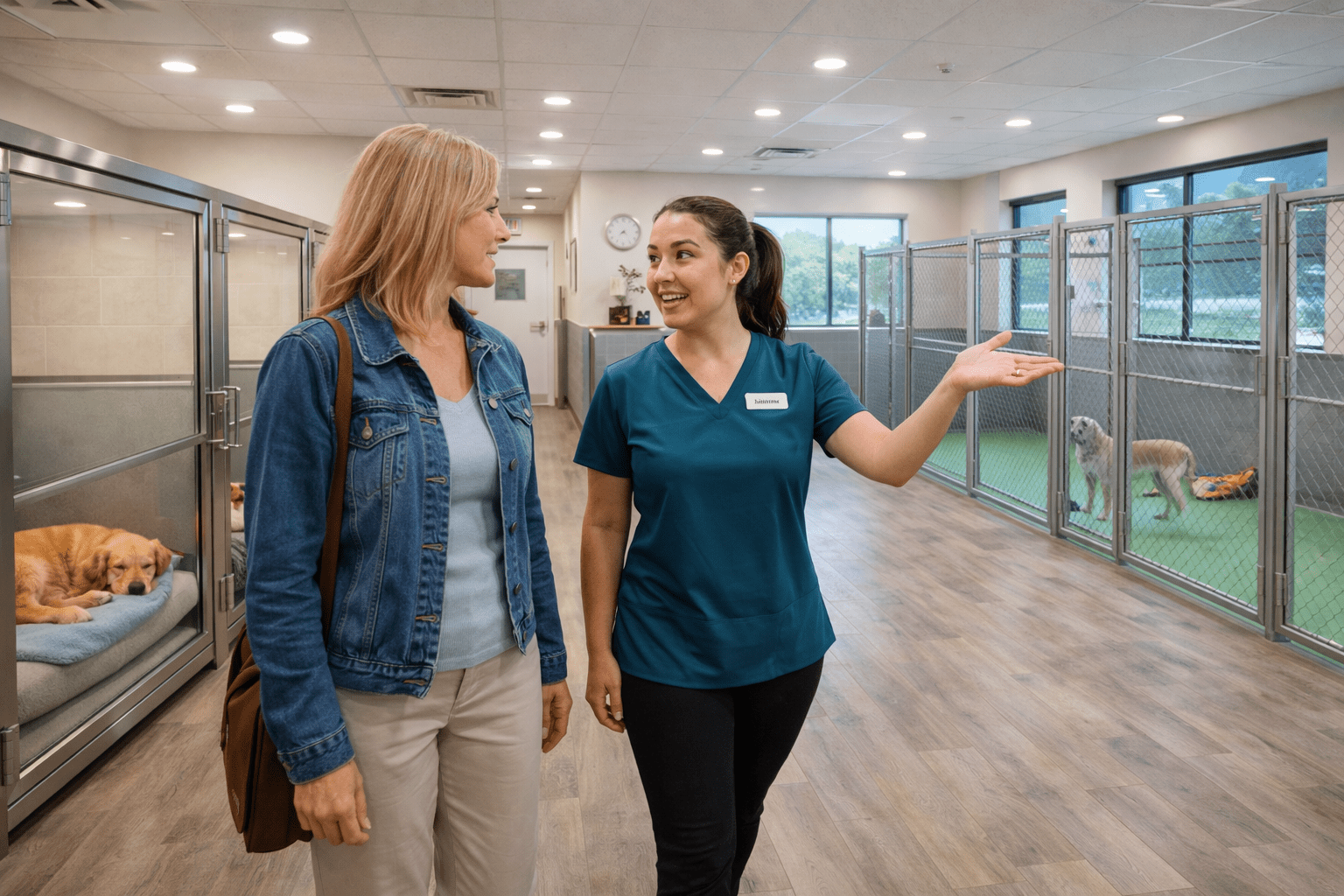
A quality boarding facility should feel clean, safe, and welcoming the moment you walk in. Pay attention to the smell when you enter—a good facility should smell fresh, not overpowering with cleaning products or unpleasant odors.
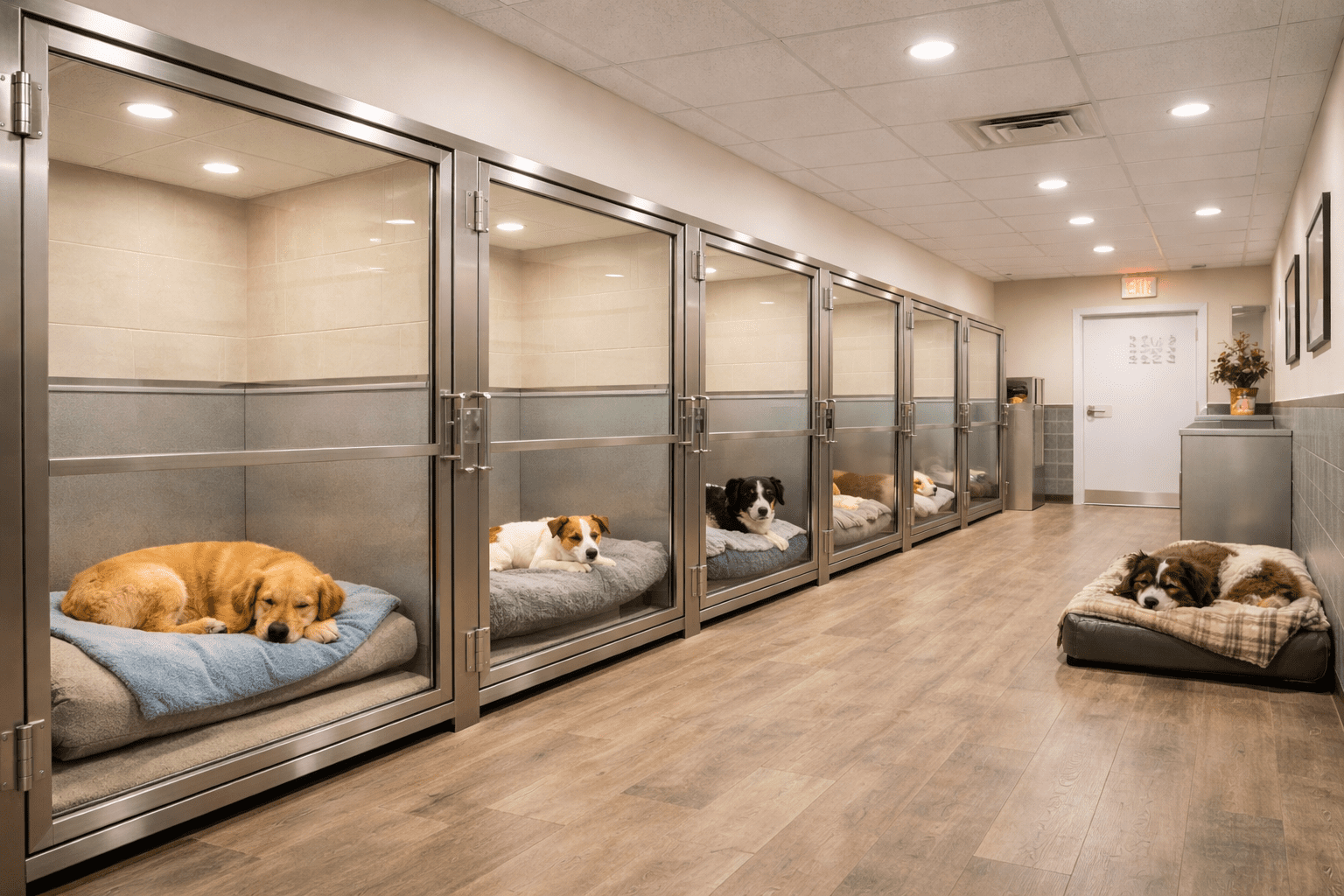
Check the sleeping areas carefully. Each dog should have their own space with comfortable bedding. Some facilities offer individual rooms while others use kennels or runs. The space should be large enough for your dog to stand, turn around, and lie down comfortably.
Ask about staff-to-dog ratios. Facilities with adequate staffing can provide better supervision and individual attention. Someone should be on-site or on-call 24/7 in case of emergencies.
Security measures matter too. The facility should have secure fencing, double-gate entry systems, and proper identification procedures to prevent escapes or mix-ups.
Questions to Ask Before Booking
Don’t hesitate to ask detailed questions before committing to a facility. Here are the essential ones:
- What are the vaccination requirements? (Reputable facilities require current vaccinations for safety)
- How much supervised playtime and exercise will my dog get?
- What happens if my dog gets sick or injured?
- Can I bring my dog’s food and medications?
- How do you handle dogs with special needs or anxiety?
- What’s your emergency protocol?
- Can I tour the facility before booking?
Most quality facilities welcome tours and are happy to answer questions. If a facility seems hesitant or refuses tours, that’s a red flag.
Ask about their experience with your dog’s breed or size. Some facilities specialize in certain types of dogs or have limitations on size and temperament.
Essential Preparation Before Overnight Boarding
Proper preparation makes the difference between a smooth boarding experience and a stressful one. Taking time to get your dog ready helps them adjust faster and feel more comfortable in their temporary home.
Gradual Introduction to Boarding
If this is your dog’s first boarding experience or they haven’t been boarded in a while, don’t make their first stay a week-long trip. Start small with shorter visits to build positive associations.
Consider scheduling a daycare visit first. Many boarding facilities offer day programs that let your dog experience the environment without the overnight component. This helps them get familiar with the sights, sounds, and smells.
For the first overnight stay, try booking just one or two nights if possible. This shorter duration lets you see how your dog handles the experience before committing to longer stays.
Take your dog to visit the facility a few times before their actual boarding date. Let them sniff around, meet some staff members, and explore the space. These brief visits help reduce anxiety when drop-off day arrives.
Check also to learn more on how to prepare for dog boarding.
Health and Wellness Checks
Schedule a vet visit within two weeks of your boarding dates. This ensures your dog is healthy enough for boarding and all vaccinations are current. Most facilities require proof of:
- Rabies vaccination
- DHPP (Distemper, Hepatitis, Parvovirus, Parainfluenza)
- Bordetella (kennel cough)
- Canine influenza (increasingly required)
Make sure your dog’s flea and tick prevention is up to date. Boarding facilities are careful about this, but prevention is always better than treatment.
If your dog takes any medications, get detailed instructions from your vet about dosing and timing. Write everything down clearly for the boarding staff.
Address any minor health issues before boarding. A small ear infection or upset stomach can become more problematic in a boarding environment where stress might worsen symptoms.
Learn more about how dog boarding helps behavioral issues and can improve your dog’s training.
Packing Smart for Overnight Boarding
What you pack can significantly impact your dog’s comfort level during their stay. The right items help maintain routine and provide familiar comforts in an unfamiliar setting.
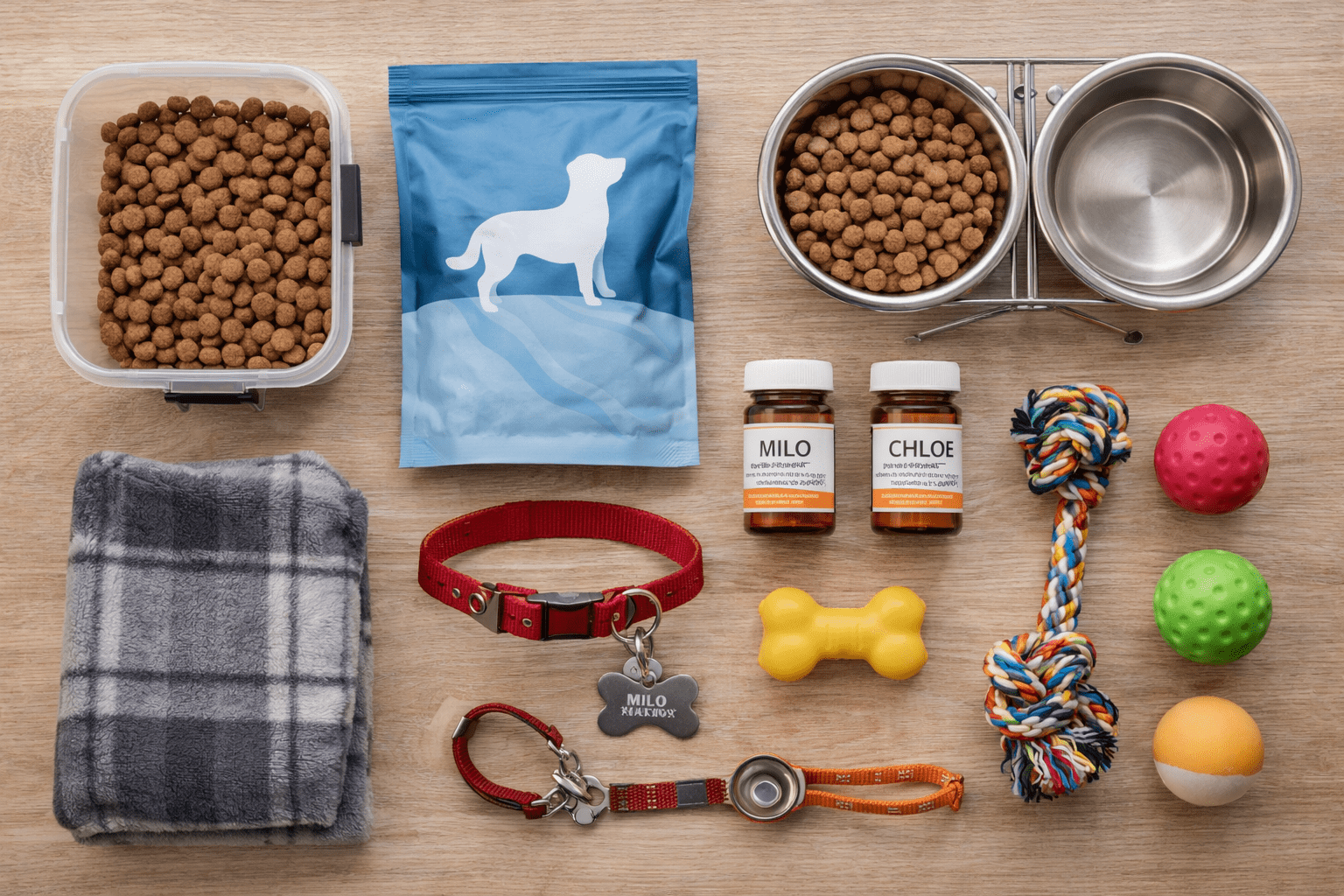
Must-Have Items for Your Dog’s Stay
Here’s a comprehensive packing list organized by priority:
| Category | Essential Items | Why It Matters |
| Food & Treats | Regular food (enough for entire stay plus extra day), favorite treats, food/water bowls if required | Prevents digestive upset from sudden food changes, familiar tastes provide comfort |
| Comfort Items | Favorite blanket or bed, worn t-shirt with your scent, favorite toy | Familiar smells reduce anxiety and help dogs settle faster |
| Medical | All medications with clear instructions, flea/tick prevention, copy of vet records | Ensures continuity of care and quick response to emergencies |
| Identification | Collar with ID tags, microchip information, recent photo | Critical for safety and quick identification |
Label everything with your dog’s name using a permanent marker. This prevents mix-ups, especially with common items like bowls or toys.
What Not to Bring
While you want your dog to have familiar items, some things are better left at home:
Don’t bring irreplaceable toys or expensive bedding. Items can get lost, damaged, or mixed up despite the facility’s best efforts. Save the heirloom dog bed for home.
Avoid bringing too many toys. Two or three favorites are plenty. Too many choices can actually create more stress and make cleanup harder for staff.
Skip the rawhide bones or long-lasting chews unless the facility specifically approves them. These can pose choking hazards without direct supervision.
Don’t pack your dog’s entire wardrobe. One coat or sweater if needed is sufficient.
Drop-Off Day Tips
How you handle drop-off sets the tone for your dog’s entire stay. A calm, confident departure helps your dog settle in faster and with less stress.
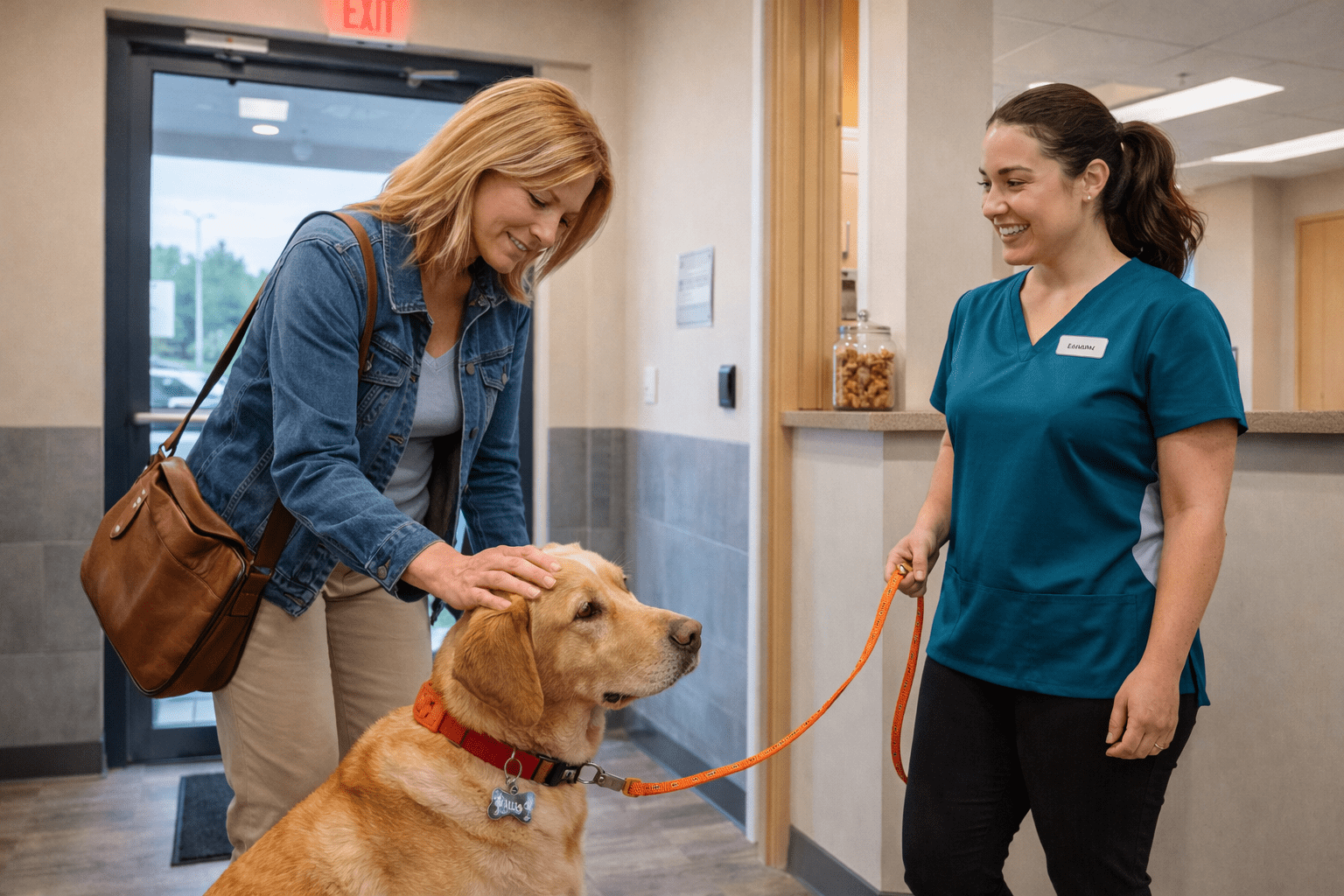
Making the Transition Smooth
Keep your morning routine as normal as possible. If you usually take your dog for a morning walk, do that. Feed them breakfast if that’s part of your routine (unless the facility requests otherwise).
Stay calm and upbeat during the car ride and at drop-off. Dogs pick up on your emotions, so anxiety or sadness from you translates to worry for them. Act like this is just another regular outing.
When you arrive, keep the goodbye brief. Give your dog a quick pat, hand them to the staff, and leave promptly. Long, emotional goodbyes actually increase stress for most dogs. They’re looking to you for cues—if you act like it’s no big deal, they’re more likely to feel the same.
Don’t sneak out while your dog is distracted. Always say a quick goodbye so they know you’re leaving. Disappearing without warning can create trust issues.
Final Reminders for Staff
Even if you’ve already provided written instructions, verbally review the most important information with staff during drop-off:
- Any medications and exact timing
- Food allergies or sensitivities
- Behavioral quirks (like door dashing or fear of loud noises)
- Emergency contact information
- Your expected pickup time
Ask if they have any last-minute questions. This is the time to clarify anything unclear in your written instructions.
Confirm their policy on contacting you with updates. Some facilities send photos or text updates, while others only contact you if there’s a problem. Know what to expect so you don’t worry unnecessarily.
Discover the reasons people send dogs to boarding and why professional care benefits your dog.
What to Expect During Your Dog’s Stay
Understanding what happens while your dog is boarded helps set realistic expectations and reduces worry while you’re apart.
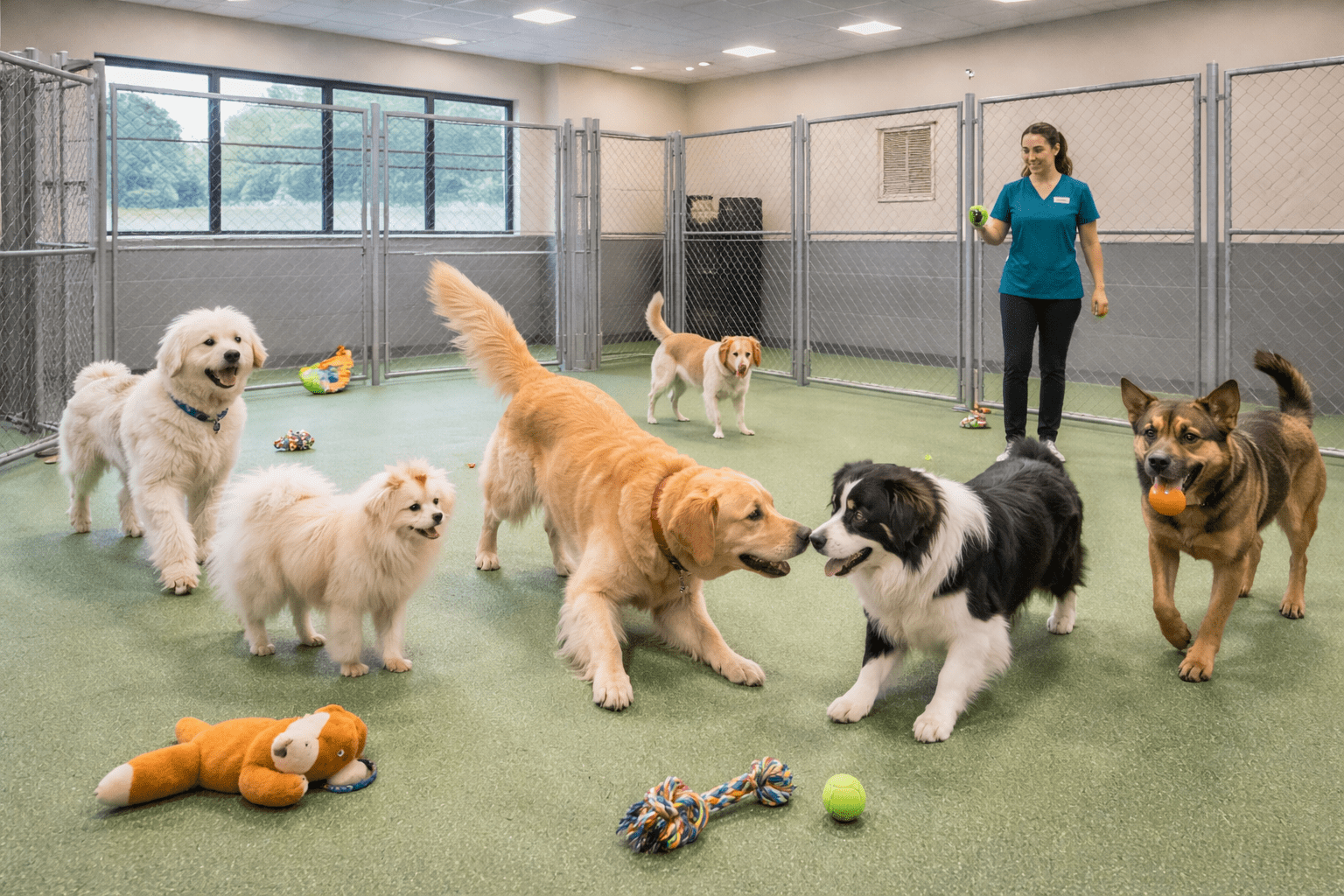
Daily Routines and Activities
Most quality boarding facilities maintain structured daily schedules. Your dog’s day typically includes:
Morning: Wake-up, bathroom break, feeding, and morning playtime or walks. Some facilities offer individual walks while others provide group play sessions.
Midday: Rest time in their kennel or suite, followed by another bathroom break and play session. Many dogs nap during this quieter period.
Afternoon: Additional exercise, possibly training time at facilities that offer it, and afternoon feeding for dogs who eat twice daily.
Evening: Final play session or walk, dinner (for once-a-day feeders), and settling down for the night. Staff typically do final checks to ensure all dogs are comfortable.
Night: Most facilities have overnight staff or monitoring systems. Dogs sleep in their individual spaces with access to water.
Common Behavioral Changes
Don’t be surprised if your dog acts differently during or after boarding. These temporary changes are normal:
Some dogs eat less at boarding due to excitement or stress. Most facilities monitor food intake and will contact you if a dog refuses multiple meals, but decreased appetite the first day or two is common.
Increased barking or vocalization happens as dogs communicate with other dogs and adjust to new surroundings. This usually decreases after the first 24 hours.
Extra clinginess or distance when you return is normal. Some dogs want constant contact after reunion, while others seem aloof. Both are temporary responses to the change in routine.
Exhaustion after pickup is extremely common. Your dog has been more socially and physically active than usual. Expect them to sleep heavily for a day or two after returning home.
Helping Your Dog Adjust After Boarding
The transition back home deserves as much attention as the preparation for boarding. Proper post-boarding care helps your dog readjust and prevents problems.
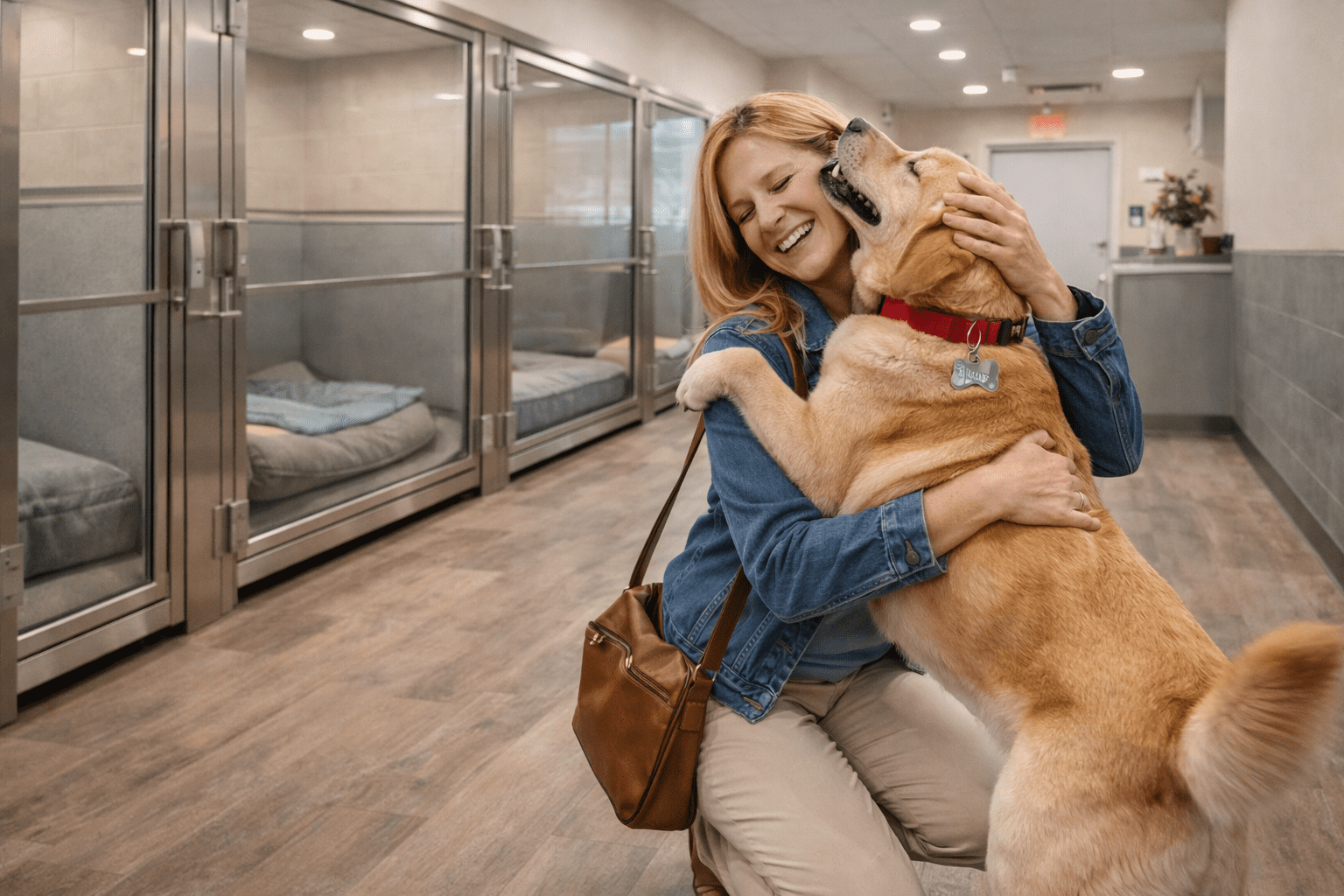
The First 24 Hours After Pickup
Keep the first day home low-key. Resist the urge to overcompensate with excessive attention or activities. Your dog needs time to decompress and return to their normal routine.
Maintain regular meal times and portion sizes. Even if your dog seems extra hungry, stick to their usual feeding schedule to avoid an upset stomach.
Provide plenty of fresh water. Dogs sometimes drink less at boarding facilities, so they may be thirsty when they get home.
Let your dog sleep as much as they need. The boarding experience is mentally and physically tiring. Extended napping for the first 24-48 hours is completely normal and healthy.
Resume your regular routine as quickly as possible. Dogs thrive on predictability, and getting back to normal schedules helps them settle faster.
When to Contact Your Vet
Most post-boarding behaviors are normal, but watch for these signs that warrant a vet call:
- Refusing food for more than 24 hours after returning home
- Diarrhea or vomiting that lasts beyond the first day
- Excessive coughing (could indicate kennel cough despite vaccination)
- Limping or signs of injury
- Extreme lethargy lasting more than 48 hours
If you’re concerned about anything, it’s always better to check with your vet. They can determine if what you’re seeing is a normal adjustment or something requiring attention.
Combining Boarding with Training Opportunities
Overnight boarding doesn’t have to be just about care and supervision. Many facilities offer training programs that turn boarding time into productive learning experiences.
Board and Train Programs
Board and train programs combine overnight boarding with professional training sessions. Your dog lives at the facility while working daily with experienced trainers on specific behaviors or skills.
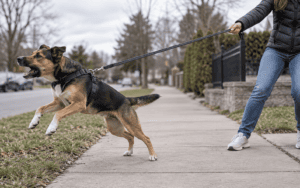
These intensive programs work well for addressing behavioral issues like leash pulling, jumping, excessive barking, or basic obedience. The immersive environment allows for consistent training without the distractions of home.
Our board and train Long Island services provide customized training plans that address your specific concerns while your dog receives expert care.
The benefits include faster results from daily consistent training, professional handling of behavioral challenges, and your dog learning to respond even in distracting environments. Most programs include follow-up sessions to transfer the training to you.
Matching Your Dog’s Needs
Consider these overnight dog boarding tips when deciding if your dog would benefit from training-focused boarding:
| Dog Personality | Best Boarding Type | Training Focus |
| Social, energetic | Group play with training | Basic obedience, socialization |
| Anxious, shy | Private suite with gentle training | Confidence building, desensitization |
| High-energy athlete | Activity-focused with training | Advanced commands, impulse control |
| Behavioral issues | Structured board and train | Specific problem behaviors |
Not all dogs are suited for intensive training environments, especially if they’re already anxious about being away from home. Discuss your dog’s temperament with the trainer to determine if this approach is right for your situation.
Our private dog training Long Island services can also be scheduled as follow-up sessions after boarding to reinforce what your dog learned.
Read these overnight dog boarding tips carefully before selecting a training-focused program to ensure it matches your dog’s needs and personality.
Wrapping Up: Overnight Dog Boarding Tips for Success
Successfully boarding your dog overnight comes down to thorough preparation, choosing the right facility, and maintaining calm confidence throughout the process. These overnight dog boarding tips help ensure your dog stays safe, comfortable, and even enjoys their time away from home. Remember that most dogs adapt well to boarding, especially when owners take the time to prepare them properly and select facilities that match their needs.
The first boarding experience sets the foundation for future stays, so investing time in preparation pays dividends. Each subsequent visit becomes easier as your dog builds positive associations with boarding. Trust your instincts when choosing facilities, ask questions freely, and maintain open communication with boarding staff. With the right approach, boarding becomes a stress-free solution that works for both you and your dog.
Learn how to prepare your dog for boarding to make each experience even better.
At K9 Mania Dog Training, we understand that leaving your beloved dog can feel overwhelming. As the leading board and train facility on Long Island, we combine professional care with expert training to give your dog the best possible experience. Whether you’re dealing with behavioral challenges, need reliable overnight care, or want to maximize your time apart with productive training, we’re here to help. Visit our website to learn how K9 Mania Dog Training can support you and your dog with personalized solutions.
You May Also Want to Read
- Playing Tug of War With Dog: Complete Guide for Safe & Fun Play
- How to Train a Dog with a Shock Collar: Complete Guide
- How to Socialize an Adult Dog: A Complete Training Guide
- Dog Toys for Hyperactive Dogs: Best Options
Frequently Asked Questions About Overnight Dog Boarding
How to prepare a dog for overnight boarding?
Prepare your dog by scheduling a vet visit to ensure vaccinations are current, gradually introducing them to the facility through short visits, maintaining their regular routine before drop-off, and packing familiar items like their food, favorite toys, and a blanket with your scent. Start preparation at least two weeks before the first boarding stay for best results.
Do dogs feel abandoned when boarded?
Dogs don’t experience abandonment the way humans might understand it. They may feel temporary confusion or stress about the change in routine, but most dogs adjust within 24 hours. Dogs live in the moment and adapt to their current environment. Proper preparation and choosing a quality facility significantly reduces any initial stress.
Do dogs bark all night at boarding?
Most dogs don’t bark all night at boarding facilities. Some barking typically occurs during the first evening as dogs adjust to new surroundings and communicate with other dogs, but this usually subsides significantly by the second night. Quality facilities have protocols for managing excessive barking and ensuring all dogs can rest properly.
Where do dogs sleep when you board them?
Dogs sleep in individual kennels, runs, or private suites depending on the facility type. Each dog has their own designated sleeping space with bedding, water access, and climate control. Some luxury facilities offer beds, raised cots, or furniture-like sleeping areas, while traditional kennels provide comfortable mats or blankets in secure, individual spaces.
How long are dogs tired after boarding?
Dogs typically remain tired for 24 to 48 hours after returning from boarding. The boarding environment provides more social interaction and physical activity than most dogs experience at home, leading to healthy exhaustion. This increased rest is normal and actually indicates your dog was well-exercised and engaged during their stay.
Do dogs remember you after boarding?
Yes, dogs absolutely remember their owners after boarding, even after extended stays. Dogs have excellent long-term memory for people they’re bonded with. You may notice extra excitement or temporary clinginess when you pick them up, which demonstrates they definitely remember and missed you. This reaction typically normalizes within a few hours of returning home.