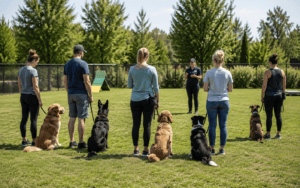
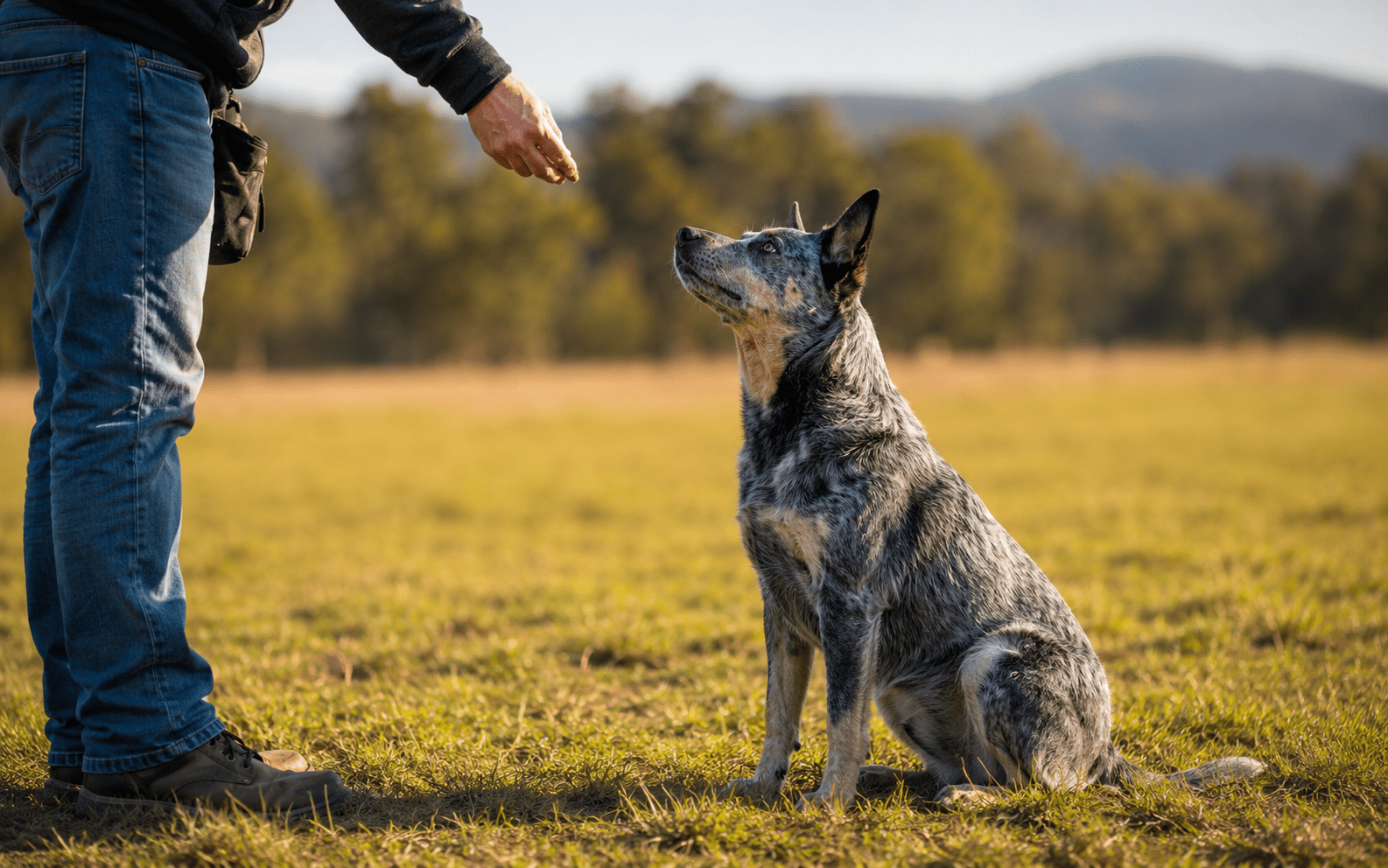
Blue Heelers are one of the most capable breeds you can own, but that intelligence cuts both ways. If you want to know how to train a Blue Heeler dog, the short answer is this: structure and mental challenge, applied consistently, every single day.
They were bred to work cattle across rough Australian terrain. That history lives in every Blue Heeler alive today. It shapes how they respond to commands, how they test limits, and how much energy they bring to every session.
This guide covers what actually works, what backfires, and how to build a Blue Heeler who listens.
What Makes Blue Heelers Different From Other Breeds
Australian Cattle Dogs consistently rank near the top of canine intelligence studies. That sounds like a good thing until you realize a smart dog with no job to do becomes a problem dog fast.
Their natural instinct is to control movement. They nip heels, circle, and push because that is how herding works. In a pasture, that behavior keeps cattle moving. In your living room, it becomes a serious complaint.
They also have stamina most owners underestimate. A 20-minute walk does not take the edge off a Blue Heeler. These dogs were built to run for hours. Unused energy does not disappear. It turns into destructive behavior, obsessive tendencies, or constant testing of limits.
Their Herding Instinct Changes Everything
Everything about how to train a Blue Heeler dog connects back to their herding drive. They are not being defiant when they nip at kids or chase the family cat. They are following a deeply wired instinct.

You cannot train that instinct away. You redirect it. Games that build impulse control, like making them hold a “wait” before you throw a ball or practicing “leave it” with a high-value treat, tap into the working dog mindset. The instinct gets a productive outlet instead of a constant battle.
Why Intelligence Can Work Against You
A Blue Heeler learns fast, but they learn the wrong things just as fast. If you let a behavior slide once because you’re tired, they file that away and test it again. Inconsistency is the number one reason training falls apart with this breed. Every person in the house needs to hold the same rules every time.
The Right Time to Start Training
The earlier the better. Puppies between 8 and 16 weeks are in their sharpest learning window. Basic commands, leash manners, and socialization should begin immediately.
Adult Blue Heelers can absolutely learn. It takes more patience and a clear structure from day one, but the window is never fully closed.
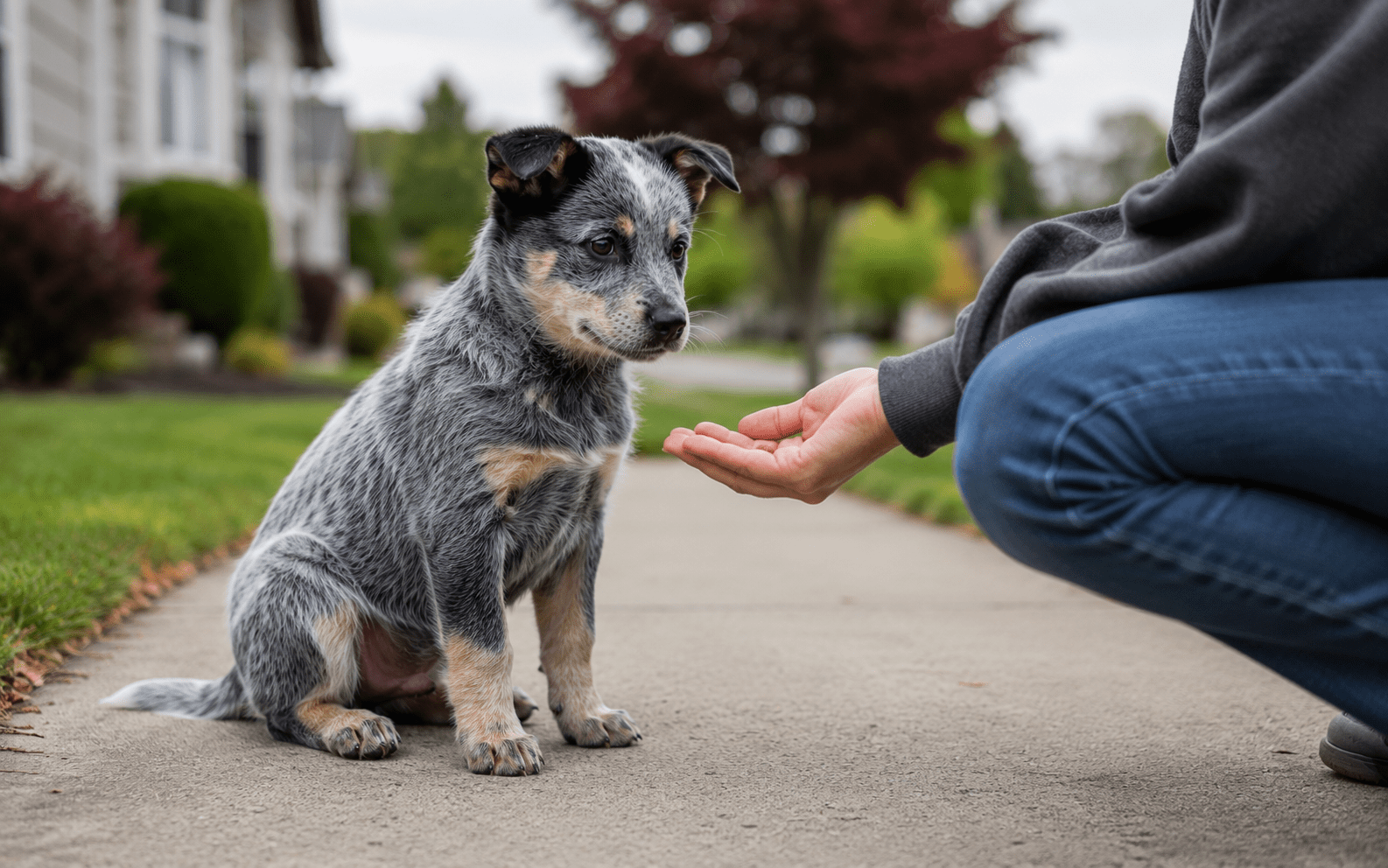
Socialization is just as important as commands at this stage. Blue Heelers can become suspicious of strangers and reactive toward other dogs without broad early exposure. Take them to different places. Let them meet different people. Keep it positive.
Core Commands Every Blue Heeler Needs First
Start with five commands that build the foundation for everything else.
| Command | Why It Matters for Blue Heelers | When to Practice |
| Sit | Builds focus and impulse control | Before meals, before going outside |
| Stay | Channels their drive to hold still | During high-energy moments |
| Leave It | Redirects fixation away from people or objects | Any time they lock onto something |
| Come (Recall) | Critical for off-leash safety | Daily, low distraction first |
| Heel | Manages pulling and reactive walking | Every single walk |
Keep sessions short. Ten to fifteen minutes, two or three times a day, works far better than one long session. Long, repetitive drills bore them, and a bored Blue Heeler stops cooperating.
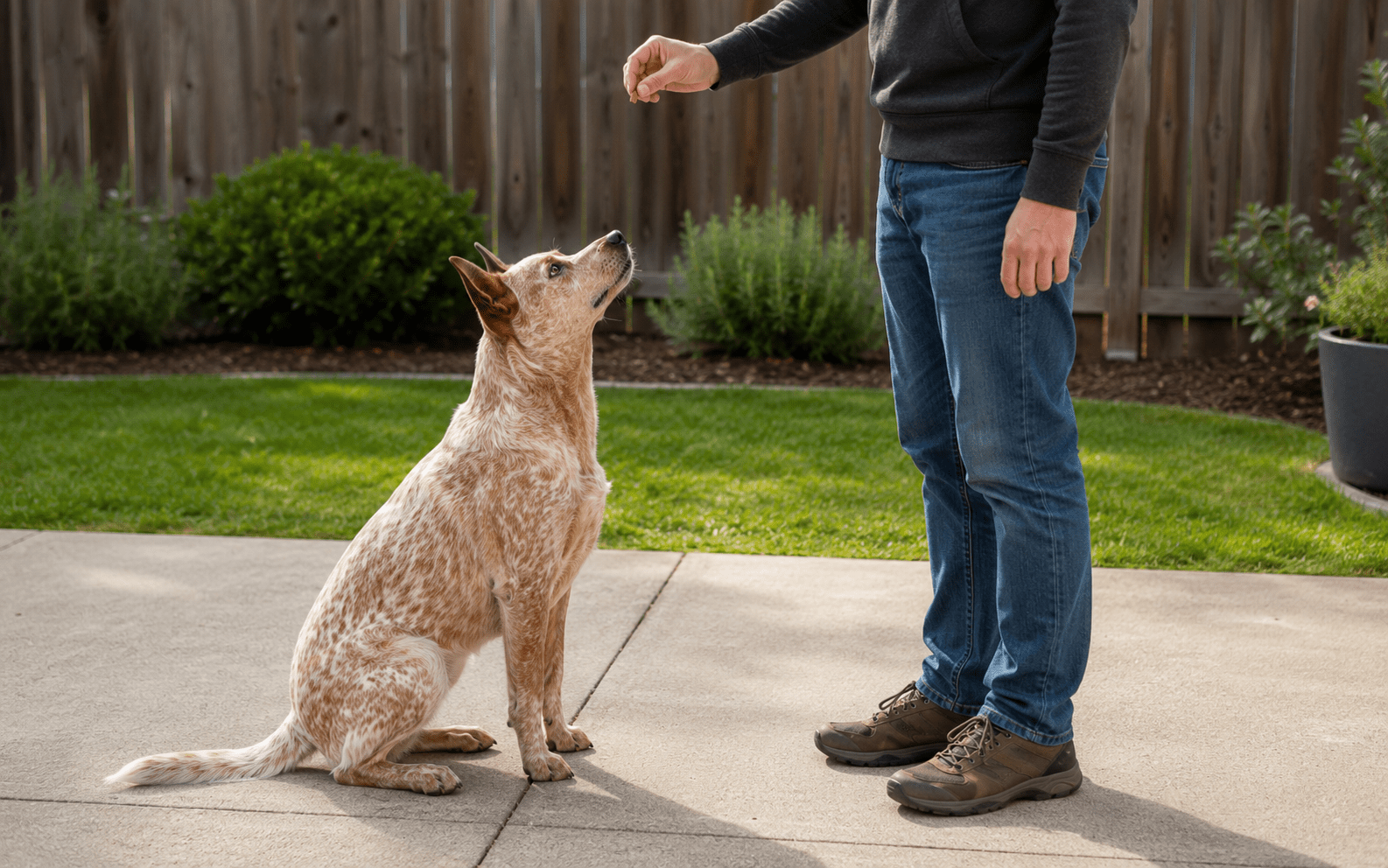
Always end on a win. If they struggle with something new, go back to a command they know, get a clean response, and stop there.
Training Methods That Work and What to Skip
Positive reinforcement is the right approach for this breed. High-value treats, a favorite toy, or a game of tug after a clean response keeps them engaged and builds real trust between you and the dog.
Solid obedience dog training with a Blue Heeler has to match how they think. They need to understand what you want, not just what you do not want.
Harsh physical correction backfires. This breed goes defensive quickly when they feel threatened or confused. A heavy hand creates a dog that shuts down, avoids you, or starts escalating. That is the opposite of what you need.
Letting things slide is just as damaging. If jumping on guests gets attention even once, they will keep trying it. Blue Heelers test limits because they are smart enough to do so, and they remember what worked.
For owners already dealing with stubbornness, learning how to train a stubborn dog with structured, step-by-step methods helps stop bad habits before they become permanent.
Exercise and Mental Stimulation Are Part of Training
No training plan works if your Blue Heeler is running on stored energy. A dog that has not been physically and mentally challenged cannot focus on commands. That drive has to go somewhere before you ask anything from them.
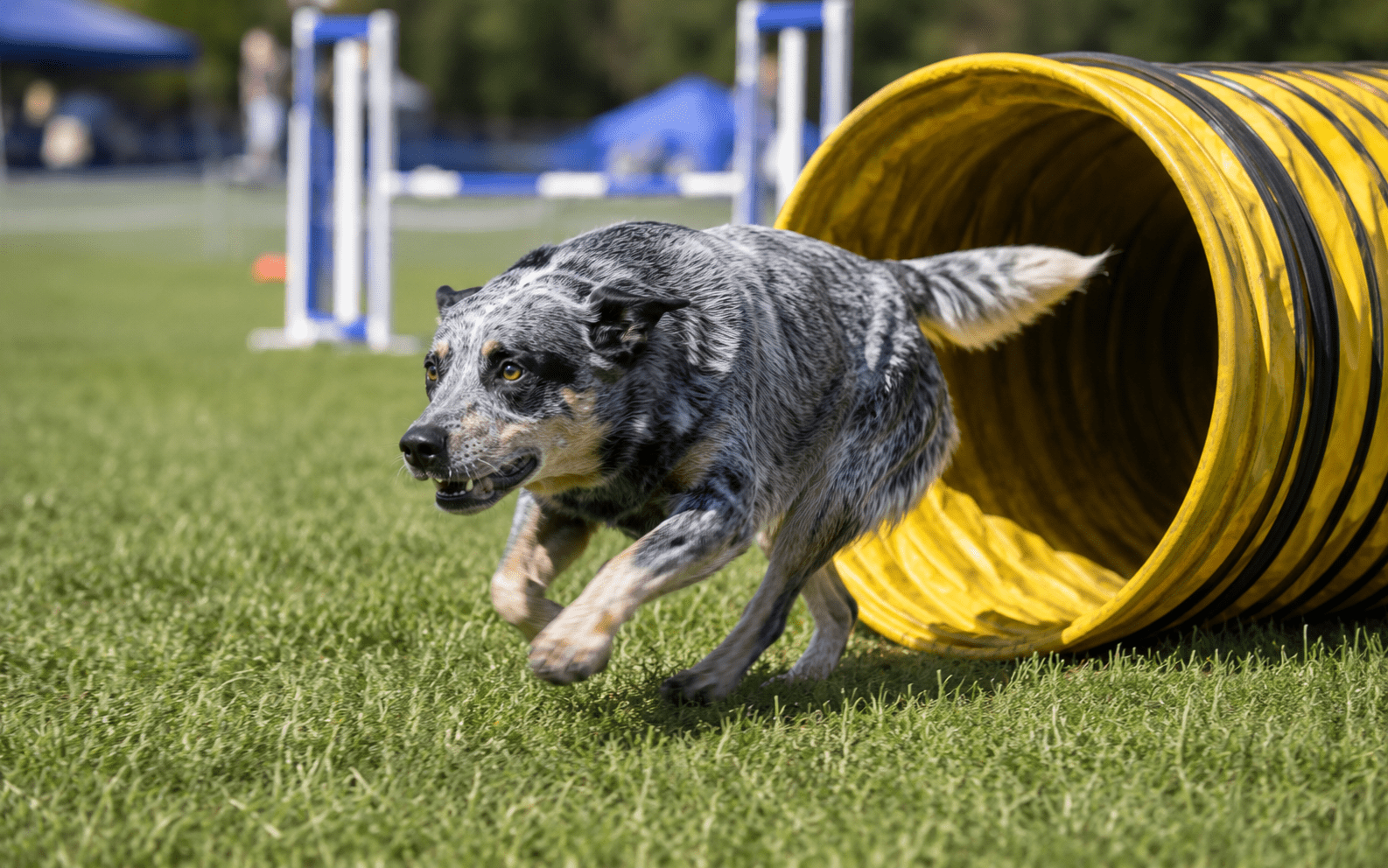
Understanding how to train a Blue Heeler dog means accepting that exercise and training are the same conversation. The importance of dog exercise for this breed goes well beyond physical health. Dogs that get enough output are calmer, more focused, and genuinely easier to work with.
| Activity | What It Does | Recommended Frequency |
| Running or Fetch | Burns physical energy fast | Daily, 45 to 60 min minimum |
| Nose Work | Tires the brain without physical strain | 2 to 3 times per week |
| Agility Training | Channels herding drive into a structured task | Weekly sessions |
| Obedience Drills | Builds focus and reinforces structure | Daily, short bursts |
| Puzzle Feeders | Slows eating, engages the mind | Every meal if needed |
If your Blue Heeler is nipping, ignoring commands, or acting out, ask yourself honestly how much exercise they got that day before assuming it is a training failure.
How to Handle Common Blue Heeler Behavior Problems
Nipping and Herding People
This is the most common complaint with this breed. They nip children, chase cyclists, and herd other pets. It looks aggressive but it usually is not. It is instinct without a proper outlet.
The response needs to be immediate and clear: the moment nipping happens, stop all interaction and turn away completely. No yelling, no pushing them off. Those reactions are stimulating, not correcting. Then redirect them to a toy and reward engagement with it. Over time, the toy becomes the outlet instead of your heels.
Testing Authority
Blue Heelers rank themselves within a household. If they sense uncertainty or inconsistency, they move up the structure. That is not stubbornness exactly. It is how working dogs think.
Clear rules stop this pattern. A dog that has to work for things, sitting before meals, waiting at doors, holding calm before the leash goes on, learns that you are the one making decisions.
For owners who need hands-on support with this, private dog training Long Island puts you directly with a trainer who understands working breeds and how their authority structure operates.
When Professional Help Makes Sense
Some situations are beyond self-guided training, and knowing when to call for help is part of being a responsible owner.
If your Blue Heeler shows real aggression, resource guarding that escalates, or anxiety that does not respond to structure and exercise, professional help is the right move.
In-home dog training Long Island works especially well for Blue Heelers because a trainer can see exactly what is happening in your specific environment. Most behavior issues are environment-specific. Watching a dog in a neutral setting misses that.
For deeper, rooted behavior problems, a board and train Long Island program creates change faster than occasional sessions can. The dog gets structured repetition, multiple daily training blocks, and consistent handling from someone who understands herding breeds.
Looking at how the most trainable dog breeds are handled shows how much the outcome depends on matching the method to the breed’s actual drive, not just applying a generic training approach.
Train the Dog You Have, Not the One You Expected
Knowing how to train a Blue Heeler dog is one thing. Knowing when to bring in expert support is another. At K9 Mania Dog Training, we are Long Island’s leading board and train provider, and our animal behaviorists for dogs work with the most challenging breeds every day. Blue Heelers are not easy dogs, but they are incredibly rewarding when trained correctly. Whether you are dealing with nipping, reactivity, or full-blown aggression, we can help. Trust K9 Mania to give your dog the structure, guidance, and results they deserve.
You May Also Want to Read
How to Teach Loose Leash Walking
Frequently Asked Questions
Are Blue Heelers difficult to train?
Blue Heelers are not difficult to train if you match the method to their drive. They learn fast, but they need consistent structure and mental challenge to stay engaged. Owners who treat them like a low-energy companion breed will struggle. Owners who meet their working dog needs get a highly responsive dog.
What not to do with a Blue Heeler?
Never use harsh corrections, allow inconsistency, or skip exercise. Harsh physical punishment makes them defensive or shuts them down entirely. Letting rules slide, even once, teaches them that limits are negotiable. Skipping exercise means you are training a dog who cannot actually focus on anything.
What is the behavior problem with heelers?
The most common behavior problem is nipping and herding people, especially children. This comes directly from their herding instinct. Other frequent issues include resource guarding, excessive barking, and reactivity toward other dogs. Most of these problems trace back to under-stimulation or inconsistent boundaries.
Do Blue Heelers pick a person?
Yes, Blue Heelers typically bond most strongly with one person. They will respect and respond to others, but their loyalty runs deepest with their primary handler. This can make training harder when multiple people are involved, especially if the dog does not see them as equally authoritative.
How to discipline a Blue Heeler?
Discipline a Blue Heeler through clear boundaries and immediate, calm correction, not physical punishment. Withdraw attention the moment a bad behavior happens. Redirect to the correct behavior and reward it. Consistency matters more than the correction itself. Yelling or physical force backfires badly with this breed.
Do Blue Heelers not like to cuddle?
Blue Heelers are affectionate but on their own terms. They tend to prefer proximity over extended physical contact. Many will sit next to you rather than on you. Once they trust and bond with someone, they do show affection, but forcing cuddle time usually makes them pull away rather than lean in.