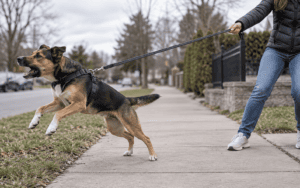

Leash pulling is something many dog owners deal with. It makes walks less fun and can be stressful or even dangerous. When your dog pulls too much, staying in control and enjoying your time outside together is hard.
This guide will give you easy steps to follow. You’ll learn simple ways to teach your dog to walk nicely without pulling. These tips are safe, kind, and work well for all dogs, no matter their age or size.
With practice and patience, any dog can learn better leash habits. This training guide on how to stop leash-pulling in dogs will help you enjoy calm and safe walks every day.
Why Dogs Pull on the Leash
To stop leash pulling, it helps to know why your dog is doing it. Every dog has a reason, and understanding that reason makes it easier to teach better habits through simple and clear dog training methods.
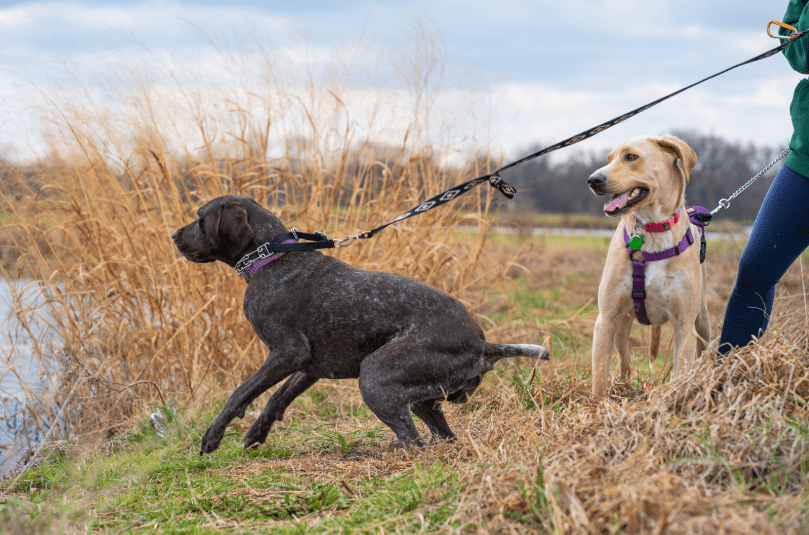
Most dogs pull because they are excited, curious, or want to move faster. Some think pulling helps them reach something fun, like a tree or another dog. Others may pull because they feel scared, stressed, or unsure about their surroundings.
With time and practice, your dog can learn to walk calmly beside you. A loose leash means smoother walks, better control, and more fun for both of you. Keep the training steady and gentle.
Tools to Help Stop Leash Pulling
The right training tools can make a big difference when teaching your dog leash manners. This section outlines gear that helps support your training without causing pain or discomfort to your dog.
Front-Clip Harness
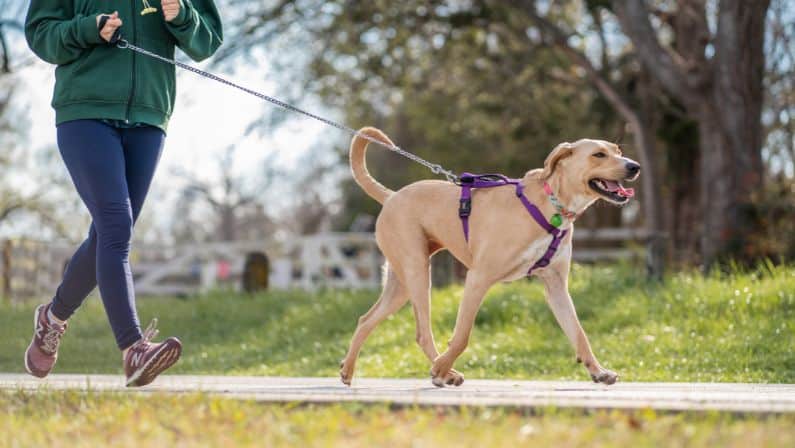
A front-clip harness helps stop pulling by turning your dog gently when they move forward. It gives you better control during walks and is safer than a collar. It also takes pressure off your dog’s neck and makes walking easier.
Standard 4–6 ft Leash
Use a regular 4–6 foot leash for training. It gives you more control than a retractable one and helps set clear walking rules. Keeping your dog close makes walks safer and helps them learn to stay by your side.
High-Value Treats
Pick small, soft treats your dog loves. These special rewards make training fun and keep your dog interested. Give a treat when your dog walks beside you without pulling. This helps happily teach good leash habits.
Clicker (Optional)
A clicker is a small device that makes a clicking sound when your dog performs a desired behavior. It helps your dog understand what they did well. Click, then give a treat so your dog learns faster and enjoys training more.
How to Stop Leash Pulling in Dogs
Stopping leash pulling takes time, but with clear steps and consistency, your dog can learn to walk calmly. Here’s a proven step-by-step approach to tackle the issue.
Step 1: Start Indoors or in a Quiet Space
Begin training in a calm place like your living room or backyard. Fewer distractions help your dog focus better on you. This makes learning easier and sets a strong base before moving on to outdoor walks with more things going on.
Step 2: Reward for Staying by Your Side
Give your dog a treat every time they walk next to you without pulling. Use a happy word like “yes” or a clicker to let them know they did well. This helps your dog understand that staying close means good things happen.
Step 3: Use the “Stop and Wait” Method
If your dog starts pulling, stop right away. Don’t move until they return or the leash is loose again. This shows your dog that pulling won’t get them where they want to go. It teaches calm walking through simple, clear steps.
Step 4: Change Direction Frequently
Keep your dog’s attention by switching directions during your walk. Turn randomly and gently so they pay attention to your movement. This keeps the walk fun and teaches your dog to stay close instead of rushing forward without thinking.
Step 5: Gradually Increase Distractions
Once your dog walks well at home, try new places like the sidewalk or park. Slowly add more distractions so your dog learns to stay focused anywhere. If they start pulling again, go back to an easier spot and practice more.
🔗 Learn more about our Board and Train Long Island program.
Mistakes to Avoid During Leash Training
Training your dog not to pull on the leash takes practice. Avoiding these common mistakes can speed up progress and make your training sessions more effective.
Using Punishment-Based Tools
Using choke chains, prong collars, or leash jerks might stop pulling for a short time, but they can hurt your dog and break trust. It’s better to use treats and praise. Positive training is safer and works better in the long run.
Being Inconsistent
If you let your dog pull sometimes but stop them other times, they get confused. Dogs learn better when rules stay the same. Always respond the same way. Be clear and steady, so your dog knows what to do every time.
Not Rewarding Good Behavior
When your dog walks nicely and you don’t reward them, they won’t know they did something right. Use treats, kind words, or a favorite toy. Showing praise helps your dog learn faster and want to keep doing the right thing.
Rushing the Process
Dogs learn at different speeds. Some dogs get it fast, and others need more time. Go slow and don’t move to the next step too quickly. Let your dog learn each part well so they feel calm, safe, and happy.
Real Life Walking Scenarios for Dogs
Real walks often come with distractions, such as squirrels, other dogs, and noises. These tips help maintain control and reinforce loose-leash walking even in busy environments.
Use the “Watch Me” Cue
Teach your dog to look at you when you say “Watch me.” This helps them focus on you instead of distractions around them. It’s a great way to keep their attention and build better habits during leash training and walks.
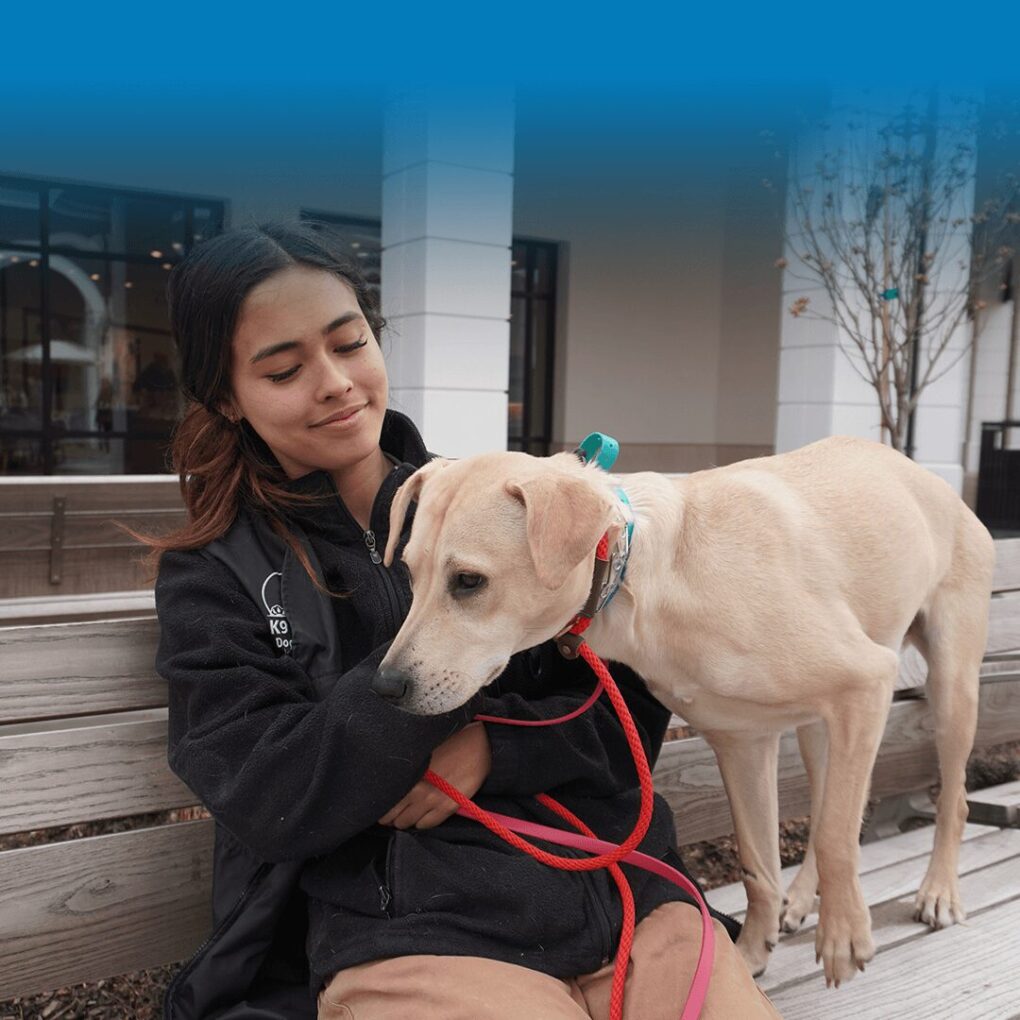
Bring treats with you on every walk so you’re ready to reward good behavior. Give a treat when your dog stays close or walks calmly. Over time, you can use treats less often but always give kind words and praise.
Keep Sessions Short and Positive
If your dog is having a hard time, keep the walk short and end it on a good note. Slowly make walks longer as your dog improves. Positive experiences help your dog feel calm and happy during every walk.
Walk at Your Dog’s Pace
Let your dog sniff and explore a little during walks. Dogs learn through smells, and this helps them stay calm and interested. Allowing short sniff breaks makes walks more fun and keeps your dog from getting bored or pulling ahead.
Practice Daily
The more you practice, the better your dog will learn. Try to work on leash training every day, even if it’s just for 10 minutes. Daily practice builds good habits and helps your dog stay focused and well-behaved over time.
How Long Does It Take to Stop Leash Pulling
Each dog learns at a different pace, so leash training results can vary. Some may adjust quickly, while others need more time and patience. This part of the process helps you understand what to expect during training.
Young puppies often take a few weeks to learn, but older dogs with pulling habits may take longer. Dogs that are reactive or easily distracted by their surroundings may also need support from a skilled dog trainer to stay on track.
The key to progress is being consistent and reinforcing good behavior. Even small steps forward are worth celebrating. They keep you motivated and help your dog feel successful too.
When to Get Help from a Professional Trainer
Some dogs need extra support, especially if pulling is linked to reactivity, anxiety, or aggression. Here’s how to know when it’s time to seek expert guidance.
Still Pulling After Training
If your dog still pulls hard even after lots of training, it might be time to get help. A dog trainer can find what’s wrong and give you a better plan that fits your dog’s needs and makes walks easier.
Aggressive or Fearful Behavior
If your dog pulls and also barks growls, or lunges, they might be scared or upset. This can be hard to fix alone. A certified dog trainer can work safely with your dog to help them feel calmer and act better.
Feeling Overwhelmed
Training can feel tough, especially when it’s not going well. If you feel tired or stuck, a trainer can help. They’ll give you tips, show you what to do, and make the whole process feel easier and more relaxing.
Frequently Asked Questions
How do I train my dog to stop pulling on the leash?
To stop leash pulling, walk in the opposite direction when your dog pulls. Use treats to reward calm walking beside you. Be patient and keep training short and fun. Over time, your dog will learn that staying close on the leash brings rewards.
How do I get my dog to stop grabbing the leash?
If your dog grabs the leash, stop walking and stay calm. Use a chew toy or treat to redirect their attention. Don’t pull or play tug. With practice, your dog will learn the leash is for walking, not for biting or playing.
Do dogs grow out of leash pulling?
Most dogs don’t grow out of leash pulling on their own. It takes training, time, and daily practice. Without clear rules, pulling becomes a habit. Teaching your dog how to walk nicely on a leash is the best way to fix the problem.
How do I get my dog to stop playing tug with the leash?
If your dog plays tug with the leash, avoid pulling back. Stay still and calm. Offer a toy or treat as a trade. Practice walking with short sessions and reward good behavior. This helps your dog learn the leash is not a toy.
Why does my dog’s leash pull?
Dogs pull on the leash because they’re excited, curious, or want to move faster. They don’t know leash rules unless you teach them. Training helps your dog learn that walking calmly with you is better than dragging you ahead during walks.
Conclusion
Leash pulling can make walks feel more like a chore than fun. It’s hard to enjoy time outside when your dog keeps tugging ahead. With the right approach and steady training, your dog can learn to walk calmly by your side.
This guide on how to stop leash pulling in dogs gives you clear and easy steps. These tips work for any dog, no matter the breed or size. With daily practice and a bit of patience, you’ll start to see real changes in your dog’s behavior.
K9 Mania Dog Training is ready to help you every step of the way. We make training simple and effective for real-life walks. Call us at (516) 217-1604 and let us help you enjoy better, safer walks with your dog.
End Note
If you want real results and caring support for your dog, our Board and Train Long Island program is the right choice. We use simple steps that help dogs learn fast. Meet our trusted team on the Our Team page and see how we work on Our Method.
We train dogs in many areas and build easy plans that match each dog’s needs. To see where we train, go to Location Served. You can reach us anytime through Contact Us. For tips and real stories, check out our Blog. To become a dog trainer, join our Dog Trainer Program at K9 Mania Dog Trainer Academy.
We enjoy sharing our work and training wins every day. You can follow us on Facebook, Instagram, TikTok, and YouTube. Visit K9 Mania Dog Training to get started with training that helps dogs and owners live better together.