
Common Causes and Easy Solutions for a Biting Puppy
Getting a new puppy is fun, but biting can hurt. If you’re asking, “Why is my puppy biting me?” don’t worry. There are simple puppy biting solutions that can help stop it.
Puppies bite when they play, teethe, or explore. To fix it, you need to know why they bite. Stay calm, avoid rough play, and follow the steps to manage your puppy’s biting.
This guide will explain why puppies bite, how to stop them from biting your hands, and the best puppy teething remedies. Training a biting puppy takes time, but it will learn with love and practice.
Key Takeaways
- Puppy biting is normal behavior driven by teething, play, or attention-seeking — not aggression in most cases.
- Teething peaks between 3 and 6 months, so frozen chews and soft toys go a long way during this window.
- Redirecting to a chew toy the moment teeth touch skin works better than yelling or pushing the puppy away, which usually excites them more.
- Ending playtime immediately when biting gets too hard teaches bite inhibition the same way littermates do.
- Everyone in the household has to follow the same rules — inconsistency is the main reason biting drags on for months.
- If biting continues past teething age, gets harder, or comes with growling and lunging, it’s time to bring in a professional trainer.
Why Do Puppies Bite Their Owners
Before addressing how to stop puppy biting, it’s important to understand why it happens in the first place. Here are the most common reasons:
Teething Phase (Puppy Teething Remedies)
Puppies bite a lot when their teeth grow, between 3 and 6 months. Their gums hurt, so they chew for relief. Try puppy teething remedies like soft toys or cold treats to help them feel better.
Exploration and Play
Puppies use their mouths to learn about things. Because they can’t use their hands, they explore by biting and chewing. This is normal, but if it is not stopped early, it can turn into a bad habit later on.
Attention-Seeking Behavior
Some puppies bite to get you to look at them or play. Even if you say no or yell, they learn biting gets attention. It’s better to stay calm and show them good ways to play.
Lack of Bite Inhibition Training
Puppies learn not to bite hard by playing with other puppies. If one bites too much, the play stops. Without this lesson, your puppy may not know that biting hurts. You have to show them how to be gentle.
Overstimulation or Fear
Puppies sometimes bite when they are too excited or scared. Loud sounds, too much play, or meeting new people can cause this. To help your puppy feel safe, give it a quiet space and short breaks.
How to Stop Your Puppy from Biting Hands
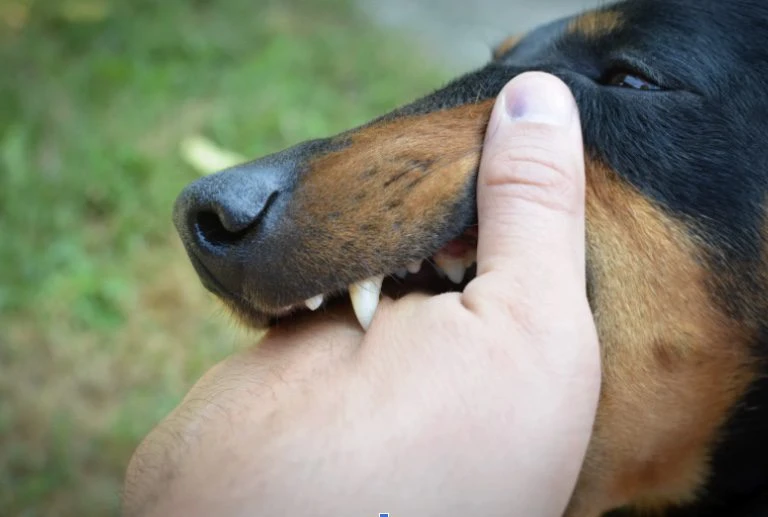
Now that we know why puppies bite let’s discuss puppy biting solutions to curb this behavior. Consistency and patience are key. Remember, your puppy isn’t being aggressive; they’re simply learning.
Redirect with Chew Toys
If your puppy bites your hands, give them a chew toy instead. This helps them learn what to bite. Keep soft toys nearby. Frozen rubber toys or cold washcloths are good puppy teething remedies for sore gums.
Teach Bite Inhibition
If your puppy bites too hard, say “Ouch!” loudly and stop playing. This shows biting is not okay. Puppies learn fast when playtime ends. With time, they’ll know to be more gentle with their mouth.
Use Positive Reinforcement
When your puppy stays calm or licks you instead of biting, give a treat or say, “Good job!” This teaches them that soft and gentle actions are better. Praise helps your puppy learn good behavior with love and rewards.
Avoid Rough Play
Don’t play rough games like wrestling or tug-of-war. These can make biting worse. Try fetch, short walks, or puzzle toys instead. These are fun ways to play without your puppy using their teeth on your hands.
Provide Plenty of Exercises
Puppies need lots of play and walks. A tired puppy is less likely to bite or get too playful. Give them toys, games, and time to run. This helps them stay happy, calm, and less likely to bite.
Socialize Your Puppy
Let your puppy meet friendly, healthy dogs. Being around other dogs helps them learn good behavior. Puppies copy each other and learn not to bite too hard. Social pups usually grow up to be more well-behaved.
Best Puppy Teething Remedies for Relief
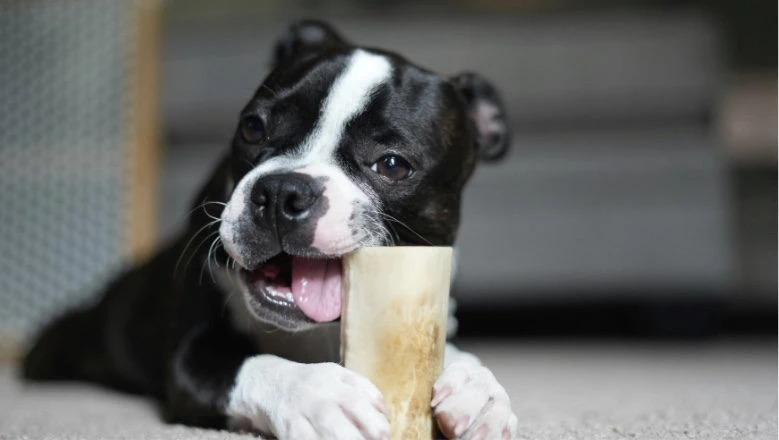
Since teething is a significant cause of biting, providing relief can significantly reduce unwanted chewing. Here are some puppy teething remedies to try:
Frozen Treats
Freeze a soft towel or a Kong toy with peanut butter inside. The cold helps numb sore gums and feels good to chew. Frozen treats are simple teething solutions that help keep your puppy calm and entertained.
Chew Toys
Choose soft rubber or nylon toys made for puppies. These toys are safe to chew and help sore gums feel better. Avoid hard bones that can hurt their teeth. Chew toys are an easy way to soothe teething puppies daily.
Teething Gel
Some pet gels can help with gum pain for a short time. Ask your vet which one is safe to use. These gels are useful puppy teething remedies when your puppy is chewing too much because of pain.
Soft Food
If your puppy can’t eat dry food, try soaking it in warm water or give soft food. It’s easier to chew and helps sore gums. This is one of the simple puppy teething remedies that brings fast relief.
Related Articles to Read:
How to Train a Puppy That Bites
While teething is temporary, teaching your puppy proper manners is long-term. Here’s how to ensure lasting success in training a biting puppy:
Be Consistent
Training a biting puppy means everyone in the house should follow the same rules. If one person allows biting and another doesn’t, your puppy gets confused. Repeat the exact words and actions to help your puppy learn the correct behavior.
Use Time-Outs
If your puppy keeps biting, a short time-out can help. Place it in a calm, quiet area for a minute to help it settle. This helps it learn that biting means playtime stops. Time-outs are a good way to teach your puppy not to bite.
Join Puppy Classes
Puppy classes are a great way to help with training a biting puppy. Puppy trainers teach how to stop biting and follow simple commands. Your puppy also learns how to behave around other dogs and people in a fun way.
Be Patient
Training a biting puppy takes time. Puppies are still learning and don’t know all the rules yet. Stay calm and repeat the same steps every day. With time and love, your puppy will stop biting and grow into a good dog.
What Makes Nipping Worse
Some well-intentioned responses to biting actually reinforce or amplify the behavior. Knowing what not to do is just as important as knowing the right techniques.
| Common Mistake | Why It Backfires |
| Yelling or scolding loudly | Increases arousal and excites the puppy more |
| Tapping or bopping the puppy’s nose | Can cause fear or trigger a defensive bite response |
| Roughhousing with hands | Teaches the puppy that hands are toys and fair targets |
| Inconsistent rules between family members | Confuses the puppy and slows learning significantly |
| Letting it “slide” when the puppy is small | Reinforces the behavior before it becomes a bigger problem |
| Using spray bottles as deterrents | Damages trust without teaching any replacement behavior |
Inconsistency is the biggest issue in most households. If one person enforces the rules and another plays rough, the puppy cannot generalize the lesson. Everyone in the home needs to respond the same way, every time.
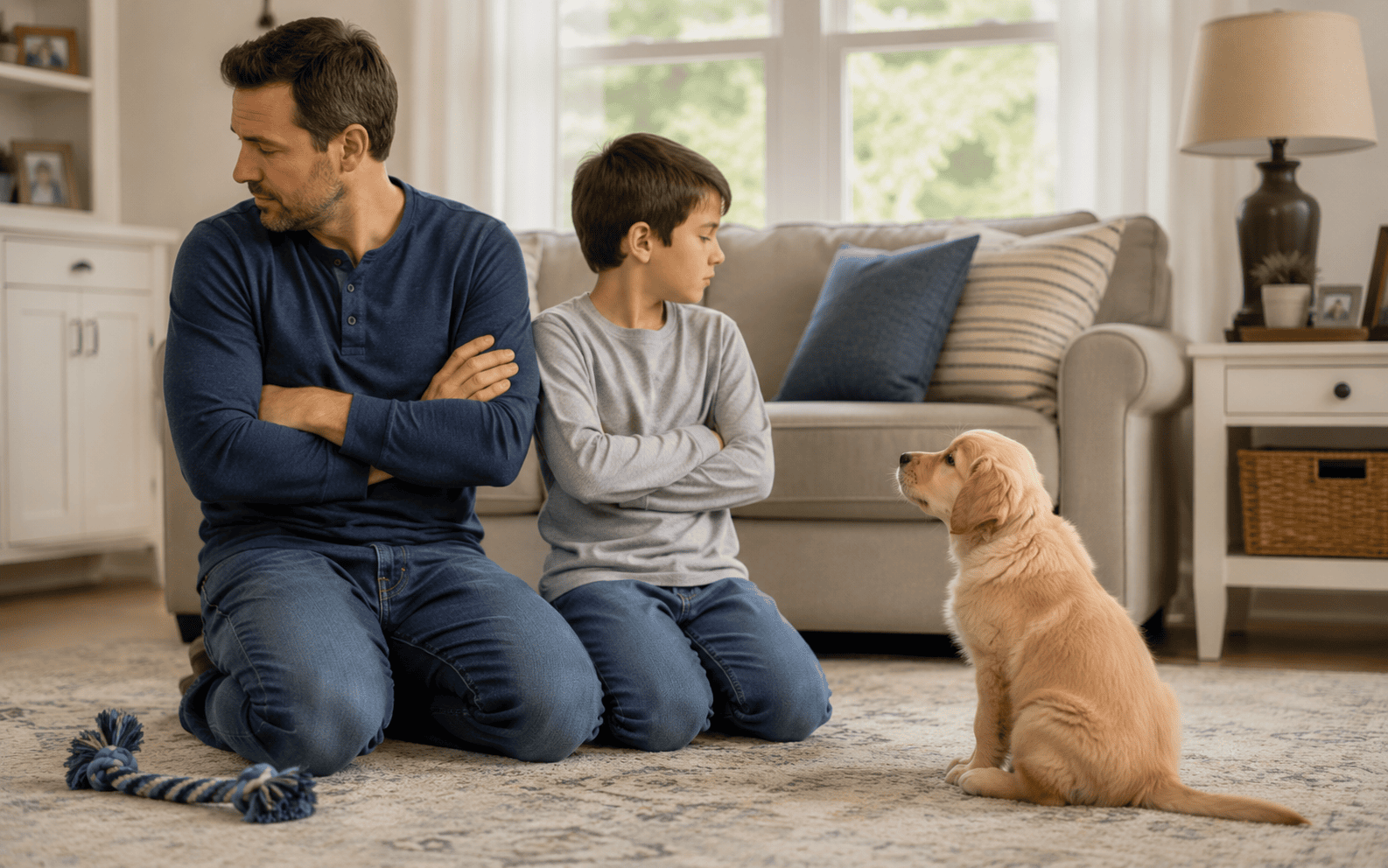
You can also find useful context in this resource on managing puppy aggression a quick guide, which covers how to tell the difference between normal nipping and behavior that needs more urgent attention.
Signs It’s Time to Call a Professional Dog Trainer
Most puppy biting is normal, but consult a vet or trainer if:
Aggressive Biting
If your puppy growls, lunges, or bites hard during play, it may be more than normal behavior. Aggressive actions need special care. Training a biting puppy with help from a professional can stop bad habits before they worsen.
No Progress After Weeks
If you’ve been training a biting puppy for several weeks and there’s no change, it might be time to ask for help. Some puppies need different ways to learn. Getting help early makes things easier and safer.
Biting After Teething
If your puppy is still biting after teething, it could be a bigger problem. Training a biting puppy usually works with time. But if the biting continues, it may mean your puppy is scared or stressed and needs professional puppy training.
🔗 Learn more about our Board and Train Long Island program.
Things to Know
- Puppies don’t outgrow biting on their own — without redirection, the habit carries into adulthood when the jaw is much stronger.
- Puppy teeth (all 28 of them) start falling out around 12 weeks, and most adult teeth are in by 6 months — biting usually spikes right in the middle of that window.
- Overtired puppies bite more, not less. Puppies need 16 to 18 hours of sleep a day, and a lot of “aggressive” evening biting is really just an overtired puppy losing impulse control.
- The yelp method doesn’t work for every puppy — high-energy breeds sometimes get more excited by the sound. If yelping makes things worse, switch to calm timeouts instead.
- Never use hands as toys, even in play. A puppy that learns hands are fair game will keep targeting them long after teething ends.
- Kids are the most common biting targets because they move fast and react loudly — teach children to stand still and go quiet instead of running or squealing.
- Freeze a wet washcloth or a rubber toy stuffed with peanut butter for a cheap, safe teething soother — avoid ice cubes and hard bones, which can crack puppy teeth.
For dogs with more persistent biting habits, our board and train program on Long Island gives them focused, full-time correction.
Frequently Asked Questions
How do you discipline a puppy who is biting?
To discipline a puppy who is biting, calmly say “no” and stop playing immediately. Give a chew toy instead to show what it’s okay to bite. Keep things the same, be calm, and reward good actions. This helps the puppy learn better habits without fear.
At what age do puppies stop puppy biting?
Biting habits in puppies typically end by 6 to 8 months. The behavior naturally fades as their adult teeth come i,n and they learn bite control through training and socialization. Gentle redirection and positive reinforcement help guide them through this stage successfully.
What does it mean when a puppy bites you?
When a puppy bites you, it’s usually playful or due to teething. Puppies explore the world with their mouths. However, consistent biting can also signal overstimulation or a lack of boundaries. Puppy training helps them understand the difference between play and what’s not allowed.
What can I give a teething puppy?
Use frozen carrots, soft chew toys, or rubber rings to help a teething puppy. These help soothe their sore gums and keep them from biting furniture or hands. Always choose items made for puppies to ensure safety during the teething stage.
Is it OK to push the puppy away when biting?
It’s better not to push a puppy away when biting, as it can excite or scare them. Instead, stop playing immediately and redirect with a toy. This teaches that biting ends the fun, helping your puppy learn proper behavior safely.
Conclusion
Training a biting puppy can be tough, but you can help your pup learn better habits with the proper steps. We know how hard it is when your puppy keeps biting. We share simple puppy biting solutions that work.
It’s good to know why puppies bite. It could be teething or too much excitement. When you understand the reason, it’s easier to help. Try easy puppy teething remedies and calm training to show your puppy what’s okay to chew, especially when they bite your hands.
Now is the best time to begin. Use these tips to stop puppy biting hands and help your pup grow into a calm, happy dog. K9 Mania Dog Training is here to make things easier for you. Our expert team makes training a biting puppy easy and safe for every dog owner.
End Note
If you are looking for an expert in dog training, we offer personalized programs that bring real results. From basic dog obedience to behavior issues, our training fits your dog’s needs. Learn about our method and trusted puppy training in Long Island at K9 Mania Dog Training.
We also help dog lovers become certified professionals through the K9 Mania Dog Trainer Academy. Our program offers expert support whether you’re just starting or looking to grow. To learn more, check our locations served or contact us for your first training session.
Follow us online for helpful dog tips, real success stories, and fun behind-the-scenes content. Follow us on Facebook, Instagram, TikTok, and YouTube. K9 Mania Dog Training is here to help you raise a well-behaved dog.
K9 Mania Dog Training
820 Grand Blvd, Deer Park, NY 11729
Phone: +1 (516) 217-1604