Good guard dog breeds include German Shepherds, Rottweilers, Doberman Pinschers, Belgian Malinois, and Cane Corsos, all known for their protective instincts, intelligence, and trainability. The right pick for your home depends on your experience level, living situation, and how much time you’re willing to put into training.
Choosing a guard dog isn’t just about finding the most intimidating breed on the list. The right dog should be confident without being unpredictable, alert without being reactive, and loyal without treating every visitor like a threat. This breakdown covers the breeds worth considering, the traits that actually matter, and what it takes to raise one of these dogs safely.
Things to Know
- Not every protective breed fits every household or lifestyle.
- A dog’s temperament depends more on training and socialization than breed alone.
- True guard dogs differ from watchdogs. One alerts, the other acts.
- Early socialization is the single biggest factor in raising a stable guard dog.
- Most guard dog breeds need daily exercise, mental stimulation, and clear structure.
📌 Not sure if a protective breed fits your life? Read choosing the right dog breed before you commit.
What Makes a Dog a Good Guard Dog
Before looking at specific breeds, it helps to understand what separates a real guard dog from one that just looks the part.
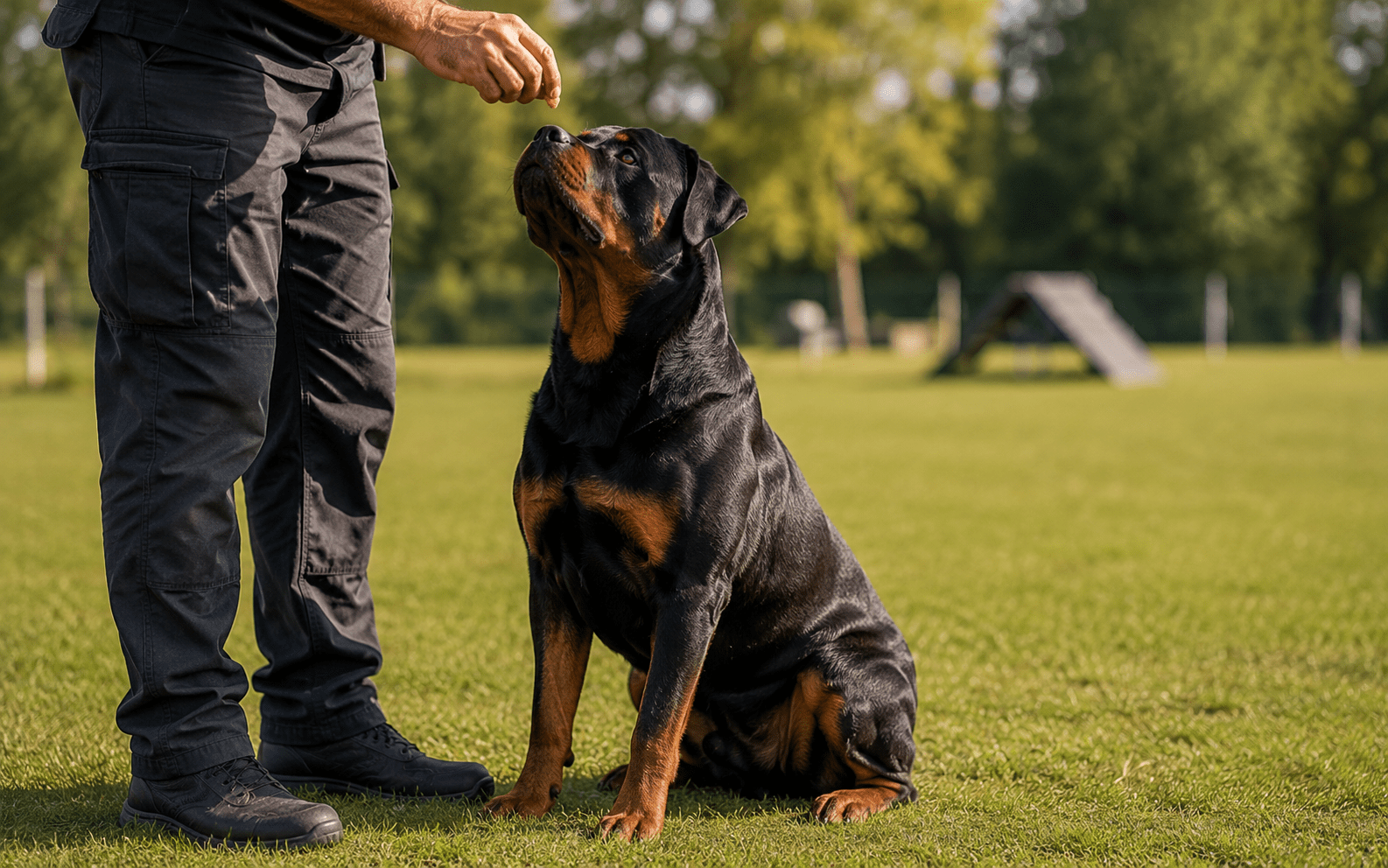
Territorial instinct is the starting point. A good guard dog naturally pays attention to its environment and notices when something feels off. That’s not aggression. It’s awareness.
Confidence matters just as much. A dog that spooks easily or reacts out of fear is unpredictable. The best guard dog breeds stay calm under pressure and respond deliberately rather than reactively.
Trainability is what turns natural instincts into reliable behavior. Without it, a protective dog becomes a liability. You want a dog that respects commands, responds to correction, and can switch on and off when needed.
Physical capability rounds it out. Size and strength aren’t everything, but a guard dog needs enough presence to actually deter a threat.
These four traits together define what are good guard dog breeds in the real world, not just on a breed chart.
The Breeds That Actually Deliver
German Shepherd
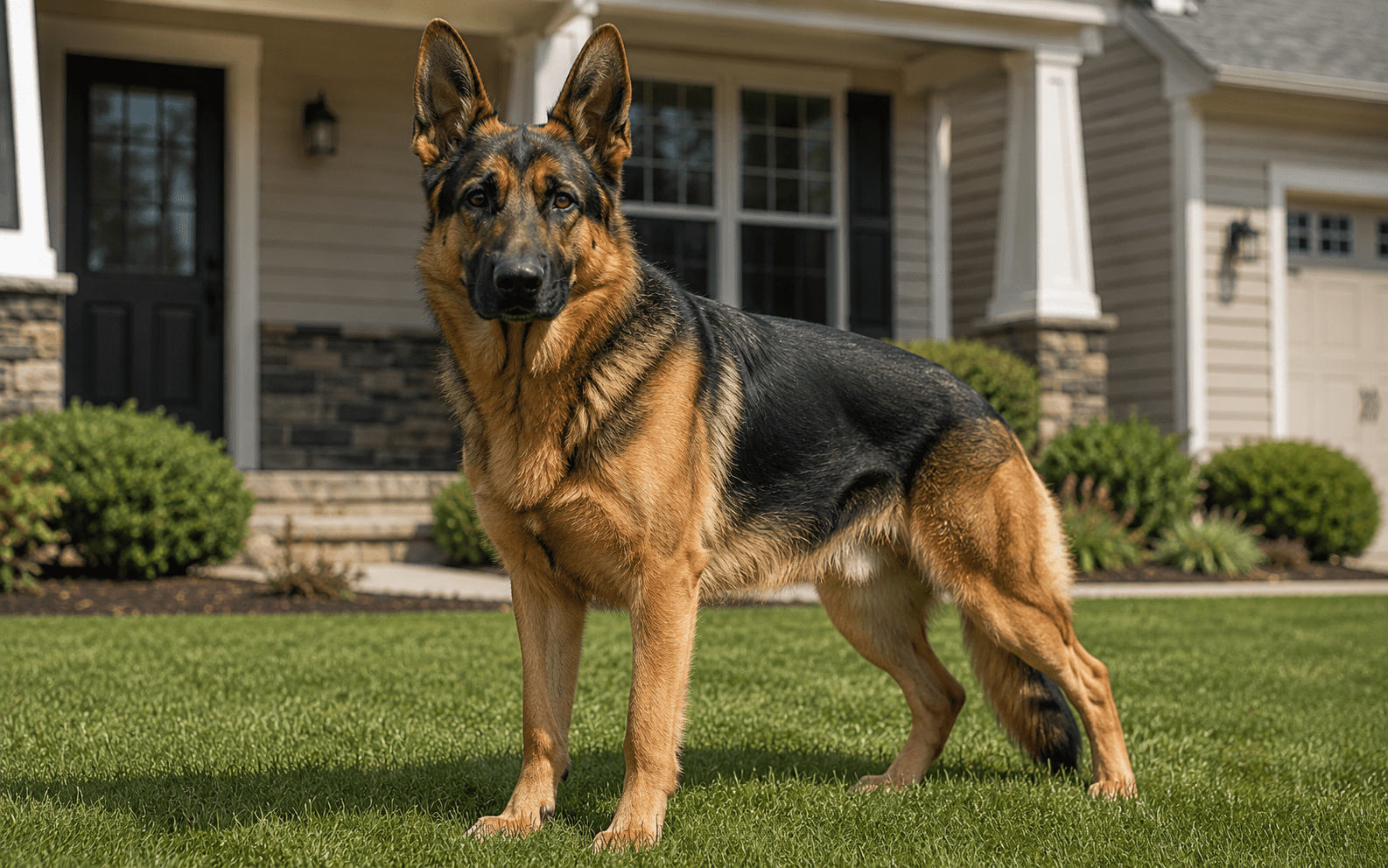
German Shepherds are the most widely used guard and working dogs on the planet. Police, military, and protection trainers reach for them first because they’re smart, athletic, and deeply loyal. They bond closely with their families and stay alert without being reactive.
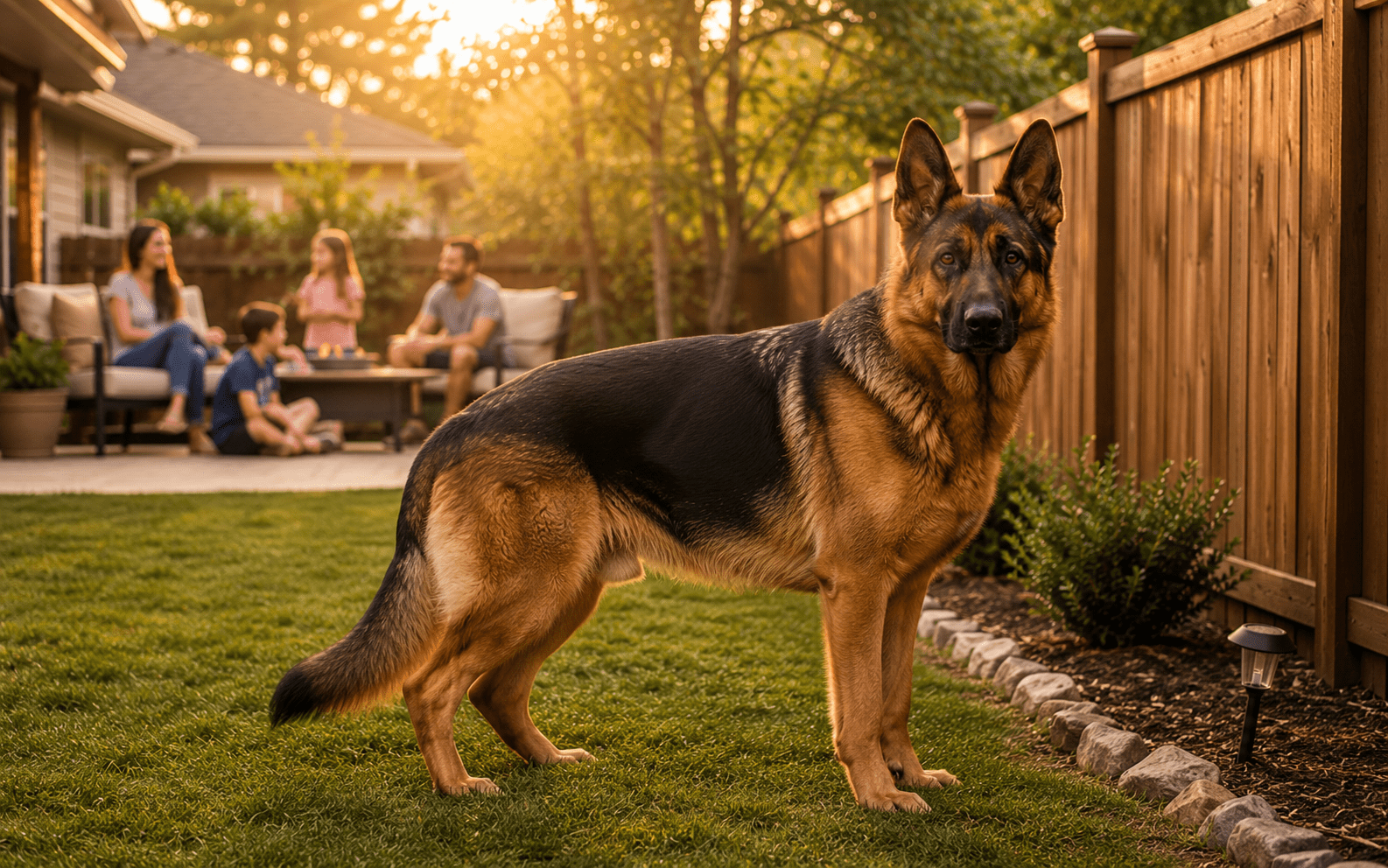
They need consistent training and daily mental stimulation. A bored German Shepherd will find trouble on its own. With the right structure, though, they’re one of the most reliable options out there.
📌 Learn more about how to train a German Shepherd to get the obedience and drive balance these dogs need.
Rottweiler
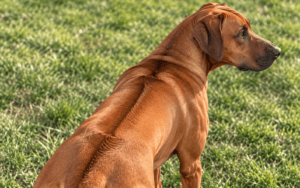
Rottweilers have a natural guarding instinct that runs deep. They’re calm and confident around their family and take their protective role seriously. Their size alone is a deterrent, but their real value is the ability to assess a situation and respond appropriately.
They need firm, experienced handling. Rottweilers without consistent training can become overprotective and difficult to manage in public. Early socialization isn’t optional with this breed.
Doberman Pinscher
Dobermans are fast, fearless, and intensely loyal. They were developed specifically as personal protection dogs, and that purpose is still built into them. They stay alert around strangers and are quick to signal when something feels wrong.
Because of their high drive and energy, they do best with experienced owners who can provide structure, exercise, and a clear role in the household.
Belgian Malinois
Belgian Malinois are what you’d get if you dialed a German Shepherd up significantly. They’re faster, more intense, and used by elite military and police units for a reason. They’re not for the average pet owner, but in the right hands, they’re exceptional.
If you’re considering a Malinois, be honest about your ability to keep up. Underestimated energy leads to destructive behavior, not protection.
Cane Corso
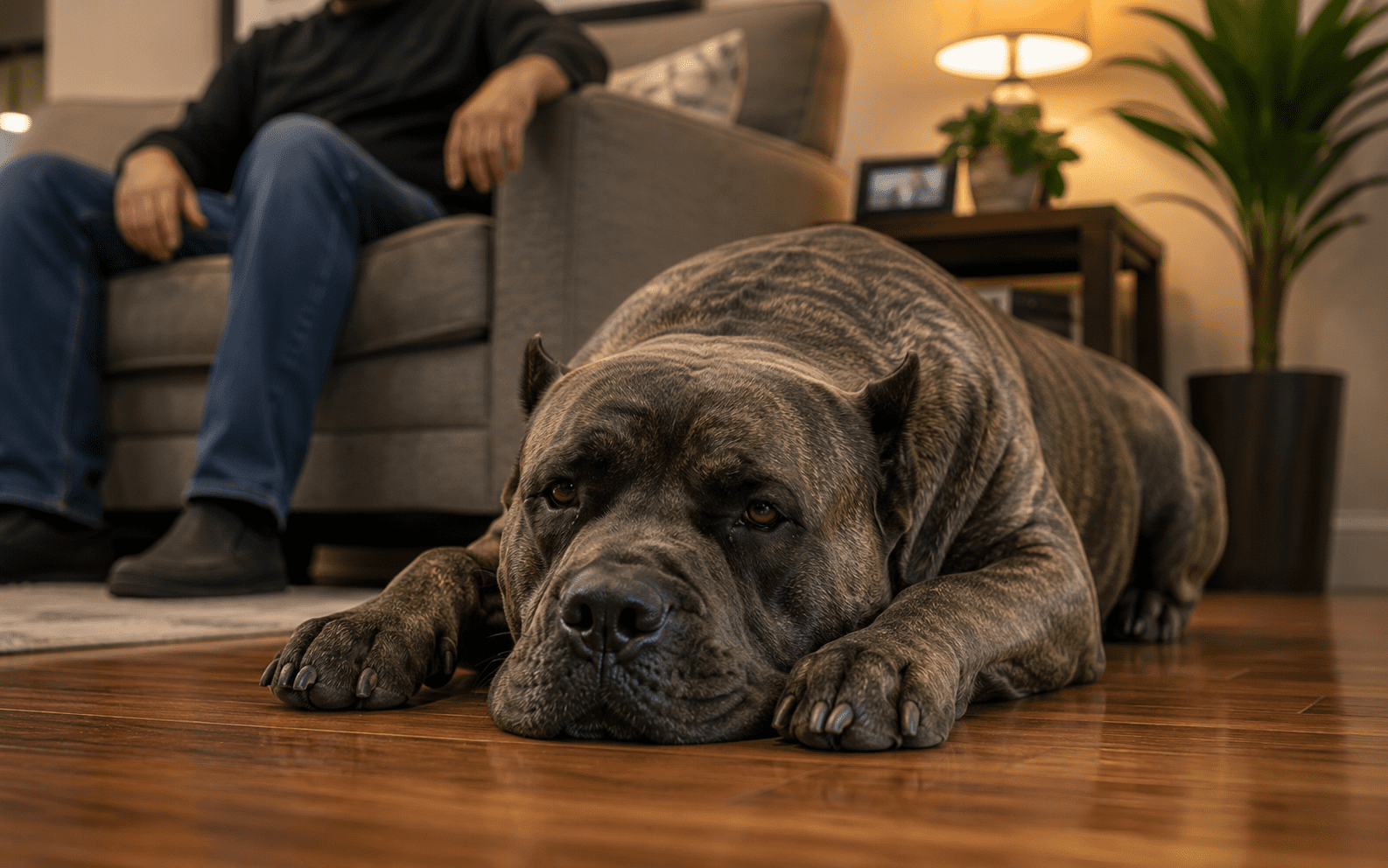
The Cane Corso is a mastiff-type breed with centuries of guarding in its bloodline. They’re powerful, quiet, and deeply loyal to their people. Unlike high-drive working breeds, they tend to be calmer in the home but switch on when they sense a real threat.
They respond well to structure but don’t tolerate inconsistency.
Akita
Akitas are reserved, dignified, and naturally suspicious of strangers. They’ve been used as royal guard dogs in Japan for centuries. They’re not warming up to everyone at the dog park, and that’s part of what makes them effective.
📌 If your dog already shows signs of boundary-based reactivity, read more about territorial aggression in dogs and how to address it.
Comparing Guard Dog Breeds Side by Side
| Breed | Trainability | Good for First-Time Owners? | Best Role |
| German Shepherd | Very High | Yes, with guidance | Family and personal protection |
| Rottweiler | High | No | Property and family protection |
| Doberman Pinscher | Very High | No | Personal protection |
| Belgian Malinois | Very High | No | Working roles, advanced handlers |
| Cane Corso | Moderate | No | Home and estate protection |
| Akita | Moderate | No | Home protection, single-owner bond |
Guard Dog vs. Watchdog: What’s the Actual Difference
People mix these up often, and it matters:
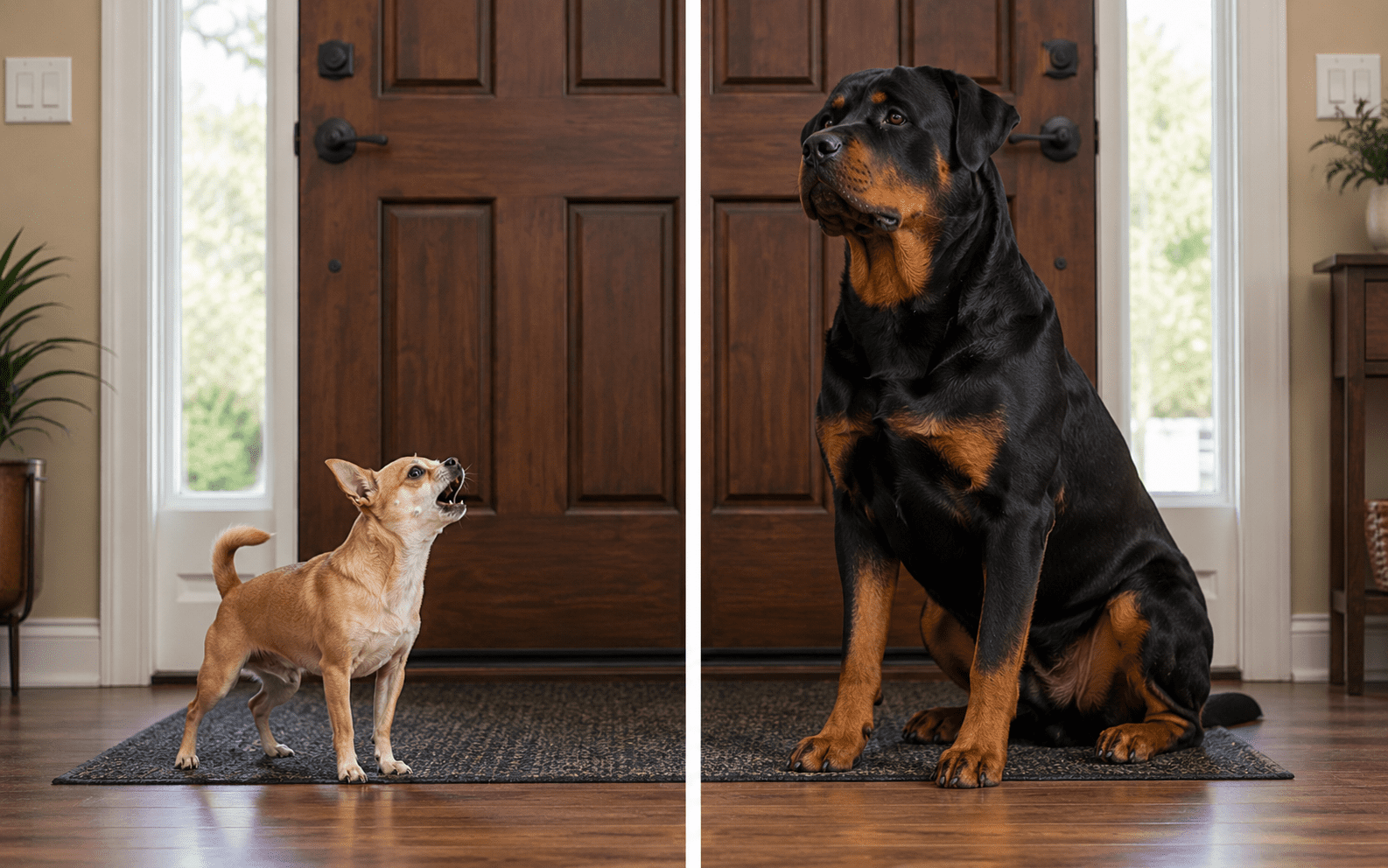
A watchdog barks to alert you. That’s it. A small terrier or a Beagle can do that job well. They notice things and make noise, but they’re not going to physically stop anyone.
A guard dog goes further. These dogs are trained or naturally inclined to respond to a real threat physically if needed. That’s a different level of responsibility. It also means different training requirements, different legal considerations, and a stronger commitment to socialization from day one.
If all you want is something that alerts you to strangers, a watchdog might be enough. If you want genuine home protection, what are good guard dog breeds becomes a much more serious question with more specific answers.
| Type | Main Function | Training Required | Example Breeds |
| Watchdog | Alert and alarm | Basic obedience | Beagle, Terrier, Chihuahua |
| Guard Dog | Deter and protect | Advanced and ongoing | Rottweiler, German Shepherd, Doberman |
The Training Side Nobody Talks About Enough
Owning a guard dog breed without proper training is one of the most common mistakes people make. The breed’s natural drive is just potential. Training is what turns it into something reliable.
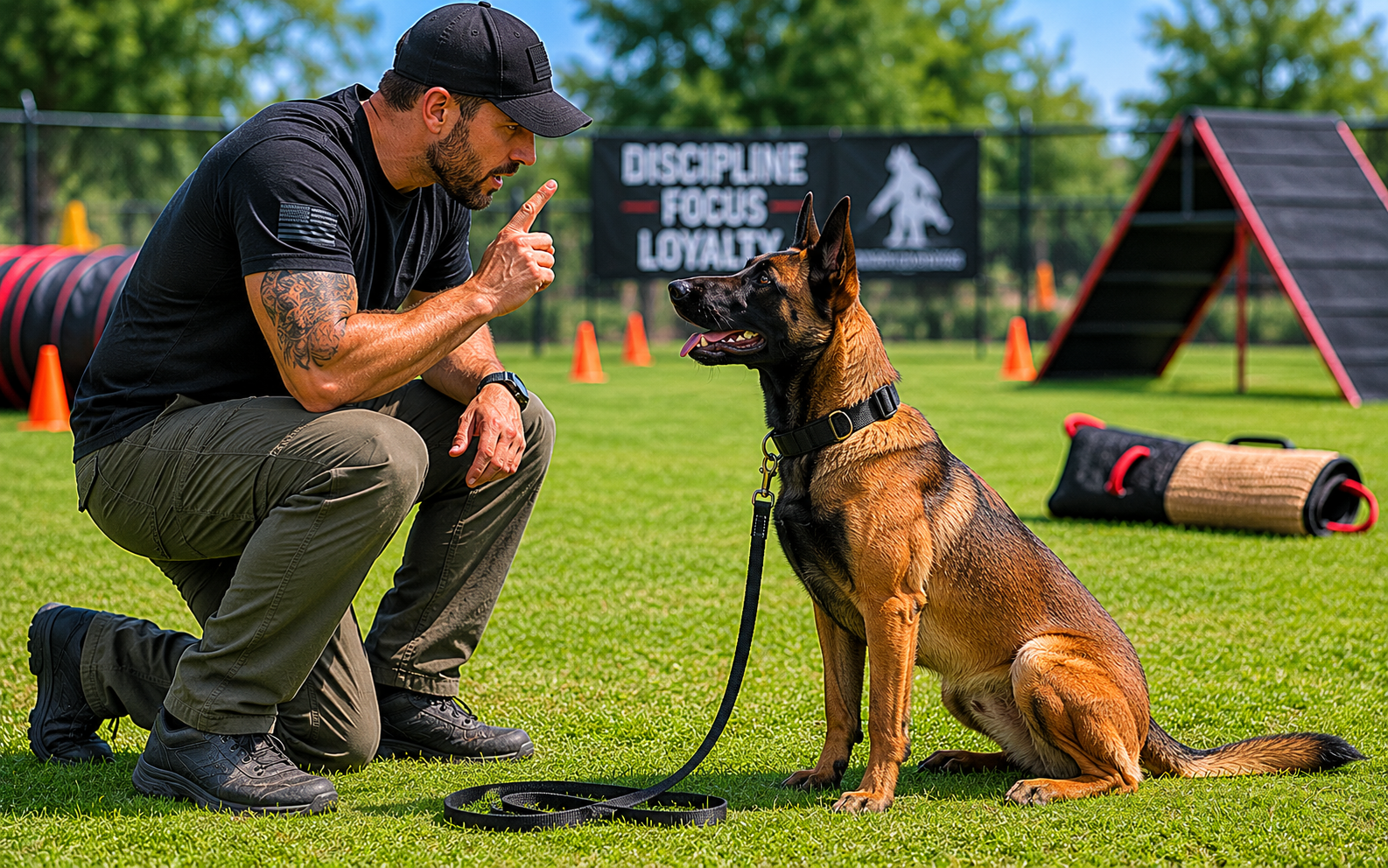
Early socialization is where it starts. Puppies from protective breeds need positive exposure to strangers, other animals, different environments, and unpredictable situations before 14 weeks. Miss that window and you’re playing catch-up for years.
Impulse control separates a reliable guard dog from a reactive one. You want a dog that can be called off, that doesn’t overreact to everyday triggers, and that stays steady until there’s a real reason to act.
For owners who don’t know where to start, in home dog training Long Island lets a trainer work directly in the environment where guarding behavior matters most.
For faster results with a more intensive structure, board and train Long Island puts your dog in consistent daily training with experienced handlers who understand working and protection breeds.
When Guard Dog Instincts Become a Problem
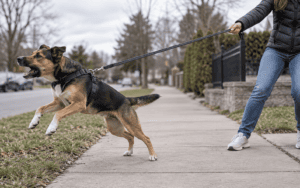
Protective instincts can turn into a real issue when a dog doesn’t have enough training, exercise, or mental stimulation. Signs you’re heading in the wrong direction include:
- Growling or lunging at guests without a clear trigger
- Resource guarding that keeps getting worse
- Overreacting to sounds or movement outside the home
- Ignoring commands when excited or aroused
These aren’t signs of a good guard dog. They’re signs of a dog that needs more structure. Most of these behaviors are addressable with consistent obedience dog training that builds the kind of foundation every protective breed actually needs.
The Real Answer to What Are Good Guard Dog Breeds
The breeds that consistently earn that title — German Shepherds, Rottweilers, Dobermans, Cane Corsos, Belgian Malinois, and Akitas — share the same combination of drive, loyalty, and trainability. What separates a reliable guard dog from a liability is almost always the owner’s commitment to training and socialization from the start.
At K9 Mania Dog Training, we’re the leading board and train provider on Long Island, with experienced animal behaviorists who work with guard dog breeds and complex behavior cases every day. Whether you’re starting with a new puppy or dealing with an existing behavior problem, we’re here to help. Trust K9 Mania Dog Training to give your dog the structure it needs to be safe, confident, and truly dependable. Reach out today.
You May Also Want to Read
How to Train a Blue Heeler Dog
How to Train a Dog on an Invisible Fence
How to Train Your Dog to Be a Comfort Dog
Frequently Asked Questions: What Are Good Guard Dog Breeds
What is a guard dog breed?
A guard dog breed is a dog developed specifically to protect people, property, or both.
These dogs carry stronger territorial instincts, higher confidence around strangers, and more physical presence than most companion breeds. They’re not just reactive to noise. They’re capable of responding to a genuine threat when needed. Guarding traits vary widely between breeds, which is why training and socialization play such a large role in how those instincts actually show up.
What is the #1 best guard dog breed?
The German Shepherd is widely considered the top overall guard dog breed.
Their combination of intelligence, trainability, loyalty, and athleticism makes them the first choice for police, military, and personal protection trainers worldwide. They bond deeply with their families, respond well to consistent training, and stay alert without being hair-trigger reactive. For most households, they hit the best balance of protection and livability when trained properly.
What words do dogs hear best?
Dogs respond most reliably to short, clear, single-syllable commands.
Words like “sit,” “stay,” “come,” and “no” are easy for dogs to distinguish because of their distinct sound patterns. Dogs respond to tone and consistency as much as word choice, but keeping commands brief and repeatable speeds up learning. Longer phrases tend to blur together, which slows response time and creates confusion during training sessions.
What dog breed is best for protection?
For personal protection specifically, the Doberman Pinscher and Belgian Malinois lead the field.
Both were developed for protection work and carry the speed, drive, and trainability that serious roles demand. The Doberman works better in family environments with experienced owners. The Malinois is better suited to working roles or highly experienced handlers. Both require structured, ongoing training to keep their drives channeled appropriately.
Which dog is best for home defense?
The Rottweiler and Cane Corso are two of the strongest choices for home defense.
Both breeds have deep territorial instincts, significant physical presence, and calm temperaments inside the home. They’re not reactive without cause, but they take their protective role seriously when something changes. Either breed needs early socialization and consistent training to stay manageable around guests and family members over time.
Which dog is best for house protection?
The German Shepherd is the most well-rounded option for house protection across different living situations.
They’re large enough to deter threats, smart enough to read situations accurately, and trainable enough to follow commands reliably under pressure. They work across different home types and respond well to structured training. Their protective instincts are strong without being reactive, which makes them safer and easier to live with day to day than some of the more intense protection breeds.