

Knowing how to train a border collie dog starts with understanding that this breed runs on work, structure, and mental challenge more than almost any other dog. The most effective approach combines positive reinforcement, early socialization, and daily mental stimulation to build a focused, obedient companion.
Border Collies aren’t a set-it-and-forget-it breed. They’re energetic, highly driven, and intensely focused dogs that thrive with purpose and daily challenge. Get the approach right and you’ll have one of the most impressive companions around. Get it wrong and you’ll be dealing with obsessive, destructive, and reactive behaviors that get harder to correct over time.
Why Border Collies Require a Specialized Training Approach
Most dog training principles apply broadly across breeds, but how you apply them matters enormously with a Border Collie. This breed was developed over generations to work livestock independently across long distances, reading subtle movements and making split-second decisions without waiting for handler commands.
That independence is part of what makes them fascinating and part of what makes them challenging. A Border Collie that isn’t given a proper job will create one, and their self-assigned jobs are rarely things you’ll appreciate. Obsessive tail chasing, staring at moving objects for extended periods, herding family members, and excessive barking are all signs of a dog running its own program because no one set one for them first.
Border Collies consistently rank among the most trainable dog breeds, but trainability means potential, not ease. Realizing that potential takes a handler who understands the breed’s instincts and can stay consistent under pressure.
The Herding Instinct Shapes Everything
Even a Border Collie that has never seen a sheep carries the herding instinct in every interaction. They stalk, freeze, crouch, and chase. You’ll see it directed at kids running in the yard, cyclists on the street, and other pets moving through the house.
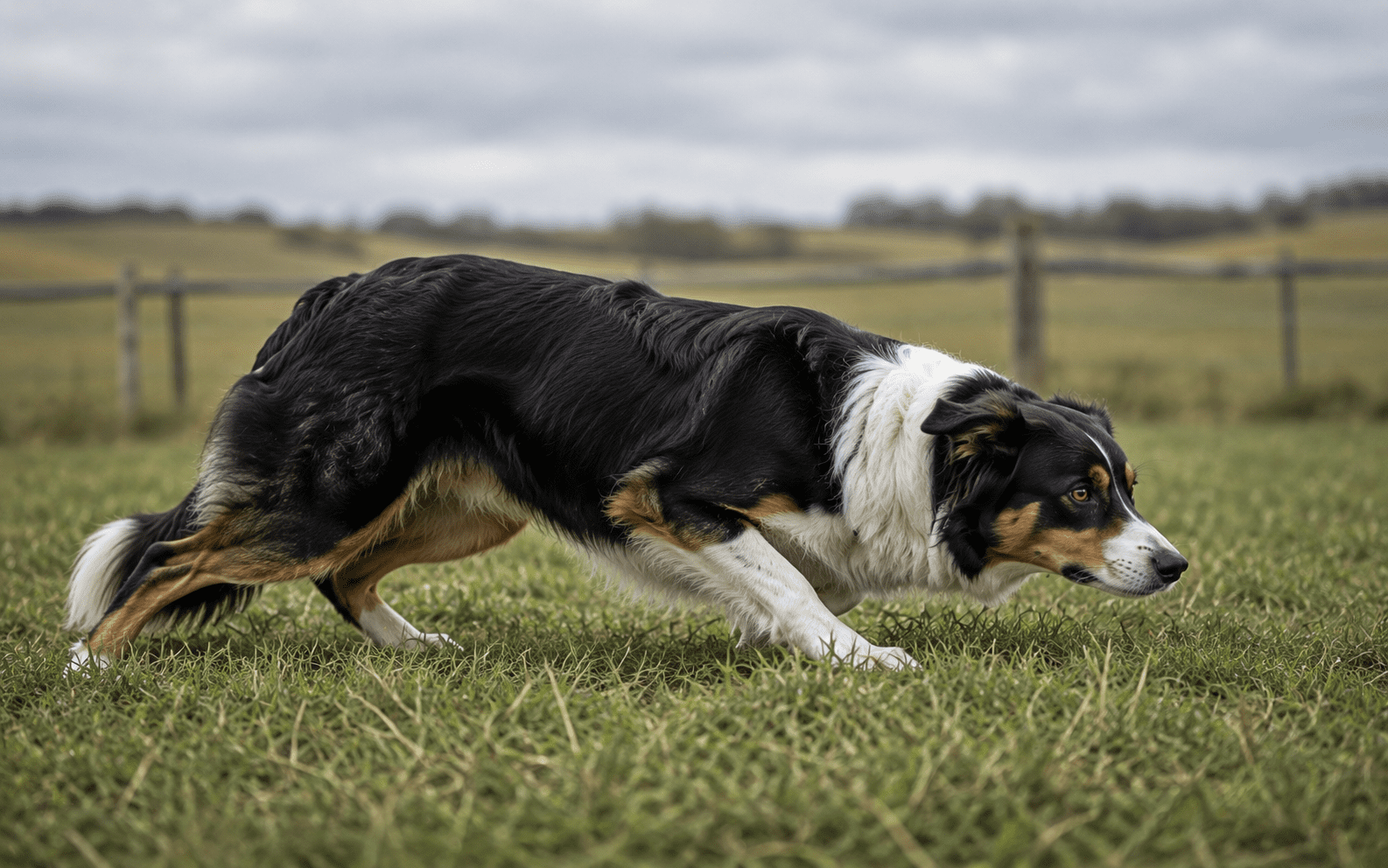
This behavior isn’t aggression in most cases. Treating it as such leads to corrections that confuse the dog without fixing the problem. Redirecting the instinct into sanctioned outlets like fetch, agility, frisbee, or actual herding activities is far more effective than punishing what the dog can’t help but feel driven to do.
What Do You Need Before You Start Training a Border Collie?
Before you work on commands, you need a solid foundation in place. That foundation is socialization, impulse control, and a clear communication framework your dog understands and trusts. Skip this step and even the smartest Border Collie will have gaps in their behavior that commands alone can’t fix.
Early Socialization Creates a Stable Dog
The window between 3 and 16 weeks of age is when a puppy’s brain is most receptive to new experiences. Border Collie puppies that get broad, positive exposure during this period tend to be calmer, more adaptable, and less reactive as adults.
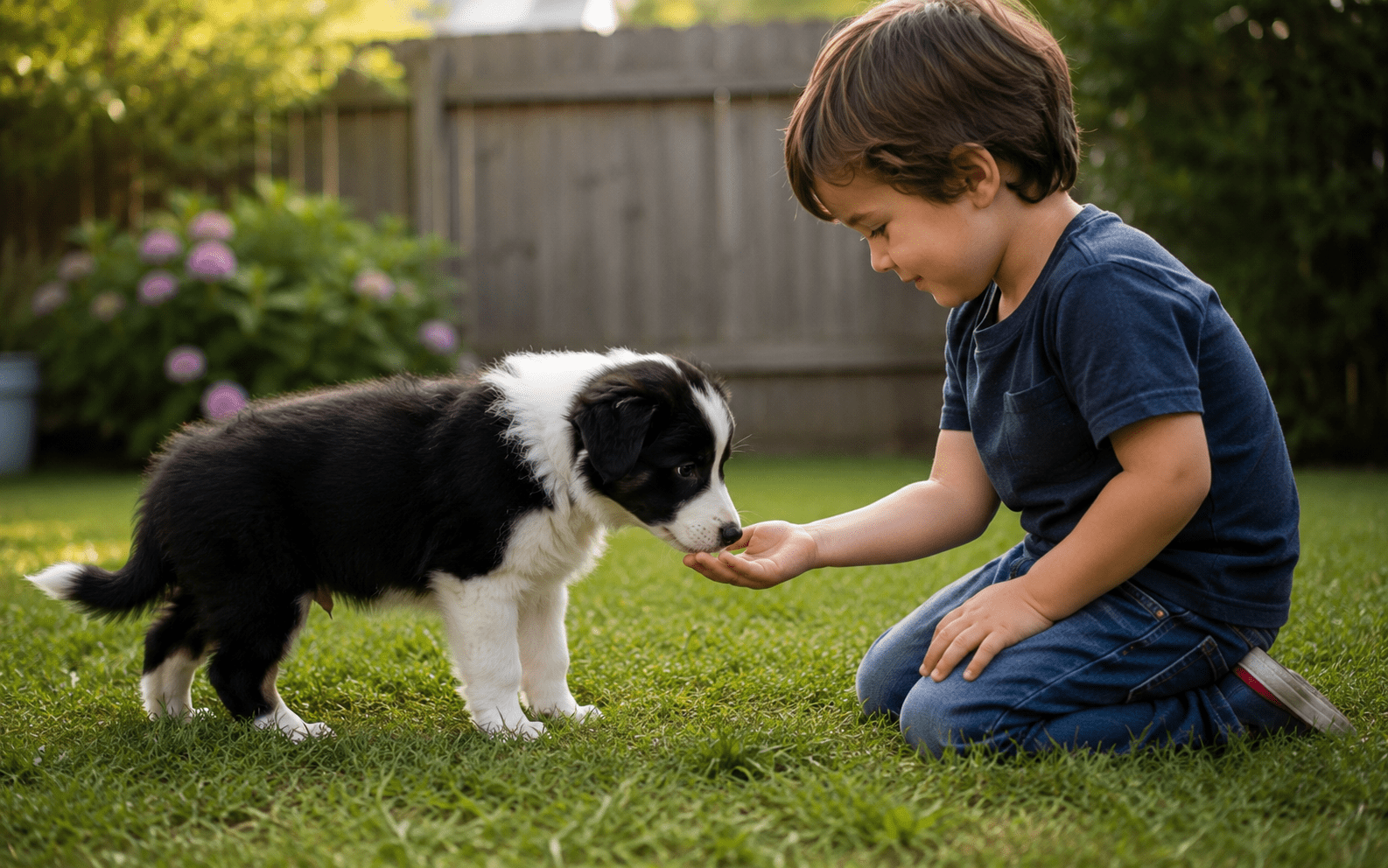
Socialization during this window should include:
- Positive experiences with different types of people, including children, elderly individuals, and people wearing hats or uniforms
- Interactions with calm, vaccinated adult dogs that model appropriate social behavior
- Exposure to different environments like busy streets, parks, and dog-friendly stores
- Household sounds including vacuums, crates opening and closing, and traffic noise
- Gentle handling of paws, ears, mouth, and tail to prepare for grooming and veterinary care
If you’ve adopted an adult Border Collie with gaps in their early exposure, in home dog training Long Island works directly inside your dog’s actual environment to address fear triggers and reactivity where they actually occur.
Impulse Control Is the Gateway Skill
Border Collies process information and make decisions faster than most breeds. Without impulse control built in early, that speed turns into reactive, compulsive behavior. Teaching “wait,” “leave it,” and “stay” from the start gives you a way to interrupt their instinct before it becomes a habit they’ve practiced for months.
These commands also build frustration tolerance, which matters enormously for a breed prone to fixation. A dog that can pause, check in with you, and wait for your signal is a dog you can safely manage in real-world situations outside your home.
Core Methods That Work for This Breed
Knowing how to train a border collie dog means knowing which techniques produce lasting results with this specific temperament and which ones backfire in ways that are hard to undo.
| Training Method | How It Works | Effective for Border Collies? | Why or Why Not |
| Positive Reinforcement | Rewards correct behavior with treats, praise, or play | Yes, highly effective | Engages their intelligence and turns training into a game they want to play |
| Clicker Training | Marks the exact moment of correct behavior with a click sound | Yes, highly effective | Precision timing matches their fast learning pace perfectly |
| Lure and Reward | Uses food to guide the dog into position | Yes, for introducing new behaviors | Clear and low-pressure way to teach without confusion |
| Dominance-Based Methods | Uses pressure and corrections to establish control | No | Creates anxiety and shutdown in sensitive, high-drive breeds |
| Punishment-Only Corrections | Corrects without teaching what the right behavior is | No | Increases fear and reactivity without building replacement skills |
Keep training sessions between five and ten minutes but run several of them throughout the day. Long sessions cause mental fatigue and a mentally tired Border Collie starts making mistakes, not progress. Varying commands and the environments you practice in builds a more adaptable dog than drilling the same routine in the same backyard every afternoon.
Mental Stimulation Is Not Optional
Physical exercise alone doesn’t satisfy a Border Collie. A dog that runs five miles and comes home to nothing mentally engaging will still find trouble. Mental stimulation directly reduces the obsessive, compulsive behaviors this breed is prone to developing when their minds go unchallenged.
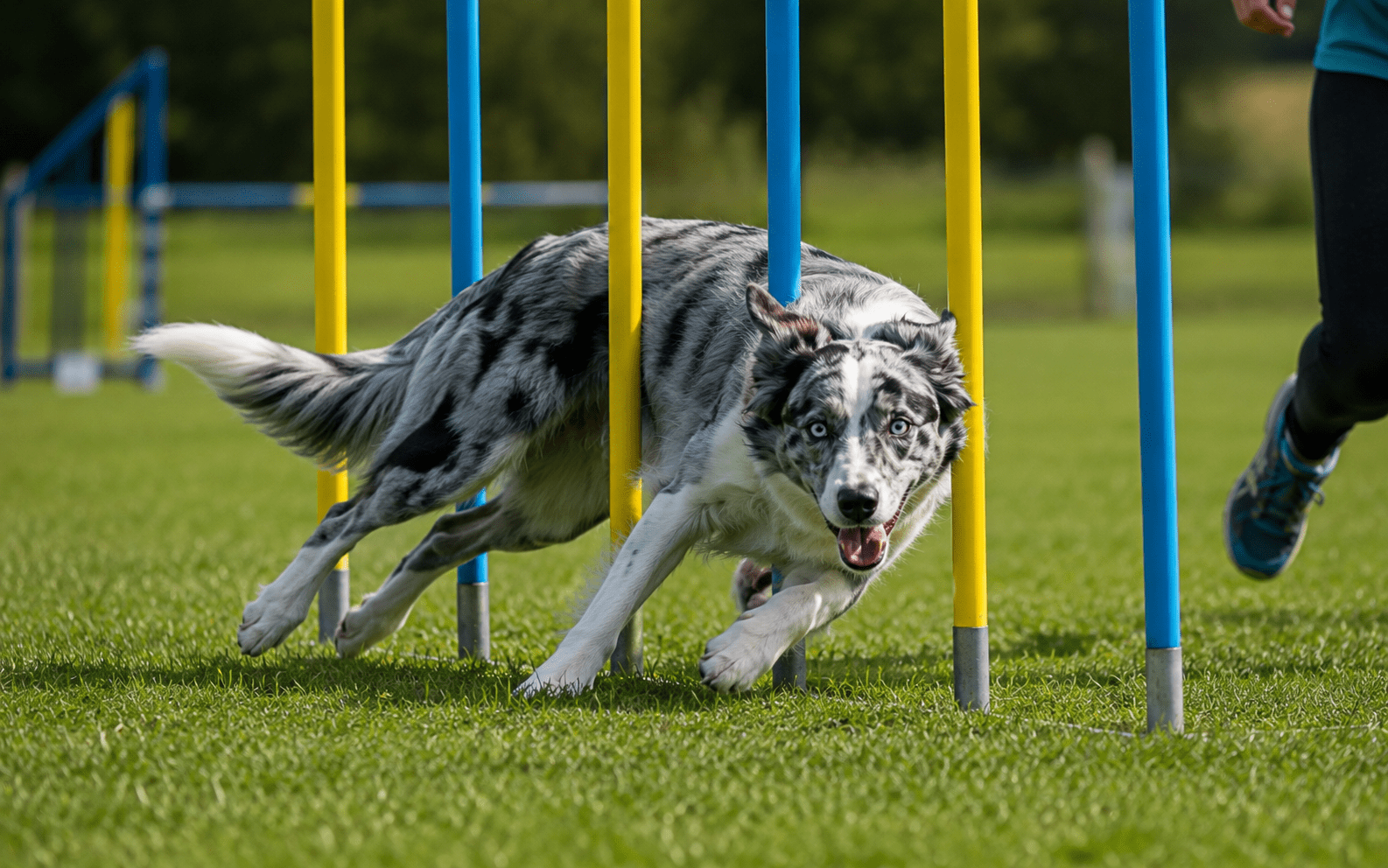
Good daily enrichment options include puzzle feeders at mealtimes, nose work games around the house, teaching new tricks consistently, hiding toys or treats for your dog to locate, and dog sports like agility or flyball. If you’re unsure what’s fueling your dog’s intensity, understanding prey drive in dogs helps you identify what you’re working with and how to redirect it constructively.
Common Behavior Problems and What They Actually Signal
Border Collies don’t develop problems randomly. Each issue connects to an unmet need or a clear gap in training. Here’s how the most common challenges break down and what actually moves the needle:
| Behavior | Root Cause | What Makes It Worse | What Actually Helps |
| Herding children or pets | Redirected herding instinct without an approved outlet | Punishing without providing a replacement behavior | Teaching “leave it,” providing structured chase activities like fetch |
| Obsessive staring or chasing | High prey drive, understimulated mind | Ignoring it until it escalates into habit | Impulse control training, structured high-drive outlets |
| Excessive barking | Boredom, anxiety, or alerting instinct | Giving attention or yelling during the behavior | Identifying triggers, gradual desensitization, rewarding quiet |
| Destructive chewing | Under-exercised, anxious, or understimulated | Confining without addressing the underlying cause | Increasing both physical and mental enrichment daily |
| Leash reactivity | Poor early socialization, high baseline arousal | Harsh corrections or exposing to full triggers too fast | Threshold-based desensitization paired with consistent positive rewards |
Reviewing top things to teach dogs gives you a practical starting point for the commands and household manners that prevent many of these issues before they have a chance to take root.
Consistency Across the Entire Household
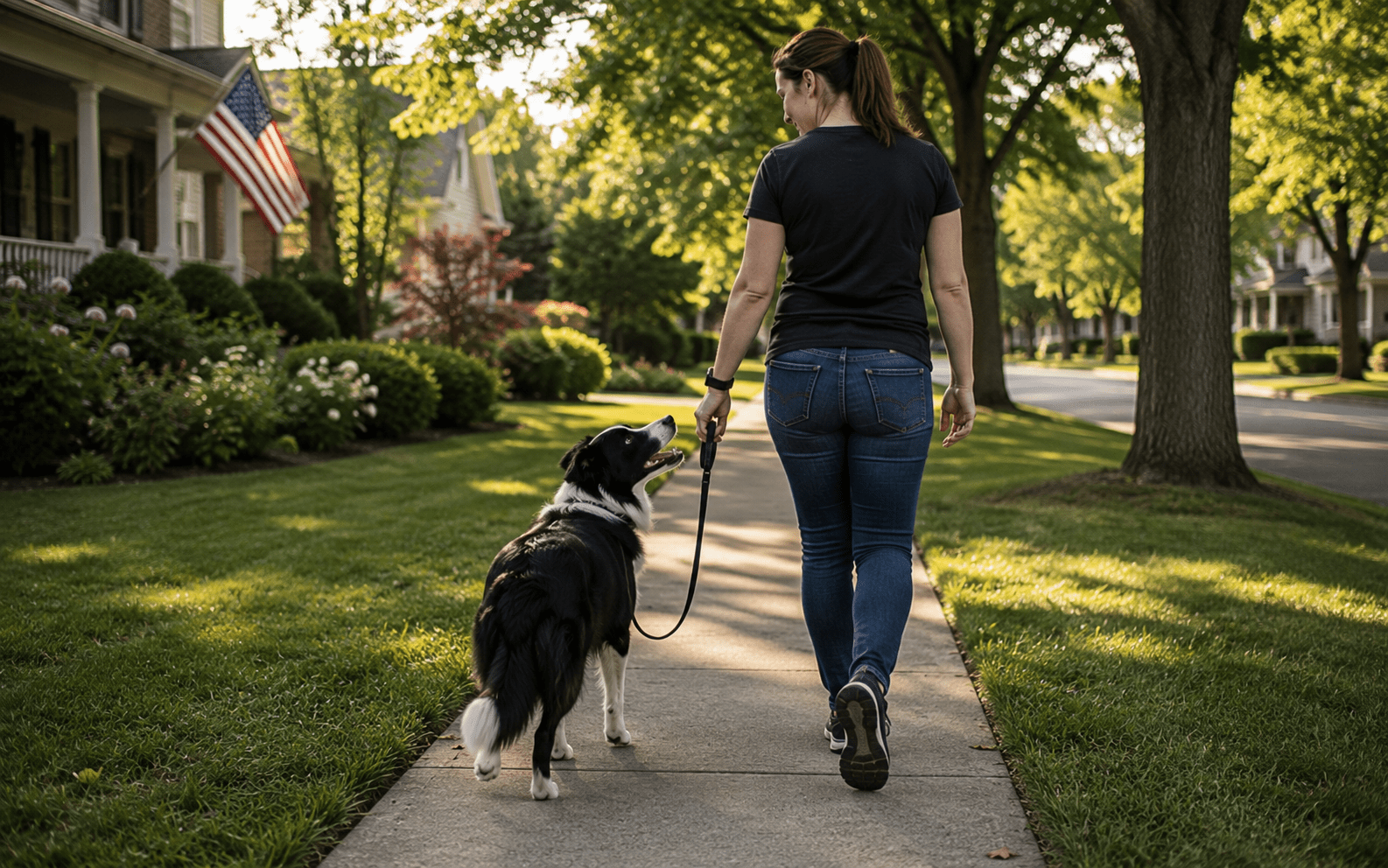
Border Collies are smart enough to read every person in your home differently. If one person enforces rules and another doesn’t, the dog doesn’t become confused about who’s in charge. They simply adjust behavior based on who’s present. That’s not a training success. That’s a dog working the situation to their own advantage.
Every person in the household applies the same rules every time. Mixed messages don’t teach a dog anything except that rules are negotiable when the right person isn’t watching.
When Professional Support Makes More Sense Than Going It Alone
Some Border Collie owners hit a wall where progress stalls or behavior escalates despite consistent effort. That’s the signal to bring in professional support, not a sign that you’ve failed as an owner.
Reach out for expert help when you notice aggression toward people or other animals that’s getting worse despite your efforts, obsessive behaviors that interfere with daily functioning, reactivity on leash that you can’t safely manage, or regression after initial training progress.
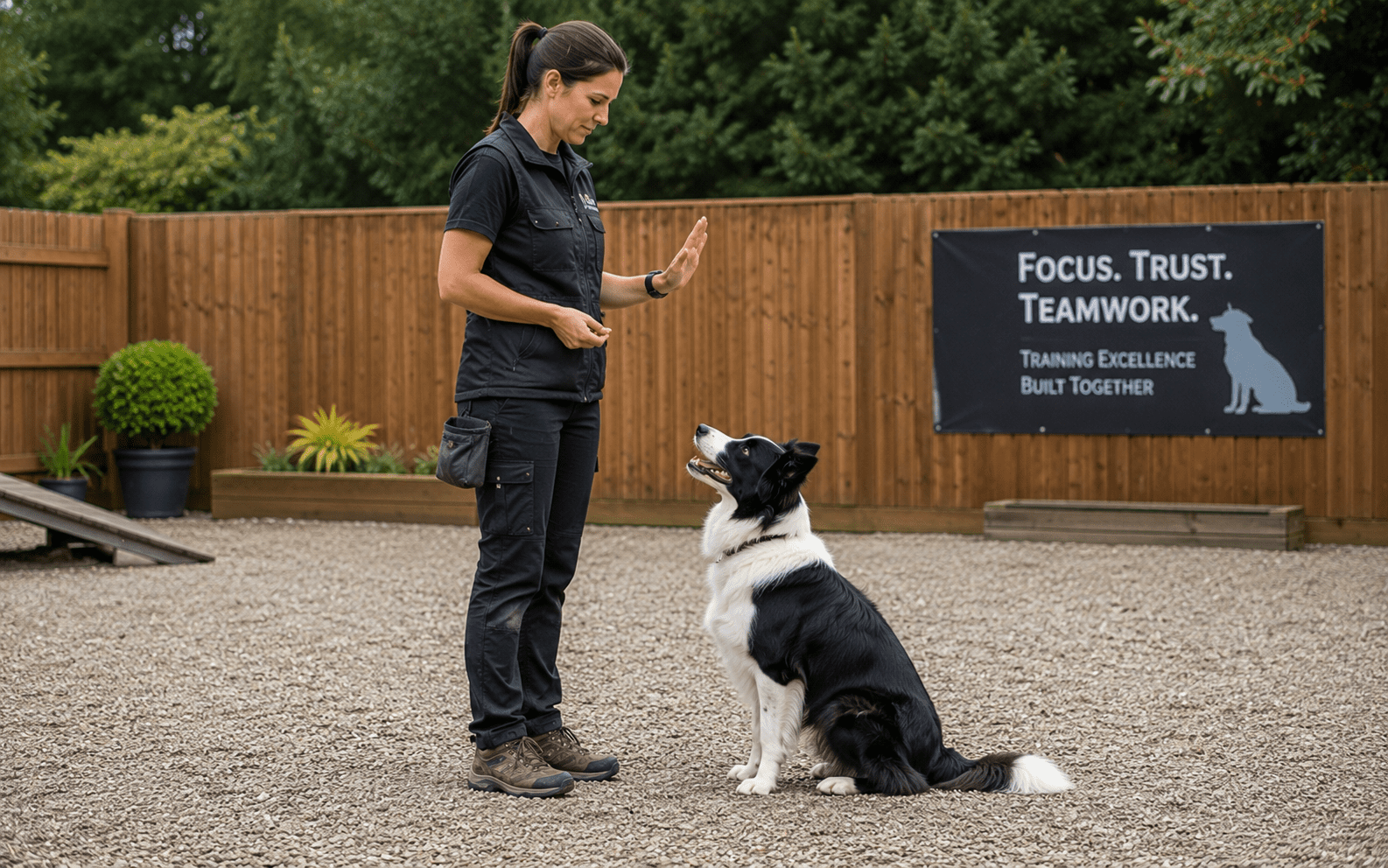
Private dog training Long Island gives you personalized, one-on-one sessions built around your specific dog’s temperament, history, and training gaps. For dogs with serious behavioral issues or owners with demanding schedules, board and train Long Island provides intensive, structured intervention in a professional environment where progress compounds day after day.
The earlier you bring in professional support, the faster and cleaner the results. Behavioral issues that sit untreated for years are significantly harder to correct than ones addressed at six or seven months old.
Training a Border Collie Dog the Right Way Takes More Than Commands
Knowing how to train a border collie dog is about committing to the full picture: daily vigorous exercise, ongoing mental challenge, consistent rules that everyone in the household enforces, and positive reinforcement that keeps your dog genuinely engaged and willing to work with you.
This breed’s intelligence is a gift when it’s properly directed. Done right, a Border Collie becomes one of the most responsive, impressive, and rewarding dogs you will ever own.
At K9 Mania Dog Training, we’re Long Island’s leading board and train facility with the best animal behaviorists working hands-on with dogs every day. Whether your Border Collie is struggling with reactivity, obsessive behaviors, or basic obedience gaps, we have the experience and structure to help you get real results. No behavior challenge is too complex for our team. Trust K9 Mania Dog Training to guide you through every step so you can enjoy the companion your dog is fully capable of becoming.
You May Also Want to Read
How to Train a Belgian Malinois Dog
How to Train a Jack Russell Dog
Frequently Asked Questions About Training a Border Collie Dog
Are Border Collies difficult to train?
Border Collies are not difficult to train when the right methods are used consistently. They’re one of the fastest-learning breeds available, capable of picking up new commands in just a few repetitions when motivation is in place. The challenge isn’t getting them to learn. It’s keeping up with their need for variety, mental challenge, and ongoing engagement. A bored Border Collie will find their own entertainment, and that’s where most training problems begin.
What is the most difficult age for a Border Collie?
The adolescent stage between six and eighteen months tends to be the most challenging period for this breed. Hormones increase, impulse control decreases, and previously learned behaviors can seem to disappear overnight. Many owners describe their dog as suddenly forgetting everything they once knew. Staying consistent with training during this phase rather than pulling back is what determines whether good habits stick or fall apart entirely.
Where should a Border Collie sleep at night?
A Border Collie should sleep in a consistent, designated spot that supports their sense of routine and security. Whether that’s a crate, a dog bed in your room, or a specific area of the house depends on your setup and what your dog is comfortable with. Crate training done correctly creates a space the dog actively chooses rather than tolerates. What matters most is that the sleeping arrangement stays consistent and doesn’t become a source of anxiety.
What not to do with a Border Collie?
Avoid harsh corrections, inconsistent rules, and leaving this breed without adequate daily exercise. Punishment-based training often creates anxiety and worsens reactive or compulsive behaviors rather than fixing them. Leaving a Border Collie with nothing mentally stimulating to do for long stretches almost always results in destructive habits developing. Unstructured dog park visits are also risky before solid socialization work is in place, since this breed’s herding behavior frequently triggers conflict with other dogs.
Do Border Collies like being alone?
Border Collies generally do not tolerate being alone well, especially without conditioning from an early age. They form strong bonds with their people and can develop separation anxiety when left alone for extended periods without a structured plan to build independence. Teaching independence gradually through crate training, enrichment toys during departures, and desensitization to your leaving routine helps significantly. Dogs with severe separation anxiety benefit from working with a professional who can build an individualized independence training plan from the ground up.