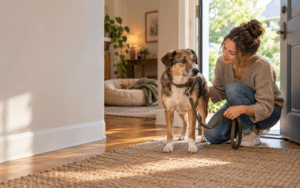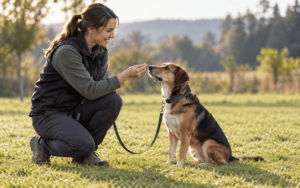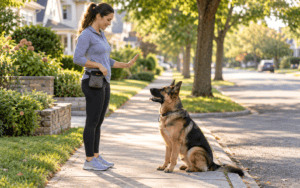
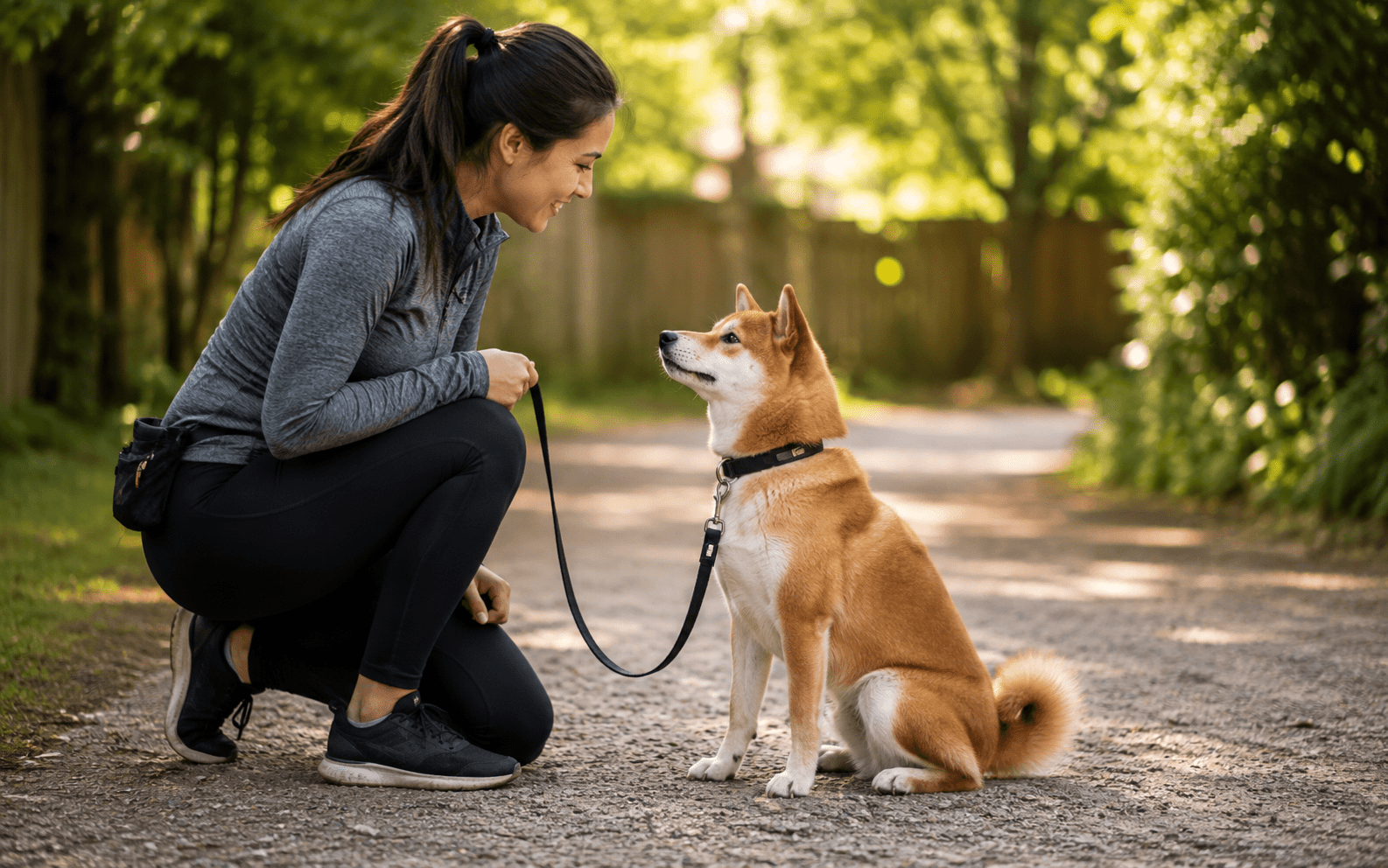
Shiba Inus are intelligent, loyal, and notoriously strong-willed, which means training them requires a specific approach that respects their independent nature while establishing clear boundaries. If you want to know how to train a Shiba Inu successfully, the short answer is: use high-value rewards, short sessions, calm consistency, and never rely on force or repetition alone.
Key Takeaways
- Shiba Inus respond best to positive reinforcement with high-value treats, not punishment or harsh corrections.
- Training sessions should be kept short (5 to 10 minutes) to match the breed’s low tolerance for repetition.
- Early socialization between 8 and 16 weeks is critical and directly impacts lifelong behavior.
- Recall training is the single most important skill to develop in a Shiba Inu, given their strong prey drive.
- Professional support, whether in-home, private, or board-and-train, can make a measurable difference with this breed.
- Consistency from every person in the household is non-negotiable for lasting results.
Why Shiba Inus Are Uniquely Challenging to Train
Shiba Inus were bred in Japan as hunting dogs, and that history shapes everything about how they think and behave. Unlike breeds developed for close human cooperation, such as Border Collies or Labrador Retrievers, Shibas were designed to work independently in dense terrain. That independence is hardwired, and it means your dog is constantly weighing whether following your instruction is worth the effort.
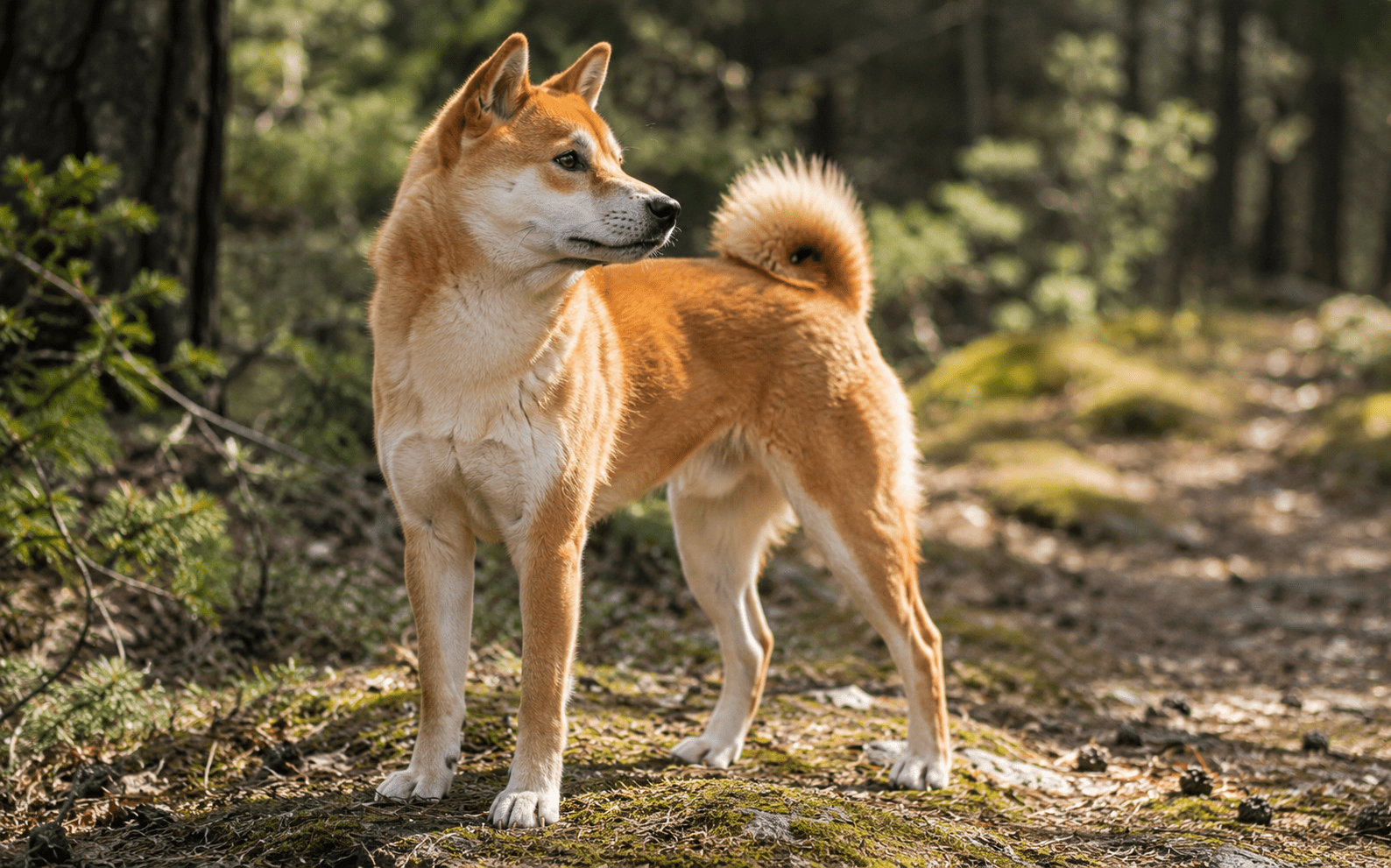
This is not defiance in the way people often assume. It is a cognitive style. Shiba Inus are highly aware of cause and effect, which actually makes them trainable, but only when the reward genuinely motivates them. A piece of dry kibble is unlikely to cut it. Freeze-dried chicken, small bits of cheese, or salmon treats tend to produce far better engagement.
The breed is also known for what many owners describe as “the Shiba scream,” a dramatic, high-pitched vocalization that occurs during restraint or situations the dog finds uncomfortable. If you encounter this early in training, do not back down out of concern for the noise. Calmly continue, reward the moment the dog settles, and move on. Backing away teaches the dog that screaming works.
Common Shiba Inu Behavioral Traits to Account For:
- Strong prey drive, meaning they will chase squirrels, birds, and other animals without warning
- Resource guarding around food, toys, or resting spots
- Low tolerance for repetitive commands or drills
- Selective hearing, especially in high-distraction environments
- Tendency to test boundaries with new or inconsistent handlers
Understanding these traits is not a reason for frustration. It is your starting point. If you want to know how to train a stubborn dog, much of that advice applies directly to Shibas, since their resistance often looks identical to stubbornness even when it comes from independence.
The Foundation: What to Teach First and When
Timing is everything with Shiba Inus. The socialization window between 8 and 16 weeks of age is when your puppy’s brain is most receptive to new experiences. Exposing your dog to different people, surfaces, sounds, and environments during this period dramatically reduces fear-based reactivity later.
If you adopt an adult Shiba, that window has passed, but it does not mean socialization stops mattering. It simply requires more patience and a slower introduction pace.
Priority Skills in Order:
- Name recognition: Your dog should look at you every time you say their name before you move on to anything else.
- Sit: The simplest command and a foundation for impulse control.
- Stay: Essential for safety, especially given the breed’s tendency to bolt.
- Leave it: Critical for a prey-driven dog that will pick up anything off the ground.
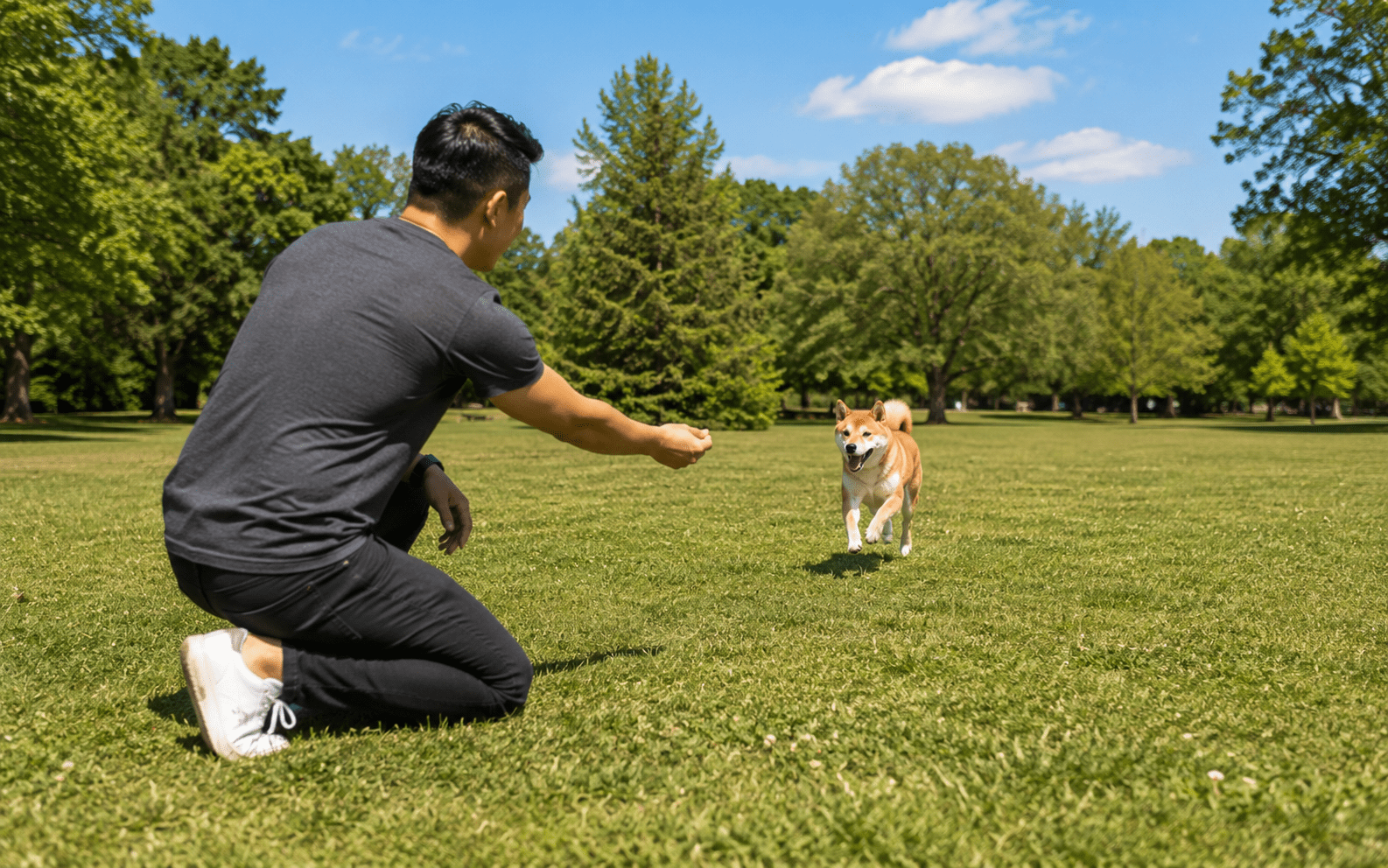
- Recall (come): Arguably the most important skill for a Shiba Inu owner to develop.
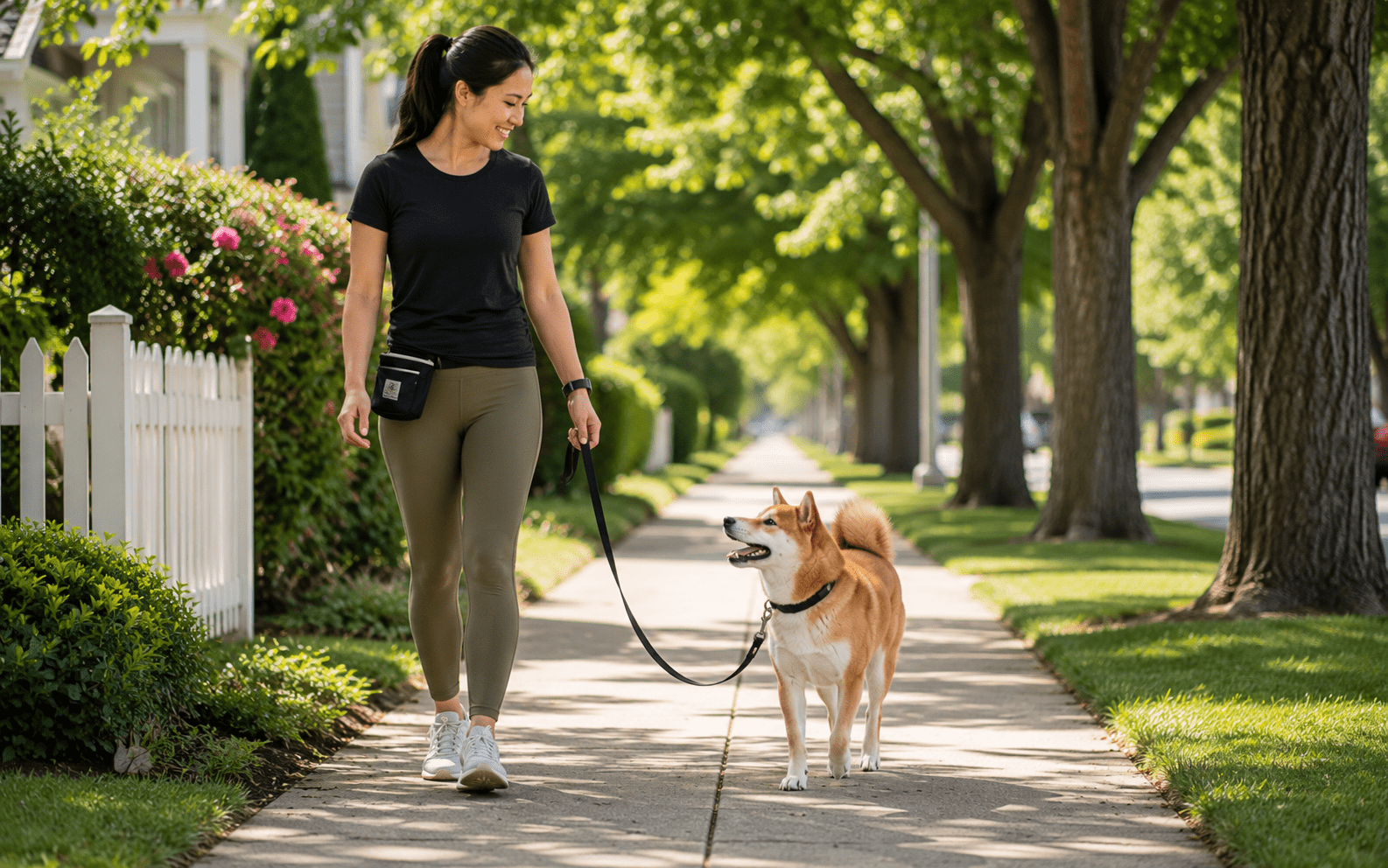
- Loose leash walking: Shibas can pull hard and redirect quickly, so early leash work pays dividends.
Recall training deserves its own emphasis, and understanding why do dogs run away will help you prevent this common challenge. Shiba Inus have a strong instinct to run, and an off-leash Shiba that does not have a reliable recall is a genuine safety risk. Always train recall with your highest-value reward, and never call your dog to come and then do something the dog dislikes, like bathing or nail trimming. That association teaches them that coming to you has negative consequences.
Training Methods That Work (and Which Ones Backfire)
Positive reinforcement is the most effective training method for Shiba Inus, and the research from organizations like the American Veterinary Society of Animal Behavior supports this across breeds. But there are specific ways to apply it with a Shiba that differ from more compliant breeds.
Keep sessions under 10 minutes. Shibas check out after repetition sets in. Five minutes of sharp focus beats 30 minutes of distracted, reluctant participation every time.
Capture good behavior. Rather than waiting for a perfect command response, reward your dog the moment they happen to do something desirable. Sit down on their own? Mark it with a “yes” and give a treat. This teaches them that good behavior pays, even unprompted.
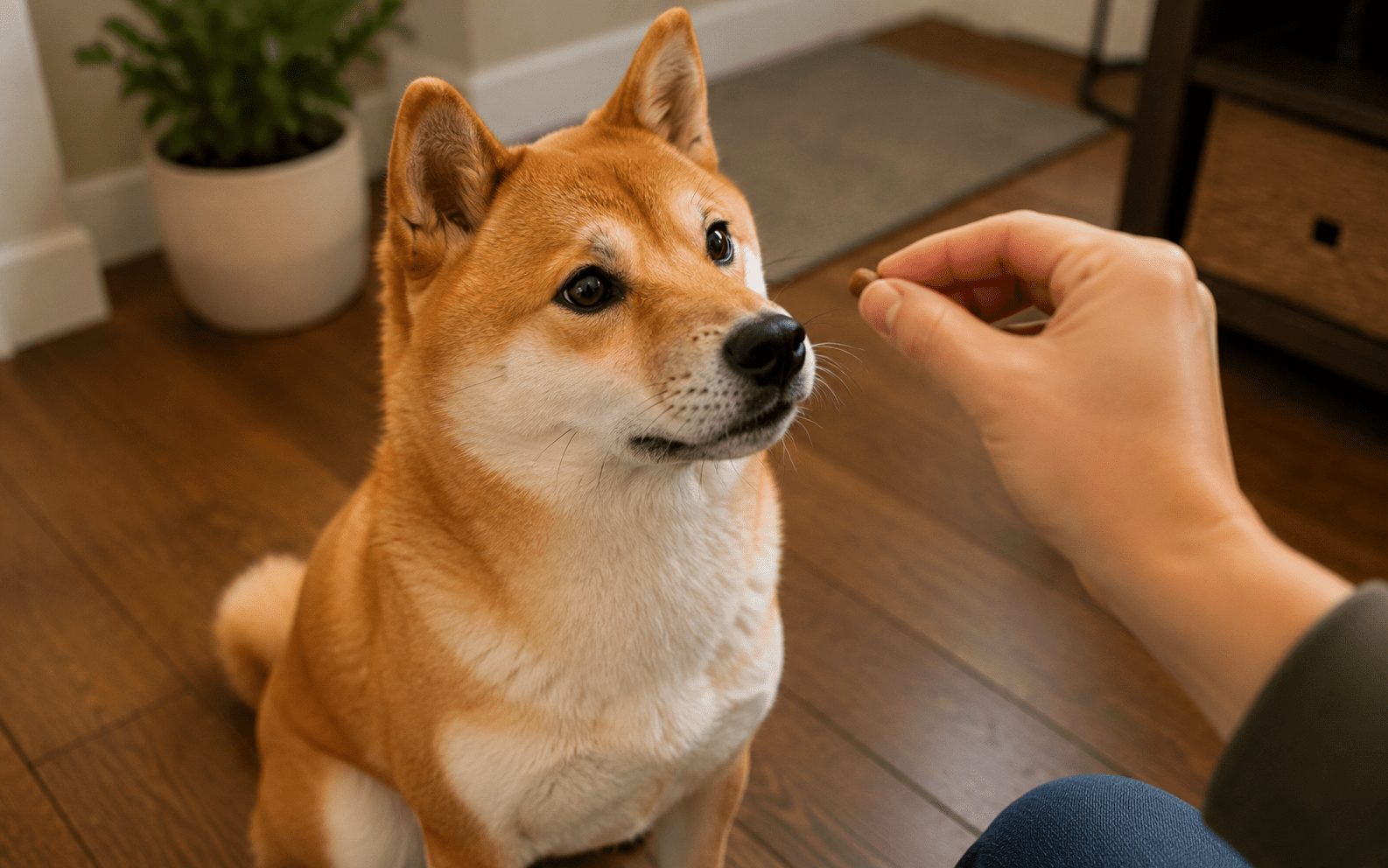
Use variable reinforcement once the behavior is reliable. Once your Shiba knows a command well, switch from rewarding every single repetition to rewarding randomly. This actually strengthens the behavior, because the dog never knows which response will earn the reward.
Avoid these common mistakes:
- Repeating a command multiple times when the dog does not respond. If you say “sit” five times before the dog complies, you have taught them that “sit” means nothing until the fifth repetition.
- Using punishment for slow responses. Shiba Inus do not respond well to frustration from their owners. It breaks trust and increases avoidance behavior.
- Training in the same location every time without adding distractions. Shibas need generalization practice, meaning they need to learn that “sit” in the kitchen is the same as “sit” at the park.
Barking is a separate challenge worth addressing early, and learning how to train a dog to stop barking gives you a practical framework that transfers well to this breed. Shiba Inus are not excessive barkers in the way some breeds are, but they can develop alert-barking habits if not managed early.
Comparing Training Approaches for Shiba Inus
Not every training format suits every owner or dog. Here is a breakdown of the most common options and how they stack up for the Shiba Inu specifically.
| Training Format | Best For | Shiba-Specific Advantage | Typical Cost Range |
| Group obedience class | Socialization + basic commands | Adds real-world distraction practice | $100-$250 for 6-week course |
| Private sessions | Targeted behavior issues | Trainer adapts to your dog’s personality | $75-$200 per session |
| In-home training | Context-specific behaviors | Works on real triggers in your home | $100-$250 per session |
| Board and train | Accelerated foundation building | Intensive immersion without daily owner errors | $1,500-$4,000 for 2-4 weeks |
| Self-directed (owner-led) | Maintaining trained behaviors | Low cost, strengthens bond | Time investment only |
For owners dealing with specific behavior issues at home, in home dog training long island is often the most efficient option because the trainer sees the actual environment where the problems are occurring. When the issue is resource guarding around the dog’s own food bowl or bolting out a specific door, replicating that context in a training facility is difficult.
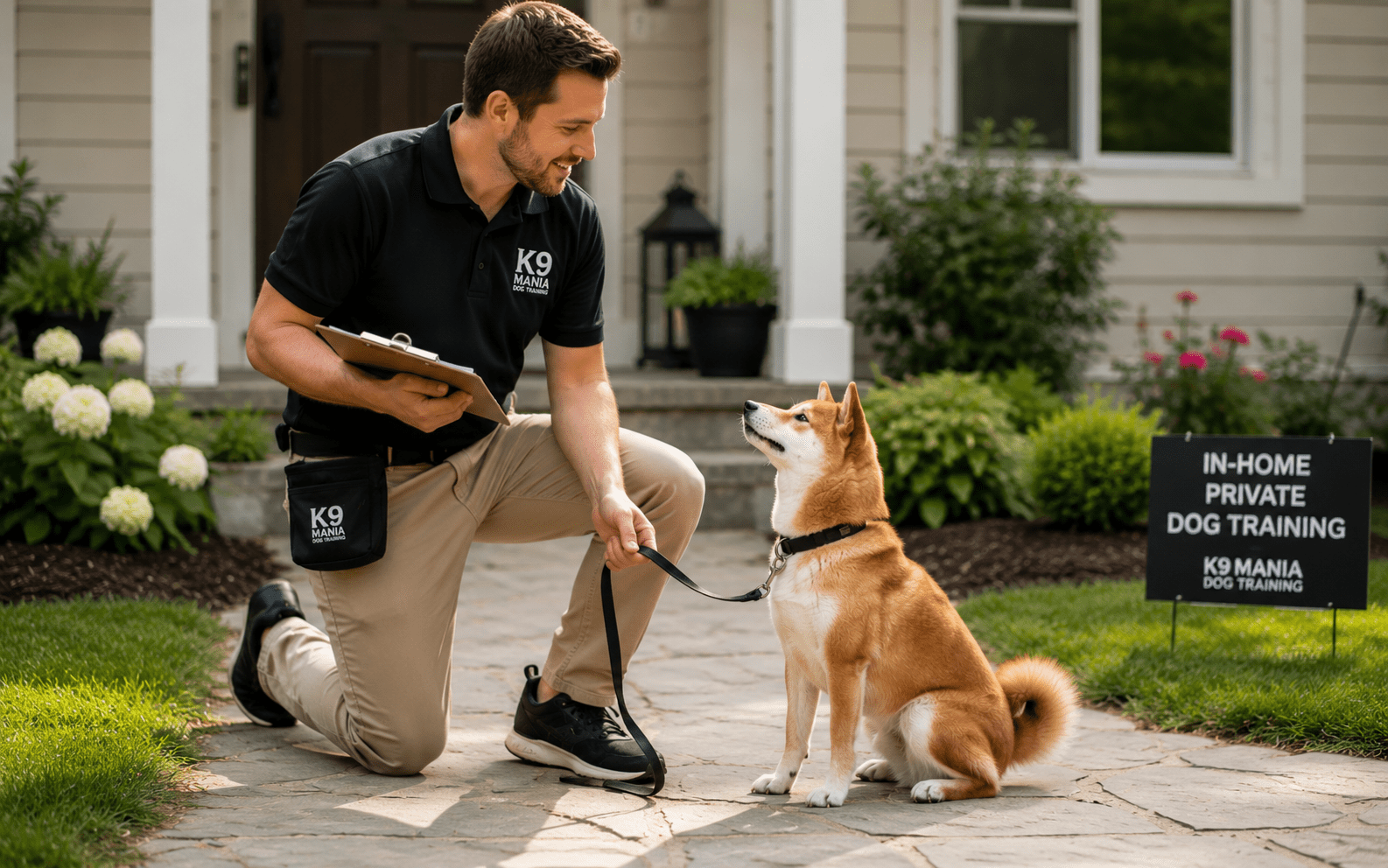
If you are looking for focused, one-on-one work without a group setting, private dog training long island allows the trainer to build a program specifically around your Shiba’s temperament and your household’s lifestyle.
For owners who want maximum results in the shortest timeframe, board and train long island can accelerate a Shiba’s foundation training significantly, particularly for puppies between 4 and 6 months old.
Things to Know
- Shiba Inus are not a breed that “mellows out” quickly. Many owners report that the dog’s personality and training needs change significantly around age 2, once full maturity sets in.
- The breed is prone to resource guarding, which can escalate if not addressed early using structured trade games (offer something better in exchange for what the dog has).
- Shiba Inus are escape artists. Recall training and secure fencing are not optional safety measures.
- Off-leash parks are a high-risk environment for most Shibas without extensive recall work first. Many trainers recommend skipping them entirely until recall is bombproof.
- Shibas are clean dogs by nature, which actually makes house training relatively straightforward compared to other breeds.
- Consistency across all household members matters more with Shibas than with most breeds. One person allowing the dog on furniture when others do not will create confusion and push back.
When to Bring in Professional Help
There is no shame in recognizing when a professional trainer will get you results faster and more safely than continuing to work through a problem alone. Shiba Inus, in particular, can develop ingrained habits quickly if early training inconsistencies go uncorrected.
Signs that professional help makes sense include: your dog’s recall is unreliable and they are regularly off-leash, resource guarding has escalated to growling or snapping, leash reactivity is making walks stressful, or basic obedience dog training fundamentals have stalled after several weeks of consistent effort at home.
A qualified trainer who has worked with the breed will understand the specific motivational profile of a Shiba and will not use cookie-cutter techniques designed for more biddable dogs.
Ready to Build a Shiba You Can Actually Trust Off-Leash?
Pick one skill this week and spend five focused minutes on it every day. If recall is your biggest concern, start there. Use your highest-value treat, go to a low-distraction environment, and practice at short distances before you add any space. Track your sessions, note what motivates your dog, and increase difficulty only when the current level is clean and reliable. Progress on one skill done right is worth more than scattered practice across five.
Read Related Articles
How Hard Are Bullmastiffs to Train
Frequently Asked Questions
At what age should I start training my Shiba Inu?
Training should begin the moment your Shiba Inu puppy comes home, typically around 8 weeks of age.
At this age, sessions should be extremely short (2 to 3 minutes) and focused on name recognition and basic engagement. The earlier you build a reward history with your puppy, the more trust and responsiveness you create before adolescence sets in around 6 to 9 months.
Can Shiba Inus ever be trusted off-leash?
Some Shiba Inus can be trusted off-leash in enclosed areas after extensive recall training, but it is never guaranteed with this breed.
Their prey drive and independent nature mean a squirrel or interesting scent can override even well-trained recall in the wrong conditions. Most trainers recommend always using a long line (20 to 30 feet) in unfenced outdoor spaces, regardless of training level.
Is crate training necessary for Shiba Inus?
Crate training is strongly recommended for Shiba Inus, especially in the first year.
It provides a safe space for the dog, prevents destructive behavior when unsupervised, and supports house training. Shiba Inus generally adapt well to crates when introduced gradually with positive associations rather than as punishment.
How do I deal with a Shiba Inu that refuses commands it already knows?
When a Shiba Inu ignores known commands, the most common cause is insufficient motivation, too much distraction, or a reward that no longer has value.
Go back to a low-distraction environment, upgrade the treat, and rebuild the behavior at a easier level before adding difficulty again. Avoid repeating the command, as this teaches the dog that waiting you out is an option.
Do Shiba Inus get along with other dogs, and does that affect training?
Shiba Inus can coexist peacefully with other dogs, but they are often selective and may show dominance or resource-guarding behaviors in group settings.
Early socialization and teaching a reliable “leave it” and “settle” command helps significantly. If your Shiba shows reactivity toward other dogs on leash, that is a separate issue that benefits most from working with a professional trainer one-on-one before attempting group classes.
The Bottom Line on How to Train a Shiba Inu
Knowing how to train a Shiba Inu comes down to respecting the breed’s nature while refusing to let that nature run the household. These dogs are not broken or badly behaved. They are simply wired differently, and they respond to handlers who are calm, consistent, and genuinely rewarding to work with.
Start with the fundamentals, keep your sessions short and positive, and address problem behaviors before they become habits. If you hit a wall, get professional help early rather than waiting for a small issue to grow into a bigger one. The effort you put in during the first year will determine what kind of companion your Shiba becomes for the next decade.