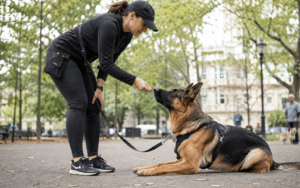
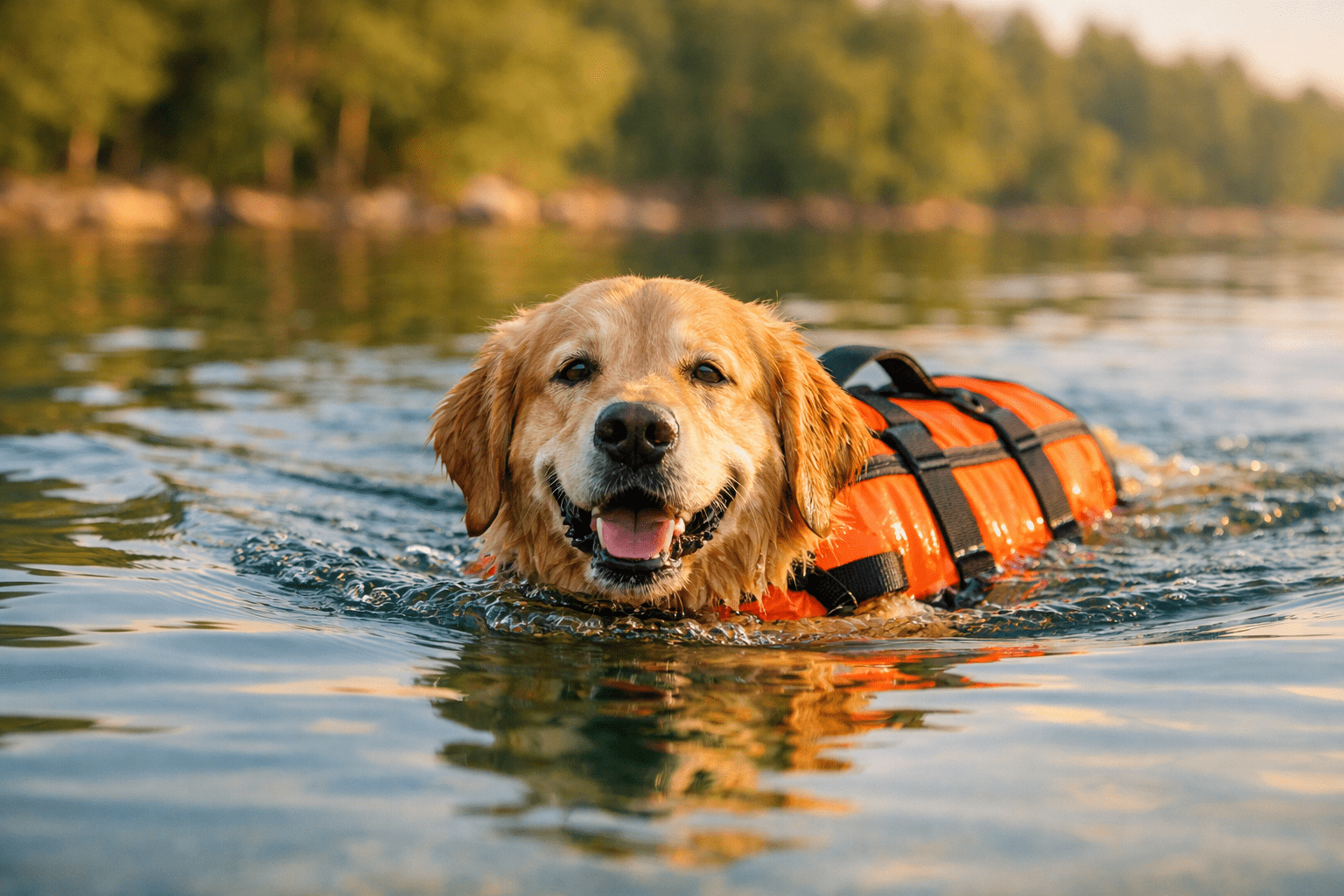
Teaching your dog to swim is easier than you think when you follow the right steps and use positive reinforcement. Start in shallow water, use treats and praise, and never force your dog into the water, patience and gradual exposure help most dogs become confident swimmers within a few sessions.
Not every dog takes to water naturally, and some breeds need more help than others. Whether you’re introducing your puppy to the pool or helping an older dog overcome their fear, this guide covers everything you need to know about how to teach a dog to swim safely and successfully.
Why Swimming Is Great for Dogs
Swimming isn’t just fun, it’s one of the healthiest exercises your dog can do. It works their whole body without putting stress on their joints, making it perfect for dogs recovering from injuries or those with arthritis.
Water activities also help burn off excess energy, which can reduce behavior problems at home. If your dog struggles with hyperactivity or leash pulling, adding swimming to their routine alongside private dog training Long Island can make a noticeable difference.
Physical and Mental Benefits
Swimming strengthens your dog’s muscles while giving their cardiovascular system a solid workout. Because water provides natural resistance, even a short swim session burns more calories than a regular walk.
The mental stimulation is just as important. Dogs have to focus on balance, coordination, and following your cues in an unfamiliar environment. This combination of physical and mental exercise leaves them happily tired instead of restless.
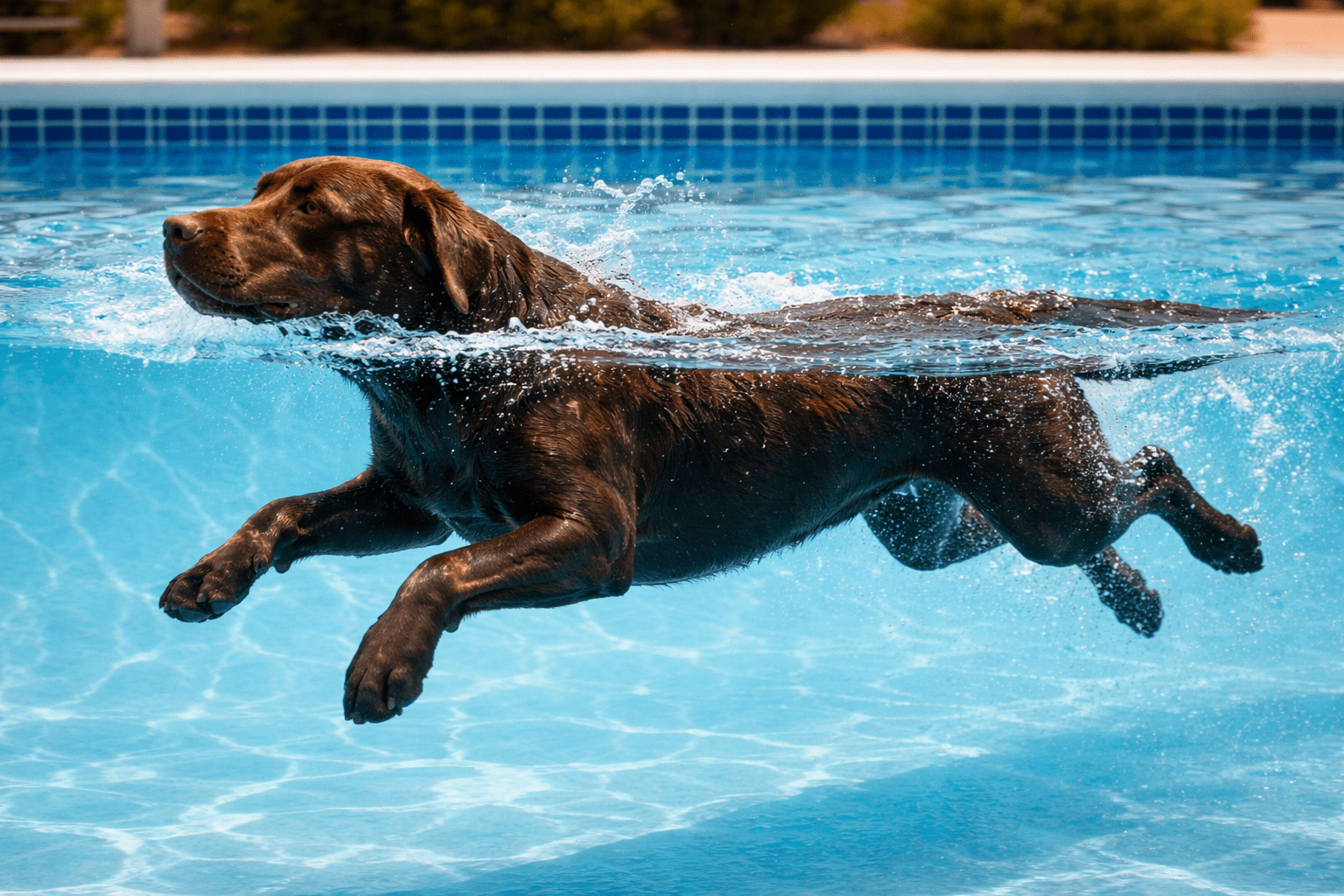
Many dogs also find swimming calming once they’re comfortable. The rhythmic motion and cool water can reduce anxiety and stress, similar to fun activities for dogs that keep them engaged and happy.
When Swimming Helps with Training Goals
Water work builds confidence in fearful dogs by giving them a controlled challenge they can master. If your dog is nervous or reactive, learning to swim in a calm setting can translate to better behavior on land.
Swimming also reinforces basic obedience commands like “come,” “stay,” and “wait.” When you practice these commands near water, your dog learns to listen even when they’re excited or distracted. That focus carries over to everyday situations.
For dogs enrolled in a dog obedience training course, swimming adds variety to their training routine and prevents boredom. It’s a reward that doubles as exercise and skill-building.
Preparing to Teach Your Dog to Swim
Preparation makes the difference between a positive first experience and a scary one. Before you get near the water, gather the right gear and choose a location that sets your dog up for success.
Essential Gear and Safety Equipment
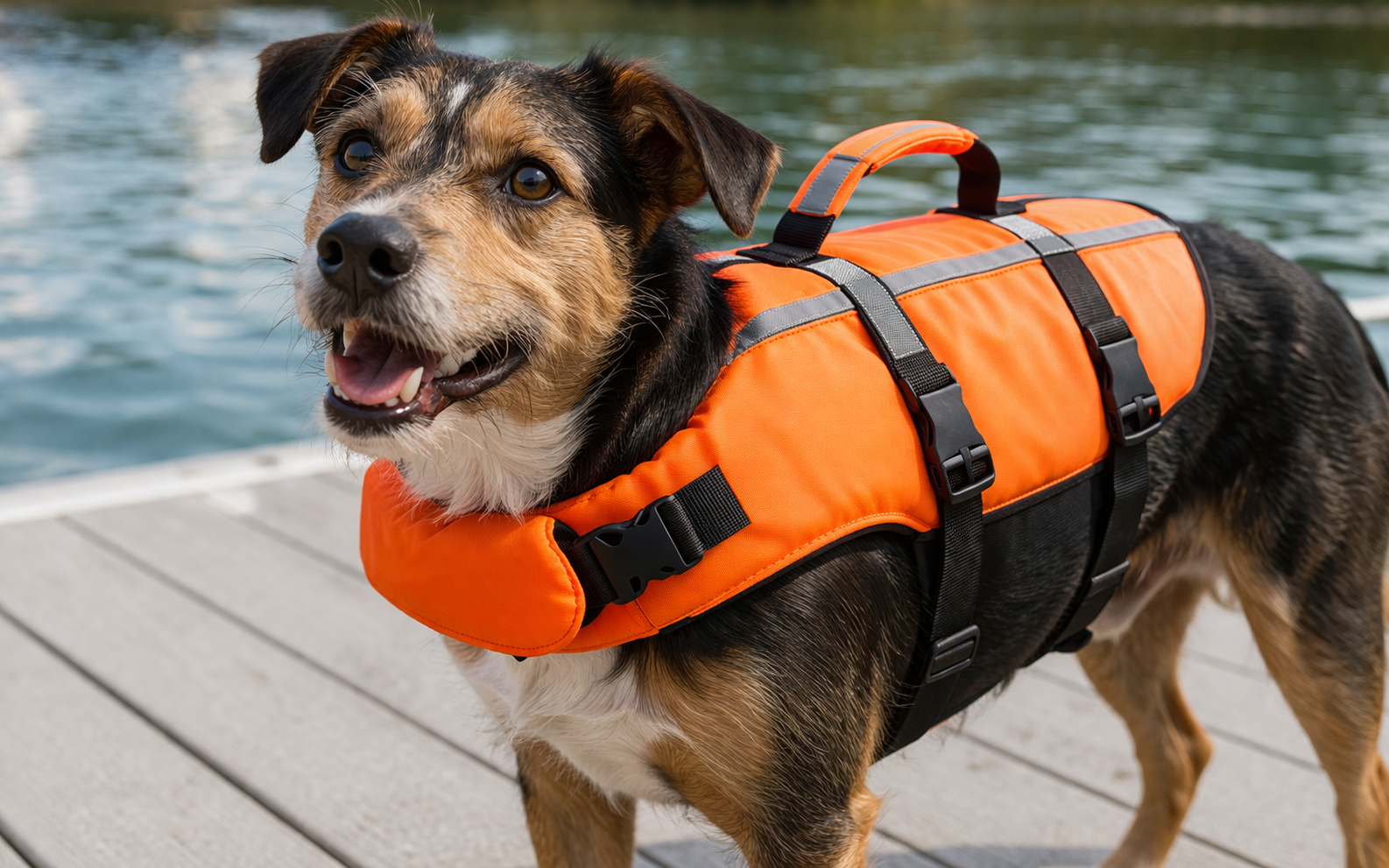
A properly fitted dog life jacket is non-negotiable, especially for first-time swimmers. Even natural swimmers can panic or tire quickly, and a life jacket keeps them safe while they’re learning. Look for bright colors with a handle on top so you can guide or lift your dog if needed.
Bring plenty of high-value treats that won’t get soggy easily. Small pieces of hot dog, cheese, or freeze-dried liver work well for rewarding calm behavior around water.
Pack a long training lead (not a retractable leash) to maintain control without restricting movement. A towel for drying off and fresh water for drinking are also must-haves, salt water or chlorinated pool water shouldn’t be your dog’s only option.
Choosing the Right Location
Start somewhere calm and shallow with easy entry and exit points. A quiet lake with a gradual slope works better than a steep-banked river or a pool with only ladder access.
Avoid crowded beaches or dog parks with swimming areas during your first sessions. Too many distractions can overwhelm your dog and make it harder for them to focus on learning. Early morning or late afternoon at public swimming spots usually means fewer people and dogs.
Check the water temperature before you start. If it’s too cold for you to comfortably stand in, it’s probably too cold for your dog’s first lesson. Warmer water is more inviting and keeps the experience positive.
Step-by-Step Guide: How to Teach a Dog to Swim
Breaking the process into small steps prevents overwhelming your dog and builds their confidence naturally. Rush the process and you risk creating a lifelong fear of water.
Step 1: Build Positive Water Associations
Start on dry land near the water. Let your dog explore the shore, sniff around, and get comfortable with the sights and sounds. Reward any interest in the water with treats and praise.
Play fetch or tug near the waterline without going in. This creates positive associations with the location before adding the challenge of getting wet.
If your dog seems nervous, don’t force anything. Take your time and let them set the pace. Working through fear requires patience, similar to when you help a fearful dog gain confidence in other areas.
Step 2: Wade In Together
Put on your dog’s life jacket and step into the shallow water yourself. Use a cheerful tone and encourage them to follow you. Most dogs will wade in when they see you’re calm and safe.
Keep the water ankle-deep at first. Let them splash around, get their paws wet, and retreat to shore whenever they want. This back-and-forth builds comfort without pressure.
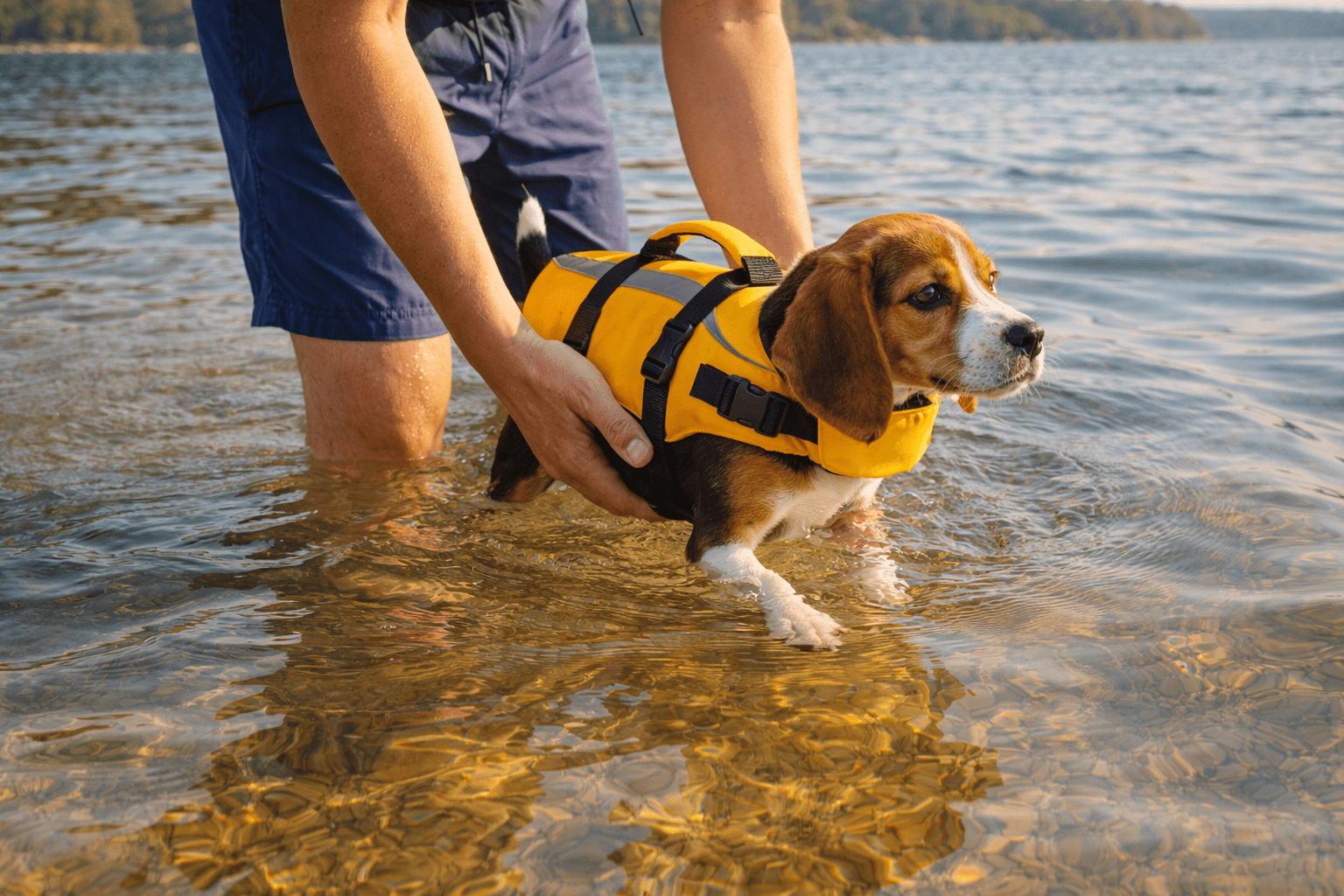
Reward every step toward the water with treats. If they stop progressing, don’t pull or push, just wait and encourage. Forcing them creates fear that can take months to undo.
Step 3: Introduce Deeper Water Gradually
Once your dog is comfortable wading, move to knee-deep water. Support their belly with your hands so they feel secure as their paws leave the bottom. This helps them understand how to paddle without panicking.
Guide them in short circles, keeping their head above water and your hands reassuring them. Praise constantly and keep sessions short, five to ten minutes is plenty for early lessons.
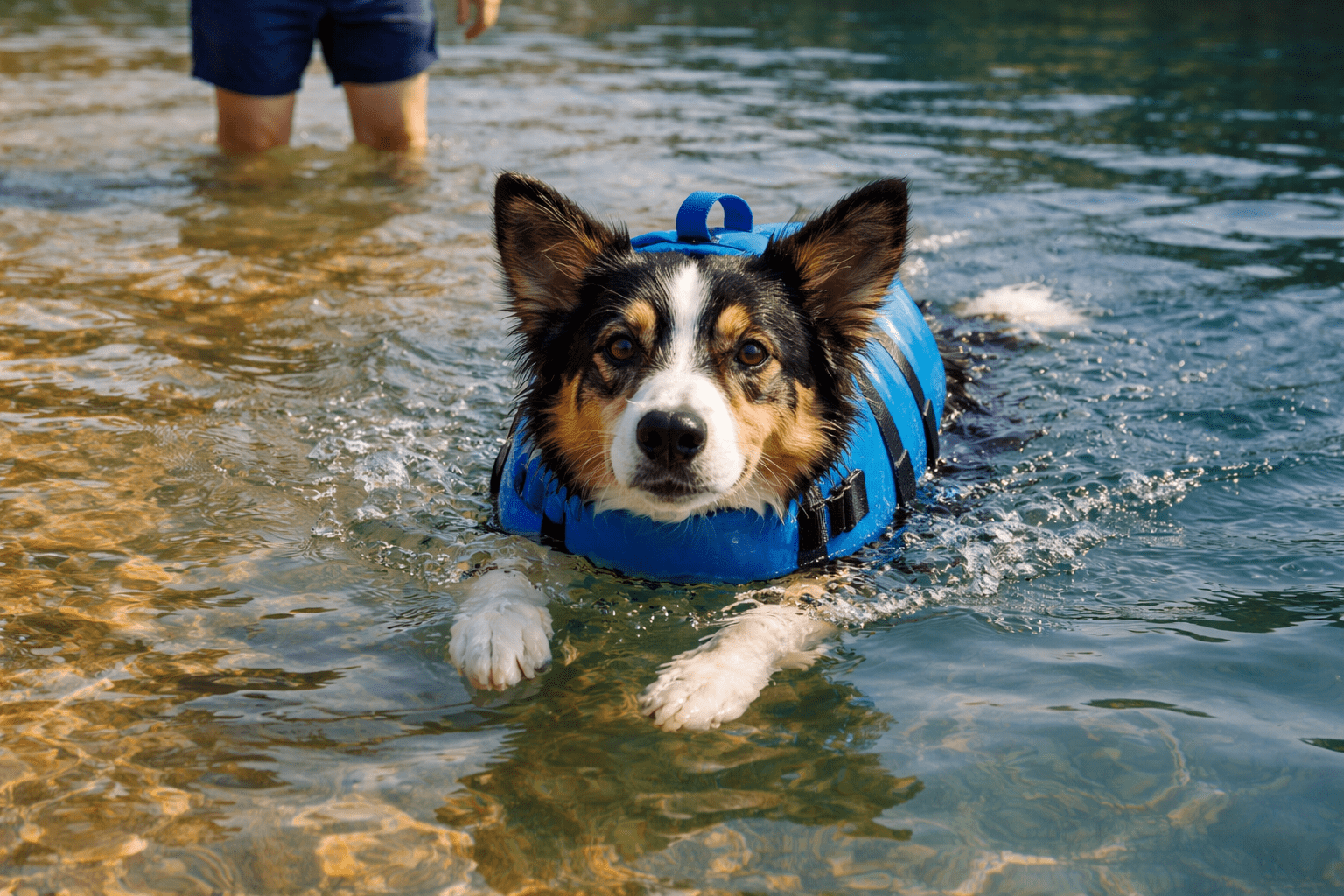
Watch their body language closely. If they’re stiff, wide-eyed, or frantically paddling, move back to shallower water. Progress happens when they’re relaxed, not stressed.
Step 4: Build Swimming Confidence
As your dog starts paddling on their own, gradually reduce your support. Stay close enough to help if needed but let them feel the independence of swimming solo.
Toss a floating toy just out of reach and encourage them to swim a few strokes to get it. Start with very short distances and build up slowly. Success breeds confidence.
End each session while they’re still enjoying it, not after they’re tired or frustrated. This keeps them excited about swimming next time instead of dreading it.
Understanding Different Dog Breeds and Swimming
Not all dogs are built the same, and that affects how easily they learn to swim. Knowing your breed’s strengths and challenges helps you adjust your approach.
Breeds That Love Water vs. Breeds That Struggle
Here’s a comparison of how different dog types typically handle swimming:
| Strong Swimmers | Why They Excel | Breeds That Need Extra Help | Why They Struggle |
| Retrievers (Labrador, Golden) | Webbed feet, water-repellent coats, bred for water work | Bulldogs, Pugs, French Bulldogs | Short muzzles, heavy chests, poor buoyancy |
| Water Spaniels, Portuguese Water Dogs | Natural swimming instinct, athletic build | Dachshunds, Corgis, Basset Hounds | Short legs, long backs, low center of gravity |
| Newfoundlands, Irish Water Spaniels | Webbed toes, thick coats, lifesaving history | Shih Tzus, Pekingese, Lhasa Apsos | Dense coats when wet, breathing difficulties |
| Poodles (Standard, Miniature) | Originally water retrievers, athletic swimmers | Greyhounds, Whippets, Italian Greyhounds | Low body fat, thin skin, get cold easily |
Adjusting Your Approach by Breed
Brachycephalic breeds (flat-faced dogs like Bulldogs or Pugs) should always wear life jackets and swim only under close supervision. Their breathing issues make even short swims exhausting.
Small dogs with short legs tire faster than larger breeds. Keep their sessions shorter and stick to very shallow water where they can touch bottom easily.
Heavy-chested breeds like Rottweilers or Bull Terriers may struggle with buoyancy. A life jacket helps them stay horizontal instead of vertical in the water, making swimming much easier.
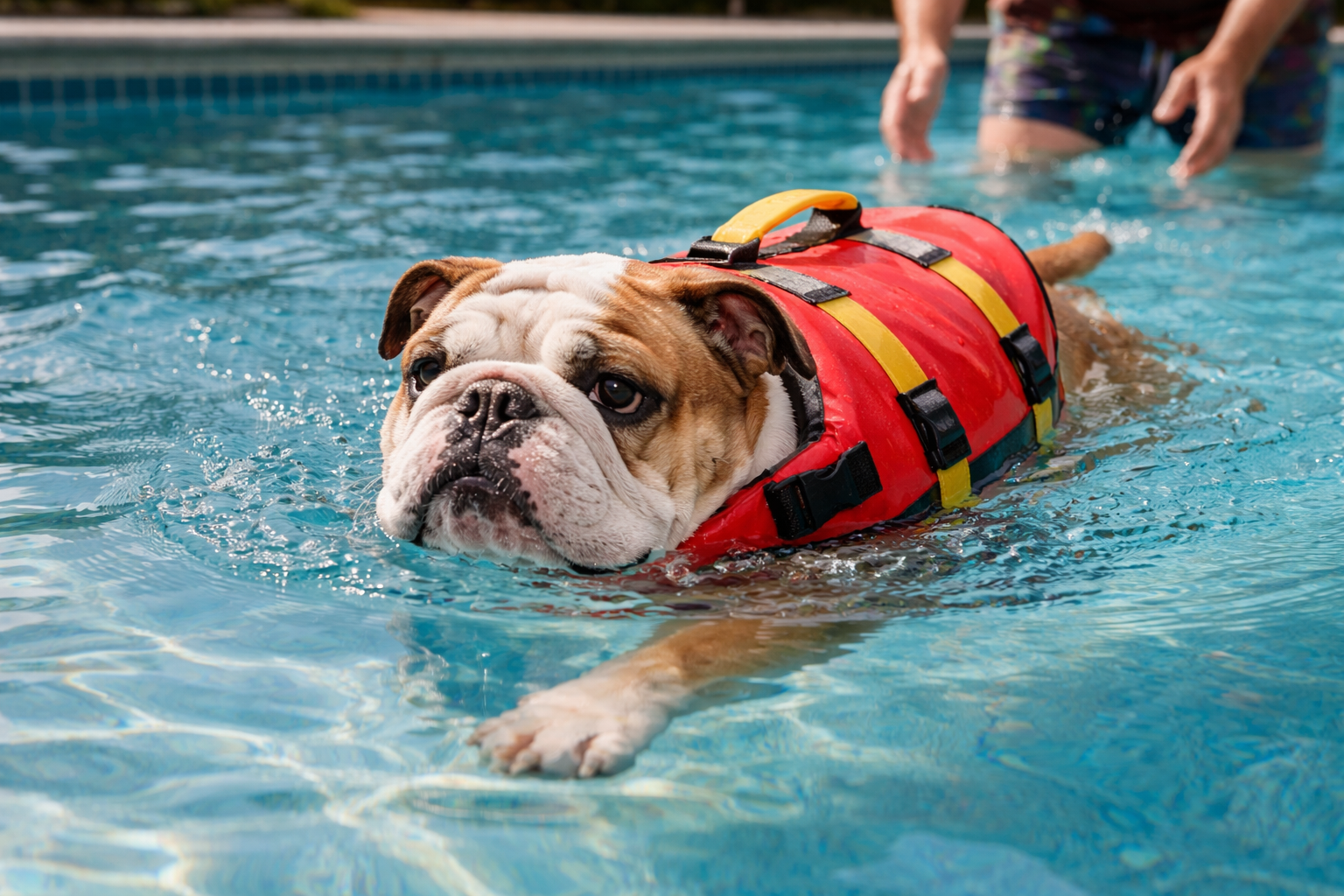
If you’re unsure how your specific dog will handle swimming based on their build or behavior, professional guidance through board and train Long Island programs can help identify and address potential challenges early.
Common Challenges and How to Fix Them
Even with the best preparation, you’ll likely run into a few bumps along the way. Here’s how to handle the most common issues.
My Dog Is Afraid of Water
Fear usually comes from a bad experience or lack of exposure. Go back to basics, reward them for getting close to water without going in. Use their favorite treats and keep everything low-pressure.
Try different types of water. Some dogs hate pools but love lakes, or vice versa. The sound of a pool filter or the smell of chlorine might be the problem, not the water itself.
Never throw your dog into the water hoping they’ll “figure it out.” This creates trauma that can take months or years to overcome. Understanding why my dog is scared of new situations helps you approach their fear with empathy instead of frustration.
My Dog Panics and Tries to Climb on Me
This is normal at first. Your dog is using you as their safe spot while they learn. Support them calmly without reinforcing the panic, speak in a normal, upbeat voice and guide them toward shallow water where they can stand.
Gradually move them away from clinging by rewarding independent paddling, even if it’s just one or two strokes. Build duration slowly over multiple sessions.
If they’re genuinely panicking (eyes wide, frantic movements, ignoring treats), you’ve moved too fast. Return to shallower water and rebuild their confidence before trying again.
My Dog Swims Vertically Instead of Horizontally
Vertical swimming (also called treading water) happens when dogs don’t understand how to use their back legs. Gently support their rear end under the water to help them feel the horizontal position.
A life jacket can help correct this by keeping their body level. Once they understand the feeling of horizontal swimming, they usually adjust their leg movements naturally.
Practice on land too. Have them walk through shallow water where they can still touch bottom but need to stretch their legs. This builds muscle memory for the paddling motion.
Safety Rules Every Dog Owner Should Follow
Swimming is safe when you take the right precautions. Skip these rules and you put your dog at risk for injuries, illness, or worse.
Before, During, and After Swimming
Here’s a safety checklist for every swim session:
| Before Swimming | During Swimming | After Swimming |
| Check water temperature (not too cold) | Never leave your dog unattended | Rinse off chlorine or salt water thoroughly |
| Inspect the area for hazards (sharp rocks, strong currents, blue-green algae) | Watch for signs of fatigue (slower paddling, heavy breathing) | Dry ears completely to prevent infections |
| Make sure your dog has fresh drinking water available | Keep sessions short (10-20 minutes for beginners) | Check paws for cuts or abrasions from rough surfaces |
| Apply dog-safe sunscreen to pink skin and noses | Prevent water drinking (can cause stomach upset or “water intoxication”) | Offer small amounts of fresh water to drink |
Recognizing When to Stop
End the session immediately if your dog shows any of these warning signs:
- Struggling to keep their head above water
- Paddling frantically without making forward progress
- Coughing or gagging
- Shivering or trembling
- Trying repeatedly to climb out or return to shore
- Vomiting or seeming disoriented
Some dogs will push themselves too hard because they’re having fun. You need to be the one who decides when enough is enough, especially in the beginning when they’re still building stamina.
Taking Your Dog’s Swimming Skills Further
Once your dog is comfortable with basic swimming, you can add new challenges that keep them engaged and fit. Advanced water activities strengthen your bond while giving them a job to do.
Try dock diving if your dog loves to jump and retrieve. Start with low docks and short distances, building up to higher jumps as their confidence grows. This sport combines swimming with athletic challenge.
Water retrieval games work great for dogs with strong fetch instincts. Throw floating toys progressively farther and let them swim out to grab them. This builds endurance and reinforces recall commands.
Some dogs enjoy paddleboarding or kayaking with their owners. Start on land, then move to very calm water. A life jacket is essential, and you’ll need to teach them to stay still instead of jumping around.
Making Swim Time a Lifelong Habit
Swimming isn’t a one-time lesson, it’s a skill that needs regular practice to maintain. Dogs who swim occasionally throughout the year stay comfortable with water and keep their fitness levels high.
Create a routine around swimming during warm months. Weekly or bi-weekly sessions give your dog something to look forward to and prevent regression in their skills.
Watch for changes as your dog ages. Older dogs may need more support or shorter sessions, but most can continue swimming well into their senior years with appropriate accommodations.
If you travel with your dog, scope out dog-friendly swimming spots at your destination ahead of time. Having familiar water activities helps reduce travel stress and keeps your dog active on vacation.
Helping Your Dog Learn to Swim Safely and Confidently
Teaching your dog to swim opens up a whole new world of exercise, fun, and bonding opportunities. When you follow a gradual approach and respect your dog’s comfort level, most dogs can learn how to teach a dog to swim successfully within a few weeks. The key is patience, consistency, and celebrating small victories along the way.
At K9 Mania Dog Training, we’re the leading board and train on Long Island, and we understand that every dog learns differently. Whether you’re working on swimming skills, behavior issues, or basic obedience, our expert trainers can help you build a stronger relationship with your dog through proven methods. We specialize in creating customized training plans that fit your dog’s unique personality and needs. Trust K9 Mania to guide you and your dog toward lasting success.
You May Also Want to Read
- Dog Body Language: How to Read Your Dog’s Signals
- How to Stop Dog from Counter Surfing: Effective Training Solutions
- Signs Your Dog Trusts You: How to Read Your Dog’s Trust Signals
- How to Introduce Dogs to Each Other: Complete Safety Guide
Frequently Asked Questions
Can I teach a dog to swim?
Yes, most dogs can learn to swim with proper training and patience. Start in shallow water, use positive reinforcement with treats and praise, and never force your dog into the water. Some breeds learn faster than others, but nearly all healthy dogs can become comfortable swimmers with the right approach and consistent practice over several sessions.
What is the 7 7 7 rule for dogs?
The 7 7 7 rule suggests it takes seven days for a dog to decompress, seven weeks to learn routines, and seven months to feel completely comfortable in a new environment. This applies to swimming too, don’t expect instant comfort. Give your dog time to adjust to water gradually, building positive associations through repeated, low-pressure exposures that respect their learning pace.
What dog breeds can’t swim?
Bulldogs, Pugs, French Bulldogs, and other brachycephalic (flat-faced) breeds struggle with swimming due to breathing difficulties and poor buoyancy. Dachshunds, Corgis, and Basset Hounds have body proportions that make swimming challenging. These breeds can still enjoy water with life jackets and close supervision, but they’ll never be natural swimmers and require extra caution around deep water.
What breeds are best at swimming?
Labrador Retrievers, Golden Retrievers, Portuguese Water Dogs, Newfoundlands, and Standard Poodles are excellent swimmers. These breeds were developed for water work and have physical traits like webbed feet, water-repellent coats, and athletic builds that make swimming natural. Chesapeake Bay Retrievers, Irish Water Spaniels, and Nova Scotia Duck Tolling Retrievers also excel in water activities.
Do dogs need training to swim?
While some dogs instinctively paddle when placed in water, proper training ensures they swim safely and efficiently. Training teaches them how to enter and exit water safely, swim horizontally instead of vertically, and respond to recall commands while swimming. Without training, dogs may panic, tire quickly, or develop bad habits that make swimming dangerous or stressful for them.
What age should dogs start swimming?
Puppies can start learning around three to four months old once they’ve had their vaccinations. Keep early sessions very short (five to ten minutes) in warm, shallow water. Older dogs can learn at any age, though senior dogs may need more time and gentler approaches. The key is matching the intensity to your dog’s age, physical condition, and comfort level.