
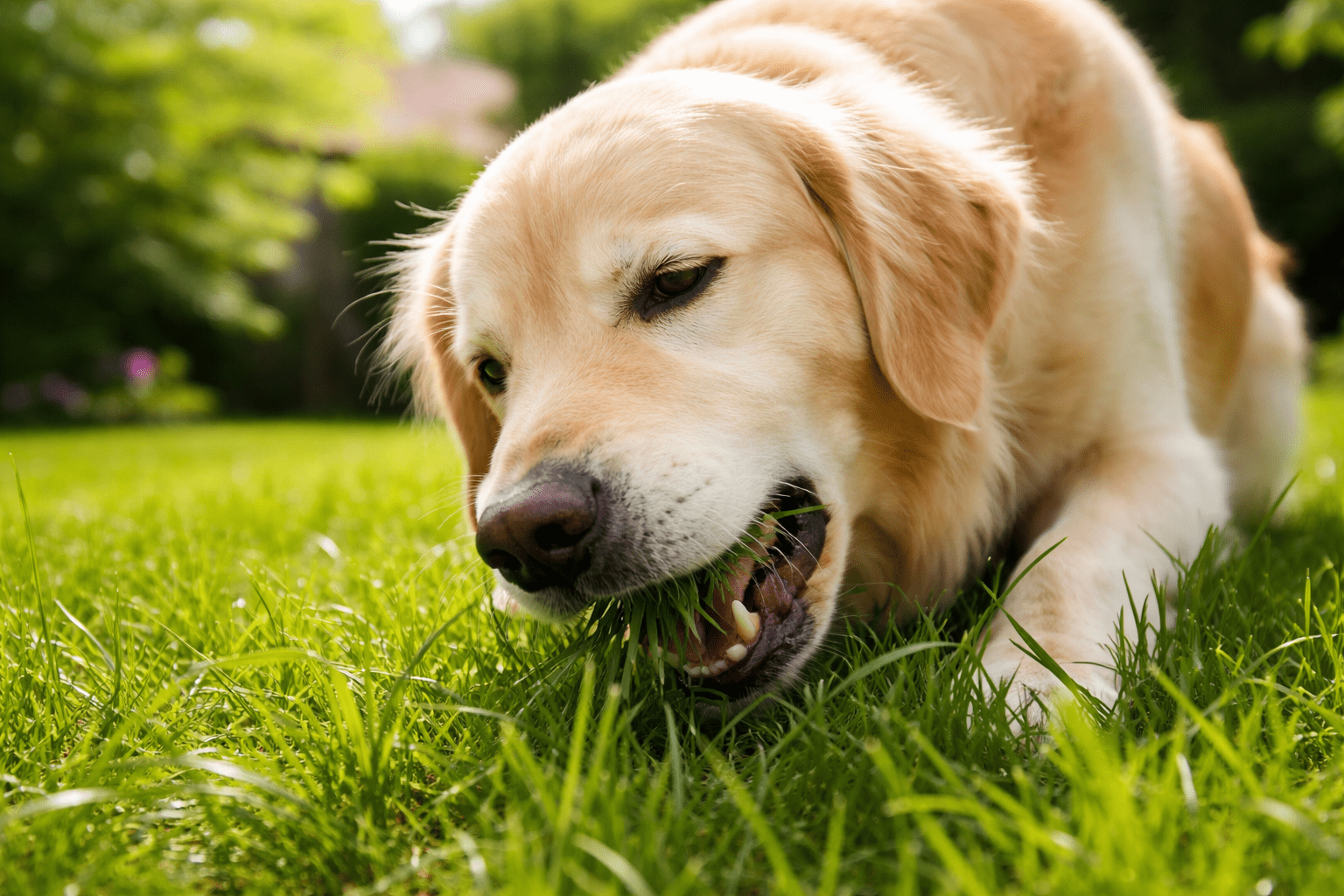
Dogs eat grass primarily for digestive relief, to supplement missing nutrients, or simply out of boredom and instinct. While this behavior is usually harmless, it can sometimes signal underlying health issues that need attention.
If you’ve caught your dog munching on grass during walks or in the backyard, you’re probably wondering if something’s wrong. The good news is that grass eating is incredibly common among dogs, and most of the time, it’s completely normal.
In this guide, we’ll explore why do dogs eat grass, when you should be concerned, and how to manage this behavior effectively. You’ll also learn practical ways to address the root causes and keep your dog healthy and happy.
Why Dogs Eat Grass?
Grass eating is one of those dog behaviors that puzzles many owners. Your perfectly fed pup suddenly starts grazing like a cow, and you’re left wondering what’s missing. The truth is, dogs eat grass for several different reasons, and understanding these can help you respond appropriately.
Natural Instinct and Ancestral Behavior
Dogs are descendants of wild canines who consumed entire prey animals, including stomach contents filled with plant matter. This ancestral diet included grasses and vegetation that aided digestion and provided roughage.
Even though modern dogs eat commercial food, they still carry these instinctive behaviors. Many dogs simply enjoy the texture and taste of fresh grass, especially young, tender blades in spring.
This doesn’t mean your dog is reverting to wild behavior or that something is wrong with their diet. It’s just a natural part of being a dog. Some breeds are more prone to grass eating than others, particularly those with stronger foraging instincts.
Digestive Relief and Stomach Upset
One of the most common reasons why do dogs eat grass is to relieve an upset stomach. The grass acts as a natural stomach irritant, triggering vomiting that helps your dog expel whatever is bothering them.

When dogs feel nauseous or have eaten something that doesn’t agree with them, they instinctively seek out grass. The rough texture and fiber content can help move things through their digestive system or bring up what needs to come out.
You might notice your dog eating grass frantically and then vomiting shortly after. This is their way of self-medicating. However, not all dogs vomit after eating grass. Many simply chew and digest it normally, which can help with overall digestive function.
If your dog frequently uses grass for digestive relief, it might indicate a deeper issue with their regular diet or digestion that needs addressing.
Nutritional Deficiencies and Fiber Needs
Sometimes dogs eat grass because their diet lacks certain nutrients or fiber. Grass contains vitamins, minerals, and chlorophyll that might be missing from processed dog food.
If your dog’s food is low in fiber, they might seek out grass to meet this dietary need. Fiber helps with regular bowel movements and overall digestive health. Dogs on high-protein, low-fiber diets often show more grass eating behavior.

Switching to a higher quality food with better nutritional balance can reduce grass eating. Look for foods with whole grains, vegetables, and adequate fiber content. Our recommended dog diet guide provides detailed information on choosing the right nutrition for your dog.
Consider adding dog-safe vegetables to your pet’s meals or providing dental treats and nutritious dog food that support both nutrition and oral health.
Is Eating Grass Normal Behavior?
Most veterinarians and animal behaviorists agree that occasional grass eating is perfectly normal dog behavior. Studies show that up to 80% of dogs eat grass at some point, and most show no signs of illness beforehand.
When Grass Eating Is Harmless
Casual grass eating during walks or playtime is usually nothing to worry about. If your dog nibbles a few blades here and there without any other symptoms, they’re likely just being a dog.
Signs that grass eating is harmless include:
- Your dog eats grass occasionally, not obsessively
- They don’t vomit or show distress afterward
- Their appetite and energy levels remain normal
- They have regular bowel movements
- No other behavioral changes occur
Many dogs simply enjoy the taste and texture of fresh grass. It can be a sensory experience for them, similar to how we might enjoy crunchy vegetables. Some dogs prefer certain types of grass over others, showing clear preferences for specific textures or flavors.
Red Flags That Need Attention
While grass eating is usually benign, certain patterns should prompt a vet visit. Pay attention if your dog shows any of these warning signs:
Excessive or frantic grass eating multiple times daily suggests something is wrong. If your dog seems desperate to find grass and eats large amounts, they might be dealing with significant digestive discomfort.
Frequent vomiting after grass eating isn’t normal. Once in a while is fine, but if your dog vomits every time or multiple times per day, an underlying health issue might be present.
Other concerning signs include:
- Loss of appetite for regular food
- Lethargy or decreased energy
- Diarrhea or constipation
- Weight loss
- Behavior changes like hiding or whining
If you notice these symptoms alongside grass eating, professional help is needed. Working with a private dog training specialist can help address behavioral aspects while your vet handles health concerns.
Common Reasons Behind Grass Eating Behavior
Understanding the specific triggers for grass eating helps you address the root cause. Different situations call for different solutions, and recognizing patterns in your dog’s behavior is key.
Boredom and Lack of Stimulation
Dogs with insufficient mental and physical exercise often eat grass out of pure boredom. If your dog spends long hours alone or doesn’t get enough activity, they might turn to grass eating as entertainment.
Bored dogs will chew, dig, and eat things they shouldn’t. Grass becomes an easy target in yards where there’s nothing else interesting to do. This behavior often happens alongside other destructive habits.
The solution is simple: increase exercise and mental stimulation. Daily walks, play sessions, puzzle toys, and training activities keep dogs engaged. A tired, mentally satisfied dog is less likely to eat grass out of boredom.
Enrolling in obedience dog training provides structure and mental challenges that reduce unwanted behaviors, including excessive grass eating.
Anxiety and Stress Relief
Some dogs eat grass as a coping mechanism for anxiety or stress. The repetitive motion of grazing can be self-soothing, similar to how humans might fidget or pace when nervous.
Dogs experiencing separation anxiety, environmental changes, or social stress might increase grass eating. It becomes a displacement behavior that helps them manage uncomfortable feelings.
Watch for other anxiety signs like:
- Excessive panting or drooling
- Pacing or restlessness
- Destructive chewing on inappropriate items
- Excessive barking or whining
If stress seems to drive the behavior, addressing the underlying anxiety is crucial. Our guide on signs your dog is depressed can help you identify related emotional issues. Professional training through board and train Long Island programs offers comprehensive solutions for anxiety-related behaviors.
Taste and Texture Preferences
Let’s not overthink it. Sometimes dogs eat grass simply because they like it. Fresh spring grass has a sweet taste and satisfying crunch that many dogs find appealing.
You might notice your dog has favorite spots in the yard or specific types of grass they prefer. They might avoid certain areas and seek out others. This selective eating suggests preference rather than medical need.
Dogs explore their world through taste and smell. Grass eating can be part of that sensory experience. As long as the grass is safe and untreated with chemicals, letting them enjoy small amounts is perfectly fine.
Managing and Reducing Grass Eating
If your dog’s grass eating bothers you or happens too frequently, several strategies can help manage the behavior. The key is addressing the underlying cause rather than just stopping the symptom.
Dietary Adjustments and Supplements
Start by evaluating your dog’s current diet. Is it high quality with adequate fiber? Does it meet their nutritional needs? Switching to better food often reduces grass eating naturally.
Consider these dietary changes:
Adding fresh vegetables like green beans, carrots, or pumpkin increases fiber intake. These provide the roughage dogs might be seeking from grass. Mix small amounts into regular meals.
Fiber supplements designed for dogs can help with digestive regularity. Psyllium husk or pumpkin powder are natural options that many dogs tolerate well.
Probiotics support gut health and can reduce digestive discomfort that drives grass eating. A healthy digestive system means less need for grass as a remedy.
Check out our recommended dog diet for specific food suggestions that address common nutritional gaps.
Exercise and Mental Enrichment
A well-exercised dog is less likely to eat grass out of boredom or pent-up energy. Aim for at least 30 minutes to two hours of activity daily, depending on your dog’s breed and age.
Physical exercise should include:
- Regular walks with opportunities to sniff and explore
- Fetch, tug, or other active play
- Swimming or hiking for high-energy breeds
- Off-leash time in safe areas when possible
Mental stimulation is equally important. Puzzle toys, scent work, training sessions, and food-dispensing toys keep dogs mentally engaged. A board and train preparation guide can help you structure effective enrichment activities.
When dogs have fulfilling daily routines, unwanted behaviors like excessive grass eating naturally decrease.
Training and Behavior Modification
If grass eating becomes obsessive or problematic, training can help redirect the behavior. Teaching alternative commands and rewarding appropriate choices works well.
Start with basic obedience commands like “leave it” or “come.” When your dog moves toward grass, use these commands to interrupt the behavior. Reward them with treats or play when they comply.
Provide appropriate alternatives like dog-safe plants in pots or designated areas where grass eating is allowed. This gives them an outlet while keeping them away from potentially harmful areas.
Positive reinforcement works better than punishment. Don’t scold or pull your dog away harshly. Instead, redirect and reward the behavior you want to see.
For persistent issues, professional help makes a difference. Working with trainers who specialize in behavior modification provides personalized strategies for your specific situation.
Health Considerations and Veterinary Guidance
While grass eating is usually harmless, understanding when to seek professional help protects your dog’s health. Some situations require immediate attention, while others benefit from routine monitoring.
When to Consult Your Veterinarian
Schedule a vet appointment if grass eating becomes excessive or is accompanied by other symptoms. Your veterinarian can rule out medical issues like:
- Gastrointestinal problems including inflammatory bowel disease
- Parasites that cause nutritional deficiencies
- Pancreatic insufficiency affecting digestion
- Food allergies or sensitivities
- Metabolic disorders
Diagnostic tests might include blood work, fecal analysis, or imaging to identify underlying conditions. Early detection and treatment prevent more serious complications.
Don’t wait if your dog shows signs of severe distress, repeated vomiting, bloody stool, or extreme lethargy. These symptoms require immediate veterinary care.
Safe Grass vs. Dangerous Grass
Not all grass is created equal. Where and what your dog eats matters for their safety.
| Safe Grass Characteristics | Dangerous Grass Situations |
| Untreated lawn areas in your yard | Lawns treated with pesticides or herbicides |
| Parks with organic maintenance | Grass along busy roads with exhaust exposure |
| Your neighbor’s chemical-free yard | Areas where other animals defecate frequently |
| Fresh, green grass without contamination | Grass near toxic plants or mushrooms |
| Well-maintained areas you control | Unknown public spaces with unclear treatment history |
Chemical treatments on lawns pose serious health risks. Pesticides, herbicides, and fertilizers can cause poisoning when ingested. Symptoms include drooling, vomiting, tremors, seizures, and in severe cases, death.
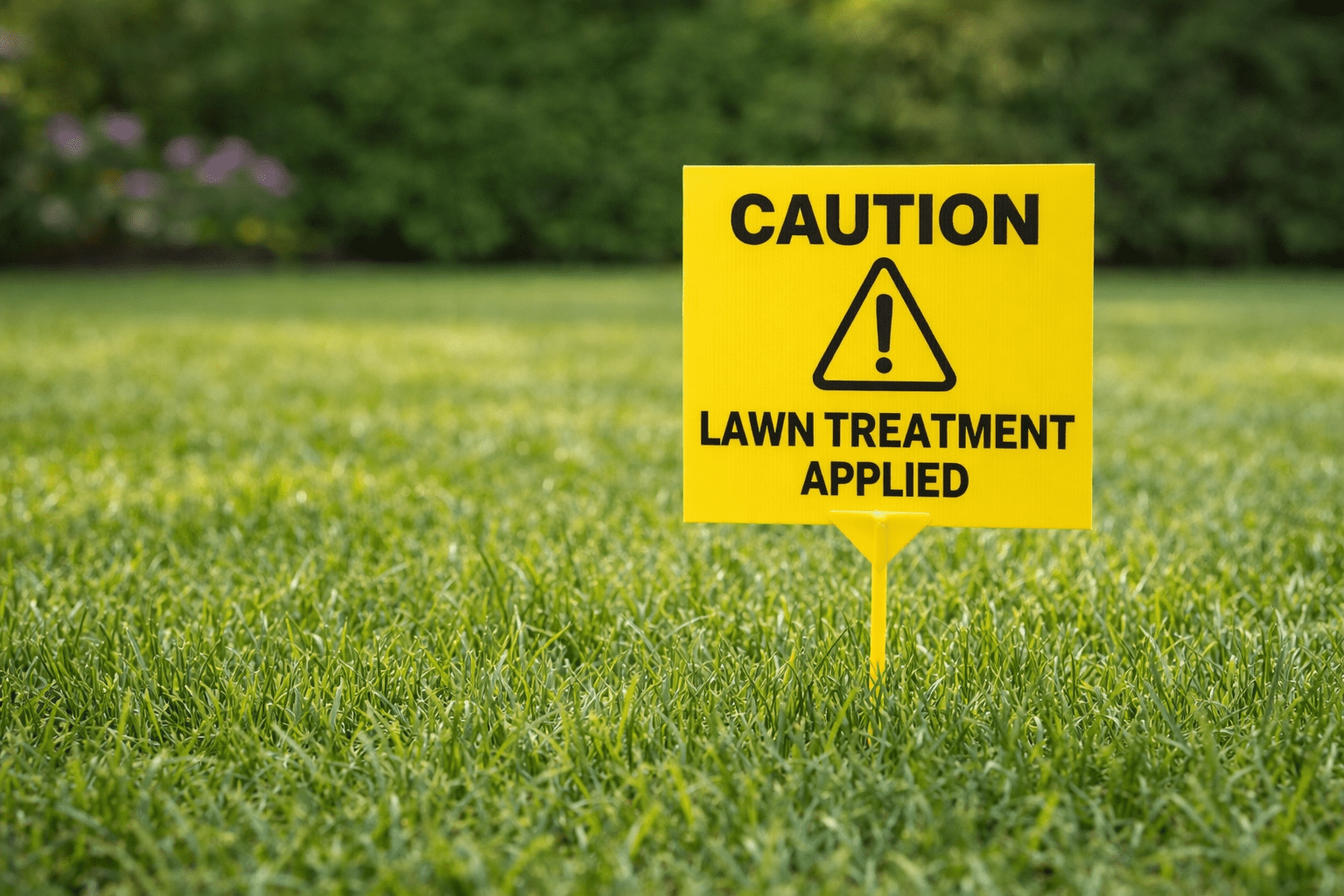
If you treat your lawn, keep your dog away until the chemicals have completely dried and been watered in. Better yet, maintain your yard organically or create a dog-friendly zone that stays chemical-free.
Public parks and golf courses often use heavy chemical treatments. Always supervise your dog in these areas and discourage grass eating.
Creating a Safe Environment
Make your yard dog-friendly by maintaining grass naturally. Regular mowing, proper watering, and organic treatments keep grass healthy without toxic chemicals.
Remove toxic plants from your yard including lilies, azaleas, sago palms, and foxglove. Many ornamental plants are poisonous to dogs and could be accidentally ingested along with grass.
Provide fresh water at all times. Dehydrated dogs sometimes eat grass seeking moisture. Easy access to clean water reduces this need.
Consider planting a small patch of dog-safe grasses like wheatgrass or oat grass in pots. This gives your dog a designated safe area for grazing that you control completely.
Maintaining oral health also reduces the urge to chew inappropriate items. Regular dental care with quality dog dental treats supports overall mouth health and can reduce grass eating driven by oral discomfort.
Comparing Grass Eating to Other Behaviors
Understanding how grass eating relates to other common dog behaviors helps put it in perspective. Some behaviors are similar in nature, while others indicate different needs.
| Behavior | Cause | Solution |
| Eating grass | Digestive relief, boredom, instinct, nutrition | Improve diet, increase exercise, provide alternatives |
| Eating poop | Nutritional deficiency, anxiety, learned behavior | Vet check, diet upgrade, behavior training |
| Eating dirt | Mineral deficiency, digestive issues | Add supplements, vet consultation |
| Chewing furniture | Boredom, teething, anxiety | Provide appropriate chew toys, more exercise, address anxiety |
| Eating non-food items | Pica disorder, nutritional needs, compulsive behavior | Veterinary diagnosis, behavior modification, enrichment |
Grass eating falls into a relatively normal category compared to other concerning behaviors. Unlike eating rocks or plastic, grass is digestible and usually safe when sourced properly.
However, if your dog eats grass along with other non-food items, a condition called pica might be present. Pica involves compulsively eating things with no nutritional value and requires professional intervention.
Monitor all eating behaviors and report concerning patterns to your vet. Sudden changes often signal health issues that need attention.
What This Means for Your Dog’s Training Journey
Understanding why do dogs eat grass connects to broader training and behavioral management. When you address root causes like boredom, anxiety, or nutritional needs, many unwanted behaviors improve simultaneously.
Dogs with structured routines, proper exercise, and mental stimulation show fewer problematic behaviors overall. Grass eating often decreases naturally when these foundational needs are met.
Training isn’t just about stopping behaviors you don’t like. It’s about creating a fulfilling life where your dog doesn’t need those coping mechanisms. A well-trained, mentally satisfied dog makes better choices instinctively.
If behavior issues like excessive grass eating persist despite your best efforts, professional guidance helps identify what you might be missing. Experienced trainers can spot patterns and triggers that aren’t obvious to owners.
For dogs with multiple behavioral concerns, intensive training programs offer comprehensive solutions. These programs address not just symptoms but underlying issues affecting your dog’s overall wellbeing.
Managing destructive behaviors of any kind becomes easier with professional support. Check out our guide on how to stop destructive chewing for additional behavior management strategies.
The Bottom Line on Grass Eating Dogs
Most grass eating is harmless and instinctive. Dogs have been doing it for thousands of years, and modern pets continue the practice for various reasons. Understanding the specific cause in your dog helps you respond appropriately.
Watch for patterns and accompanying symptoms. Occasional nibbling needs no intervention, but obsessive or desperate grass eating deserves attention. Your dog might be telling you something about their diet, health, or emotional state.
Simple changes often make a big difference. Better nutrition, more exercise, and mental stimulation reduce grass eating in many dogs. When these basics are covered, most dogs eat less grass naturally.
Don’t panic if you catch your dog grazing. It’s probably just normal dog behavior. Focus on providing a healthy, stimulating life for your pet, and most behavior concerns will resolve themselves.

Getting Professional Help for Your Grass-Eating Dog
While grass eating is usually nothing to worry about, persistent behavioral issues benefit from expert guidance. K9 Mania Dog Training is the leading board and train provider on Long Island, and we can help with any dog training concerns you’re facing.
Whether your dog’s grass eating stems from anxiety, boredom, or other behavioral challenges, our experienced trainers identify root causes and create effective solutions. We work with dogs of all ages, breeds, and temperament levels to build better habits and stronger relationships between dogs and their owners.
Visit our website to learn how our comprehensive training programs can transform your dog’s behavior and give you peace of mind.
You May Also Want to Read
- Why Do Dogs Sniff Your Crotch? Understanding Canine Behavior
- Why Do Dogs Put Their Paw on You? Understanding This Common Behavior
- Why Do Dogs Chase Their Tails?
- Do Dogs Get Embarrassed? Understanding Your Dog’s Emotions
Frequently Asked Questions
Does dogs eating grass mean anything?
Yes, grass eating can mean several things depending on the context. Most commonly, it indicates your dog is seeking digestive relief, trying to supplement their diet with fiber or nutrients, or simply enjoying the taste and texture. Some dogs eat grass out of boredom or instinct inherited from wild ancestors who consumed plant matter regularly. Occasional grass eating without other symptoms is usually normal behavior and not a cause for concern.
Should you let your dog eat grass if they want to?
In most cases, allowing your dog to eat small amounts of untreated grass is perfectly safe. However, you should only permit this in areas you know are free from pesticides, herbicides, and other chemicals. Grass from your own yard or trusted neighbors’ yards is generally safe, but avoid letting your dog eat grass in public parks, along roadsides, or in heavily treated areas. Always supervise to ensure they’re not eating excessive amounts or consuming grass mixed with toxic plants.
What is a dog lacking when they eat grass?
Dogs who eat grass frequently might be lacking adequate fiber in their diet. Some dogs also seek out grass when they need certain nutrients, vitamins, or minerals that aren’t sufficiently provided by their regular food. A diet low in digestible roughage often drives this behavior. If your dog consistently seeks out grass, consider evaluating their current food and potentially switching to a higher-quality option with better nutritional balance and more natural fiber sources.
What should I give my dog if he’s eating grass?
If your dog eats grass regularly, try adding more fiber to their diet through dog-safe vegetables like green beans, carrots, pumpkin, or sweet potato. You can also provide high-quality dental treats that support digestive health while satisfying their need to chew. Ensure they have constant access to fresh water, as dehydration sometimes drives grass eating. Consider supplements like probiotics or digestive enzymes if the behavior seems related to stomach discomfort. Always consult your veterinarian before making significant dietary changes.
Do dogs eat grass if they’re sick?
Yes, dogs often eat grass when experiencing nausea or stomach upset. The grass acts as a natural irritant that can trigger vomiting, helping them expel whatever is bothering their stomach. However, not all grass-eating dogs are sick. Many healthy dogs eat grass regularly without any illness present. The key difference is frequency and accompanying symptoms. If your dog frantically seeks out grass and shows other signs of illness like lethargy, loss of appetite, or repeated vomiting, consult your veterinarian promptly.
Why would a dog suddenly start eating grass?
Sudden grass eating often indicates a change in your dog’s physical or emotional state. Common triggers include dietary changes that reduced fiber intake, new environmental stressors causing anxiety, digestive upset from eating something unusual, boredom from decreased exercise or stimulation, or the development of a medical condition affecting their stomach. Seasonal changes can also play a role as fresh spring grass becomes available and more appealing. If the behavior persists or intensifies, schedule a veterinary checkup to rule out health issues.