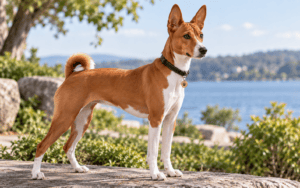
What is prey drive in dogs? Prey drive is a natural, instinctive behavior where dogs feel compelled to chase, catch, and sometimes capture moving objects or animals. This hunting instinct is hardwired into your dog’s DNA and varies significantly by breed, individual temperament, and training history.
Whether your dog bolts after squirrels during walks or fixates on your neighbor’s cat, understanding prey drive helps you manage this behavior safely. Some dogs have minimal prey drive, while others possess such strong instincts that they’ll chase anything that moves without hesitation.
In this guide, we’ll break down everything you need to know about what is prey drive in dogs, from recognizing the signs to practical training strategies that keep your dog safe and under control.
Ready to transform your dog’s behavior? Explore our board and train Long Island program for professional results.
Understanding Prey Drive in Dogs
Prey drive represents one of the most powerful natural instincts in dogs. This inherited behavior comes from their wolf ancestors who needed to hunt for survival. Even though modern dogs receive their meals in bowls, this ancient programming remains active to varying degrees.
The behavior shows up in five distinct phases that mirror wild hunting patterns. Your dog’s brain switches into a different mode when prey drive activates, making them less responsive to commands or distractions around them.
The Five Stages of Predatory Dog Behavior
Prey drive follows a predictable sequence of behaviors that unfolds when your dog encounters potential prey:
- Search: Your dog actively looks for prey using sight, sound, or smell. You’ll notice them scanning the environment, sniffing intently, or watching specific areas where prey might appear.
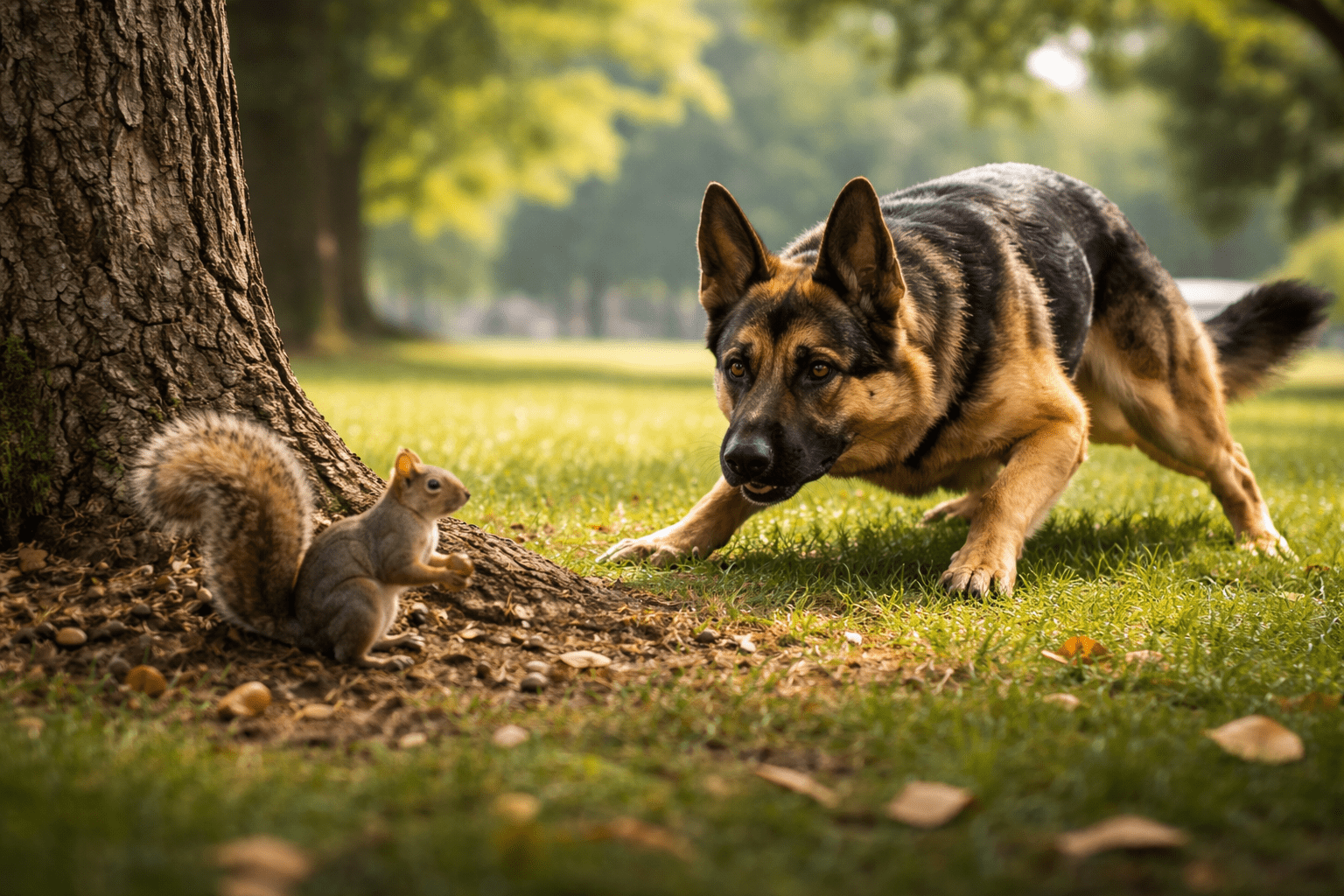
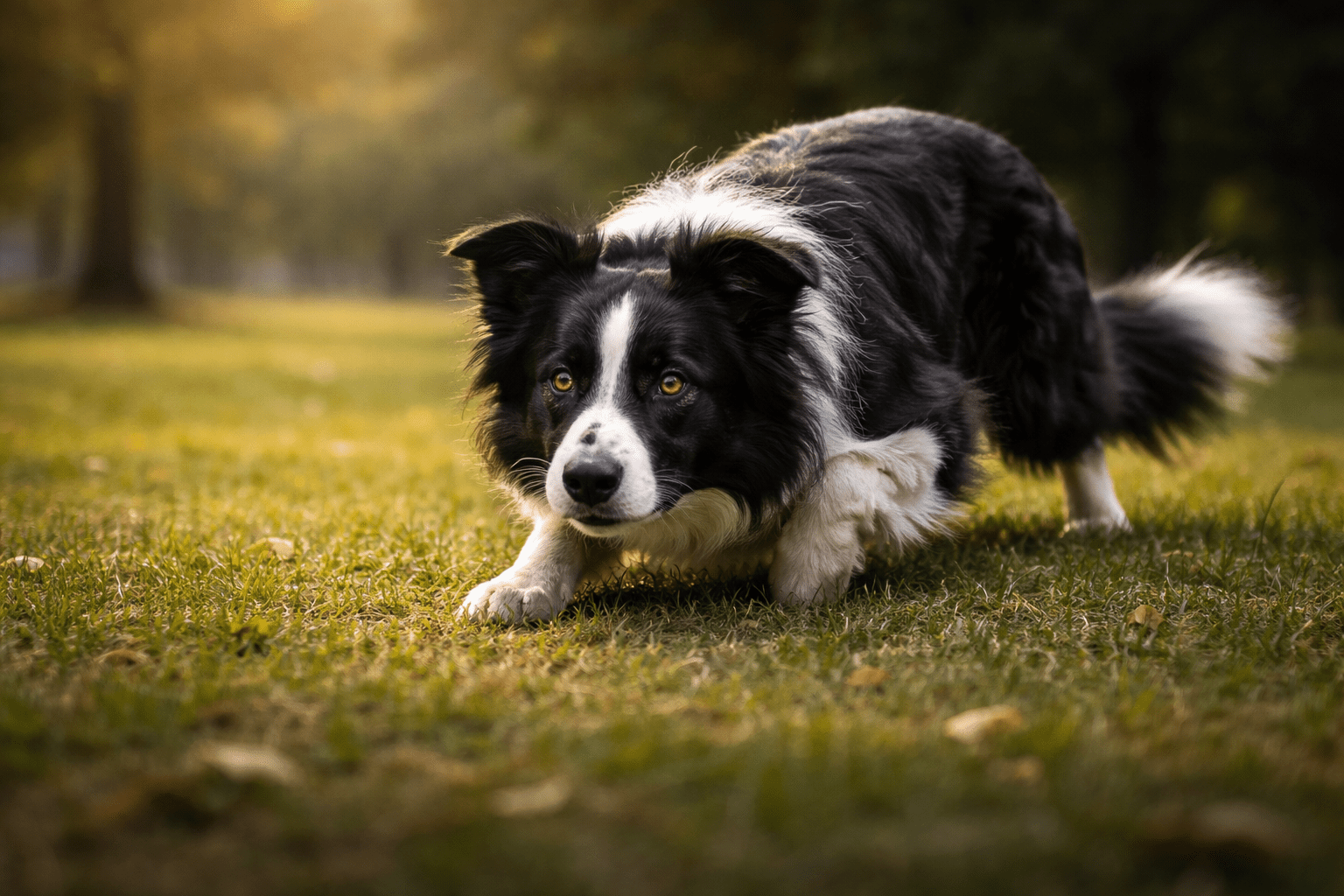
- Stalk: Once prey is detected, your dog freezes and focuses completely on the target. Their body becomes tense, they crouch low, and their eyes lock onto the prey without blinking.
- Chase: The dog pursues the moving target with intense focus. This is the most visible stage where dogs bolt after squirrels, bikes, or joggers. Their speed and determination increase dramatically.
- Grab-Bite: Your dog attempts to catch and hold the prey in their mouth. Some dogs exhibit a strong bite instinct here, while others have softer mouths from breeding for retrieval work.
- Kill-Bite: In wild predators, this final stage involves the killing action. Most domestic dogs never complete this stage or have it significantly reduced through breeding and socialization.
Different breeds may be stronger in certain stages. Border Collies excel at the stalk and chase phases but rarely proceed to grab-bite. Terriers, however, maintain strong instincts through all five stages because they were bred to eliminate rodents.
Identifying Prey Drive in Your Dog
Recognizing prey drive helps you understand your dog’s behavior and anticipate potential problems before they escalate. The intensity varies from dog to dog, but certain signs appear consistently when this instinct activates.
Common Signs and Behaviors
Your dog displays several telltale behaviors when prey drive kicks in:
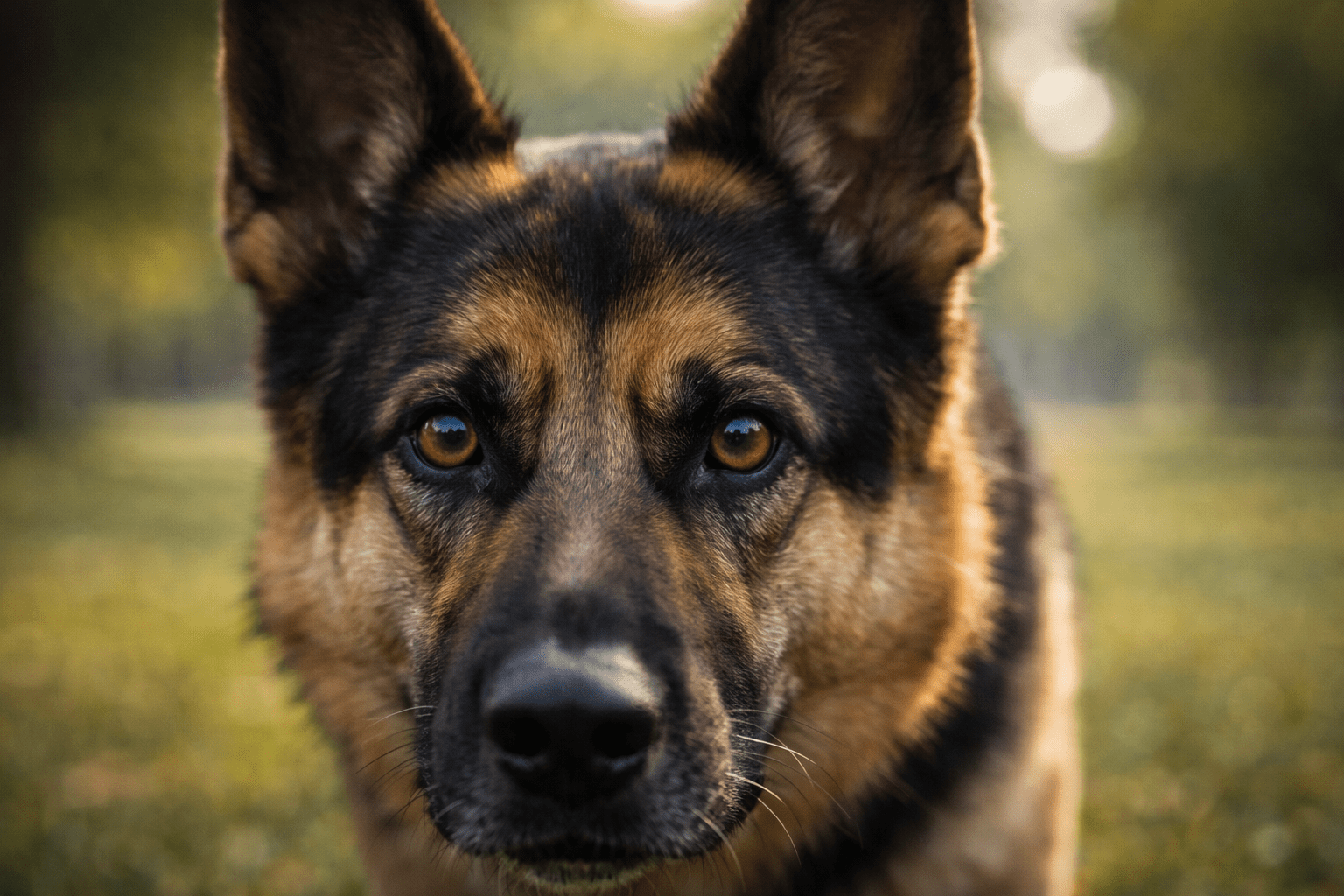
Body Language Changes: Their entire posture shifts when they spot potential prey. Ears perk forward, head drops slightly, and their body becomes rigid and focused. The tail often goes stiff and may quiver with excitement.
Intense Focus: Your dog stares at the target without breaking eye contact. They ignore your voice, treats, or other distractions that would normally get their attention. This tunnel vision makes them seem deaf to commands.
Whining or Vocalizing: Many dogs whine, whimper, or make excited sounds when they can’t reach the target. Some breeds bark frantically when prey drive is triggered but they’re restrained.
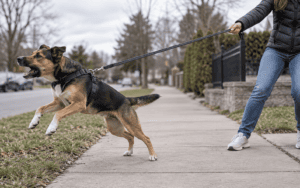
Pulling and Lunging: On leash, dogs with active prey drive pull hard toward the target. They may lunge repeatedly, jump, or spin in circles trying to get closer to what caught their attention.
Pacing and Circling: If confined, dogs often pace back and forth while keeping eyes on the prey. They may circle restlessly or jump at windows and fences trying to reach the other side.
Fixation on Movement: Quick movements trigger immediate reactions. Your dog may chase falling leaves, running water from a hose, or even shadows and reflections. The speed and suddenness of the movement matter more than what’s actually moving.
High Prey Drive vs. Low Prey Drive Dogs
Understanding where your dog falls on the prey drive spectrum helps you adjust training approaches and set realistic expectations.
| Characteristic | High Prey Drive Dogs | Low Prey Drive Dogs |
| Response to Movement | Immediate, intense reaction to anything moving | Mild interest or ignores movement entirely |
| Focus Duration | Maintains laser focus on target for extended periods | Easily distracted by other stimuli |
| Recall Success | Extremely difficult when prey is present | Usually responds to commands even with distractions |
| Training Difficulty | Requires consistent, patient work with professional guidance | Responds well to basic training methods |
| Best Activities | Lure coursing, flirt pole, controlled chase games | Calm walks, sniff work, gentle play |
| Safety Concerns | High risk of bolting, chasing cars, or attacking small animals | Minimal supervision needed around other animals |
High prey drive dogs need structured outlets for their energy. Without appropriate activities, they may redirect their instincts toward inappropriate targets like your cat, neighborhood chickens, or even small children running and playing.
Low prey drive dogs make better companions in homes with small pets and can enjoy more relaxed, off-leash time in safe areas. They’re generally easier for first-time dog owners to manage because their impulse control is naturally stronger.
Need help managing your dog’s challenging behaviors? Our private dog training sessions provide personalized solutions.
Dog Breed and Prey Drive Differences
Prey drive varies greatly between dogs, and breeding history is the main reason. Dogs developed for hunting or chasing usually have stronger prey instincts than breeds created mainly for companionship.
Breeds with strong prey drive:
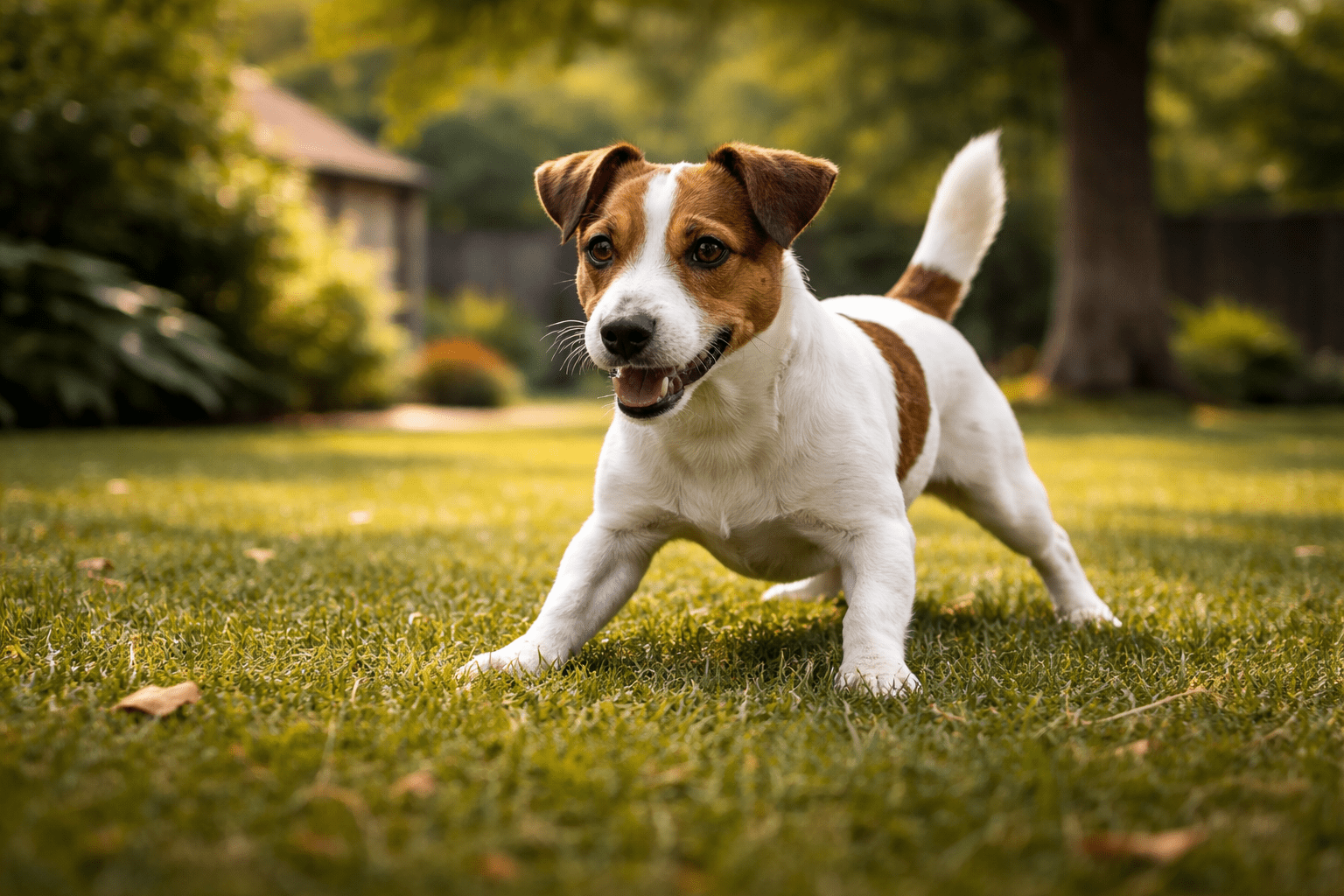
- Terriers (Jack Russell, Rat Terrier): Bred to hunt rodents. They intensely chase small, fast-moving animals.
- Sight hounds (Greyhound, Whippet): Triggered by movement. Once they start chasing, stopping or recalling them is very difficult.
- Herding breeds (Border Collie, Australian Shepherd, Belgian Malinois): Strong urge to chase and control motion. They may stalk or nip rather than attack.
- Hunting hounds (Beagle, Bloodhound, Coonhound): Driven by scent. They may ignore commands when tracking.
- Nordic breeds (Husky, Malamute): Often see small animals as prey.
These dogs need structured exercise and training. Without outlets, they may develop issues like escaping, excessive chasing, or reactivity.
Breeds lower prey drive:
- Companion breeds (Shih Tzu, Pug, Cavalier King Charles Spaniel): Typically less focused on chasing.
- Livestock guardians (Great Pyrenees, Anatolian Shepherd): Bred to protect, not pursue.
- Some retrievers (many Labradors, Goldens): Often prefer carrying objects over chasing animals.
- Flat-faced breeds (Bulldog, French Bulldog): Usually less inclined to chase.
- Some giant breeds (Newfoundland, Saint Bernard): Generally moderate to low prey drive.
Still, every dog is an individual. Genetics influence behavior, but they do not guarantee it.
Managing and Training Prey Drive
You cannot eliminate prey drive completely because it’s an instinctive behavior wired into your dog’s brain. However, you can teach your dog to control their impulses and respond to you even when distractions are present. Success requires patience, consistency, and realistic expectations about what your specific dog can achieve.
Is It Possible to Reduce Prey Drive?
The short answer is that you can manage prey drive but not erase it. Think of it like teaching impulse control rather than removing the desire entirely. Your dog will always feel the urge to chase, but proper training helps them resist that urge when you ask.
Training builds stronger associations with rewards and commands than the prey stimulus itself. This process takes months or even years depending on your dog’s prey drive strength and training consistency. Physical exercise alone won’t reduce prey drive significantly—mental stimulation and impulse control training produce better results. Professional help makes a huge difference for dogs with intense prey drive, providing structured techniques and realistic timelines.
Effective Training Techniques
Several training methods help dogs with strong prey drive develop better impulse control:
Build a Strong Recall: Teaching reliable recall is critical for safety. Start in low-distraction environments and gradually increase difficulty. Use extremely high-value rewards that compete with the thrill of chasing. Your dog recall training needs to be rock-solid before allowing off-leash time.
Impulse Control Exercises: Games like “leave it,” “wait,” and “stay” teach your dog to resist immediate impulses. Practice these commands with progressively more tempting distractions. When your dog can “leave it” with a treat on the floor, graduate to moving toys and eventually real prey animals at a distance.
Controlled Exposure: Gradually expose your dog to prey triggers at distances where they can still respond to you. If your dog fixates on squirrels at 20 feet, practice commands at 30 feet. Slowly decrease distance as your dog’s self-control improves.
Redirect the Behavior: Give your dog appropriate outlets for prey drive through structured activities. Flirt poles, lure coursing, and fetch games let them chase in controlled settings. After these sessions, your dog may be more receptive to training because the urge is partially satisfied.
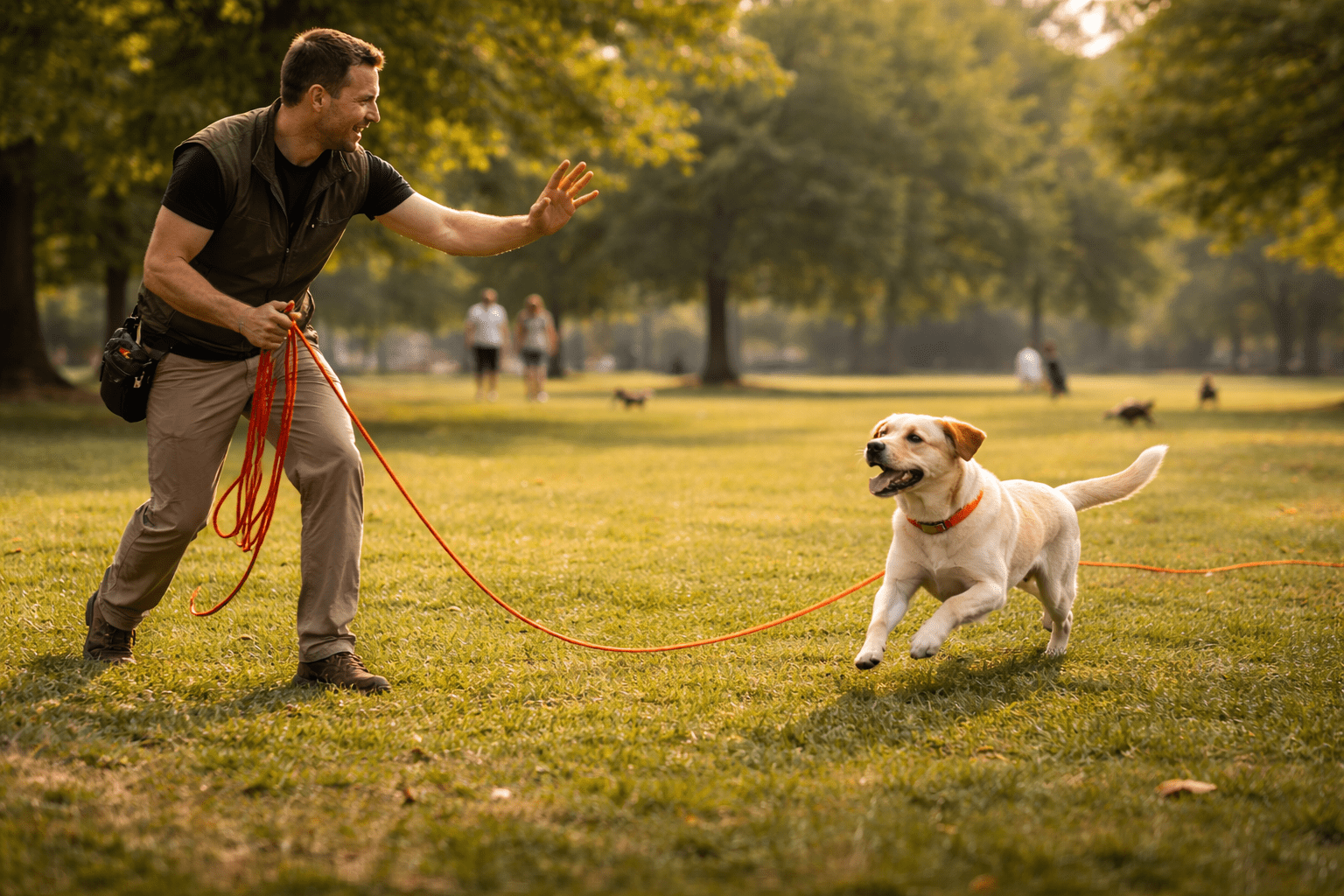
Use Management Tools: Long lines give you control during training without limiting your dog’s movement. Head halters help prevent pulling toward prey. These tools don’t replace training but make practice safer while your dog is still learning.
Practice the “Look at That” Game: Reward your dog for calmly noticing prey animals instead of chasing them. When your dog sees a squirrel but looks back at you, give immediate praise and treats. This builds the habit of checking in with you when prey appears.
The training table below shows a progression plan:
| Training Stage | Environment | Distance from Prey | Expected Success Rate | Duration |
| Foundation | Indoor, no distractions | N/A – using toys only | 90%+ | 2-4 weeks |
| Controlled Exposure | Fenced yard | 50+ feet | 70-80% | 4-8 weeks |
| Real-World Practice | Quiet park | 30-40 feet | 60-70% | 8-12 weeks |
| Advanced Training | Regular walks | 15-20 feet | 50-60% | 3-6 months |
| Maintenance | All environments | Variable | 70%+ long-term | Ongoing |
Remember that setbacks are normal. Your dog won’t progress linearly, and you’ll have frustrating days where old behaviors resurface. Consistency matters more than perfection. Even small improvements represent significant progress for dogs with strong prey drive.
Transform your dog’s behavior with expert guidance. Learn more about our obedience training course designed for lasting results.
Safety Considerations and Practical Tips
Managing prey drive isn’t just about training. It requires environmental management, safety precautions, and realistic expectations about what your dog can handle in different situations.
Keeping Your Dog and Others Safe
Safety must be your top priority when dealing with prey drive. One moment of lost control can result in tragedy for your dog, other animals, or even people.
Never Trust Off-Leash Time Completely: Even well-trained dogs can lose control when prey drive activates. In unfenced areas, always keep your dog on a long line rather than completely off-leash. A 30-foot training lead gives freedom while maintaining safety.
Secure Your Yard: Check fences regularly for weaknesses. Dogs with high prey drive will exploit any gap, loose board, or area where they can dig under. Sight hounds can jump surprisingly high fences when motivated by prey on the other side.
Be Cautious Around Small Pets: Never leave dogs with strong prey drive unsupervised with smaller animals, even if they’ve been “fine” in the past. The predatory sequence can trigger unexpectedly, and even friendly dogs may harm small pets when prey drive activates.
Watch for Triggers on Walks: Stay alert for potential triggers like squirrels, cats, or rabbits. Keep enough leash tension that you can react quickly if your dog spots prey. Position yourself between your dog and common trigger areas.
Consider a Muzzle for High-Risk Dogs: If your dog has injured other animals or shows intense predatory aggression, a basket muzzle provides an extra safety layer during training. Muzzles allow panting and drinking while preventing bites.
Avoid Retractable Leashes: These leashes don’t give you enough control when prey drive kicks in. Your dog can build momentum before you react, potentially pulling the leash from your hand or injuring themselves.
Creating Appropriate Outlets
Channeling prey drive into acceptable activities helps reduce problem behaviors and satisfies your dog’s natural instincts:
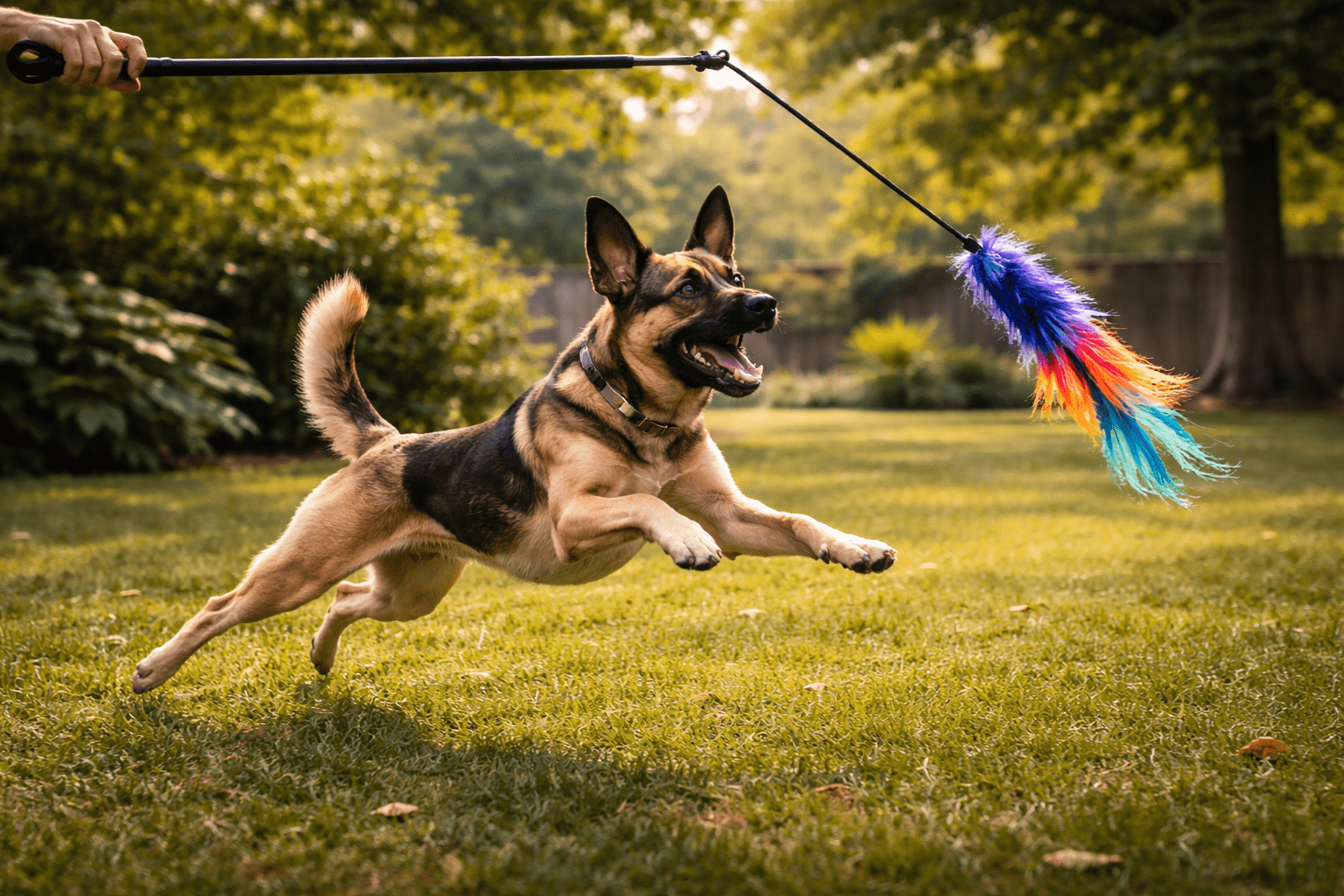
Flirt Pole Sessions: This long pole with a lure attached mimics prey movement. Your dog chases and “catches” the lure under your complete control. Start with short 5-10 minute sessions to avoid overexcitement.
Lure Coursing: Many sight hound clubs offer lure coursing where dogs chase mechanical lures around a course. This organized sport provides a safe outlet for high prey drive dogs to run full speed.
Fetch and Retrieve Games: Playing fetch satisfies the chase instinct while building impulse control. Practice “wait” before releasing your dog to chase the ball, and require a reliable return before throwing again.
Scent Work and Nose Games: Redirecting your dog’s focus to their nose can help manage prey drive. Hide treats or toys and let your dog search. This mental challenge tires dogs more effectively than physical exercise alone.
Agility Training: The movement and speed of agility courses appeal to dogs with prey drive. The structured nature teaches impulse control while providing an exciting outlet for energy.
Regular Training Sessions: Incorporate top dog training commands into daily routines. Short, frequent training sessions maintain impulse control and keep your dog mentally engaged.
Prey drive doesn’t have to be a constant battle. With proper management, training, and appropriate outlets, you can have a well-behaved dog who still gets to express natural instincts safely.
Wrapping Up: Understanding and Managing Prey Drive
What is prey drive in dogs? It’s a powerful, instinctive behavior that you can manage but never fully eliminate. Understanding your dog’s genetic background, recognizing the signs of activated prey drive, and implementing consistent training strategies will help you keep your dog safe while respecting their natural instincts.
Success comes from combining realistic expectations with patient, consistent training. Consider breed-specific tendencies when understanding top aggressive dog breeds and their unique training needs. Focus on building impulse control through positive reinforcement dog training methods that respect your dog’s natural instincts.
At K9 Mania Dog Training, we specialize in helping Long Island dog owners manage challenging behaviors like prey drive. Our experienced trainers understand how to work with high-drive dogs and create customized training plans that deliver real results. Whether you need intensive board and train Long Island services or prefer private sessions, we have the expertise to help your dog succeed. Contact us today to learn how we can transform your dog’s behavior and give you the confidence to handle any situation.
You May Also Want to Read
- Why Is My Dog Acting Scared? Common Causes and Solutions
- How to Stop Dogs from Digging: Proven Strategies
- How to Stop a Dog from Eating Poop
- How to Calm a Hyperactive Dog
Frequently Asked Questions
What triggers a dog’s prey drive?
Movement is the primary trigger for prey drive. Fast, erratic movements activate the instinct more strongly than slow, predictable motion. Sounds like squeaking, rustling, or scurrying also trigger prey drive, especially in breeds with strong hunting backgrounds. High-pitched noises mimic prey animals in distress and can instantly activate the predatory sequence.
What dog breed has the highest prey drive?
Terriers, particularly Jack Russell Terriers, typically have the highest prey drive because they were bred to hunt and kill small prey independently. Sight hounds like Greyhounds and Whippets also rank extremely high due to their breeding for chasing fast-moving prey at high speeds. Border Collies show intense prey drive modified for herding rather than killing.
How do you break a dog’s prey drive?
You cannot completely “break” or eliminate prey drive because it’s an instinctive behavior hardwired into your dog’s genetics. However, you can teach impulse control and redirect the behavior through consistent training. Building a strong recall, practicing impulse control exercises, and providing appropriate outlets help manage prey drive effectively without trying to suppress the instinct entirely.
How do I tell if my dog has prey drive?
Watch for intense focus on moving objects, rigid body posture when spotting potential prey, and immediate attempts to chase anything that moves quickly. Dogs with prey drive often fixate on squirrels, birds, or cats with laser-like focus and ignore your commands completely. They may whine, pull intensely on leash, or show excitement when they see small animals.
How long does 1 hour feel to a dog?
While not directly related to prey drive, dogs experience time differently than humans. One hour for a dog may feel longer due to their faster heart rate and metabolism, though exact comparisons are impossible to measure. What matters more for prey drive management is that dogs live in the present moment, which is why consistent training and immediate rewards work better than delayed consequences.
What dog breeds do not have a prey drive?
No breed is completely without prey drive, but companion breeds like Cavalier King Charles Spaniels, Shih Tzus, and Pugs typically show minimal predatory instincts. Livestock guardian breeds like Great Pyrenees were intentionally bred with low prey drive to protect animals rather than chase them. Bulldogs and other brachycephalic breeds also tend to have lower prey drive compared to working or hunting breeds.