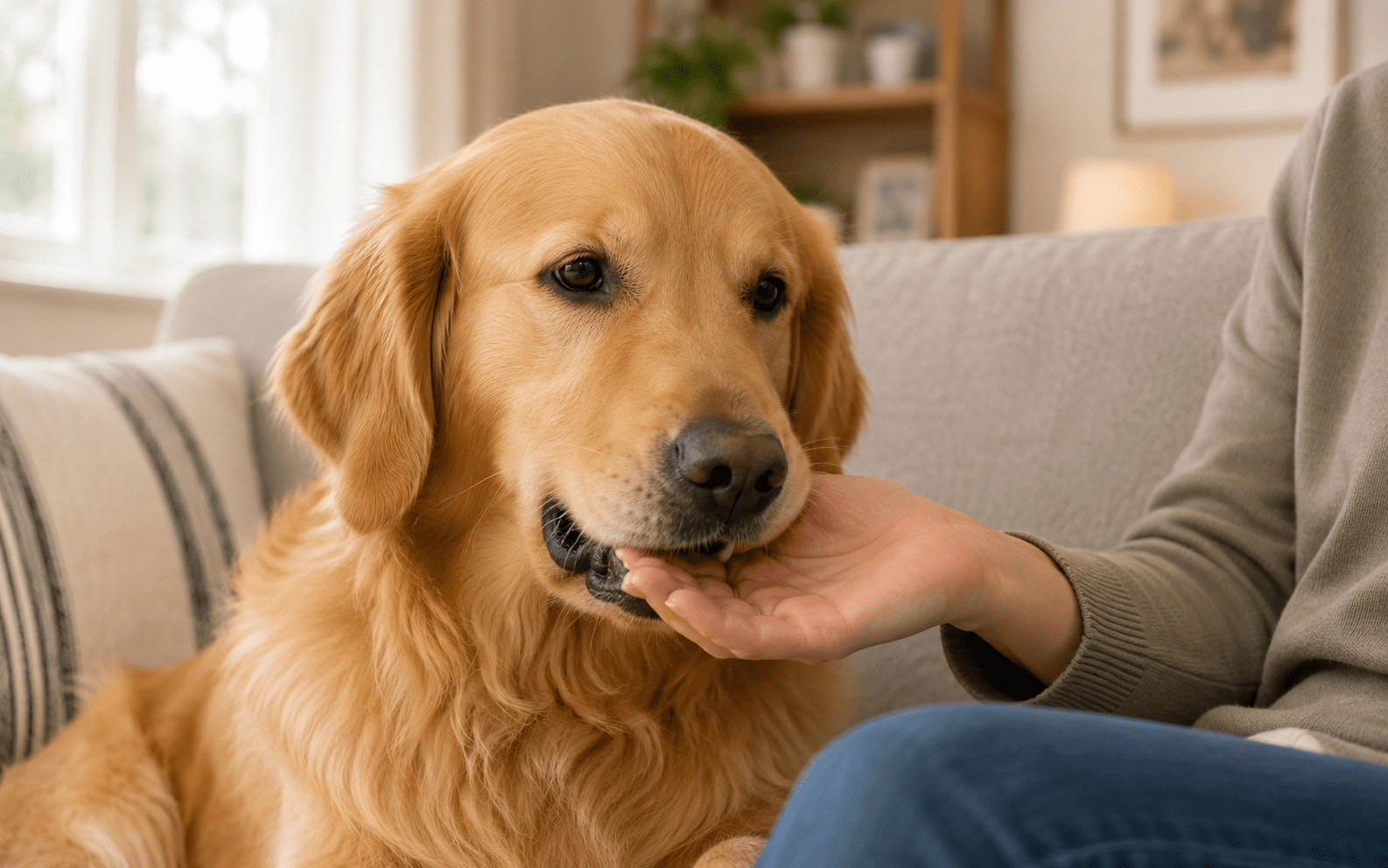
Dogs nibble on you to show affection, self-soothe, or carry over social grooming instincts from puppyhood. Once you understand why do dogs nibble on you, it becomes much easier to decide whether to let it continue or gently redirect it toward something better.
This behavior is common across all breeds and ages. Puppies mouth and nibble while teething and figuring out how to interact. Adult dogs often keep the habit because it was never redirected, or because it genuinely feels comforting to them. In most cases, soft nibbling is harmless and actually a good sign. It means your dog feels safe around you. That said, context always matters, and the same action can mean very different things depending on what else is going on.
📌Things to Know
- Nibbling uses only the front teeth and feels completely different from biting.
- Dogs who nibble on you are usually communicating something positive.
- Puppies nibble more because of teething and normal social learning.
- Calm, rhythmic nibbling is almost always a sign of affection.
- Nibbling that increases in pressure or frequency is worth taking seriously.
- Consistency from everyone in the household is what actually changes the behavior long-term.
Getting the full picture means looking beyond the nibble itself. Reading dog body language signals alongside this behavior gives you a much clearer idea of what your dog is actually expressing.
Why Do Dogs Nibble on You?
There isn’t a single cause behind this behavior. The motivation depends on your dog’s age, personality, and what’s happening around them. Here are the most common reasons.
Grooming You Is Their Way of Bonding
In dog social groups, grooming is how animals show they care about each other. When your dog nibbles gently on your arm, wrist, or ear, they’re often doing the same thing with you they would do with another dog they trust.
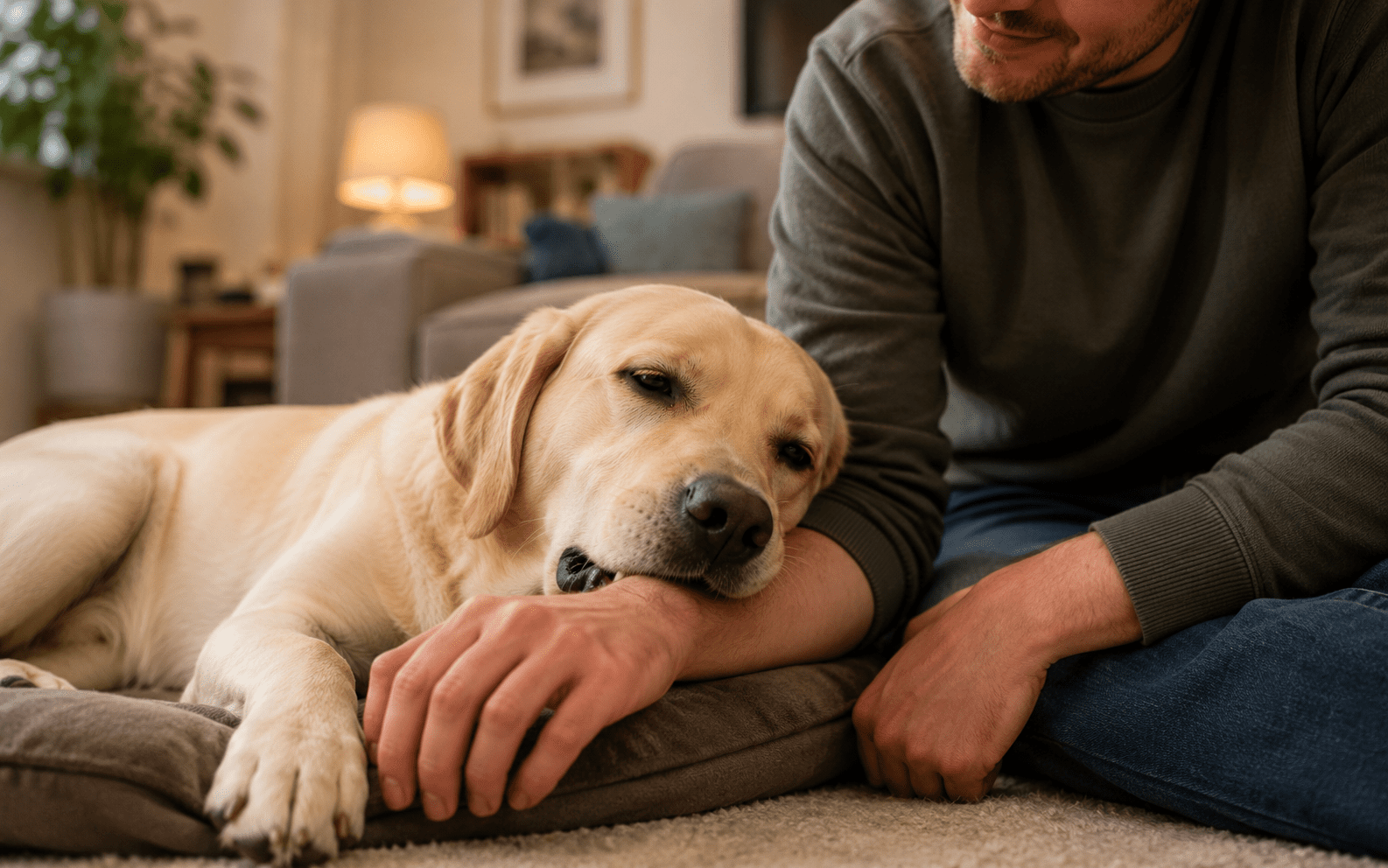
This type of nibbling is slow and rhythmic. Your dog isn’t tense or overly excited during it. They’re usually relaxed and close, maybe leaning against you or resting nearby. It’s one of the clearest ways a dog says you matter to them.
They’ve Learned It Gets Your Attention
Dogs are quicker learners than most people realize. If a soft nibble has ever made you react, laugh, look up from your phone, or even push them away, your dog made a mental note. Attention-seeking nibbling tends to ramp up the moment you’re focused on something else.
This isn’t aggression. It’s a dog using a tool that has worked before. The fix is simple but requires follow-through: stop rewarding it with any reaction.
It’s a Leftover Habit from Puppyhood
Puppies use their mouths constantly. They explore textures, test social limits, and play with people all through mouthing and nibbling. When this behavior isn’t redirected early, it follows dogs into adulthood without ever becoming a serious problem but also without going away. For a closer look at how this starts, read about why puppies bite and how it connects to normal development stages.
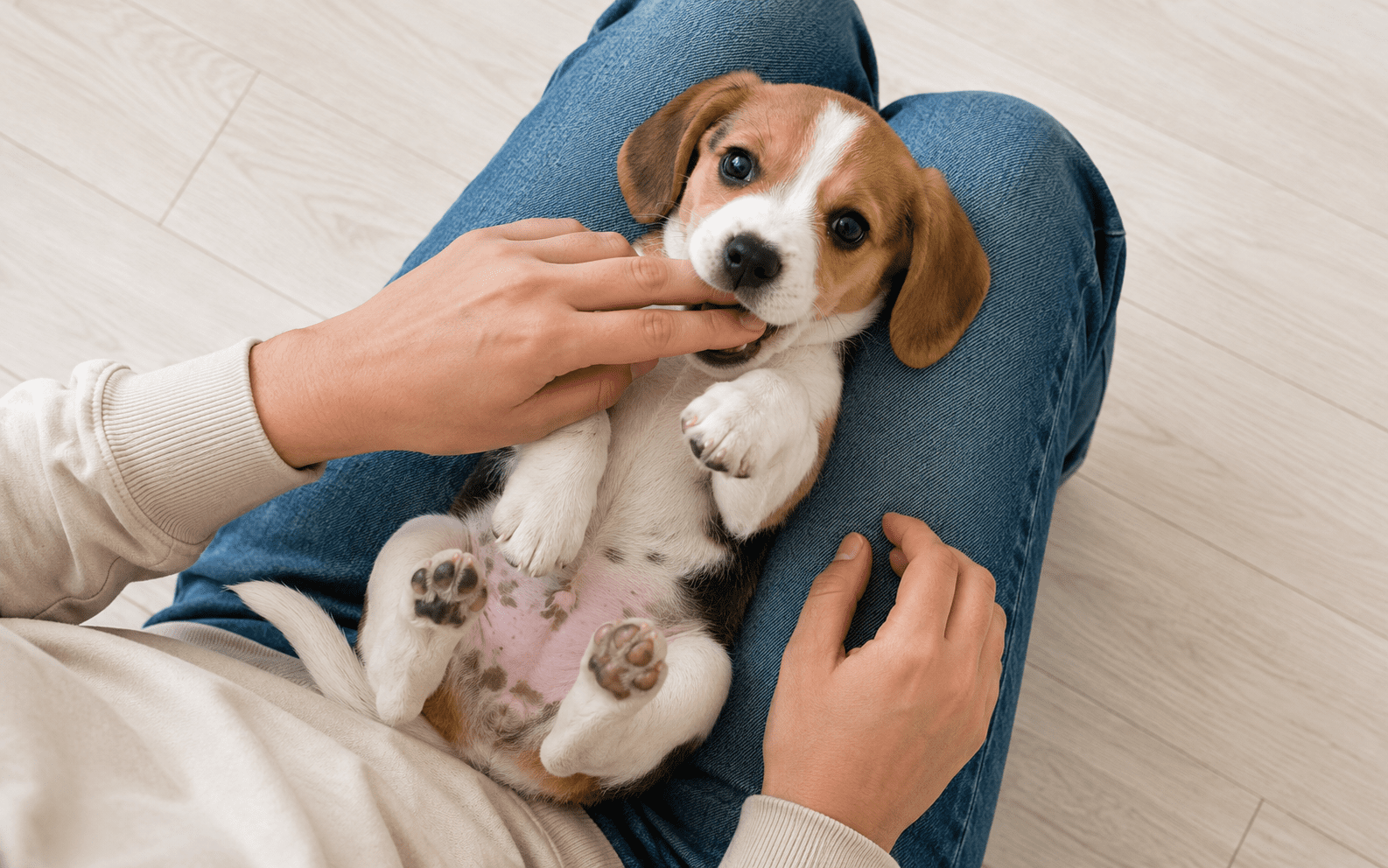
An adult dog that still nibbles on you isn’t misbehaving. It’s working with habits it was never taught to replace.
Anxiety or Overstimulation Is Driving It
Some dogs use nibbling to manage how they’re feeling. If a dog is anxious or overstimulated, nibbling can become a self-soothing behavior. It gives their mouth something to do when their nervous system has too much going on.
If your dog nibbles more around strangers, in loud environments, or during stressful situations, that’s a pattern worth paying attention to. This type of nibbling usually shows up alongside other signals like panting, pacing, or repetitive licking. Understanding why dogs lick so much can help you connect these behaviors and recognize when stress is the common thread.
They’re Just Playing With You
Playful nibbling looks and feels completely different from calm grooming-style nibbling. Your dog is loose, bouncy, and excited. Their tail is moving, their body is soft, and the nibbling is light and quick.
This is your dog engaging with you the same way they’d engage with another dog during play. It most often involves your hands or fingers during active time. The energy in the room tells you everything you need to know.
What Is Cobbing in Dogs?
Cobbing is a specific type of nibbling where your dog uses only their front teeth in a rapid, back-and-forth motion. It looks exactly like a dog eating corn off the cob, which is where the name comes from.
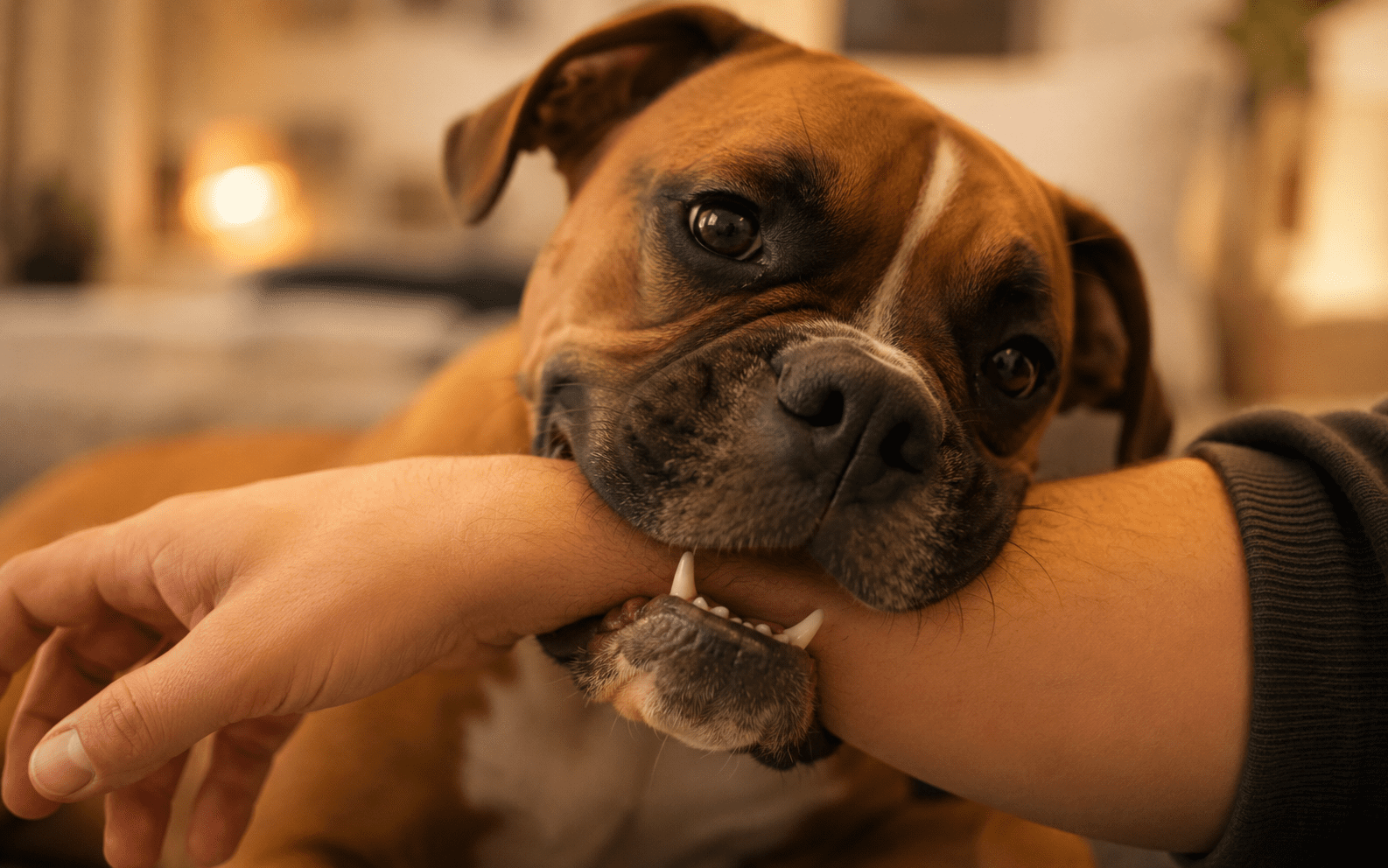
Cobbing is one of the most affectionate things your dog can do. Dogs that cob on their owners are almost always completely relaxed and content. There’s no tension in their body and no pressure behind the movement. It’s your dog expressing deep comfort around you.
This behavior shows up across all kinds of breeds. It doesn’t need to be corrected unless it’s happening at bad times or getting too rough. If your dog does this to you, take it as a compliment.
The Difference Between Nibbling and Biting
Nibbling and biting can look similar to someone who hasn’t experienced both, but they feel completely different and come from very different places.
| Behavior | Nibbling | Biting |
| Pressure Applied | Light, barely noticeable | Firm, sharp, or painful |
| Teeth Involved | Front teeth only | Full jaw |
| Dog’s Body Language | Relaxed, soft, and loose | Tense, stiff, or rigid |
| Common Trigger | Affection, habit, or play | Fear, pain, or perceived threat |
| Rhythm | Slow and rhythmic | Quick or sustained |
| Response Needed | Allow or redirect | Trainer involvement |
If what you’re experiencing matches the nibbling column, you’re dealing with affection or habit. If it’s tracking toward biting, don’t push through it without help.
Should You Let Your Dog Nibble on You?
There’s no universal rule. Some nibbling is completely fine to allow. Some of it, left unchecked, becomes a harder habit to break as your dog gets older or bigger.
| Situation | Allow It? | What to Do |
| Calm cobbing from a relaxed adult dog | Yes | No correction needed |
| Puppy nibbling during play | Redirect | Swap in a chew toy immediately |
| Nibbling that keeps increasing in pressure | No | Stop the interaction |
| Nibbling tied to anxiety or stress signals | No | Address the anxiety first |
| Attention-seeking nibbling | No | Ignore it, reward calm behavior |
| Soft grooming nibble during bonding time | Yes | Let it continue |
A simple way to think about it: if your dog is calm and soft, and the pressure stays light, there’s no reason to make it a problem. If it’s escalating in any direction, step in before it becomes harder to manage.
What To Do When Your Dog Nibbles on You
Figuring out why do dogs nibble on you is only part of the solution. The other part is having a clear, consistent response every single time.
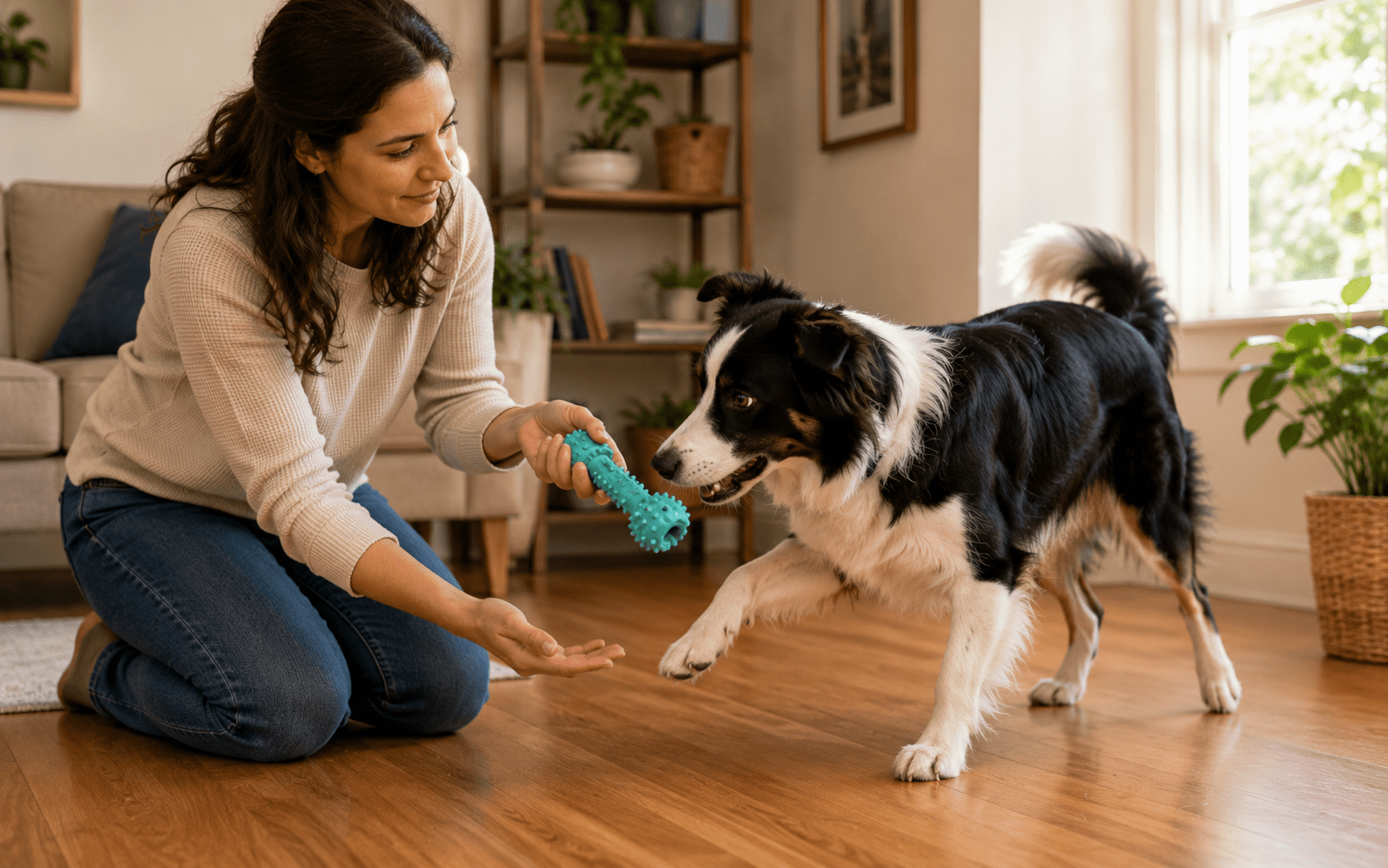
Redirect with a chew toy. Keep one nearby during active time. The second nibbling starts, offer the toy. You’re not punishing affection. You’re giving your dog something better to do with that energy.
End the interaction. If attention-seeking is the trigger, stopping the fun is the most effective response. Stand up, turn away, and wait for calm before re-engaging.
Avoid jerking away. Pulling your hand back fast can trigger a chase response. Your dog’s instinct kicks in and the nibbling gets worse or faster. A slow, calm withdrawal works much better.
Reward the behavior you want. When your dog is beside you with their mouth to themselves, acknowledge it. A calm “yes” or a small treat reinforces the habit you’re actually building.
Be consistent across the whole household. If one person allows nibbling and another corrects it, your dog doesn’t know what the rule is. Everyone needs to respond the same way.
For dogs where home redirection alone isn’t enough, private dog training Long Island gives you a targeted plan built around your dog’s specific triggers and patterns.
When Nibbling Needs More Than Redirection
Most nibbling clears up with consistent handling at home. But some situations call for a professional.
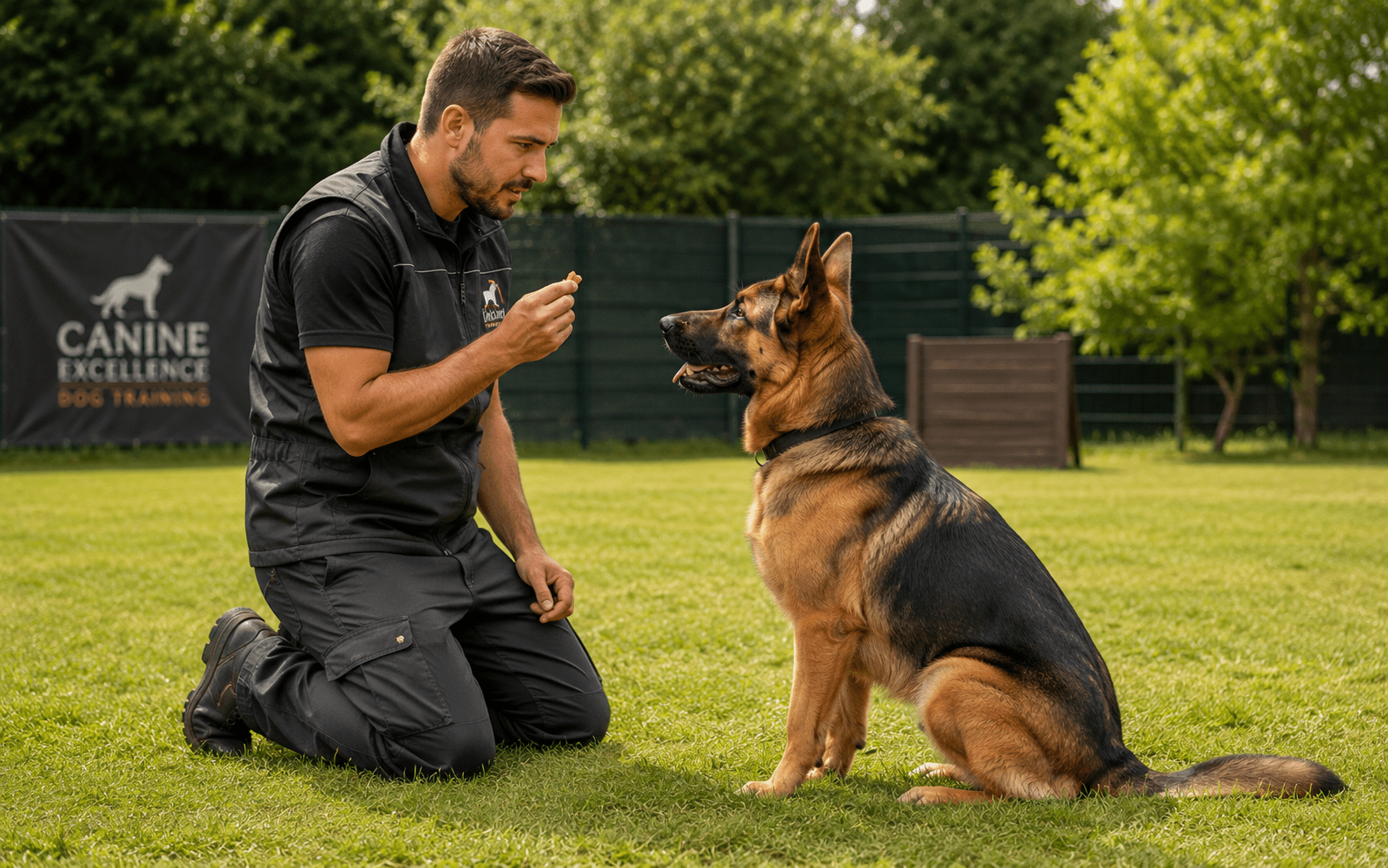
Bring in a trainer if:
- The nibbling is getting harder or more frequent despite your efforts
- Your dog won’t stop when you redirect
- It’s happening with kids or people outside the family
- Growling, stiffening, or snapping shows up alongside the nibbling
These signs suggest something deeper is driving the behavior. In-home dog training Long Island addresses it in the actual environment where it happens, which often produces faster, longer-lasting results than working in an unfamiliar setting.
The Real Answer to Why Do Dogs Nibble on You
Dogs nibble because they’re communicating, and most of the time, they’re communicating something good. Affection, comfort, playfulness, and habit are behind the vast majority of nibbling behavior. When you know what to look for and how to respond, it stops being confusing.
At K9 Mania Dog Training, we’re Long Island’s leading board and train provider with experienced animal behaviorists who understand dog behavior at every level. Whether your dog’s nibbling is a sweet habit or a sign of something that needs structured attention, we can help you address it the right way. Trust K9 Mania to guide you through any dog behavior challenge with real, lasting solutions. Board and train Long Island is one of the most effective options for dogs that need consistent, professional support.
You May Also Want to Read
Do Dogs Have Object Permanence?
How Do Dogs Communicate With Each Other
How to Stop a Dog from Marking in the House
Dog Collar Color Meaning: What Each Color Signals to Strangers
Frequently Asked Questions About Why Dogs Nibble on You
What’s the Difference Between Nibbling and Biting?
Nibbling is light, uses only the front teeth, and comes from a relaxed dog. Biting applies real pressure, involves the full jaw, and typically comes from fear, pain, or a perceived threat. The body language tells you the rest. A nibbling dog is loose and calm. A dog that bites is usually stiff and fixated. If the pressure ever feels sharp or the dog’s body goes tense, take that seriously and don’t dismiss it as nibbling.
Why Do Dogs Nibble on You With Front Teeth?
Using just the front teeth is a deliberate form of gentle communication, most often tied to grooming, affection, or playfulness. Dogs physically cannot apply much force this way, which is why it almost never hurts. When your dog chooses this method, it usually means they’re in a calm, connected state and want to interact without triggering a reaction. It’s a controlled, intentional behavior, not accidental mouthing.
Should You Let Your Dog Nibble on You?
Gentle nibbling from a calm, relaxed dog is generally fine to allow, as long as it stays soft and doesn’t escalate. The situation worth correcting is when nibbling increases in pressure, starts happening with strangers or children, or shows up as a demand behavior rather than affection. If it stays light and your dog is clearly settled, there’s no behavioral harm in letting it continue.
What Does It Mean When Your Dog Gently Nibbles on You?
Gentle nibbling almost always signals affection or social bonding. It’s rooted in the grooming behavior dogs use with members of their social group. When a dog nibbles softly and slowly on your hand or arm, they’re communicating comfort and trust. It’s one of the more direct ways a dog shows that they feel emotionally safe with a person. Slow rhythm and a relaxed body confirm it’s coming from a good place.
What Is Cobbing in Dogs?
Cobbing is a front-teeth nibbling behavior where the dog moves rapidly back and forth in a motion that resembles eating corn off the cob. It’s strongly linked to contentment and affection. Dogs that cob on people are almost always completely at ease. It’s not a warning sign and doesn’t require correction unless it’s getting rough or happening at clearly inappropriate times. Most owners who experience it describe it as one of their dog’s more endearing habits.
What To Do When Your Dog Nibbles on You
The most effective response combines redirection, consistency, and rewarding calm behavior rather than reacting to the nibbling itself. For playful or habit-based nibbling, swap in a chew toy and end the interaction the moment it starts. For attention-seeking nibbling, ignore it completely and give attention only when your dog is settled. Avoid pulling your hand away fast, keep your response the same every time, and make sure everyone in your home handles it identically.