Dogs circle before lying down because of instincts inherited from their wild ancestors, who circled to flatten grass, check for predators, and create a comfortable resting spot. This pre-sleep ritual also helps them regulate body temperature and mark their territory through scent glands in their paws.
If you’ve ever watched your dog spin in circles before settling down for a nap, you’re witnessing a fascinating behavior that connects modern pets to their ancient wolf ancestors. This circling ritual might seem odd or even funny, but it serves several important purposes that have helped canines survive for thousands of years.
Understanding why do dogs circle before lying down can give you deeper insight into your pet’s natural instincts and help you recognize when normal behavior crosses into something that might need attention. In this guide, we’ll explore the science behind this common canine habit, what it means for your dog’s health, and when you should be concerned.
Want to understand more about your dog’s natural behaviors? Learn to read dog body language signals to strengthen your bond and improve communication.
Why Dogs Circle Before They Settle Down
Your dog’s bedtime ritual goes back thousands of years to when their ancestors lived in the wild. These behaviors weren’t just quirky habits but survival strategies that kept wolves and wild dogs safe and comfortable.
Wild Canine Nesting Instincts
In the wild, wolves and other canines didn’t have soft beds waiting for them. They had to create their own sleeping spots in grass, leaves, or dirt. By circling and pawing at the ground, they could flatten vegetation to make a more comfortable surface.
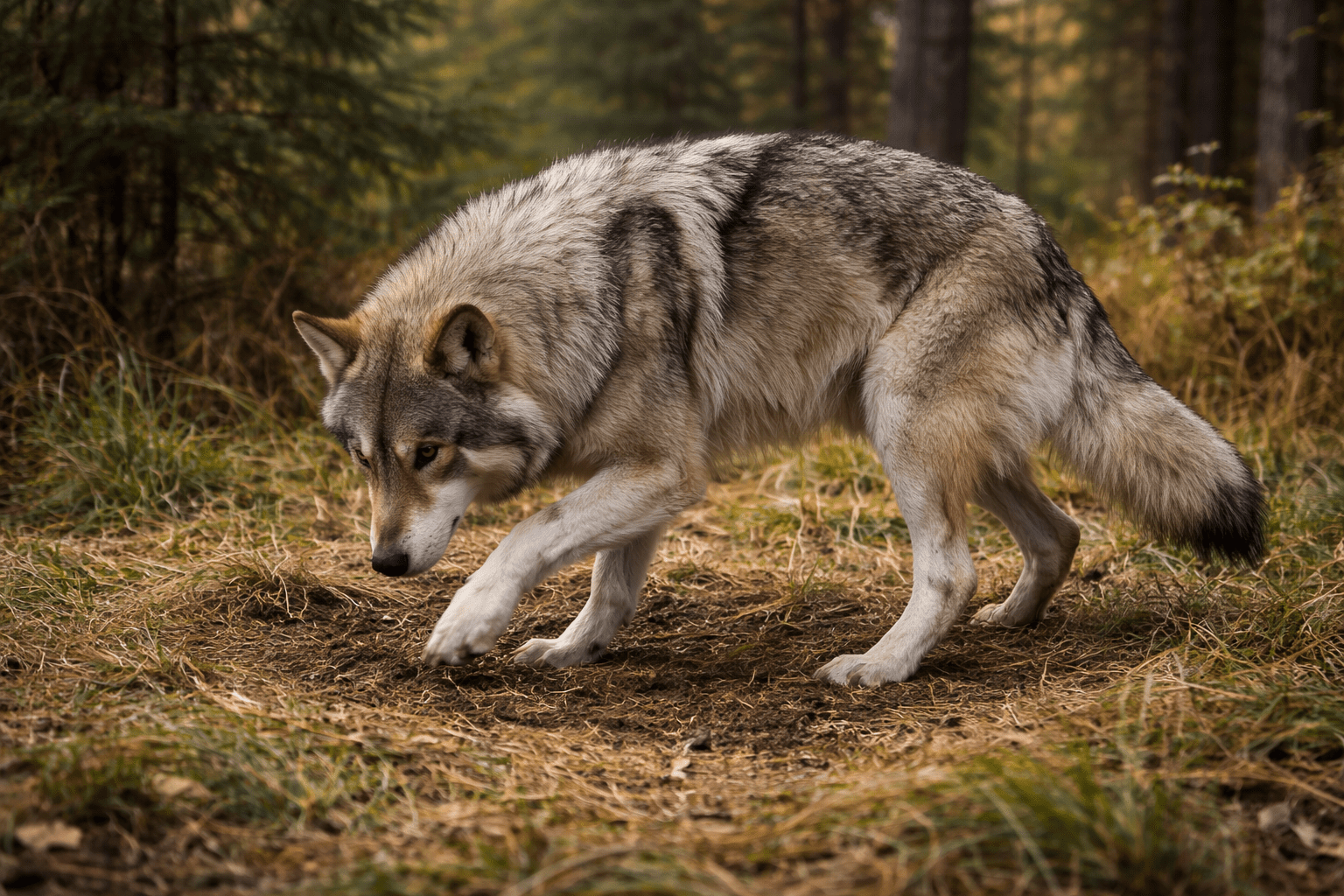
This circling motion also helped them clear away rocks, sticks, or anything else that might poke them during sleep. Even though your dog has a plush bed at home, their brain still tells them to prepare their sleeping area the same way their ancestors did.
Wild dogs also used circling to check the immediate area for threats. By turning in circles, they could scan their surroundings from different angles and make sure no predators were sneaking up on them. This 360-degree security check gave them peace of mind before they settled into a vulnerable sleeping position.
Temperature Regulation Through Circling
Temperature control played a big role in why do dogs circle before lying down in their natural habitats. During hot weather, wild canines would dig and circle to reach cooler soil beneath the surface layer. The circling motion helped them create a shallow depression where cooler earth was exposed.
In cold weather, circling served the opposite purpose. By pawing and turning in tight circles, they could create a nest-like depression that would trap their body heat. Curling up in this self-made hollow kept them warmer through cold nights.
Your modern dog might still circle more in extreme temperatures, even with climate control in your home. It’s a hardwired response that their brain triggers automatically based on how they feel.
Territorial Scent Marking
Dogs have scent glands in their paw pads that release unique chemical signals. When they circle and scratch before lying down, they’re actually marking that spot as their own territory. This scent marking tells other dogs “this spot is taken.”
Even in a single-dog household, your pet might still perform this ritual. The instinct to claim a sleeping space runs deep, dating back to when wild dogs needed to establish their place within a pack hierarchy.
The combination of pawing and circling spreads these scent markers more effectively than simply lying down would. Your dog is basically saying “this is my bed” in a language other dogs would understand.
Looking to address concerning behaviors in your dog? Explore solutions for common dog behavior issues with professional guidance.
Modern Reasons Dogs Circle Before Sleeping
While ancient instincts drive much of this behavior, your contemporary canine companion has additional reasons for their pre-sleep spinning routine that relate to their current environment and needs.
Comfort and Position Adjustment
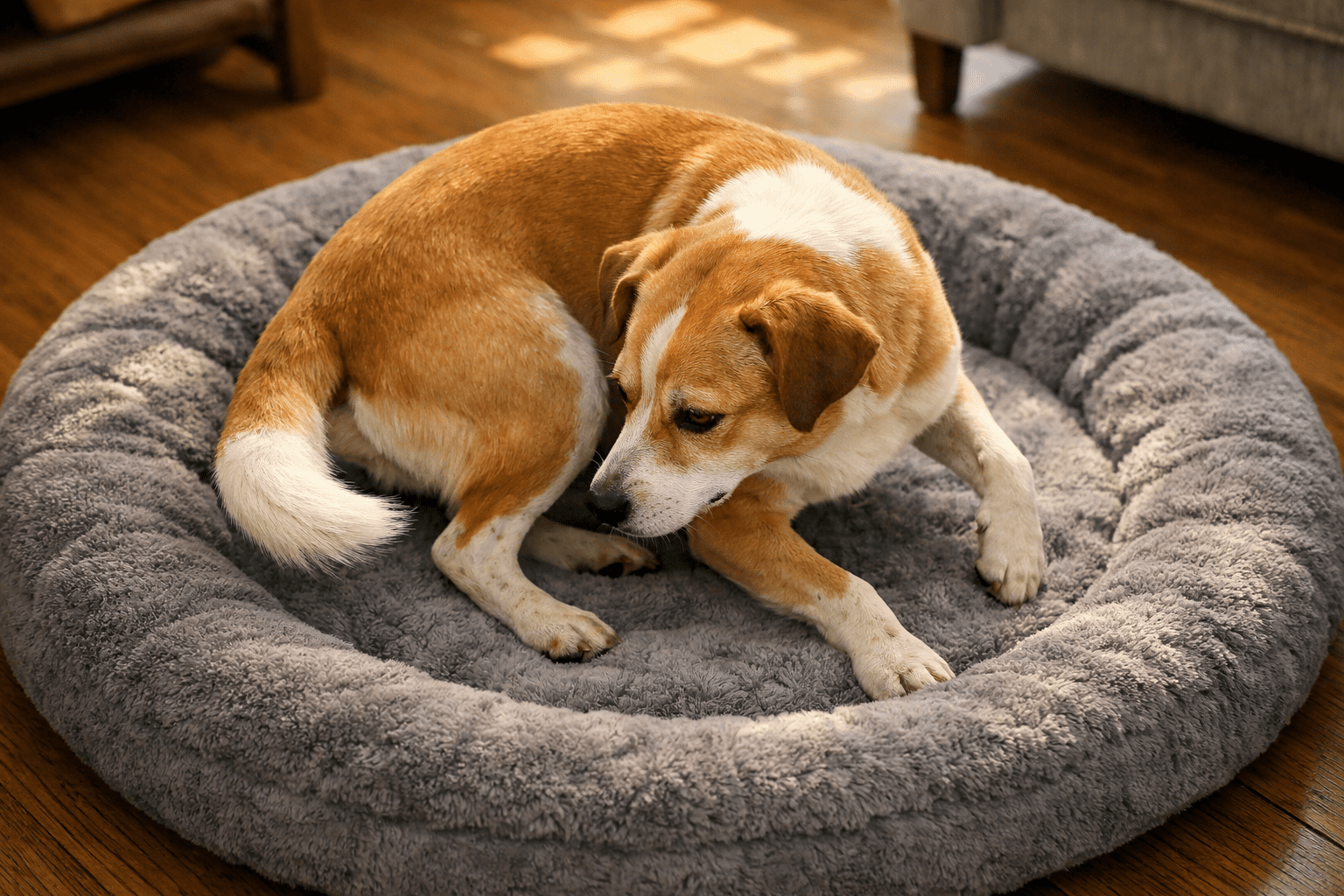
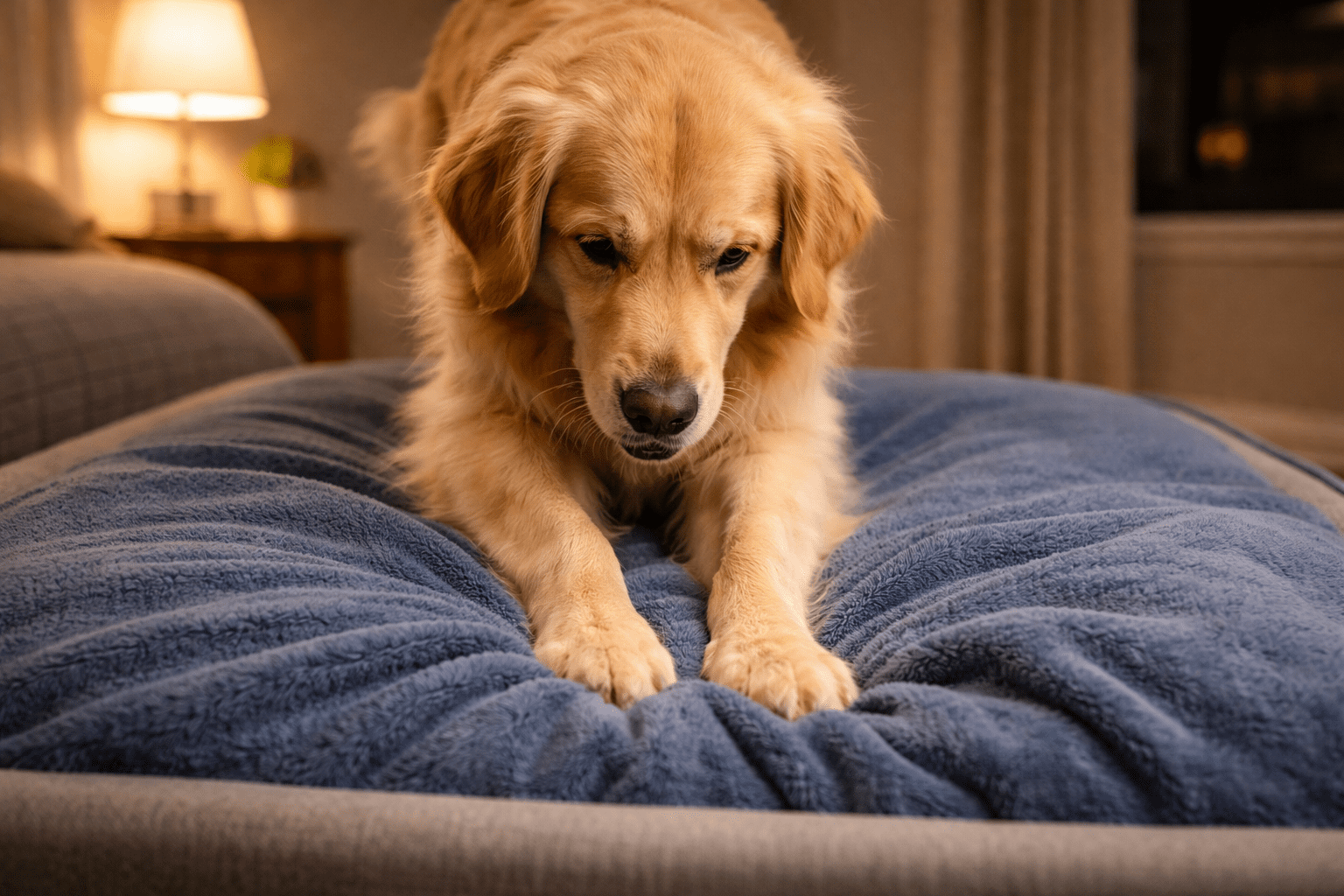
Just like you might fluff your pillow or adjust your blankets, your dog circles to find the most comfortable position. They’re testing different spots and angles to see what feels best for their body.
This circling helps them figure out how to position their spine, where to place their head, and how to tuck their legs. Dogs are surprisingly particular about their sleeping positions, and circling helps them nail down the perfect arrangement.
Some dogs will circle multiple times if they don’t get it right on the first try. This isn’t unusual or concerning. It just means your dog has high standards for comfort, which is actually a good sign they feel safe and secure enough to be picky.
Safety Assessment in Domestic Environments
Even in the safety of your home, dogs maintain their instinct to check for threats before sleeping. Your dog might circle to face the door, keep their back to a wall, or position themselves where they can see the whole room.
This behavior shows your dog is still operating on the same safety protocols that kept their ancestors alive. They want to rest in a position where they can quickly respond to any potential danger, even though the biggest threat in your living room is probably running out of treats.
Dogs who feel anxious or insecure might circle more than confident dogs. If your dog circles excessively, it could mean they don’t feel entirely safe in their sleeping area. Providing a quiet, secure spot away from high-traffic areas can help reduce this behavior.
Bed and Surface Preparation
Modern dog beds need preparation too, even if they don’t have sticks and rocks. Your dog circles to fluff up the bedding, adjust blankets, or move pillows around to create their ideal sleeping surface.
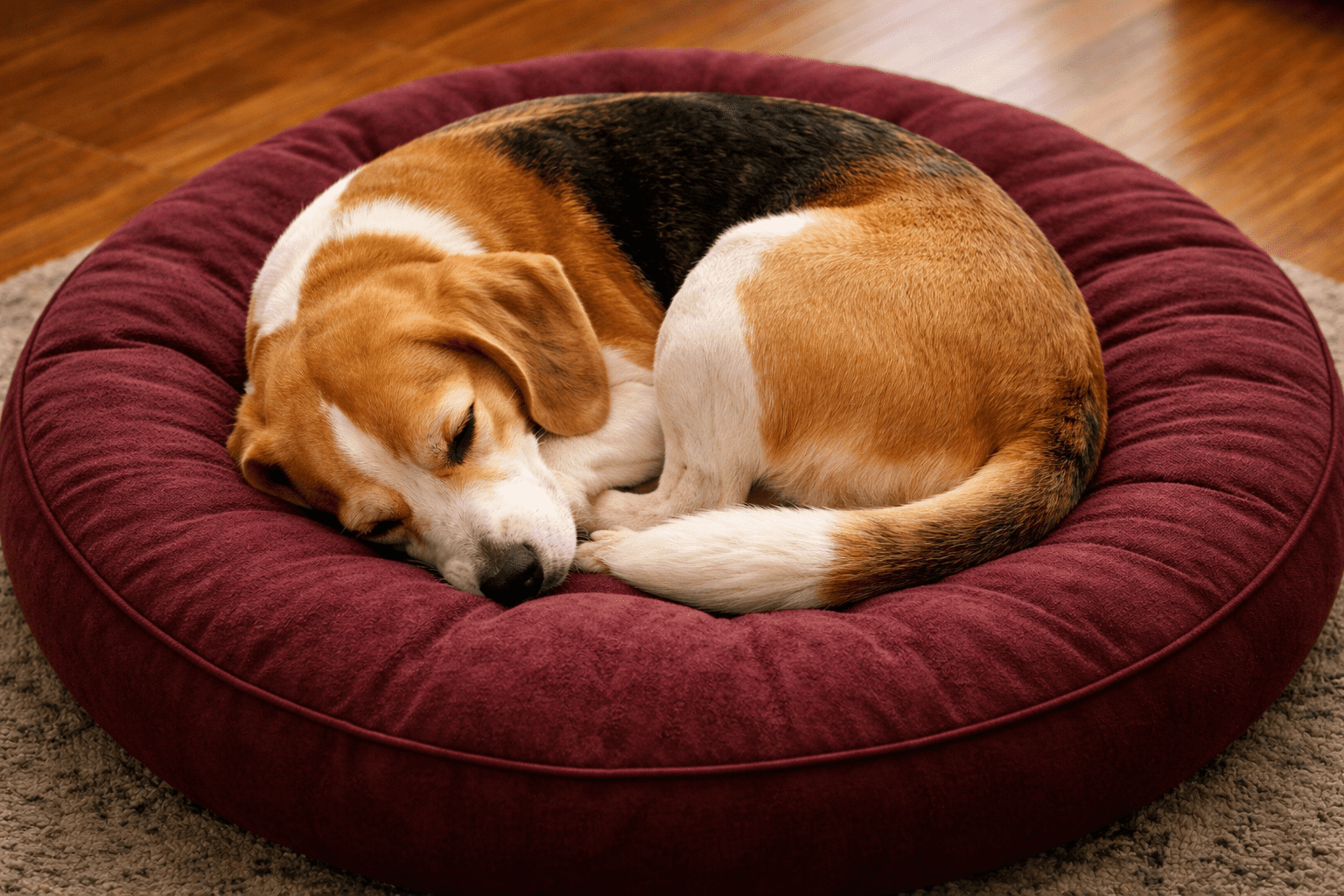
This preparation behavior is especially common in dogs with thick beds or those who sleep with blankets. The circling motion helps them create the perfect nest by bunching up fabric or spreading it out, depending on their temperature needs.
Some dogs will also use circling to test the firmness of their sleeping surface. They’re checking if the bed provides enough support or if it needs adjustment before they commit to lying down.
Understanding Different Dog Circling Patterns
Not all circling looks the same, and the variations in this behavior can tell you a lot about what your dog is thinking or feeling. Recognizing these patterns helps you understand your pet better.
Normal vs. Excessive Circling Behavior
Normal circling typically involves one to three complete rotations before your dog settles down. This is the standard pattern inherited from wild ancestors and usually indicates a healthy, comfortable dog preparing for rest.
Excessive circling means your dog spins many more times than usual, seems unable to settle, or appears distressed during the process. This could signal pain, anxiety, or a neurological issue that needs veterinary attention.
Here’s how to distinguish between normal and concerning circling patterns:
| Normal Circling | Excessive Circling |
| 1-3 rotations before lying down | 5 or more rotations, sometimes continuous |
| Dog settles calmly afterward | Dog seems restless or unable to get comfortable |
| Happens primarily at bedtime | Occurs frequently throughout the day |
| Dog appears relaxed and content | Dog shows signs of stress or discomfort |
| Consistent pattern over time | Sudden increase in circling frequency |
Age-Related Changes in Circling
Puppies might circle less than adult dogs because their instincts are still developing. As they mature, you’ll likely notice them adopting more of this pre-sleep ritual, especially if they observe older dogs doing it.
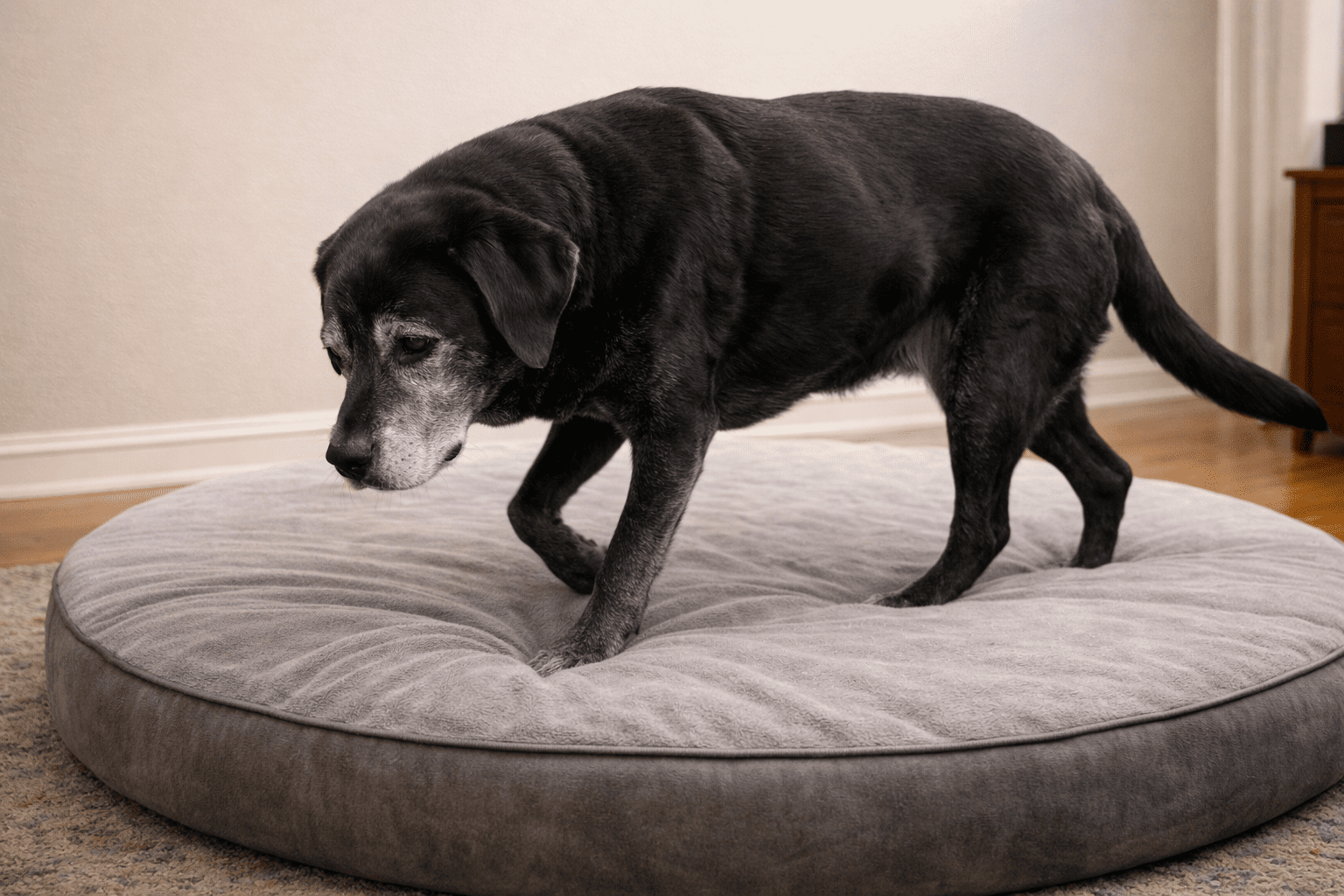
Senior dogs often circle more slowly or may struggle to complete the rotation due to arthritis or joint pain. You might notice your older dog attempting to circle but giving up and just lying down instead. This can be a sign that movement is becoming uncomfortable for them.
Some elderly dogs also develop cognitive dysfunction syndrome (similar to dementia in humans), which can cause repetitive behaviors including excessive circling. If your senior dog suddenly starts circling much more than usual, it’s worth mentioning to your veterinarian.
Need help teaching your dog proper resting behaviors? Check out our guide on how to train a dog to lay down for better control and communication.
When Dog Circling Becomes a Concern
While circling before lying down is typically normal, certain situations require attention from a veterinarian or professional trainer. Knowing when to seek help protects your dog’s health and well-being.
Medical Issues That Cause Excessive Circling
Several health conditions can cause dogs to circle more than normal or in unusual ways. Pain from arthritis, hip dysplasia, or spinal problems might make your dog circle repeatedly as they try to find a position that doesn’t hurt.
Ear infections or vestibular disease can affect your dog’s balance and cause them to circle in one direction consistently. This type of circling usually happens when they’re walking, not just before lying down, and often comes with head tilting or stumbling.
Neurological conditions, including brain tumors or seizures, can also manifest as compulsive circling. This circling often looks different from normal pre-sleep behavior and might happen at random times throughout the day.
Here are medical conditions associated with abnormal circling:
| Condition | Symptoms to Watch For | When to See a Vet |
| Arthritis or joint pain | Difficulty standing, limping, reluctance to move, circling many times to find comfortable position | If circling increases or dog shows pain signs |
| Ear infection or vestibular disease | Head tilt, loss of balance, circling in one direction while walking, nausea | Immediately, especially with sudden onset |
| Cognitive dysfunction (senior dogs) | Disorientation, pacing, forgetting routines, circling without purpose | Within a few days of noticing symptoms |
| Anal gland discomfort | Scooting, licking rear end, difficulty sitting, circling combined with bottom dragging | Within a week, sooner if dog seems distressed |
| Neurological issues | Seizures, head pressing, unusual eye movements, compulsive circling at random times | Immediately for emergency evaluation |
Compulsive Behavior and Anxiety
Some dogs develop compulsive circling that goes beyond normal instinct. This often stems from anxiety, stress, or obsessive-compulsive disorder. Dogs with these issues might circle dozens of times before lying down or circle throughout the day without actually resting.
Separation anxiety can make circling worse when you’re about to leave or right after you return home. The dog uses circling as a self-soothing behavior to cope with stress, similar to how some people pace when nervous.
Environmental changes like moving to a new home, adding a new pet, or changes in your schedule can trigger increased circling. If you notice a sudden change in your dog’s circling behavior after a major life event, anxiety might be the cause.
When to Consult Your Veterinarian
Schedule a vet visit if your dog’s circling behavior changes suddenly or becomes excessive. A veterinarian can rule out medical causes and recommend treatment if needed.
Also seek professional help if circling is accompanied by other symptoms like loss of appetite, lethargy, vomiting, or changes in bathroom habits. These combinations often indicate underlying health issues.
For behavioral concerns without medical causes, a professional dog trainer or veterinary behaviorist can help. They can develop a plan to reduce anxiety-driven circling and help your dog feel more secure.
Struggling with persistent behavior challenges? Our dog obedience training programs address underlying issues and build better habits.
Supporting Your Dog’s Natural Circling Instinct
You don’t need to stop your dog from circling before lying down since it’s a natural and usually harmless behavior. Instead, you can create an environment that supports this instinct while keeping your dog comfortable and healthy.
Creating the Ideal Sleeping Environment
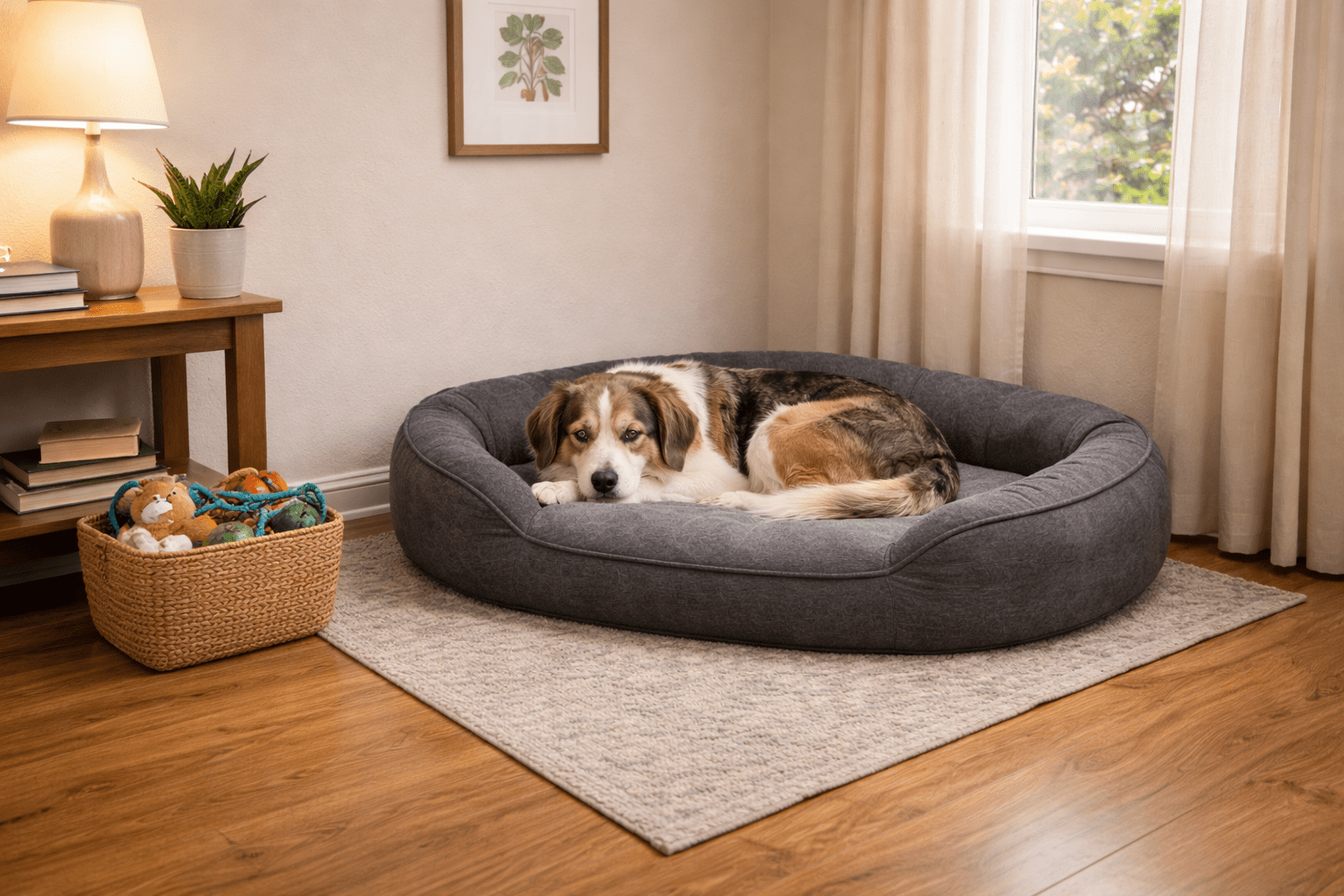
Give your dog a bed large enough to circle freely without hitting anything. Use soft or flexible bedding they can adjust to “nest.” Place the bed in a quiet, low-traffic area so they feel safe and don’t over-circle.
Respecting Breed-Specific Behaviors
Some breeds circle more due to instinct, like herding or digging dogs. Smaller dogs stay playful longer, while large breeds may slow down. Knowing your dog’s breed helps you understand what’s normal.
Managing Circling in Multi-Dog Households
Multiple dogs may circle more to claim space. Provide separate beds to avoid tension. Puppies may copy older dogs, which is a natural part of learning.
Wrapping Up: The Circle of Canine Sleep Habits
Understanding why do dogs circle before lying down connects us to the remarkable history our pets carry in their DNA. This simple bedtime ritual links your modern companion to ancient wolves who survived by staying alert, comfortable, and safe in the wild.
While most circling is perfectly normal and healthy, staying aware of changes in this behavior helps you catch potential health or anxiety issues early. By providing the right sleeping environment and respecting your dog’s natural instincts, you support their well-being while honoring the wild canine that still lives within them.
Whether your dog circles once or three times, fast or slow, with digging or without, they’re following instructions written into their genetic code thousands of years ago. It’s one of many reminders that despite all their domestication, dogs remain beautifully connected to their wild origins.
At K9 Mania Dog Training, we help Long Island owners address dog compulsive circling and behavior issues. Our trainers target root causes like anxiety. Through private or board and train programs, we restore balance and bring calm to your dog’s life.
You May Also Want to Read
- Do Dogs Hold Grudges
- How to Stop Resource Guarding in Dogs
- Redirected Aggression in Dogs
- What Is Displacement Behavior in Dogs?
Frequently Asked Questions
Why does my dog circle his bed before lying down?
Your dog circles his bed before lying down due to instincts inherited from wild ancestors who circled to flatten grass, create comfortable nests, and check for threats. This behavior also helps your dog test the surface, adjust bedding, find the most comfortable position, and mark the area with scent from paw glands. Even though your dog has a soft bed and no predators to worry about, these ancient survival instincts remain hardwired in their brain and trigger automatically at bedtime.
Why do dogs move blankets around before lying down?
Dogs move blankets around before lying down to create a comfortable nest that mimics the sleeping areas their wild ancestors made in grass and leaves. By bunching, pushing, or digging at blankets, they’re trying to adjust the thickness, warmth, and shape of their sleeping surface. This blanket rearranging also helps them regulate temperature by creating insulation in cold weather or spreading fabric out in warm conditions. The behavior combines instinct with practical comfort-seeking as they prepare their perfect sleeping spot.
Why do dogs go in circles when laying down?
Dogs go in circles when laying down because this behavior served multiple survival purposes for their wild ancestors, including flattening vegetation, checking surroundings for predators, creating temperature-regulating nests, and marking territory with paw scent glands. Modern dogs maintain these instincts even in safe home environments because the behaviors are genetically programmed. Circling also helps your dog find the most comfortable position by testing different angles and alignments before committing to rest. Most dogs circle one to three times as part of their normal bedtime routine.
What can I do to stop my dog from circling?
You shouldn’t try to stop normal circling behavior since it’s a natural, harmless instinct that helps your dog feel comfortable and secure. However, if circling becomes excessive due to anxiety, provide a quiet sleeping area away from household traffic, maintain consistent routines, and consider calming aids like anxiety wraps or pheromone diffusers. For compulsive circling caused by stress or medical issues, consult your veterinarian to rule out pain or neurological problems, and work with a professional trainer to address underlying behavioral causes.
Why do dogs curl up in a circle when they sleep?
Dogs curl up in a circle when they sleep to conserve body heat, protect vital organs, and maintain a defensive position inherited from wild ancestors. This sleeping posture allows them to tuck their nose near their tail, which keeps their breathing passages warm and helps them detect scents even while resting. The curled position also makes dogs a smaller target and protects their belly, which is their most vulnerable area. Dogs naturally uncurl when they feel completely safe and secure or when the environment is warm enough that heat conservation isn’t needed.
Do dogs circle more as they age?
Senior dogs might circle differently as they age rather than necessarily circling more. Older dogs often circle more slowly or fewer times due to arthritis and joint pain that makes rotation uncomfortable. However, some elderly dogs with cognitive dysfunction syndrome or dementia may develop compulsive circling that happens more frequently throughout the day, not just at bedtime. If your aging dog shows sudden changes in circling patterns, walks in circles without lying down, or seems disoriented during circling, these could indicate medical issues requiring veterinary evaluation.