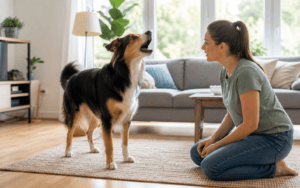
Why do dogs growl? Growling is a natural form of canine communication that expresses emotions ranging from fear and discomfort to playfulness and warning. Dogs use growls as vocal signals to tell you or other animals how they’re feeling and what they need in a given moment.
Understanding your dog’s growls can strengthen your bond and help you respond appropriately to their needs. Whether it’s a low rumble during play or a warning sign during stressful situations, each growl carries important information about your dog’s emotional state.
In this guide, we’ll break down the different types of growls, what triggers them, and how you can respond to keep both you and your dog safe and comfortable.
Looking for expert help with your dog’s behavior? Our board and train Long Island program addresses communication issues and builds lasting trust.
What Growling Really Means
Growling isn’t always a sign of aggression or bad behavior. It’s actually one of the primary ways dogs communicate their feelings and set boundaries with the world around them.
Think of growling as your dog’s way of saying “I’m not comfortable with this” or “Please give me space.” Dogs can’t use words, so they rely on body language and vocalizations to get their point across.
When a dog growls, they’re giving you valuable information about their emotional state. Ignoring or punishing this communication can actually make things worse, because you’re removing their ability to warn you before they feel forced to escalate to snapping or biting.
Growling as a Warning System
Most growls serve as an early warning system. Your dog is essentially saying “I’m uncomfortable, and I need this situation to change before I have to do something more drastic.”
This is actually a good thing. A dog that growls is communicating clearly instead of going straight to a bite. They’re giving you a chance to recognize their discomfort and address it.
When you respect your dog’s growl and respond appropriately, you’re teaching them that communication works. They learn they don’t need to escalate to more serious behaviors because you listen and help when they express discomfort.
Different Contexts, Different Meanings
Not all growls are created equal. The same rumbling sound can mean completely different things depending on the situation.
A growl during a game of tug-of-war is usually playful excitement. A growl when someone approaches their food bowl signals resource guarding. A growl when a stranger reaches toward them might indicate fear or discomfort with being touched.
The key is paying attention to the whole picture, including your dog’s body language, the environment, and what’s happening around them when the growl occurs.
Common Reasons Dogs Growl
Dogs growl for many different reasons, and understanding these triggers helps you respond in the right way. Here are the most common situations that cause growling:
Fear and Anxiety
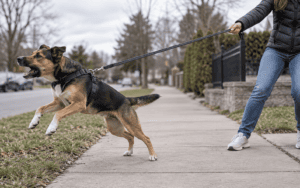
Fear is one of the top reasons dogs growl. When a dog feels scared or threatened, growling is their way of saying “back off” to whatever is frightening them.
This could be a stranger approaching too quickly, a loud noise, an unfamiliar environment, or even a visit to the vet. Fear-based growls often come with other body language signals like tucked tails, flattened ears, or backing away.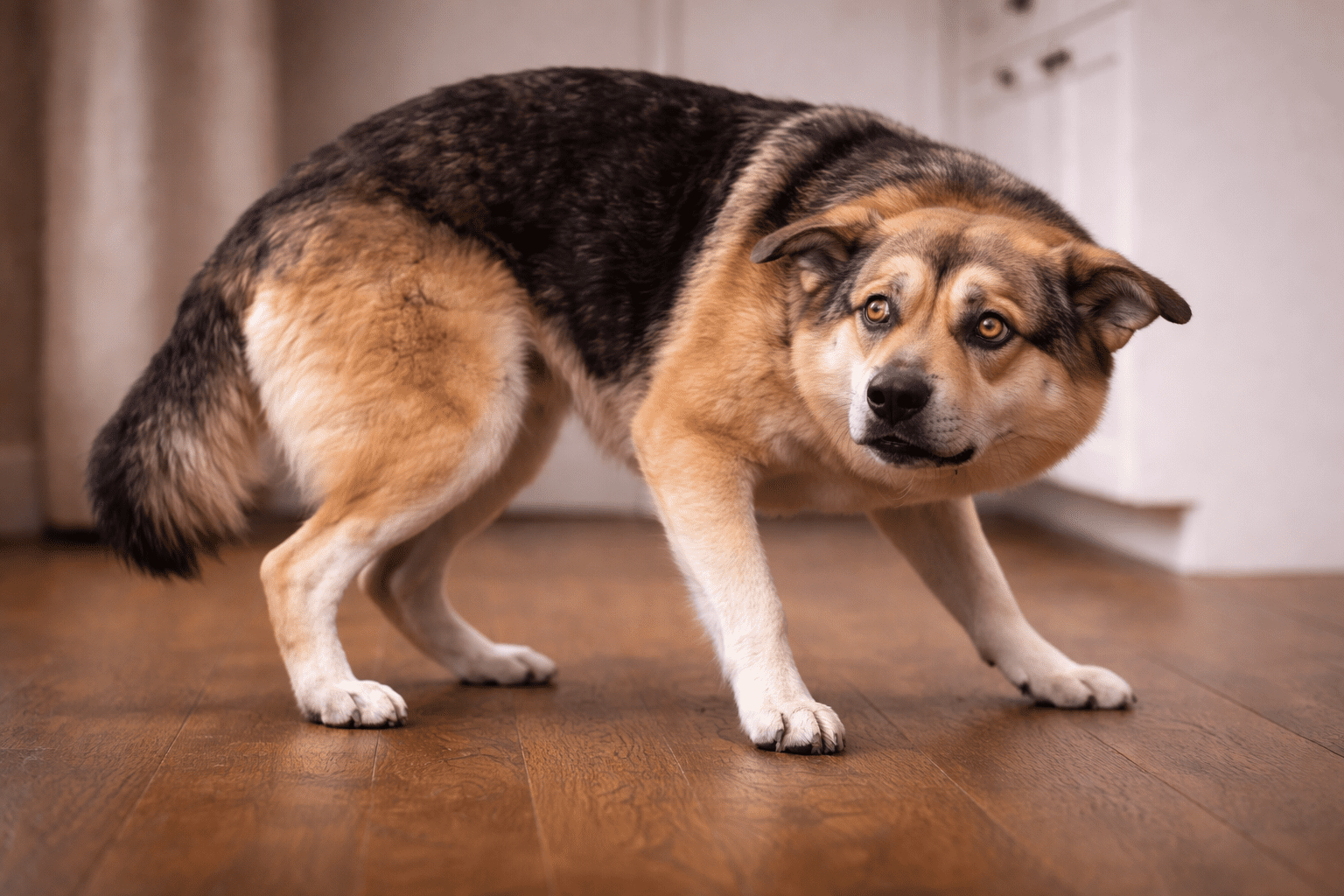
Dogs who weren’t properly socialized as puppies are more likely to growl out of fear in new situations. They simply don’t have the experience to feel confident when faced with unfamiliar people, animals, or environments.
Pain or Discomfort
A dog in pain might growl when you touch a sensitive area, even if they normally love being petted. This is their way of protecting themselves from further discomfort.
Older dogs with arthritis might growl when you touch their hips or legs. A dog with an ear infection could growl when you reach for their head. Even seemingly minor injuries can trigger protective growling.
If your dog suddenly starts growling in situations that never bothered them before, especially when being touched, a vet visit is a smart first step.
Resource Guarding
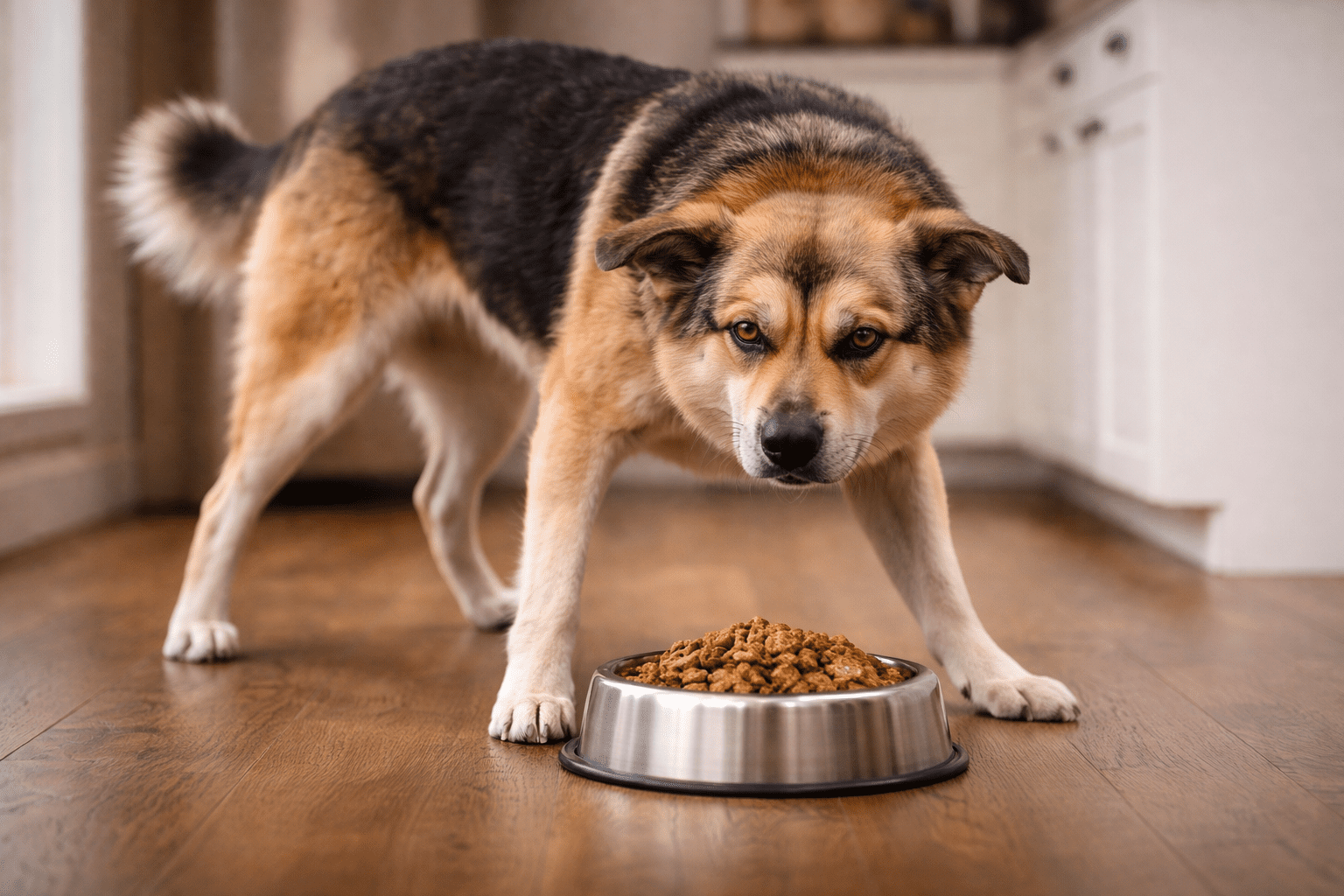
Some dogs growl to protect things they consider valuable, like food, toys, bones, or even their favorite sleeping spot. This is called resource guarding.
From the dog’s perspective, they’re simply protecting something important from being taken away. This behavior can range from mild (a quiet growl when you walk past their food bowl) to serious (aggressive guarding that makes the dog unapproachable).
Professional dog behavior training can help address resource guarding before it escalates into more serious behavior problems.
Territorial Behavior
Many dogs growl when someone approaches their home, yard, or car. This territorial growling is their way of saying “this is my space” and warning potential intruders to stay away.
While some territorial awareness is normal for dogs, excessive territorial growling can become problematic, especially if it prevents your dog from relaxing when visitors arrive or makes walks around the neighborhood stressful.
Play and Excitement
Not all growls signal a problem. Many dogs make growling sounds during play, especially during games like tug-of-war or wrestling with other dogs.
Play growls usually sound different from warning growls. They’re often higher-pitched, shorter, and accompanied by a wagging tail, bouncy movements, and a relaxed, open mouth.
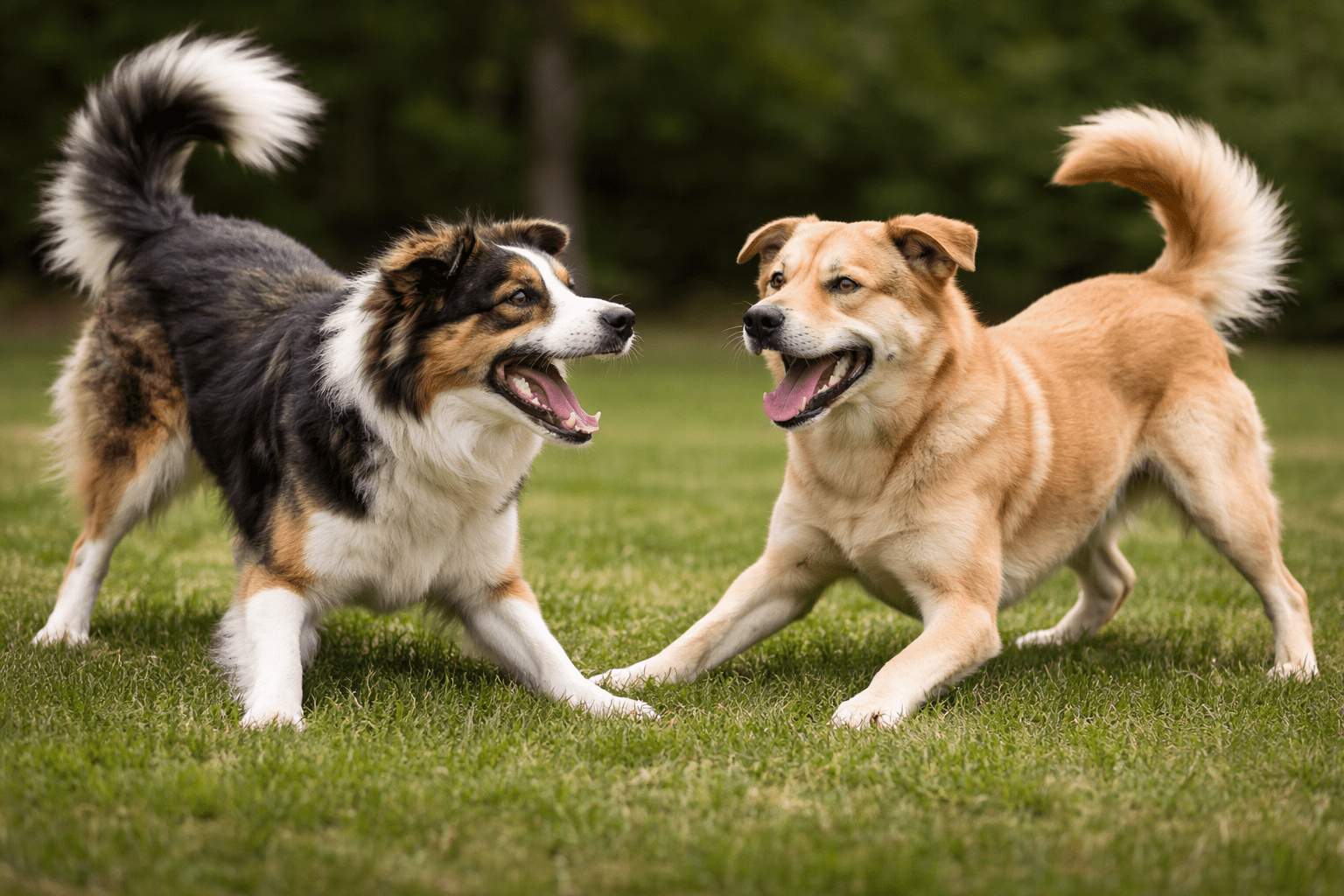
If you’re not sure whether a growl is playful or serious, look at the rest of your dog’s body language. Stiff posture, hard staring, and stillness suggest a warning growl. Loose, wiggly movement and play bows indicate it’s just part of the fun.
Here’s a quick reference for understanding different growling situations:
| Trigger | What It Means | Body Language Clues | How to Respond |
| Fear or Anxiety | “I’m scared, please give me space” | Tucked tail, flattened ears, backing away, whale eye | Remove the trigger, give space, don’t force interaction |
| Pain or Discomfort | “That hurts, don’t touch me there” | Flinching, stiffening, trying to move away | Stop touching, check for injuries, consult a vet |
| Resource Guarding | “This is mine, stay away from it” | Stiff body over item, hard stare, freezing | Don’t reach for the item, work on trade-up exercises |
| Territorial Warning | “You’re too close to my space” | Alert posture, staring toward trigger, may bark too | Manage the environment, work on desensitization |
| Playfulness | “This game is fun and exciting” | Wagging tail, play bow, bouncy movements, soft eyes | Continue play if both parties are comfortable |
Types of Growls and What They Mean
Just like humans use different tones of voice to express different emotions, dogs produce different types of growls depending on what they’re trying to communicate.
The Warning Growl
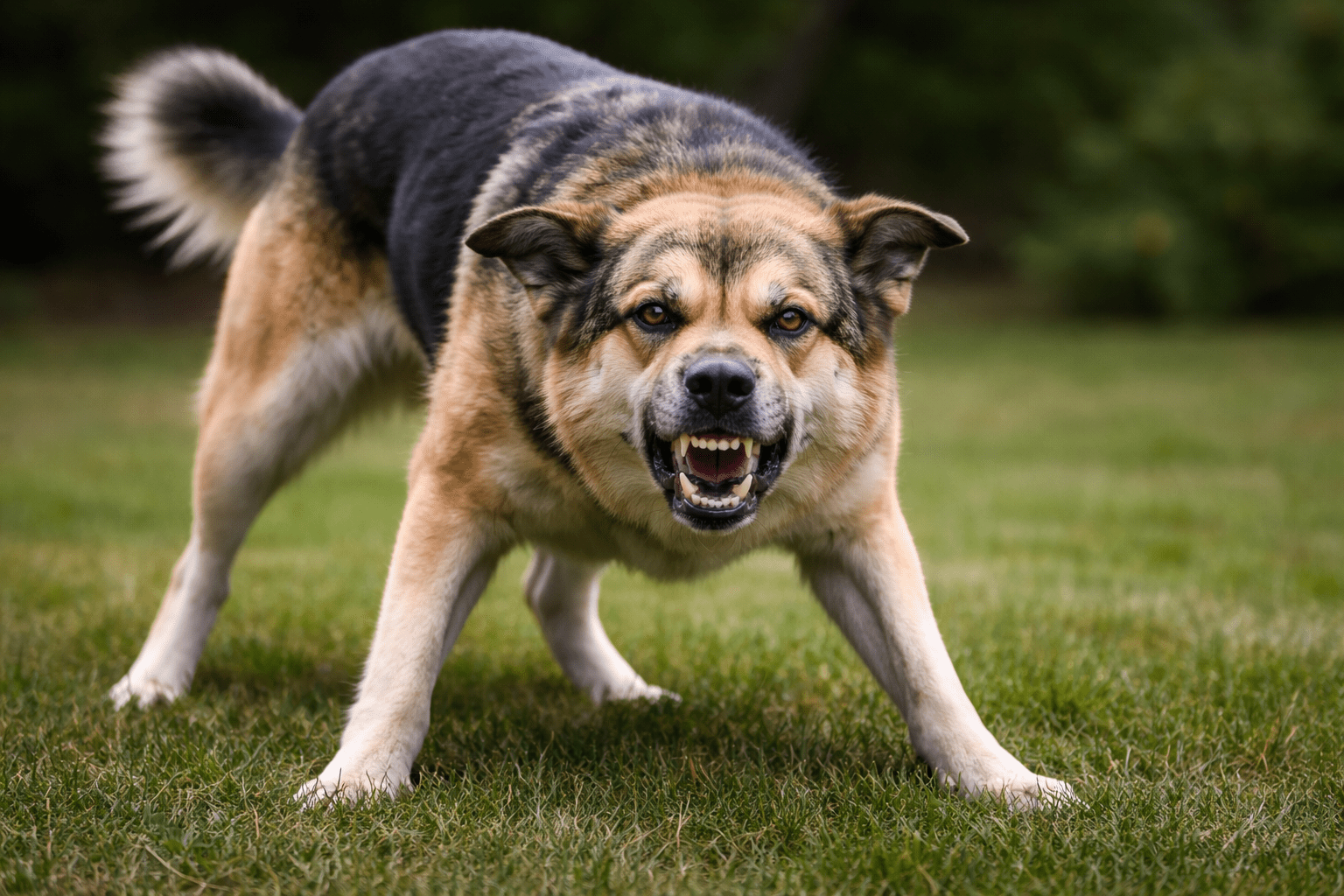
This is a low, steady rumble that says “I’m not comfortable, and you need to stop what you’re doing.” It’s usually accompanied by stiff body language and direct eye contact.
Warning growls are serious communication. Your dog is telling you they’re reaching their limit and need the situation to change before they feel forced to defend themselves.
Never punish a warning growl. If you teach your dog that growling gets them in trouble, they might skip the warning next time and go straight to snapping or biting.
The Play Growl
Play growls tend to be higher-pitched and shorter than warning growls. They often happen during games and are mixed with other playful sounds and behaviors.
Your dog’s whole body will look relaxed and happy during play growling. Their mouth stays soft and open, their tail wags, and they might bounce or do play bows between rounds of growling.
Play growls are completely normal and healthy. They’re just your dog expressing excitement and enjoyment during interactive games.
The Frustration Growl
Some dogs growl when they’re frustrated, like when they can’t reach a toy that’s stuck under the couch or when another dog won’t play with them.
These growls might sound similar to warning growls but happen in contexts where the dog isn’t actually threatened. The dog is simply expressing annoyance at not being able to get what they want.
The Pain Growl
A pain-related growl is often sudden and sharp. It might be triggered by touching a sore spot or moving a dog in a way that hurts an injured area.
These growls are purely defensive. The dog isn’t trying to be aggressive; they’re just protecting themselves from further pain.
Here’s how different types of growls compare:
| Type of Growl | Sound Characteristics | Typical Context | Additional Signs | What Your Dog Needs |
| Warning | Low, steady, continuous | Someone approaching food, toys, or personal space | Stiff body, hard stare, stillness | Space and respect for boundaries |
| Play | Higher-pitched, shorter bursts | During games with people or other dogs | Wagging tail, bouncy movement, play bow | Continued appropriate play |
| Frustration | Variable, may include whining | Can’t reach desired object or activity | Pacing, pawing, restlessness | Help solving the problem or redirection |
| Pain | Sudden, sharp, may yelp too | Being touched or moved in uncomfortable way | Flinching, trying to move away, licking area | Gentle handling and veterinary attention |
| Fear | May be intermittent with other sounds | Unfamiliar people, places, or situations | Cowering, retreating, avoidance | Removal from scary situation, gradual exposure |
How to Respond to Growling
Your reaction to your dog’s growl can either help the situation or make it worse. Here’s how to handle different growling scenarios appropriately.
Never Punish Growling
This is the most important rule. Punishing a growl teaches your dog that communication doesn’t work, which can lead them to skip the warning next time and go straight to biting.
When you punish growling, you’re not solving the underlying problem. You’re just suppressing the warning signal. The fear, pain, or discomfort is still there; your dog just won’t tell you about it anymore.
Instead of punishment, treat the growl as valuable information. Your dog is telling you something needs to change.
Identify and Remove the Trigger
Once your dog growls, your first priority is figuring out what caused it and, if possible, removing that trigger.
If your dog growls when someone reaches toward their food bowl, the solution isn’t to scold them. It’s to stop reaching for the bowl and work on addressing the resource guarding through proper training techniques.
If they growl at a stranger approaching too fast, ask the person to give your dog space. Let your dog approach when they’re ready rather than forcing interaction.
Give Your Dog Space
When a dog growls, they’re asking for distance from whatever is bothering them. Respect that request.
Move away from their food bowl. Let the stranger step back. Stop petting them if they growled when you touched a certain spot. Give them the space they need to feel safe again.
This doesn’t mean you’re letting your dog “win” or being controlled by them. You’re simply acknowledging their communication and showing them that expressing discomfort works.
Work on the Underlying Issue
After the immediate situation is resolved, it’s time to address why the growling happened in the first place.
This often requires professional help. A qualified trainer can help you work through dog behavior issues like resource guarding, fear-based reactivity, or poor socialization using positive, effective methods.
For serious concerns like managing puppy aggression or adult dog aggression, don’t wait. Early intervention prevents these behaviors from becoming deeply ingrained habits.
Build Positive Associations
If your dog growls in specific situations, you can work on changing their emotional response through gradual desensitization and counter-conditioning.
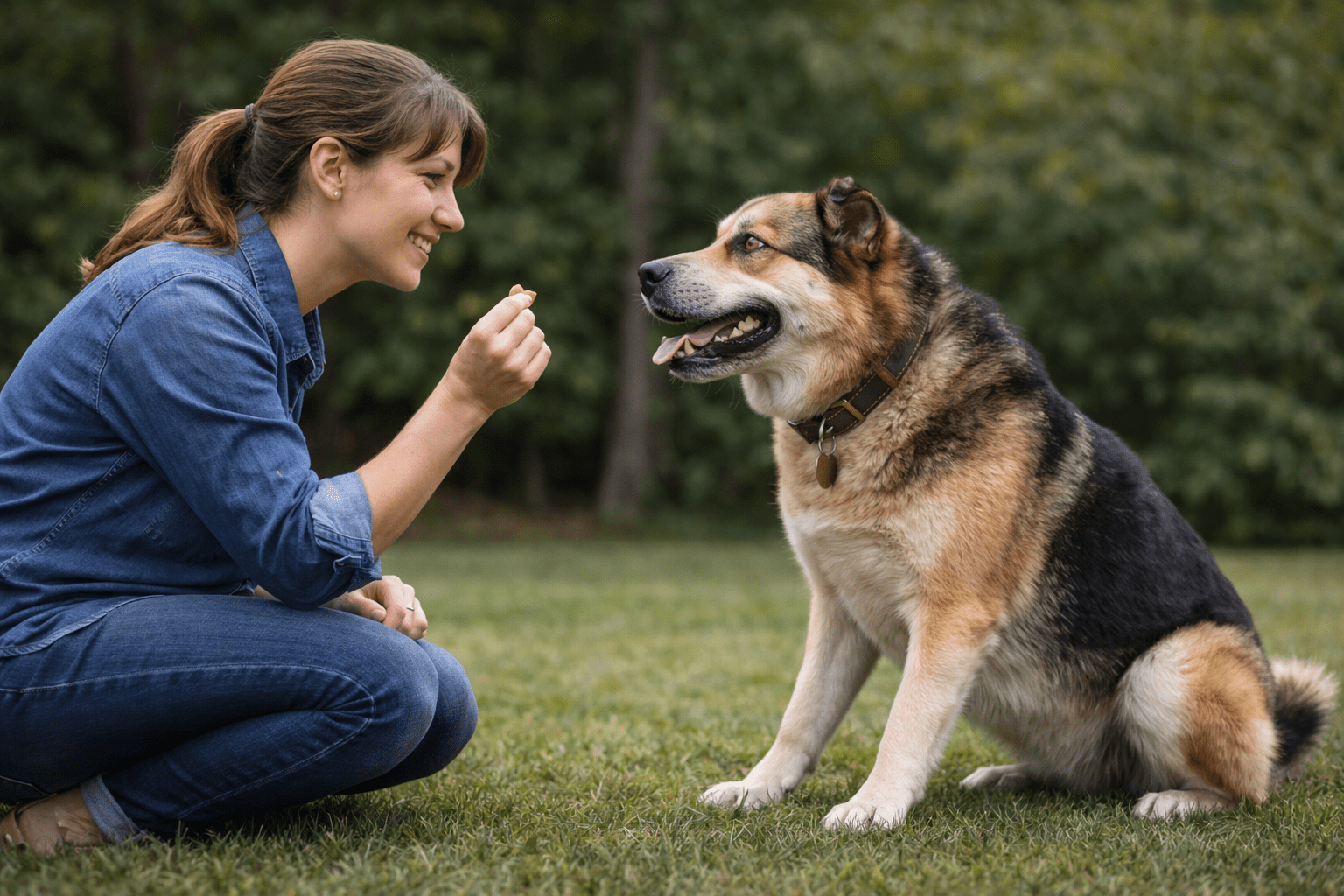
For example, if your dog growls when visitors arrive, you can slowly teach them that visitors predict good things like treats or play. This takes time and should be done at your dog’s pace, never forcing them into situations that trigger growling.
Positive reinforcement dog training focuses on changing how your dog feels about triggers rather than just suppressing the growling behavior.
When Growling Becomes a Problem
While growling itself is normal communication, certain patterns of growling can indicate deeper behavioral issues that need professional attention.
Frequent or Unpredictable Growling
If your dog growls regularly in many different situations, or if the growling seems to happen without clear triggers, it’s time to consult a professional.
This could indicate underlying anxiety, past trauma, or a medical condition causing chronic pain. These issues won’t resolve on their own and typically get worse without intervention.
Escalating Aggression
If growling is accompanied by snapping, lunging, or actual biting, you’re dealing with a serious behavioral issue that requires immediate professional help.
Don’t try to handle severe aggression on your own. Work with a qualified trainer or veterinary behaviorist who can assess your dog safely and create a management and training plan.
Growling at Family Members
If your dog frequently growls at people in your household, especially without clear triggers, this signals a significant problem with trust and comfort in the home.
This isn’t a situation to ignore or try to fix with online advice. Professional evaluation is important to keep everyone in the household safe while addressing the root cause.
Resource Guarding Multiple Items or Spaces
Some resource guarding is manageable with training. But if your dog guards many different things, multiple locations, or becomes aggressive even when you’re not trying to take items away, you need professional guidance.
Comprehensive obedience dog training builds a foundation of trust and communication that can help address these complex behavioral challenges.
Teaching Better Communication
While you shouldn’t punish growling, you can teach your dog alternative ways to communicate their needs and build their confidence in handling situations that currently trigger growling.
Building Confidence Through Training
Dogs who feel confident and secure are less likely to growl out of fear or anxiety. Basic obedience training gives your dog structure and helps them understand what’s expected in different situations.
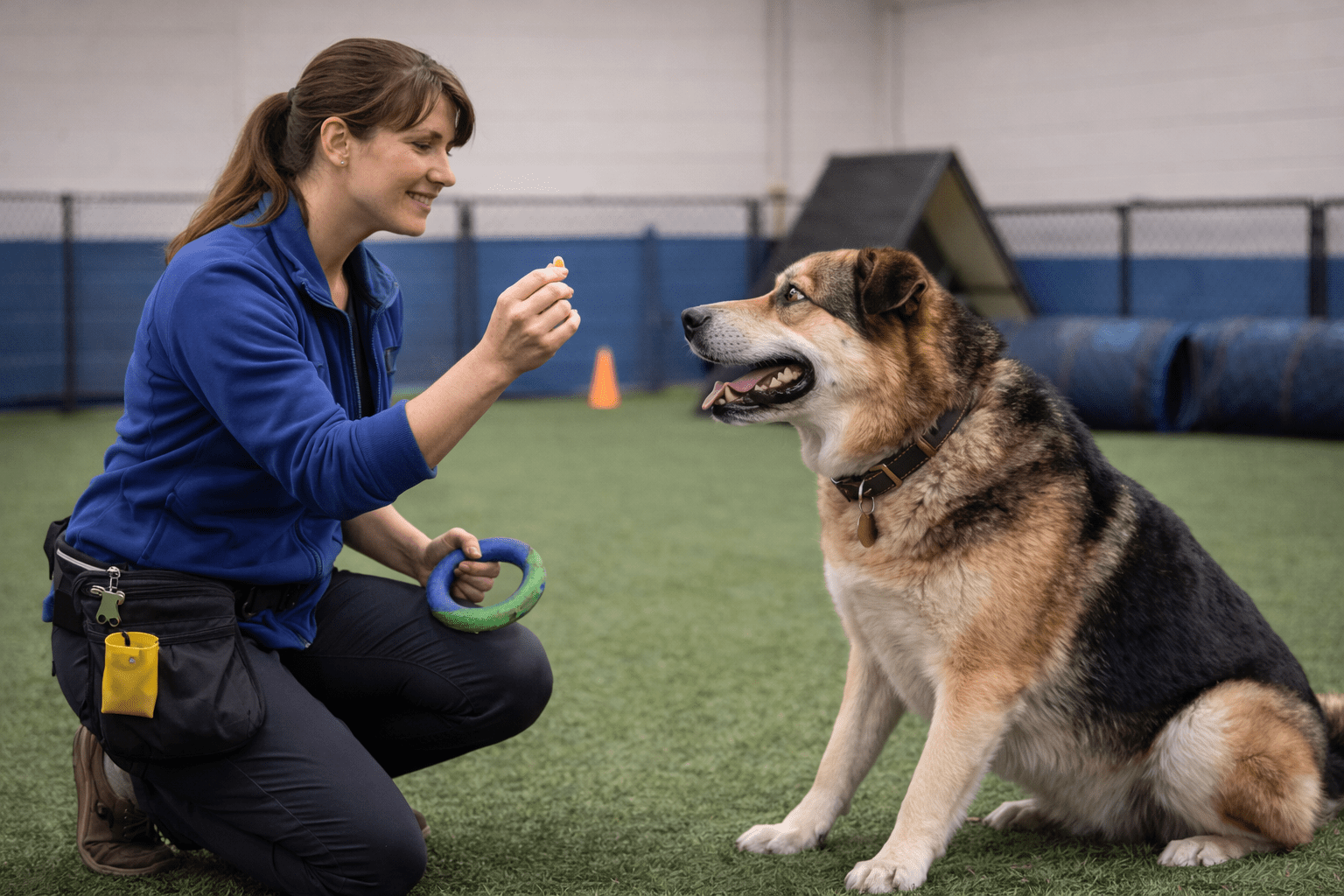
When dogs know what to do, they feel more secure. A confident dog is less likely to resort to defensive behaviors like growling because they trust you to handle situations appropriately.
Socialization and Exposure
Proper socialization helps dogs feel comfortable with a wide variety of people, animals, and environments. This reduces fear-based growling because the dog has positive experiences with things that might otherwise seem scary.
Socialization should always be done at your dog’s pace. Forcing a fearful dog into overwhelming situations can actually make the problem worse.
Management and Prevention
Sometimes the best solution is simply managing your dog’s environment to prevent situations that trigger growling.
If your dog guards their food bowl, feed them in a separate room where they won’t be disturbed. If they’re territorial about visitors, use baby gates to create a safe space where they can see but not interact with guests until they’re calm.
Management isn’t a failure. It’s a practical way to keep everyone safe while you work on training solutions.
Wrapping Up: Understanding Why Dogs Growl
Growling is your dog’s voice, telling you how they feel and what they need. Instead of seeing it as bad behavior, treat it as valuable communication that helps you understand and support your dog better.
Whether your dog growls during play, out of fear, or to protect their resources, the appropriate response is the same: listen to what they’re saying, remove or modify the trigger, and address the underlying cause through proper training and management.
At K9 Mania Dog Training, we understand that dog communication issues can feel overwhelming. Our expert trainers specialize in helping dogs and their owners build better understanding and trust. Whether you’re dealing with fear-based growling, resource guarding, or other behavioral challenges, we’re here to help. Contact K9 Mania Dog Training today to learn how our proven methods can transform your relationship with your dog.
You May Also Want to Read
- Do Dogs Have a Sense of Time?
- 20 Common Dog Behavior Issues
- Why Is My Dog Whining?
- How to Help a Fearful Dog Gain Confidence
Frequently Asked Questions
What triggers a dog to growl?
Dogs growl due to fear, pain, resource guarding, territorial instincts, or excitement during play. Common triggers include someone approaching food or toys, strangers entering their space, or feeling uncomfortable.
What does it mean if my dog is growling?
Growling is a way dogs communicate discomfort, fear, protection, or playfulness. The meaning depends on the situation and the dog’s body language.
Why does my dog growl when there’s nothing there?
Dogs may hear or smell things humans can’t detect. Frequent growling at nothing could also signal anxiety, aging issues, or medical problems, so a vet check may help.
How to discipline a dog who growls?
Do not punish growling. It’s a warning signal. Instead, give the dog space and address the trigger using positive training methods.
Are dogs happy when they growl?
Sometimes. Play growls happen during fun interactions and come with relaxed body language. Most growling, however, signals discomfort or warning.
How do dogs apologize?
Dogs don’t apologize like humans, but they show calming signals such as avoiding eye contact, lowering their body, licking, or yawning to reduce tension.