
Are you still confused why do dogs howl? Dogs howl primarily to communicate over long distances, express emotions like loneliness or excitement, or respond to certain sounds like sirens. This ancestral behavior connects them to their wolf heritage and serves multiple purposes in modern dogs, from alerting their pack to seeking attention from their owners.
Have you ever noticed your dog tilting their head back and letting out a long, haunting howl? Maybe it happens when a fire truck passes by, or perhaps when you leave for work. Understanding this vocal behavior helps you respond appropriately and strengthens your bond with your furry friend.
In this guide, we’ll explore the fascinating reasons behind canine howling, when it’s normal, and how to address excessive vocalization that might disrupt your household or neighborhood.
Build a stronger connection with your dog through positive reinforcement training that addresses communication and behavioral needs.
Reasons Why do Dogs Howl
Your dog’s howling traces directly back to their wolf ancestors. Wolves howl to communicate with pack members across vast territories, coordinate hunting activities, and establish territorial boundaries. This wasn’t just random noise but a sophisticated communication system.
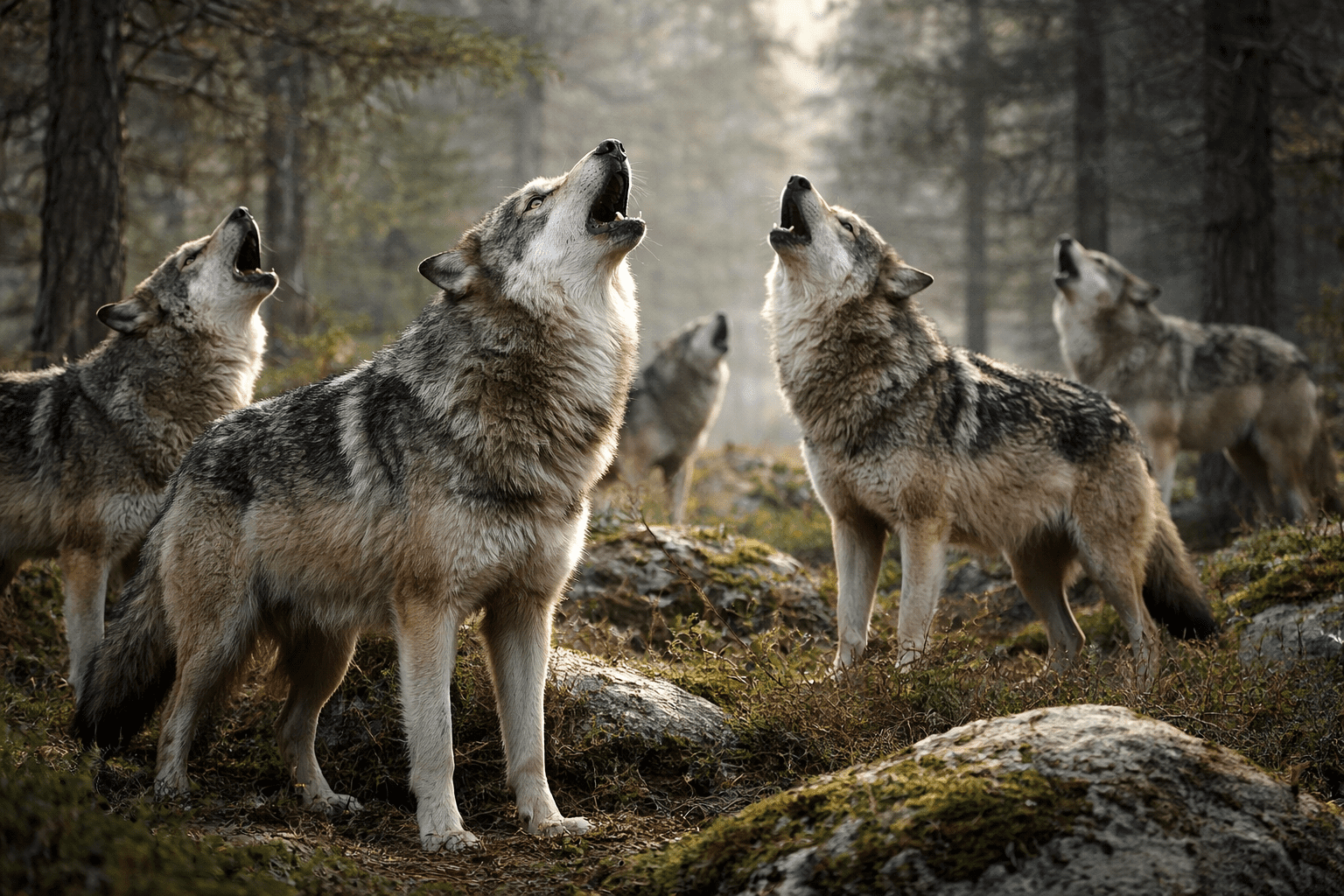
Modern dogs inherited this vocal tool, even though most live in homes rather than wilderness. The instinct remains strong, especially in breeds closer to their wolf relatives like Huskies, Malamutes, and German Shepherds.
How Wolves Use Howling
Wild wolf packs rely on howling for survival. A wolf might howl to:
- Locate separated pack members over miles of terrain
- Warn rival packs to stay away from their territory
- Coordinate group movements before or after hunts
- Strengthen social bonds within the pack
- Signal distress or call for help
Each wolf has a unique howl, much like humans have distinct voices. Pack members can identify who’s howling and interpret the message based on pitch, duration, and pattern.
Why Domestic Dogs Still Howl
Even though your dog doesn’t need to hunt or defend vast territories, the howling instinct persists. Domestication didn’t erase thousands of years of evolutionary programming. Instead, dogs adapted these vocalizations to their new environment and relationships with humans.
Your dog might howl because:
- Certain sounds trigger their ancestral response
- They feel socially isolated and want to reconnect
- They’re alerting you to something important
- They’re expressing strong emotions
Common Triggers That Make Dogs Howl
Understanding what sets off your dog’s howling helps you respond appropriately. Different triggers require different management strategies.
High-Pitched Sounds and Sirens
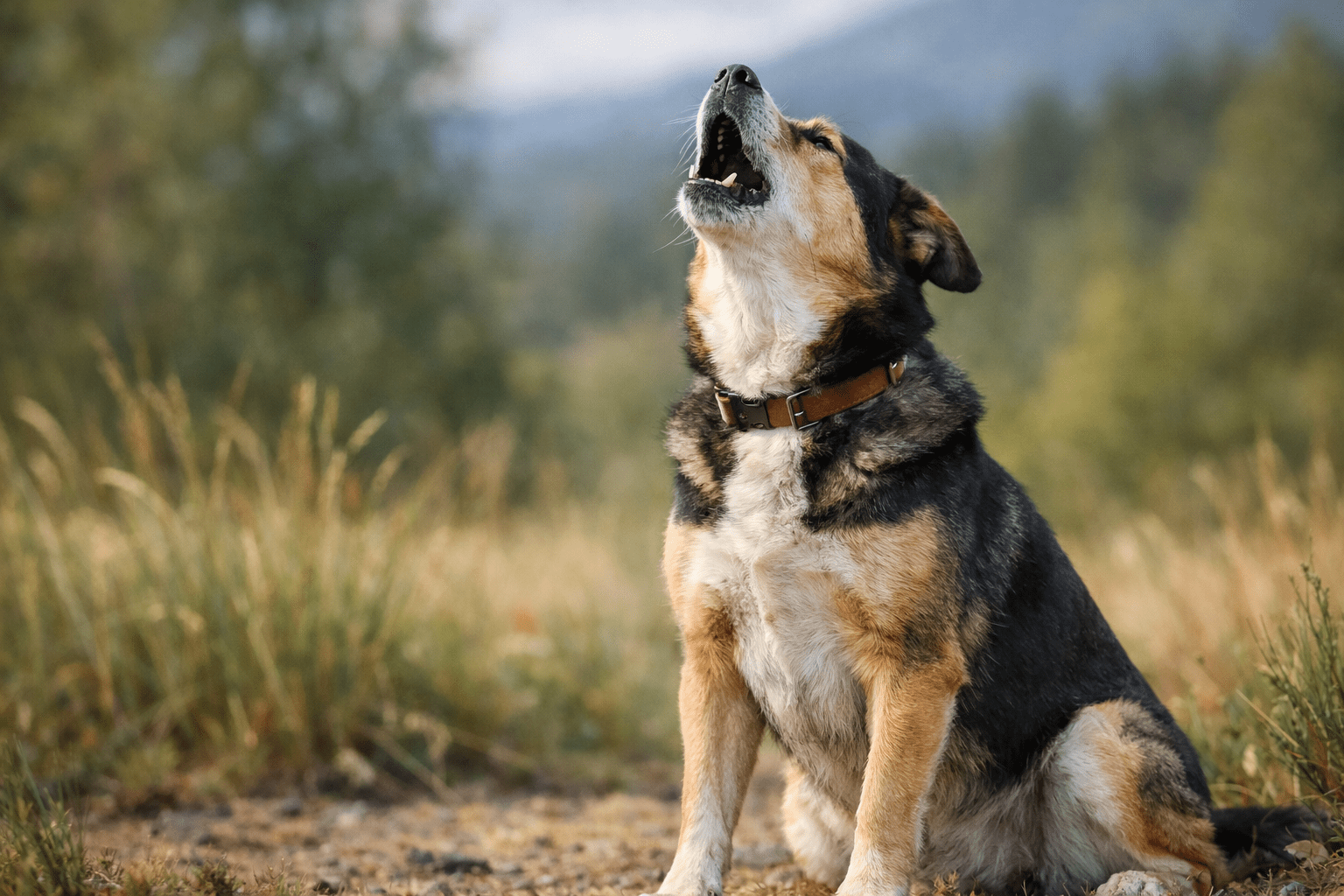
Ambulance sirens, fire trucks, and even musical instruments can spark immediate howling. These sounds share acoustic similarities with wolf howls, triggering your dog’s instinct to respond. From your dog’s perspective, they might be “answering” what sounds like another dog in the distance.
Many dogs will howl at:
- Emergency vehicle sirens
- Musical instruments (harmonicas, flutes, violins)
- Certain TV or video sounds
- High-pitched mechanical noises
This type of howling is typically harmless and stops once the trigger sound ends.
Separation Anxiety and Loneliness
Dogs are pack animals who feel distressed when left alone. Howling becomes their way of calling their pack (you) back home. If your dog howls primarily when you’re gone, separation anxiety might be the cause.

Signs this is separation-related:
- Howling starts within 30 minutes of your departure
- Other anxiety behaviors appear (destruction, accidents)
- Your dog seems stressed before you leave
- The howling continues for extended periods
This type requires training your dog to stay home alone comfortably and building their confidence.
Attention-Seeking Behavior
Smart dogs quickly learn that howling gets your attention. Even if you respond by telling them to be quiet, you’ve still given them what they wanted: your focus. This reinforces the behavior, making it more likely to repeat.
Your dog might howl for attention when:
- They want to go outside
- Dinnertime is approaching
- They want to play
- They’re bored and need stimulation
Response to Other Dogs
Dogs howl to communicate with other canines in the area. When one dog in the neighborhood starts howling, others often join in, creating a chorus. This social howling strengthens community bonds between dogs and is generally harmless.
You’ll notice this happens:
- When neighborhood dogs are outside together
- During evening hours when more dogs are active
- In response to distant barking or howling
Decoding Different Types of Howling
Not all howls sound the same or mean the same thing. Learning to interpret your dog’s vocalizations helps you understand their needs.
| Howl Type | Sound Characteristics | Likely Meaning | What to Do |
| Alert Howl | Short, repeated howls with pauses | Warning about perceived threats or unusual activity | Check the area, reassure your dog, address the trigger if possible |
| Loneliness Howl | Long, mournful, continuous | Separation distress or feeling isolated | Work on independence training, provide comfort items, consider doggy daycare |
| Joyful Howl | High-pitched, mixed with other happy sounds | Excitement or greeting | Enjoy the moment, but redirect if it becomes excessive |
| Pain Howl | Sudden, sharp, distressed | Physical discomfort or injury | Check for injuries, visit your veterinarian immediately |
| Attention Howl | Directed at you, stops when acknowledged | Wants something specific from you | Ignore until quiet, then reward silence |
Recognizing Emergency Howling
Certain howls signal genuine distress or medical issues. A sudden change in howling patterns deserves attention. If your normally quiet dog starts howling frequently, or if howling is accompanied by limping, lethargy, or appetite changes, contact your veterinarian.
Warning signs include:
- Howling that seems painful or distressed
- Nighttime howling in older dogs (could indicate cognitive dysfunction)
- Howling combined with pacing or confusion
- Howling when touched in certain areas
When Howling Becomes Problematic
Occasional howling is normal canine behavior. However, excessive or inappropriate howling can strain your household and relationships with neighbors. Distinguishing between normal and problematic howling helps you decide when intervention is needed.
Excessive Howling Patterns
Problem howling typically involves:
- Duration: Continuing for 30 minutes or longer
- Frequency: Multiple episodes throughout the day
- Timing: Occurring during quiet hours (late night or early morning)
- Context: Happening without clear triggers
- Impact: Disturbing neighbors or disrupting your household
If howling prevents you or your neighbors from sleeping, working, or enjoying your home, it’s crossed into problem territory.
Underlying Issues to Address
Excessive howling often points to deeper issues:
Medical Problems: Pain, cognitive decline in senior dogs, hearing loss, or other health conditions can cause increased vocalization. Always rule out medical causes first with a veterinary examination.
Behavioral Concerns: Anxiety disorders, compulsive behaviors, or lack of proper training may manifest as chronic howling. These issues benefit from professional obedience dog training guidance.
Environmental Factors: Insufficient exercise, mental stimulation, or social interaction leaves dogs bored and frustrated. A tired, engaged dog is less likely to howl excessively.
Practical Strategies to Manage Howling
Managing your dog’s howling requires understanding the cause and applying appropriate solutions. Different situations call for different approaches.
| Situation | Strategy | How It Helps | Timeline |
| Siren Response | Desensitization training with recorded sounds | Reduces automatic response over time | 4-8 weeks |
| Separation Anxiety | Gradual alone-time building, comfort items, board and train Long Island programs | Builds independence and confidence | 6-12 weeks |
| Attention-Seeking | Ignore howling, reward quiet behavior | Removes reinforcement for unwanted behavior | 2-4 weeks |
| Boredom | Increase exercise, puzzle toys, mental enrichment | Addresses root cause of restlessness | Ongoing |
| Medical Issues | Veterinary care, pain management | Eliminates physical discomfort | Varies |
Training Techniques That Work
Start with these proven methods:

The Quiet Command: Teach your dog a “quiet” cue by rewarding them when they stop howling. Wait for a natural pause in their vocalization, immediately say “quiet,” and give a treat. Practice this during low-level howling first, gradually working up to more intense sessions.
Counter-Conditioning: If specific triggers cause howling, change your dog’s emotional response. Play the trigger sound at very low volume while giving treats, slowly increasing volume over time as your dog remains calm.
Rewarding Silence: Catch your dog being quiet and reward them frequently. This teaches that silence earns attention and treats, while howling gets ignored.
Environmental Management: Remove or reduce exposure to triggers when possible. Close curtains if outside activity causes howling, or use white noise to mask sounds.
What Not to Do
Avoid these common mistakes:
- Don’t yell at your howling dog (they might think you’re joining in)
- Never punish howling without addressing the underlying cause
- Don’t give attention during howling episodes, even negative attention
- Avoid leaving an anxious dog alone for extended periods without building up tolerance first
Breed Differences in Howling Tendencies
Some breeds howl more frequently than others due to their genetic makeup and original purposes. Understanding your dog’s breed characteristics sets realistic expectations.
Breeds Most Likely to Howl
These breeds were developed for jobs requiring long-distance communication:
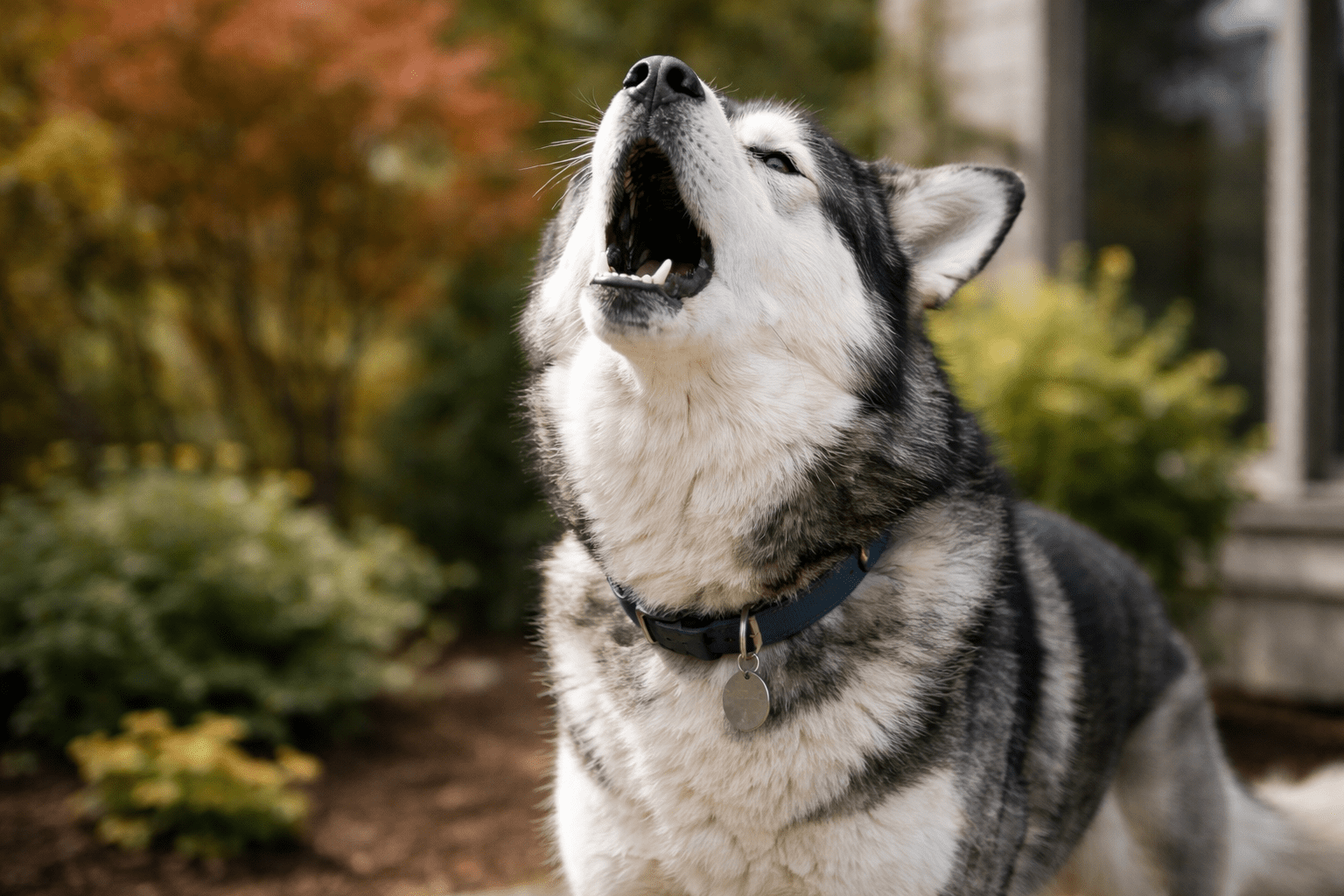
Siberian Huskies and Alaskan Malamutes: Bred to work in teams across vast Arctic distances, these breeds use howling to communicate. They’re famously vocal and often howl to express excitement, frustration, or just for fun.
Beagles and Bloodhounds: Scent hounds were bred to vocalize when tracking prey, helping hunters locate them. Their “baying” is essentially a form of howling that comes naturally to them.
German Shepherds: These working dogs maintain strong pack instincts and use howling to communicate within their family group.
Alaskan Klee Kai and other primitive breeds: Dogs closer to their wild ancestors tend to howl more frequently than breeds developed more recently.
Less Vocal Breeds
Some breeds rarely howl:
- Most toy breeds (Chihuahuas, Pomeranians)
- Many terrier breeds (Jack Russell, Boston Terrier)
- Companion breeds (Cavalier King Charles Spaniel, Shih Tzu)
- Some working breeds (Rottweiler, Doberman Pinscher)
These dogs may bark, whine, or use other vocalizations instead of howling. However, individual personality matters more than breed alone.
Supporting Your Howling Dog
Whether your dog’s howling is normal breed behavior or signals an issue needing attention, you can take steps to ensure they’re happy and comfortable.
Meeting Basic Needs
Dogs howl less when their physical and mental needs are met:
Exercise Requirements: Most dogs need 30-90 minutes of physical activity daily, depending on age, breed, and energy level. A tired dog has less energy for excessive vocalization.
Mental Stimulation: Puzzle feeders, training sessions, and interactive games tire your dog’s mind. Mental exercise can be just as exhausting as physical activity.
Social Connection: Spend quality time with your dog daily. Play, training, and simply being together strengthens your bond and reduces loneliness.
Routine and Predictability: Dogs feel more secure with consistent daily schedules for meals, walks, and bedtime.
When to Seek Professional Help
Consider professional private dog training Long Island services if:
- Howling continues despite your training efforts
- Your dog shows signs of anxiety or distress
- Neighbors have complained about the noise
- You’re unsure why your dog is howling
- The behavior is worsening over time
A qualified trainer can assess your specific situation, identify triggers you might have missed, and create a customized training plan. For severe anxiety cases, your veterinarian might recommend working with a veterinary behaviorist.
Understanding Your Dog’s Voice: Final Thoughts on Why Dogs Howl
Understanding why do dogs howl opens a window into your dog’s emotional world and ancestral heritage. Whether your dog howls at sirens, sings along with music, or calls for your return when you’re away, this behavior connects them to thousands of years of canine communication.
Most howling is normal and harmless, requiring nothing more than your understanding. However, excessive vocalization deserves attention, as it might signal anxiety, boredom, or medical issues. By identifying triggers, meeting your dog’s needs, and using positive training methods, you can manage problematic howling while respecting your dog’s natural communication style.
Remember that patience and consistency are key. Changes in behavior take time, and what works for one dog might not work for another. Listen to what your dog is telling you through their howls, respond appropriately, and enjoy the unique personality that makes your furry friend special.
At K9 Mania Dog Training, we specialize in understanding and addressing all types of canine communication issues, including excessive howling. As Long Island’s leading board and train program, we can help you and your dog build better communication and solve behavioral challenges. Visit our website to learn how we can help strengthen your bond with your four-legged companion.
You May Also Want to Read
- How to Train a Dog with a Shock Collar: Complete Guide
- How to Socialize an Adult Dog: A Complete Training Guide
- Dog Toys for Hyperactive Dogs: Best Options
- Overnight Dog Boarding Tips: Complete Guide
Frequently Asked Questions: Why Do Dogs Howl
Is it good to let dogs howl?
Occasional howling is natural and healthy for dogs, especially when it’s a response to sounds or a way to communicate. Allowing some howling lets your dog express themselves naturally. However, if howling becomes excessive, disturbs neighbors, or signals anxiety, you should address the underlying cause rather than just allowing it to continue.
Is a dog happy when they howl?
Yes, dogs can howl when happy or excited. Joyful howling typically has a higher pitch and may be mixed with other happy sounds like barking or whining. You’ll often see this when greeting you after an absence or during exciting activities. However, not all howling indicates happiness—context and body language help you interpret the emotion behind it.
When should I worry about dog howling?
Worry about howling if it’s sudden, persistent, accompanied by pain signals, or happens alongside behavioral changes. Howling at night in senior dogs may indicate cognitive dysfunction, while howling with limping suggests injury. If your normally quiet dog suddenly starts howling frequently, or if howling is paired with lethargy, appetite loss, or confusion, consult your veterinarian immediately.
Why did my dog howl before he died?
Dogs near the end of life may howl due to pain, confusion, distress, or trying to communicate discomfort. Senior dogs with cognitive decline might howl because they’re disoriented. Some people believe dogs sense their approaching death, though this isn’t scientifically proven. If your dog is howling and seems unwell, contact your veterinarian to ensure they’re comfortable and pain-free.
What emotion do dogs feel when they howl?
Dogs experience various emotions when howling depending on the situation. They might feel loneliness or anxiety when separated from their pack, excitement when greeting you, alertness when warning about perceived threats, or pain when injured. The emotion behind howling is best understood by considering the context, your dog’s body language, and the howl’s characteristics.
What is the hardest command to teach a dog?
The hardest command varies by dog, but many trainers consider “stay” with distractions or “leave it” in high-temptation situations most challenging. These require impulse control that goes against natural instincts. Commands like teaching your dog to stop barking on cue can also be difficult since you’re asking them to suppress natural communication. Consistency, patience, and professional guidance make even the toughest commands achievable.