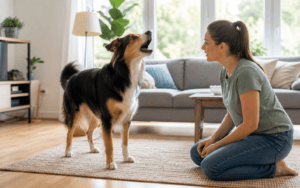
How to socialize an adult dog starts with gradual exposure to new experiences in controlled environments. Adult dogs can absolutely learn to feel comfortable around other dogs, people, and new situations with patience, positive reinforcement, and the right training approach.
Many dog owners believe that socialization only happens during puppyhood, but that’s simply not true. While it’s easier to socialize puppies, adult dogs have the ability to learn and adapt throughout their lives. Whether you’ve recently adopted an older dog or noticed your pet showing fear or anxiety in social situations, you can help them develop better social skills.
In this guide, we’ll walk you through practical steps to socialize your adult dog safely and effectively. You’ll learn how to identify your dog’s comfort level, create positive experiences, and build their confidence over time.
Transform your dog’s behavior with professional guidance. Explore our board and train Long Island program for intensive socialization training.
Understanding Adult Dog Socialization
Adult dog socialization looks different from puppy socialization. Adult dogs have already formed opinions about the world based on their past experiences, which means you’re often working to change existing beliefs rather than creating new ones.
This process requires more patience and a thoughtful approach that respects your dog’s boundaries.
Why Adult Dogs Need Socialization
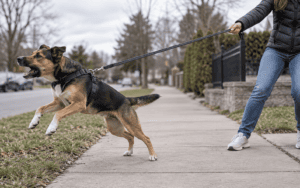
Dogs without proper socialization often develop fear, anxiety, and reactive behaviors. Everyday situations like walks, vet visits, or meeting guests can become stressful. Barking, lunging, or hiding usually come from insecurity, not stubbornness. Socialization builds confidence, reduces stress, and helps prevent behavior problems. It also improves your dog’s quality of life and makes public outings easier. As your dog learns to trust you in new situations, your bond grows stronger.
The Difference Between Puppy and Adult Dog Socialization
Puppies are naturally open to new experiences during their early socialization window. Adult dogs may already have fears or negative associations. Limited exposure in puppyhood can lead to cautious or reactive responses later. The good news: adult dogs can still learn and adapt. They just need more time and gradual, positive exposure. While puppies can handle faster introductions, adults benefit from slower steps and careful attention to stress signals.
Preparing for Adult Dog Socialization
Success in socializing your adult dog starts with proper preparation. Before you begin exposure training, you need to understand your dog’s current comfort level and gather the right tools.
Assessing Your Dog’s Current Social Skills
Start by observing how your dog reacts to different situations. Watch their body language when they see other dogs on walks, when strangers approach, or when they hear unexpected noises.
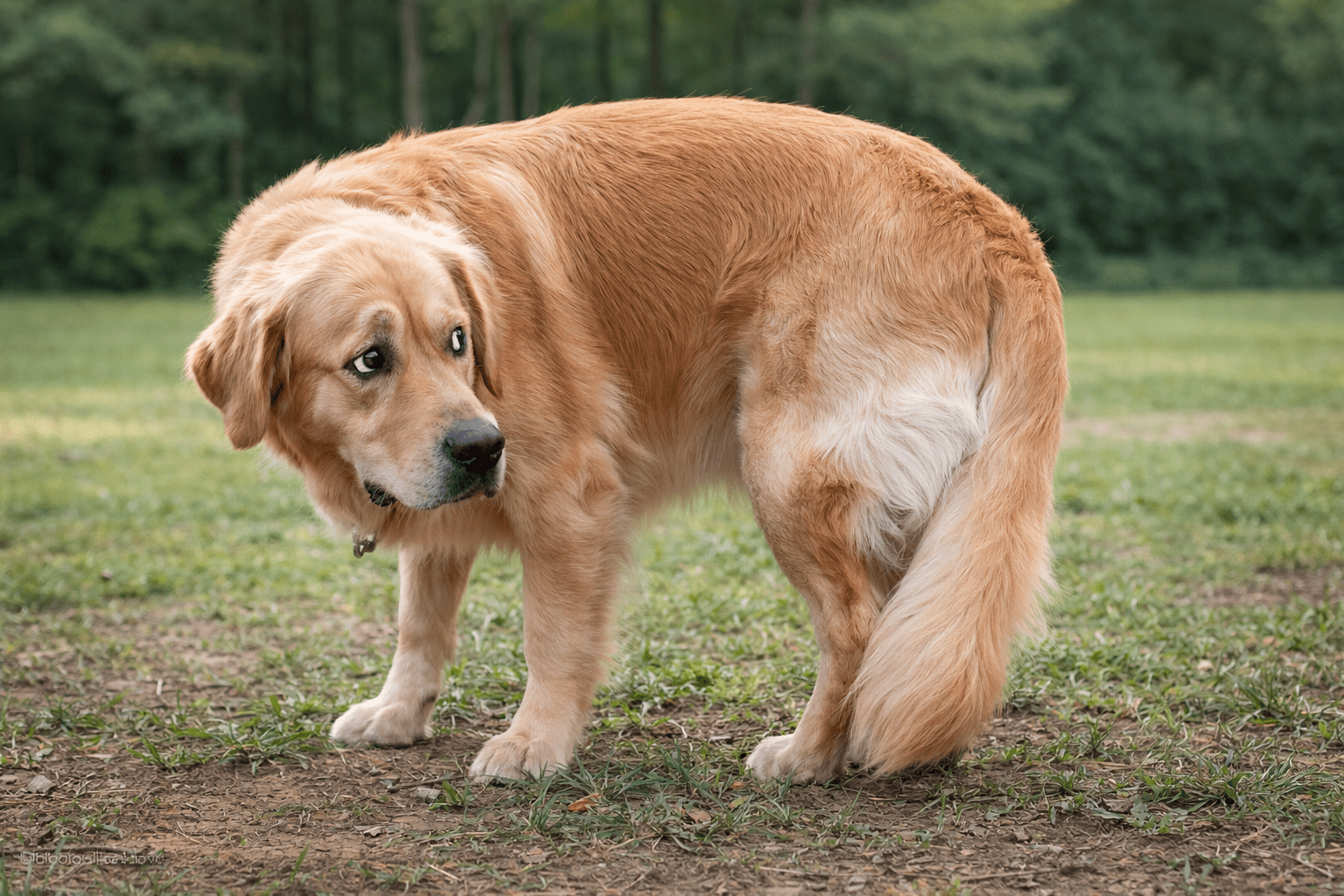
Look for these stress signals:
- Tail tucked between legs
- Ears pinned back
- Excessive panting or drooling
- Freezing in place
- Trying to hide or escape
- Growling or showing teeth
- Dilated pupils
These signs tell you when your dog feels uncomfortable. Understanding your dog’s triggers helps you plan training sessions that don’t push them too far too fast.
Some dogs struggle with other dogs but feel fine around people. Others might be comfortable with familiar adults but fearful of children. Identify specific situations that cause stress so you can address them individually.
If your dog shows severe fear or aggression, consider working with a professional. Our private dog training Long Island services offer personalized support for dogs with specific socialization challenges.
Essential Tools and Equipment
Having the right equipment makes socialization training safer and more effective. Here’s what you’ll need:
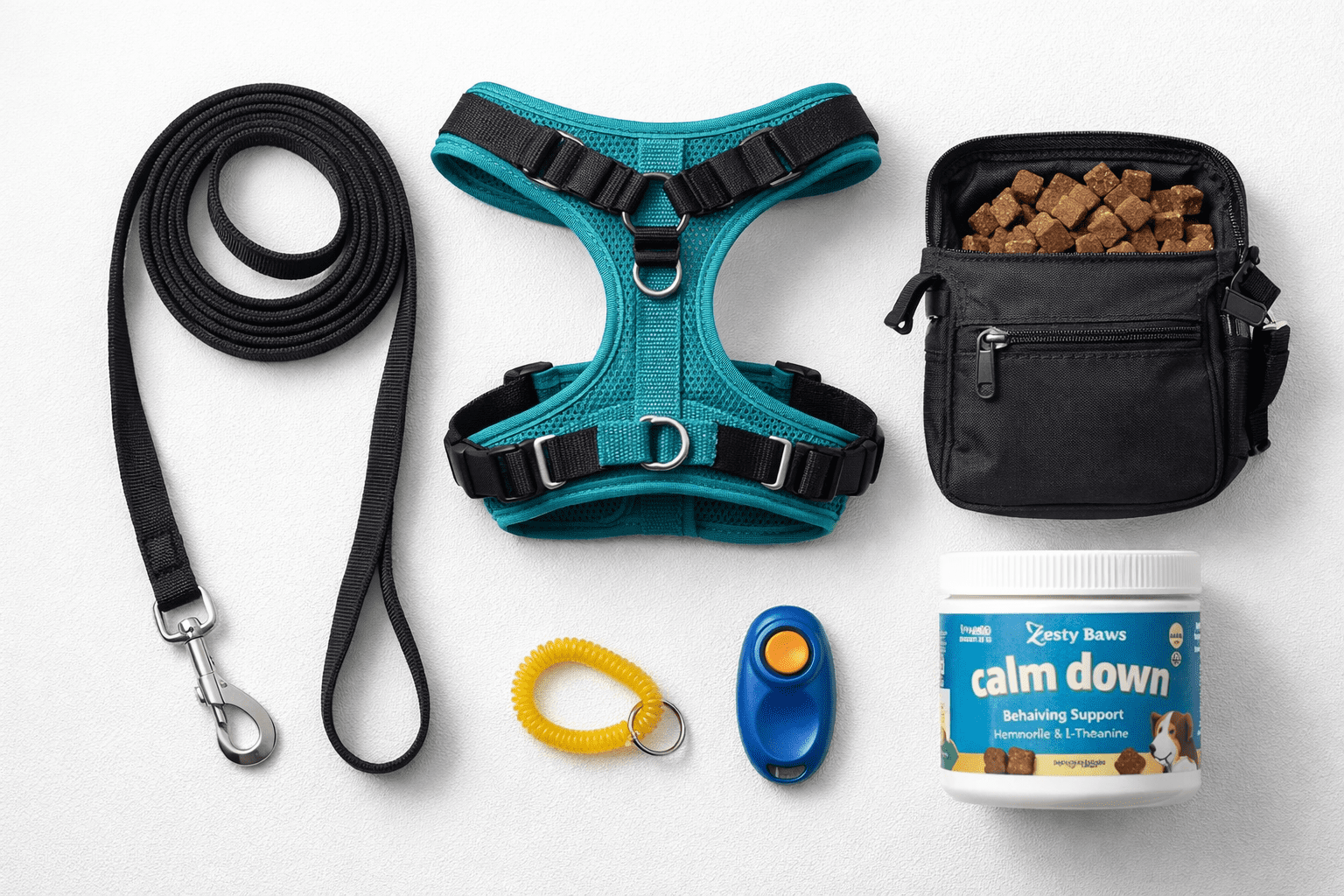
High-Value Treats: Choose small, soft treats your dog loves. These should be more exciting than their regular food. Cut them into pea-sized pieces so you can reward frequently without overfeeding.
Proper Leash and Collar: Use a standard 6-foot leash for better control. Avoid retractable leashes during socialization training as they give you less ability to manage your dog’s movements.
Comfortable Harness: A front-clip harness helps redirect dogs that pull or lunge without causing neck strain. This gives you better control during stressful situations.
Calming Aids: Consider a Thundershirt or calming treats for dogs with severe anxiety. These tools won’t solve the problem alone but can help your dog feel more relaxed during training.
Keep training sessions short and positive. Always have treats easily accessible in a treat pouch or pocket.
Step-by-Step Guide to Socializing Your Adult Dog
Successful adult dog socialization follows a gradual process that builds confidence through positive experiences. Each step should move at your dog’s pace, never forcing them into situations that cause extreme stress.
Starting with Controlled Environments
Begin socialization in calm, familiar settings where distractions are minimal. Your home, backyard, or a quiet park during off-peak hours are ideal.
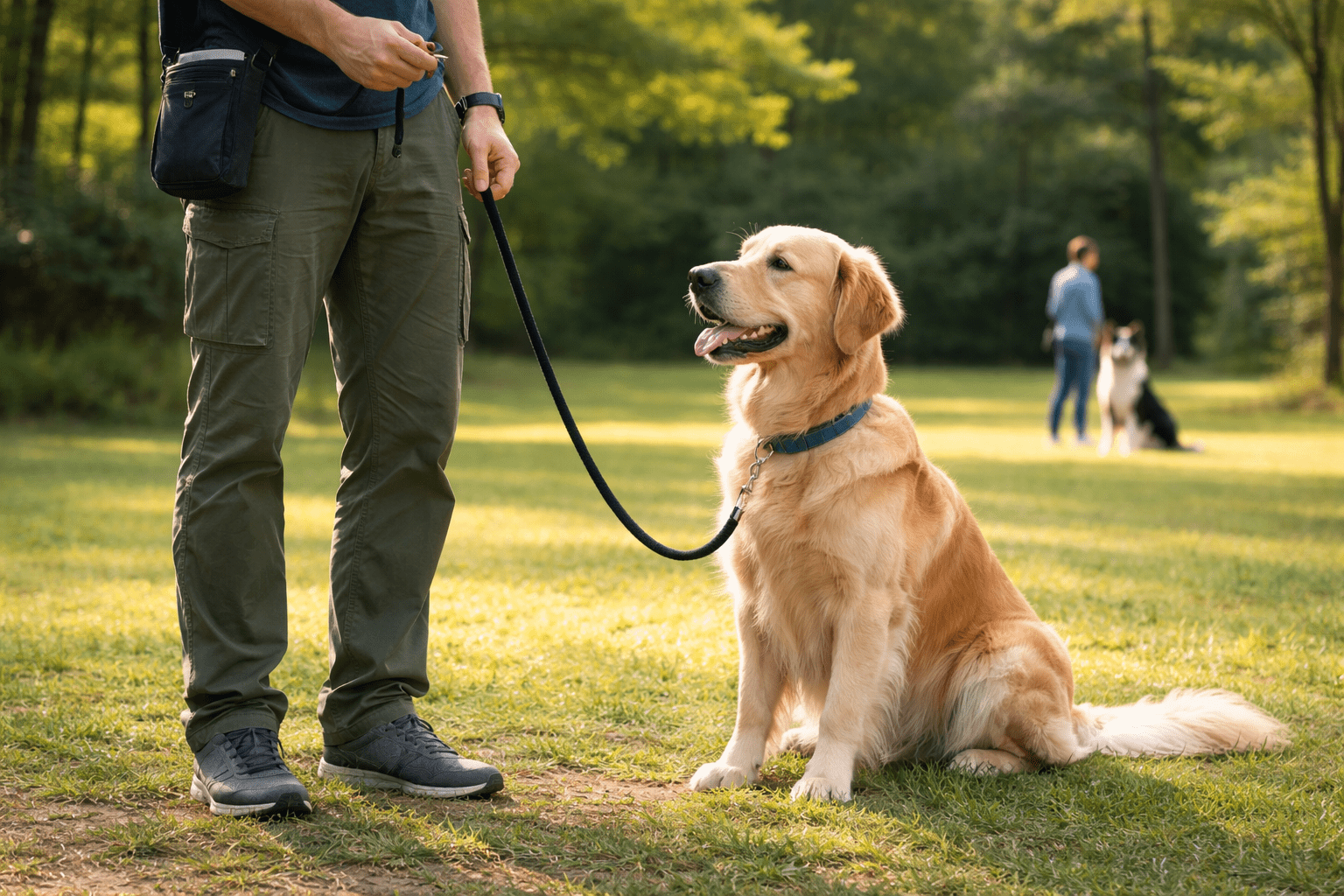
Ask a relaxed, dog-savvy friend to assist. Have them sit quietly at a distance while you reward your dog for staying calm. Reduce the distance gradually across sessions as comfort improves.
For dog-to-dog introductions, try parallel walks with a calm dog. Keep space between them and maintain focus using treats and praise. If both dogs stay relaxed, slowly close the gap.
Avoid forcing interactions. If your dog shows stress, create more distance and pause the session. Progress comes from consistent, positive exposures, not pressure.
Gradual Exposure Techniques
The key to adult dog socialization is gradual exposure, also called desensitization. This means exposing your dog to small amounts of the trigger at a level they can handle without becoming overwhelmed.
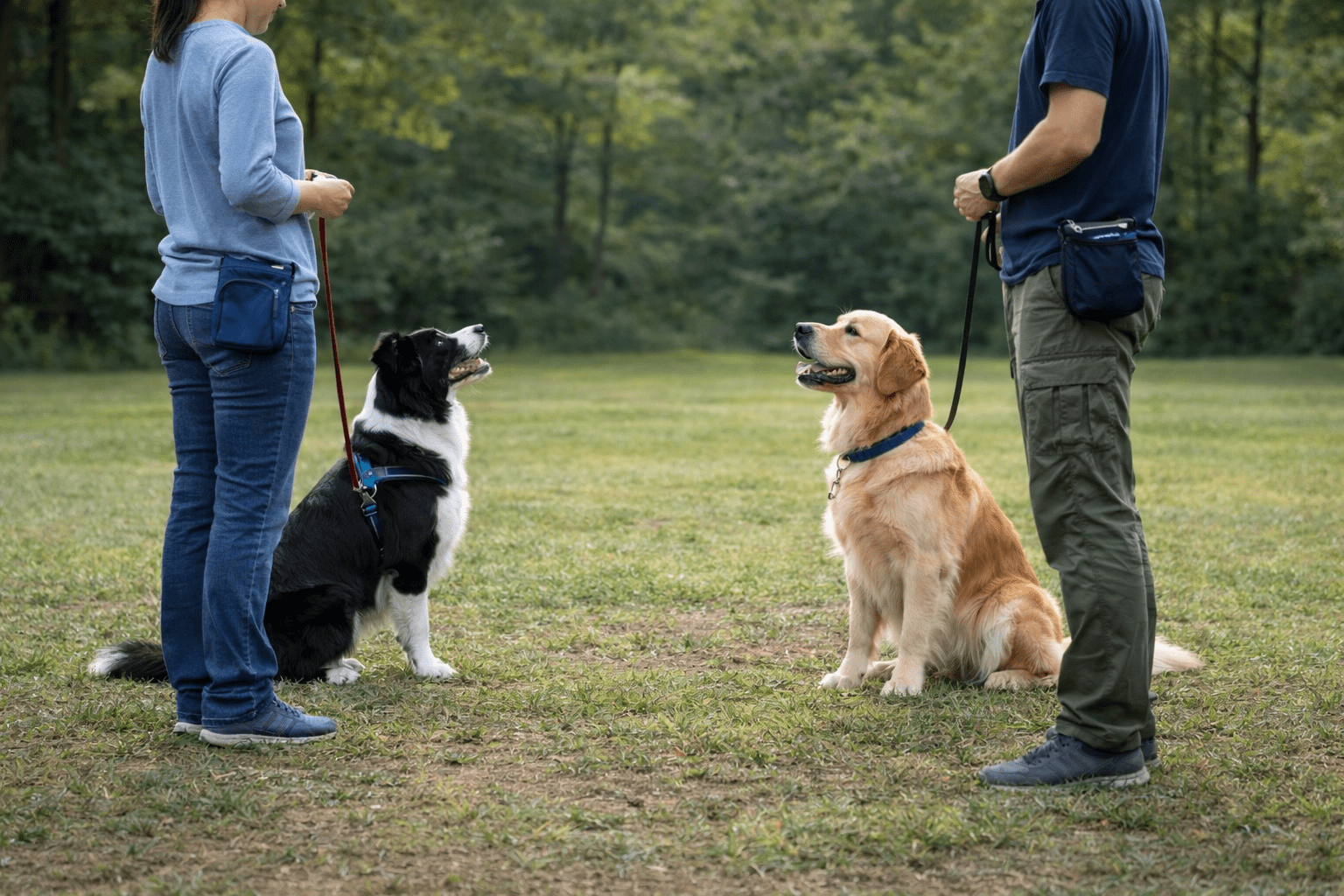
Here’s how to apply this method:
Identify the Threshold: Find the distance or intensity where your dog notices the trigger but doesn’t react with fear or aggression. This is your starting point.
Create Positive Associations: At this distance, give your dog high-value treats. The goal is for them to associate the trigger with good things.
Slowly Decrease Distance: Over multiple sessions, gradually move closer to the trigger. Only move closer when your dog remains calm and relaxed at the current distance.
Watch for Stress Signals: If your dog shows signs of stress, you’ve moved too fast. Go back to a distance where they were comfortable.
This process might take weeks or months depending on your dog’s history and fear level. Patience is essential. Rushing the process can make fears worse.
Building Confidence Through Positive Reinforcement
Positive reinforcement training builds confidence by rewarding behaviors you want to see more of. When your dog makes good choices in social situations, they learn those behaviors earn rewards.
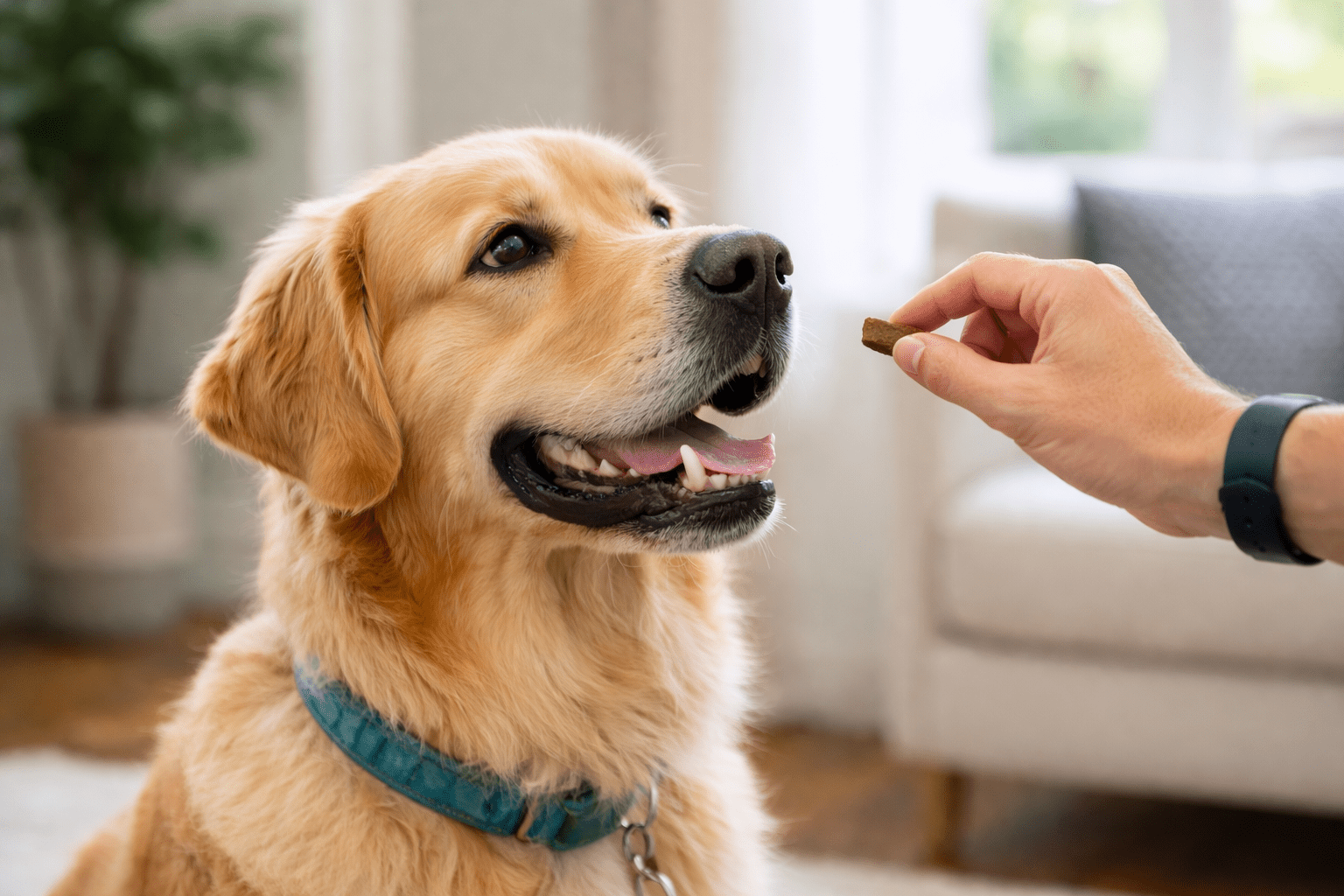
Mark calm behavior with “yes” or a clicker, then immediately give a treat. Timing matters. The reward should come within one second of the good behavior so your dog makes the connection.
Practice basic commands like “sit,” “stay,” and “look at me” in various environments. These commands give your dog something to focus on when they feel uncertain and help redirect their attention away from triggers.
Celebrate small victories. If your dog glances at another dog and looks back at you instead of barking, that’s progress worth rewarding. Over time, these small successes build into major improvements.
For dogs with complex behavioral issues, professional training accelerates progress. Consider our e-collar training course to learn advanced techniques for managing reactive behavior.
Common Socialization Scenarios and Solutions
Different socialization challenges require different approaches. Here’s how to handle the most common situations dog owners face when socializing adult dogs.
Socializing with Other Dogs
Dog-to-dog socialization requires careful planning. Not all dogs need to be social butterflies, but they should be able to remain calm when they see other dogs.
Start with visual exposure at a distance. Stand where your dog can see other dogs but feels safe. Reward calm observation. When your dog looks at another dog and remains relaxed, mark and treat.
Arrange controlled meetings with calm, well-socialized dogs. Choose dogs that won’t react negatively if your dog makes a social mistake. Keep initial meetings brief (2-3 minutes) and end on a positive note.
Watch body language during interactions. Healthy play includes play bows, taking turns chasing, and frequent breaks. Signs of stress or inappropriate behavior include:
- Constant mounting
- Not allowing the other dog to move away
- Stiff body posture
- Sustained direct eye contact
- Pinned ears with tense muscles
Separate dogs immediately if you see warning signs and try again another time with more distance or a different dog.
If your dog shows signs of poorly socialized dog behavior, address these issues before attempting direct interactions with other dogs.
Introducing Your Dog to New People
People socialization helps your dog stay relaxed around strangers like guests, delivery drivers, or vets. Ask new people to ignore your dog at first. Let your dog approach at their own pace. Reward calm behavior or curiosity. Treat tossing works well to build positive associations without pressure. Never force interaction. Practice with different people and in different places so your dog learns that unfamiliar faces are generally safe.
Handling Fear and Anxiety During Training
Fear during socialization is normal. Never punish growling or stress signals. These are warnings, not misbehavior. Instead, create distance from the trigger and reward calm responses. Use counter-conditioning by pairing the scary situation with treats or play. Move gradually at your dog’s comfort level. If fear is intense or progress is slow, seek help from a qualified trainer or veterinary behaviorist.
Building a foundation of trust helps your dog navigate fearful situations. Learn more about creating this foundation in our guide on tips for strong dog relationship.
Socialization Training Methods Comparison
Different training approaches work better for different dogs and situations. Understanding your options helps you choose the most effective method for your adult dog’s needs.
| Training Method | Best For | Time Investment | Difficulty Level | Pros | Cons |
| DIY Home Training | Dogs with mild socialization issues | 6-12 months | Moderate | Cost-effective, flexible schedule, builds owner skills | Slower progress, risk of mistakes, limited professional guidance |
| Group Classes | Dogs that can handle controlled environments | 6-8 weeks | Easy to Moderate | Socialization opportunities, professional guidance, affordable | Not suitable for reactive dogs, limited individual attention |
| Private Training | Dogs with specific challenges | 4-8 weeks | Easy | Customized approach, faster results, one-on-one attention | Higher cost, requires scheduling |
| Board and Train | Severe socialization issues | 2-4 weeks | Easy for Owner | Intensive training, professional environment, quick results | Most expensive, requires follow-up training |
Choosing the Right Approach for Your Dog
Choose a method that fits your dog’s temperament. Severe fear or aggression calls for professional help to avoid setbacks and safety risks.
Mild nervousness can often improve with consistent home training, ideally with occasional trainer guidance.
If time is limited, board and train programs offer faster progress through daily, intensive work.
Budget matters too. Professional training costs more upfront but can prevent expensive problems later, from property damage to vet bills and liability issues.
Creating Long-Term Socialization Success
Socialization isn’t a one-time event but an ongoing process. Maintaining your dog’s social skills requires consistent practice and occasional refreshers throughout their life.
Maintaining Social Skills Over Time
Even well-socialized dogs can become rusty without regular practice. Continue exposing your dog to various environments, people, and animals throughout their life.
Schedule regular outings to dog-friendly locations. Visit pet stores, outdoor cafes, or parks where your dog can practice being calm around distractions. These outings don’t need to be long; 15-20 minutes of exposure several times per week maintains skills.
Arrange playdates with dogs your pet gets along with. Positive social interactions keep your dog comfortable around other animals and prevent regression.
Watch for changes in behavior. Life events like moving, loss of a family member, or traumatic experiences can impact your dog’s confidence. If you notice increased fear or anxiety, return to basics with more controlled socialization sessions.
When to Seek Professional Help
Some situations require professional intervention. Recognize when your dog’s socialization challenges exceed what you can safely handle alone.
Seek professional help if your dog:
- Shows aggression toward people or dogs
- Has bitten or attempted to bite
- Panics or shuts down in social situations
- Makes no progress after several weeks of training
- Has severe separation anxiety alongside socialization issues
Professional trainers have experience with complex cases and can create customized training plans. They also provide safety guidance to prevent injuries during the training process.
Working with a professional doesn’t mean you’ve failed. It means you’re committed to giving your dog the best chance at success. Many socialization issues stem from genetics, early experiences, or trauma that require specialized knowledge to address.
For comprehensive support, explore our effective ways to train dog methods that complement socialization training.
Adult Dog Socialization Timeline and Expectations
Understanding realistic timelines helps you stay motivated during the socialization process. Progress isn’t always linear, and different dogs improve at different rates.
| Timeline | Mild Issues | Moderate Issues | Severe Issues | What to Expect |
| Week 1-2 | Assessing baseline behavior | Assessing baseline behavior | Professional consultation | Identifying triggers, gathering tools, planning approach |
| Week 3-6 | Controlled exposure begins | Distance work with triggers | Intensive professional training | Early progress with familiar situations |
| Week 7-12 | Gradual decrease in distance | Slow progress with management | Continued intensive work | Noticeable improvements in some situations |
| Month 4-6 | Practicing in varied settings | Managed interactions possible | Transfer training to owner | Generalization of skills to new environments |
| Month 6+ | Maintenance and refinement | Ongoing practice needed | Long-term management plan | Continued improvement with consistent work |
Setting Realistic Goals
Your dog doesn’t need to love everyone. The goal is calm, controlled behavior in social situations.
Value small wins. Less barking or walking past another dog without reacting is real progress.
Accept limitations. Some dogs may never enjoy certain interactions but can learn to tolerate them calmly.
Track improvements with notes or videos. Looking back helps you stay motivated as progress builds over time.
Wrapping Up Your Socialization Journey with Your Adult Dog
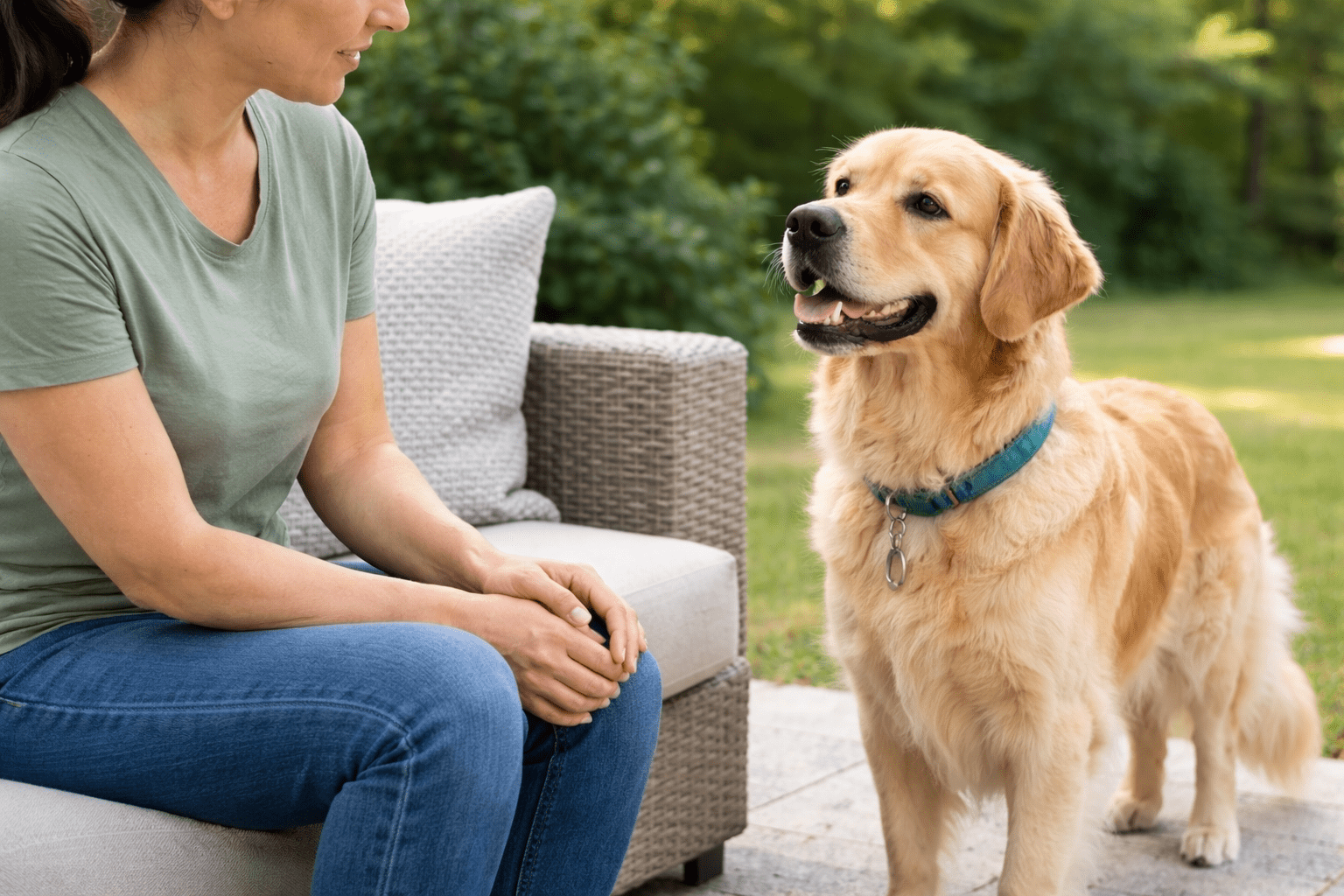
Learning how to socialize an adult dog takes patience, consistency, and a willingness to work at your dog’s pace. Remember that every dog has the capacity to improve their social skills, regardless of their age or history. The techniques covered in this guide provide a foundation for helping your dog feel more confident and comfortable in various situations.
Success comes from understanding your dog’s unique needs, using positive reinforcement consistently, and celebrating small victories along the way. Whether you’re working on helping your dog feel comfortable around other dogs, people, or new environments, the gradual exposure approach builds lasting confidence without overwhelming your pet.
At K9 Mania Dog Training, we specialize in transforming dogs with socialization challenges into confident, well-adjusted companions. Our board and train Long Island program has helped countless adult dogs overcome fear, anxiety, and reactive behavior. With years of experience handling complex cases, our professional trainers create customized plans that deliver real results. Don’t let socialization issues limit your dog’s quality of life. Contact K9 Mania Dog Training today and discover how we can help your dog reach their full potential.
You May Also Want to Read
- How to Stop a Dog from Chewing Furniture
- How to Train a Hyperactive Dog
- Playing Tug of War With Dog: Complete Guide for Safe & Fun Play
- How to Train a Dog with a Shock Collar: Complete Guide
Frequently Asked Questions
Is it too late to socialize an adult dog?
No, it’s never too late to socialize an adult dog. While the process takes more time and patience than puppy socialization, adult dogs can learn new behaviors and overcome fears at any age. The key is moving at your dog’s pace and using positive reinforcement consistently.
What are signs of a dog being poorly socialized?
Poorly socialized dogs often show excessive fear of new people, dogs, or environments. They may bark excessively, hide, tremble, or attempt to escape when encountering unfamiliar situations. Some dogs display aggressive behavior like growling or lunging when they feel threatened by social interactions.
What is a red flag dog’s behavior?
Red flag behaviors include unprovoked aggression toward people or dogs, resource guarding that escalates quickly, severe separation anxiety, or panic attacks in normal situations. These behaviors often indicate deeper issues that require professional intervention beyond basic socialization training.
How to tell if your dog disrespects you?
A dog that ignores basic commands consistently, pushes past you through doorways, or guards resources aggressively may lack proper boundaries rather than respect. However, these behaviors often stem from inadequate training or unclear communication rather than intentional disrespect. Focus on consistent leadership and clear expectations.
At what age is a dog no longer trainable?
Dogs remain trainable throughout their entire lives. While puppies learn faster due to their developing brains, senior dogs can still learn new behaviors and commands. The saying “you can’t teach an old dog new tricks” is a myth. Training methods may need adjustment for senior dogs, but learning never stops.
Do dogs forgive you for yelling at them?
Dogs don’t hold grudges the way humans do, but yelling can damage your relationship and create fear or anxiety. If you’ve yelled at your dog, they’ll likely move past it, especially if you return to consistent positive reinforcement. However, repeated yelling erodes trust and makes training more difficult.