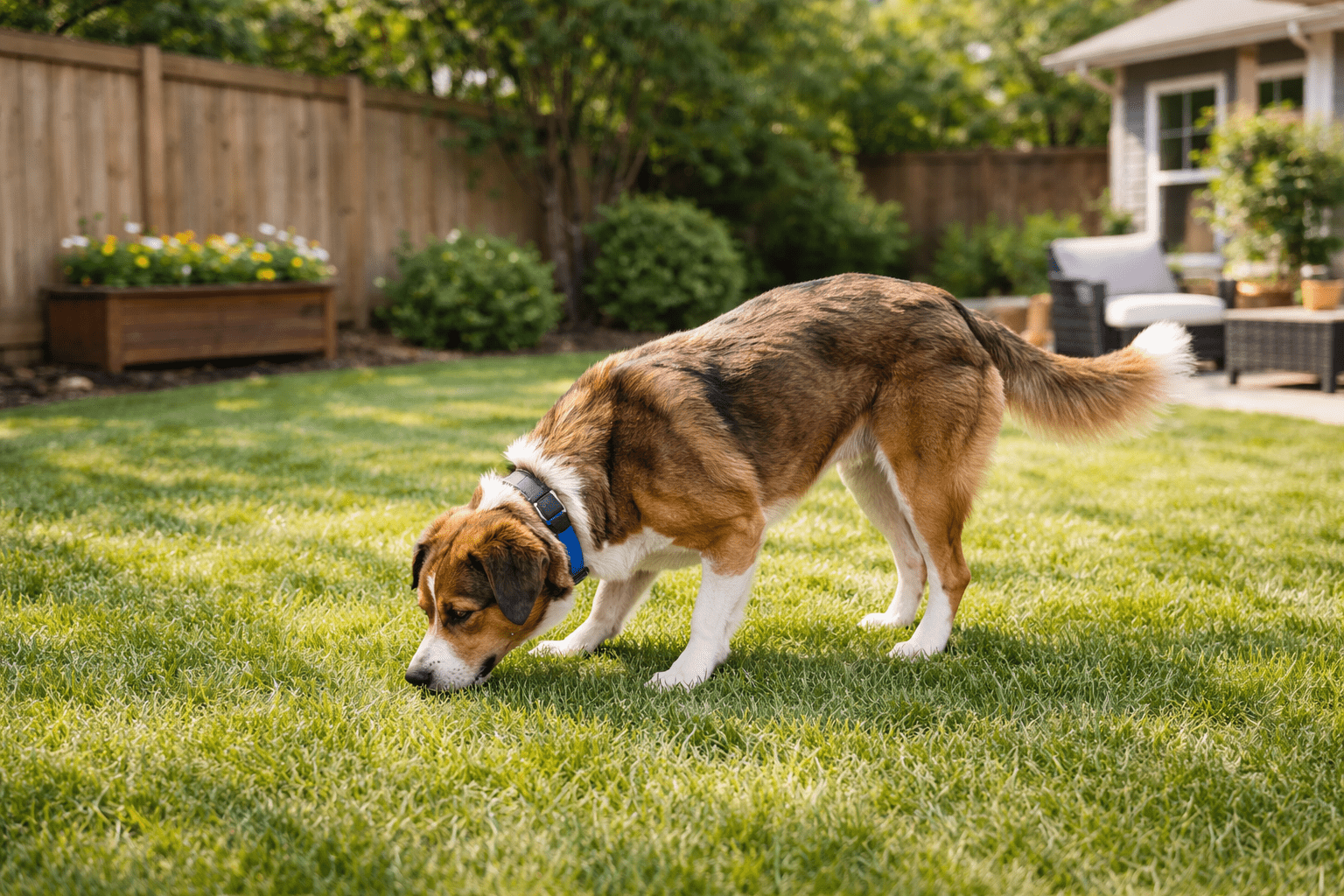
How to stop a dog from eating poop starts with understanding why your dog does it, then using consistent training and management strategies to break the habit. Most dogs can be trained out of this behavior within 2-4 weeks using the right combination of supervision, taste deterrents, and positive reinforcement.
If you’ve caught your dog doing this disgusting behavior, you’re not alone. This common issue affects many dog owners and can feel embarrassing and frustrating. The good news? With the right approach, you can train your dog to stop this behavior for good.
In this guide, we’ll walk you through why dogs eat poop, proven methods to stop it, and practical tips you can start using today to keep your dog healthy and this behavior in the past.
Need professional help with stubborn behavior issues? Our board and train Long Island program addresses difficult behaviors with proven results.
Why Do Dogs Eat Poop?
Understanding why your dog eats poop is the first step in stopping this behavior. Dogs don’t do this to gross you out or be difficult. There are actually several logical reasons behind this habit.
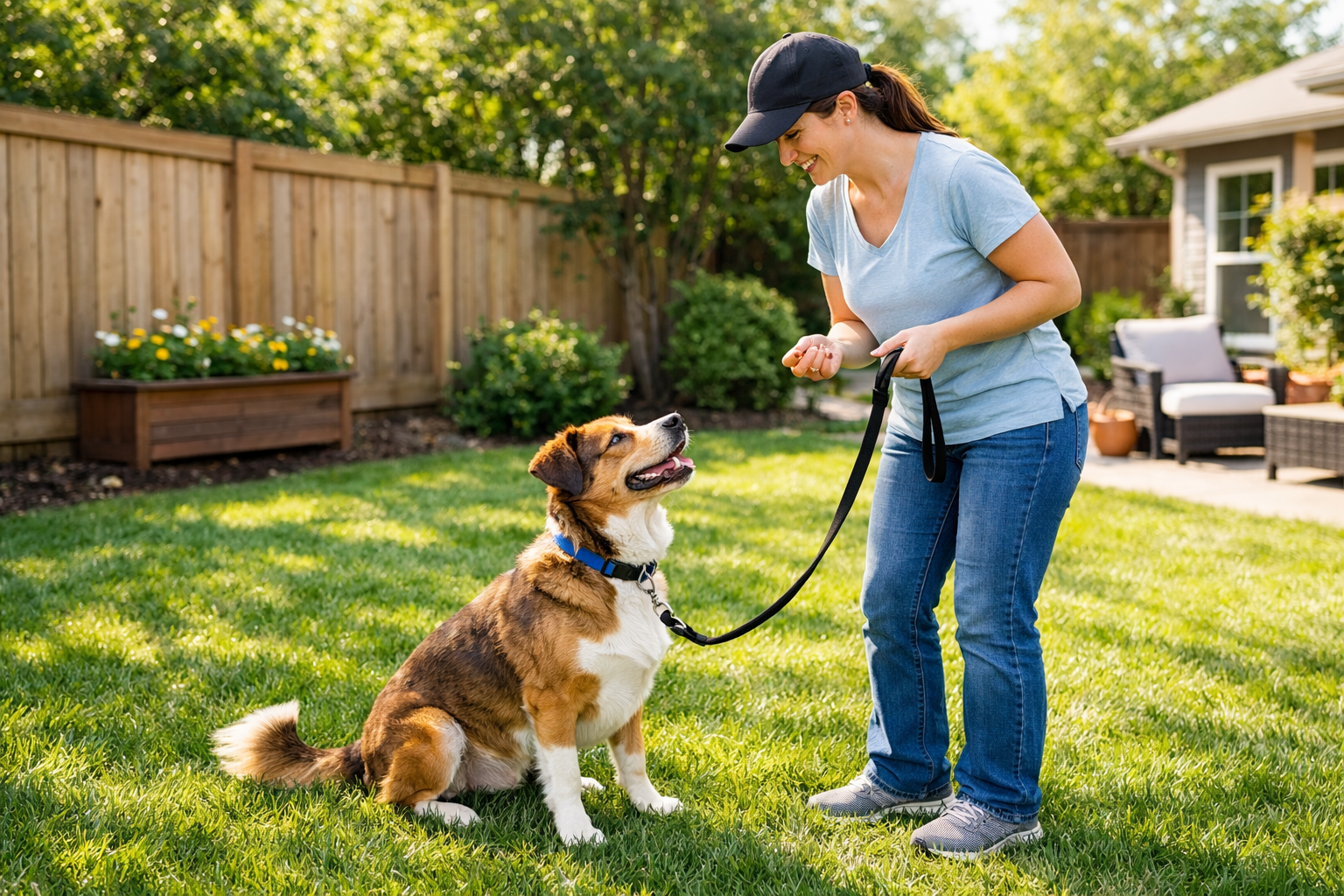
Common Reasons Behind This Behavior
Nutritional Deficiencies
Sometimes dogs eat poop because their body is missing important nutrients. If your dog’s food doesn’t have enough protein, vitamins, or minerals, they might try to get these nutrients from poop. Low-quality dog food or digestive problems that prevent proper nutrient absorption can trigger this behavior.
Learned Behavior from Puppyhood
Puppies often explore the world with their mouths. Mother dogs naturally clean up after their puppies by eating their waste. Young puppies sometimes copy this behavior and carry it into adulthood if not corrected early.
Attention-Seeking
If your dog has learned that eating poop gets your attention (even negative attention like yelling), they might keep doing it. Any reaction from you can accidentally reinforce the behavior.
Boredom and Lack of Stimulation
Dogs left alone for long periods or without enough mental and physical exercise may eat poop simply because they’re bored. This is especially common in dogs who spend a lot of time in yards or kennels with limited interaction.
Anxiety and Stress
Anxious dogs sometimes eat their own poop to hide “evidence” if they’ve been punished for having accidents in the house. This creates a stressful cycle where the dog tries to avoid punishment by eating the evidence.
Medical Conditions
Certain health issues can cause this behavior:
- Parasites that steal nutrients from your dog’s food
- Digestive enzyme problems that prevent proper food breakdown
- Conditions like diabetes or thyroid issues that increase hunger
- Medications (especially steroids) that boost appetite
When to Worry About Health Issues
Not every case needs a vet visit, but some situations require professional help. Contact your veterinarian if your dog suddenly starts eating poop when they never did before, especially if they’re also losing weight, vomiting, having diarrhea, or showing less energy than usual.
Puppies under six months who eat poop occasionally usually grow out of it. Adult dogs who develop this behavior suddenly should be checked by a vet to rule out health problems.
If your dog only eats other animals’ poop (like cat or rabbit droppings), this is often more about the appealing smell and taste rather than a health concern. However, it can still expose them to parasites and bacteria.
Looking to build better habits through structured training? Explore our obedience training course designed to address behavioral challenges.
Proven Methods to Stop Dogs from Eating Poop
Breaking this habit requires a combination of management, training, and sometimes dietary changes. Here are the most effective approaches that work for most dogs.
Immediate Supervision and Management
The fastest way to stop this behavior is preventing access. When your dog is outside, go with them. Keep them on a leash during potty breaks so you can guide them away from any poop immediately.
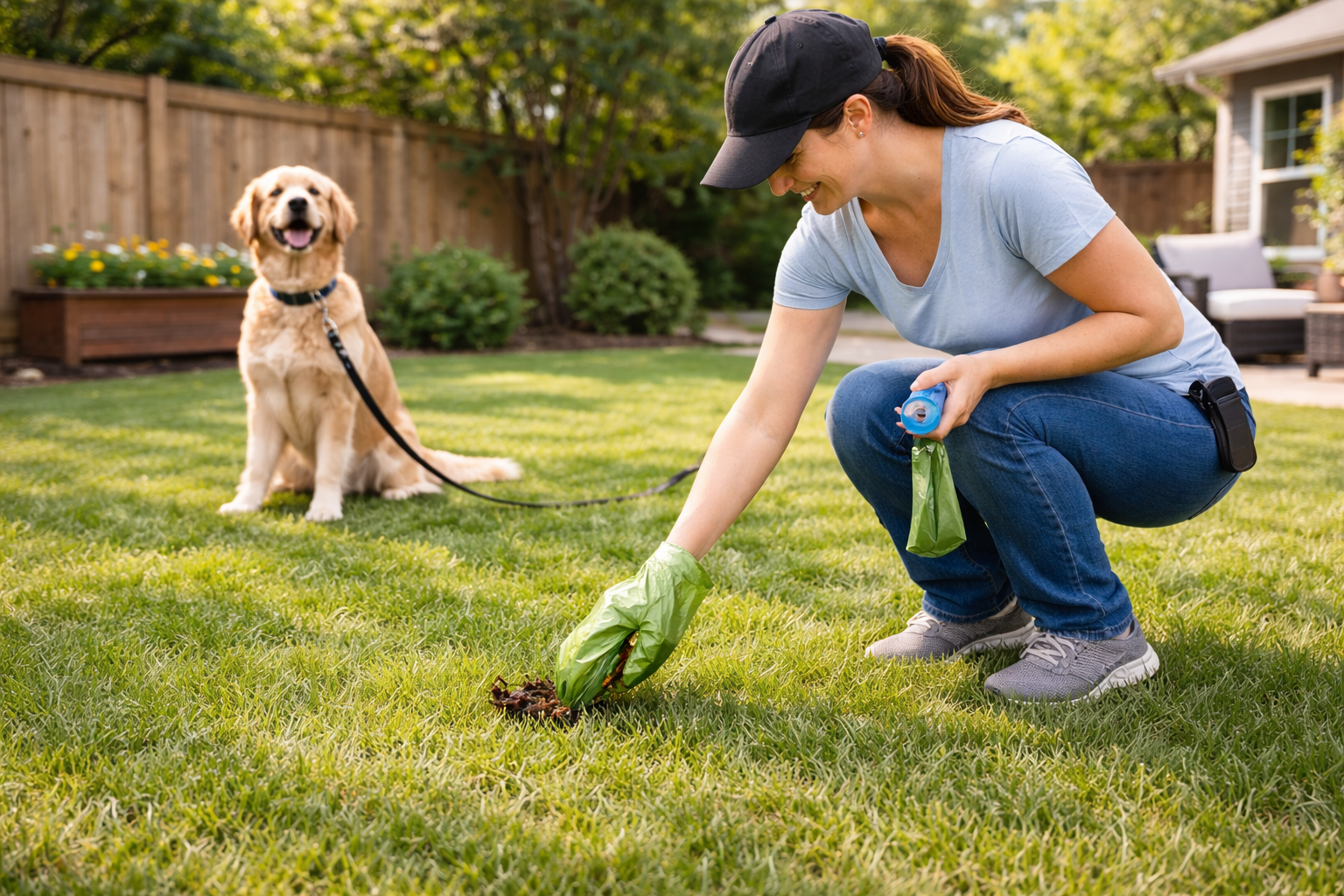
Clean up waste right away. The less opportunity your dog has to practice the behavior, the easier it becomes to break the habit. Set up a routine where you follow your dog outside and clean up within minutes of them going.
In multi-dog households, pick up each dog’s waste immediately before another dog can get to it. This takes extra effort but makes a huge difference in stopping the cycle.
Training Techniques That Work
The “Leave It” Command
Teaching a solid “leave it” command is one of the most powerful tools. Here’s how:
- Start with a treat in your closed hand
- Let your dog sniff and try to get it
- Wait until they back away or stop trying
- Say “leave it” and reward them with a different treat
- Practice this daily with various objects
- Gradually use it with poop when you’re outside together
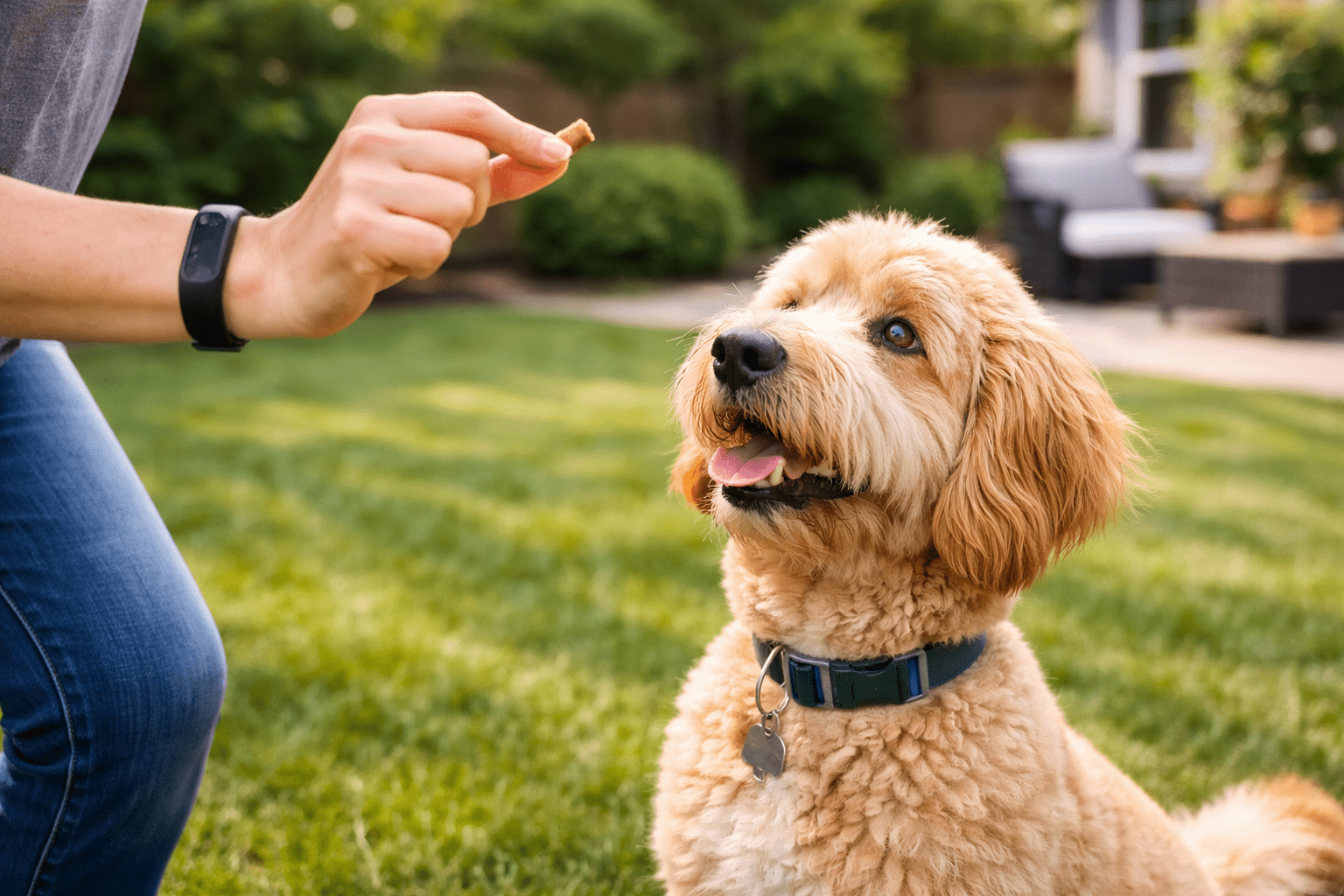
Redirect and Reward
The moment your dog finishes going to the bathroom, immediately call them to you with an excited voice. Reward them with a high-value treat or favorite toy. This creates a positive association with moving away from their waste instead of investigating it.
Practice this every single time your dog goes to the bathroom. Consistency is everything. Within a week or two, your dog will start looking to you for a reward right after going instead of turning toward their poop.
Environmental Management
Make your yard less appealing for this behavior:
- Keep the area well-lit so you can always see what your dog is doing
- Remove any poop from neighborhood cats or wildlife that might tempt your dog
- Create a designated potty area that you clean multiple times daily
- Provide plenty of appropriate chew toys and activities to reduce boredom
Dietary Solutions and Supplements
Sometimes adjusting your dog’s diet helps reduce or eliminate the behavior.
Upgrade Food Quality
Switch to a high-quality dog food with easily digestible proteins and balanced nutrition. Foods with better ingredients are absorbed more completely, leaving less undigested material in the stool. This makes poop less appealing to dogs.
Look for foods that list real meat as the first ingredient and avoid those with excessive fillers like corn or wheat.
Add Digestive Enzymes
Digestive enzyme supplements help your dog break down and absorb nutrients better. This can reduce the nutritional motivation behind eating poop. Talk to your vet about adding enzymes to your dog’s meals.
Taste Deterrent Products
Several products make poop taste bad to dogs (even worse than it already is to us). These contain ingredients like chamomile, yucca, or parsley that change the taste of the stool.
Popular options include:
- Powder additives mixed into food
- Tablet supplements given with meals
- Spray deterrents applied directly to poop
These work for some dogs but not all. Results vary because every dog’s taste preferences differ.
| Method | How It Works | Best For | Time to See Results |
| Immediate Supervision | Prevents access through management | All dogs, especially those with strong habits | Immediate prevention, 2-4 weeks to break habit |
| “Leave It” Training | Teaches dog to ignore poop on command | Dogs responsive to training | 1-2 weeks with daily practice |
| Dietary Changes | Improves nutrition to reduce motivation | Dogs with possible deficiencies | 2-3 weeks |
| Taste Deterrents | Makes poop unappealing | Dogs who eat their own poop | 1-2 weeks |
Want to master essential commands like “leave it”? Check out our guide on dog obedience training commands every owner should know.
Step-by-Step Training Plan
A structured approach gives you the best chance of success. Follow this plan consistently for at least three weeks.
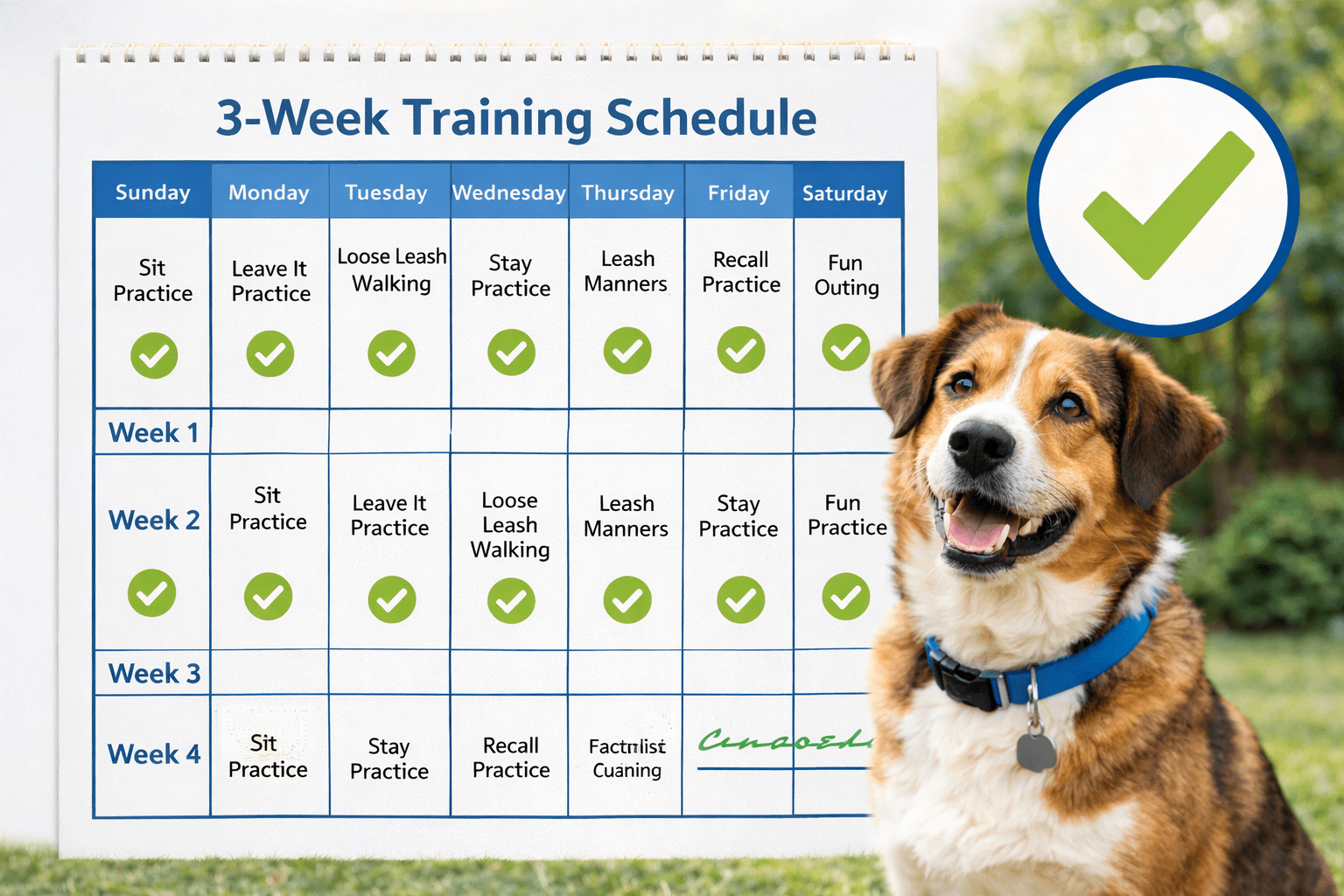
Week 1: Prevention and Observation
Days 1-3: Focus entirely on preventing access. Go outside with your dog every single time. Use a leash if needed. Clean up immediately after they go. Start a log noting when your dog tries to eat poop and what might have triggered it.
Days 4-7: Continue prevention while beginning “leave it” training indoors with treats and toys. Practice 5-10 minutes twice daily. Keep rewarding your dog with high-value treats when they move away from their waste after going potty.
Week 2: Building New Habits
Days 8-11: Start using the “leave it” command in the yard with less appealing items first (sticks, leaves). When your dog successfully leaves these items, reward heavily. Continue immediate cleanup and rewards for moving away from poop.
Days 12-14: Begin using “leave it” near poop while your dog is on a leash. If they move away, the jackpot rewards them with multiple treats and lots of praise. If they don’t respond, gently guide them away and try again later.
Week 3: Reinforcing Success
Days 15-21: Continue practicing “leave it” off-leash in a secure area. Reduce treat frequency slightly but maintain verbal praise. Your dog should start naturally moving away from poop. Keep up with immediate cleanup and remain vigilant.
If your dog has a setback, don’t get discouraged. Simply go back to closer supervision and more frequent rewards. Progress isn’t always linear.
What to Do If Your Dog Still Struggles
Some dogs need extra help beyond basic training. Consider these options:
Increase Exercise and Mental Stimulation
A tired dog is less likely to engage in unwanted behaviors. Add an extra walk, try puzzle toys, or practice new tricks daily. Mental exercise can be just as tiring as physical activity.
Address Underlying Anxiety
If stress or anxiety drives the behavior, work on building your dog’s confidence. Create a predictable routine, use calming aids if needed, and consider working with a professional trainer who specializes in anxiety-related behaviors.
Professional Training Support
Sometimes you need expert guidance. A professional can observe your dog’s specific triggers and create a customized plan. They can also rule out training mistakes you might not realize you’re making.
Other Helpful Tips for Success
Beyond the core training methods, these practical tips can speed up your progress and make the process easier.
Keep Your Dog Engaged and Active
Boredom plays a bigger role in this behavior than many owners realize. Dogs need both physical exercise and mental challenges to stay satisfied.
Physical Exercise:
- Take your dog for at least two walks daily
- Play fetch, tug-of-war, or other active games
- Consider dog sports like agility or nosework
- Let your dog run in a safe, enclosed area
Mental Stimulation:
- Rotate different toys to keep them interesting
- Use puzzle feeders instead of regular bowls
- Practice training sessions teaching new tricks
- Play hide-and-seek games with treats around the house
A well-exercised dog with plenty of appropriate outlets for their energy is far less likely to develop or maintain undesirable behaviors.
Watch for Triggers and Patterns
Pay attention to when your dog is most likely to eat poop. Does it happen right after meals? First thing in the morning? When they’re in the yard alone?
Identifying patterns helps you intervene at the right times. If your dog always tries to eat poop during evening potty breaks, make sure you’re extra vigilant during those times. If it happens when they’re alone in the yard, adjust your supervision schedule.
Keep notes for a week or two. You might spot patterns you didn’t notice before.
Manage Multi-Dog Households Carefully
Homes with multiple dogs face unique challenges. Dogs often become more interested in eating other dogs’ poop than their own.
Strategies for multiple dogs:
- Take dogs out separately for potty breaks when possible
- Supervise closely when they’re together in the yard
- Reward all dogs when they leave waste alone
- Clean up immediately after each dog
Some dogs develop this habit by watching other dogs do it. Break the cycle by preventing any dog from practicing the behavior.
What to Avoid
Certain approaches can actually make the problem worse or damage your relationship with your dog.
Don’t Punish Your Dog
Yelling at or punishing your dog after they eat poop rarely works. It can create anxiety, causing them to eat evidence faster next time or hide the behavior from you. Stay calm and focus on prevention and positive reinforcement instead.
Don’t Leave Poop in the Yard
Some owners think leaving poop around helps dogs “get used to it.” This doesn’t work. It only gives more opportunities to practice the unwanted behavior. Clean up thoroughly and frequently.
Don’t Expect Overnight Results
Changing ingrained behaviors takes time. Set realistic expectations. Most dogs need several weeks of consistent training before the behavior stops completely.
| Do This | Not This |
| Supervise every outdoor bathroom break | Leave your dog unattended in the yard |
| Reward your dog for moving away from poop | Punish your dog after they eat poop |
| Clean up waste immediately | Leave poop sitting in the yard for hours |
| Practice “leave it” daily with various objects | Only try to train in the moment of bad behavior |
| Stay patient and consistent for weeks | Give up after a few days if you don’t see results |
| Use high-value treats for rewards | Use boring treats your dog doesn’t care about |
Wondering if professional help could make a difference? Read our article on is private dog training worth it to explore your options.
When Professional Help Makes Sense
While many dog owners can address this issue at home, some situations benefit from expert guidance.
Consider professional training if:
- You’ve tried multiple methods consistently for over a month with no improvement
- Your dog becomes aggressive or possessive over poop
- The behavior started suddenly in an older dog
- You suspect anxiety or compulsive behavior is involved
- You feel overwhelmed and don’t know where to start
Professional trainers can observe your dog’s specific situation and create a targeted plan. They can also help you improve your training technique and timing, which makes a big difference in results.
Prefer learning from home? Our online dog training courses give you expert guidance on your schedule.
Key Takeaways on Stopping This Behavior
Learning how to stop a dog from eating poop requires understanding why your dog does it and using consistent training to break the habit. Most dogs respond well to a combination of immediate supervision, “leave it” training, and dietary improvements. The key is staying patient and consistent for at least three weeks while preventing your dog from practicing the behavior.
Remember that this is a common problem many dog owners face, and it’s solvable with the right approach. Start with the basics: supervise your dog, clean up immediately, teach the “leave it” command, and reward better choices. If your dog continues struggling after several weeks of consistent effort, don’t hesitate to seek professional help.
With dedication and the right techniques, you can say goodbye to this frustrating behavior and enjoy a cleaner, healthier relationship with your dog.
Need a comprehensive approach to behavior training? Learn more effective dog training methods that create lasting results.
Let K9 Mania Dog Training Help You Succeed
At K9 Mania Dog Training, we’re the leading board and train Long Island program specializing in all types of behavioral challenges. Whether your dog eats poop, pulls on the leash, or struggles with other issues, our expert trainers create customized solutions that work. We understand how frustrating these behaviors can be and we’re here to help you and your dog succeed. Visit our website to learn how we can transform your dog’s behavior and restore peace to your home. Trust K9 Mania Dog Training to guide you every step of the way.
You May Also Want to Read
- How to Train Your Dog to Stay Home Alone: A Complete Guide
- Why Is My Dog Acting Scared? Common Causes and Solutions
- How to Stop Dogs from Digging: Proven Strategies
- How to Stop a Dog from Eating Poop
- How to Calm a Hyperactive Dog
Frequently Asked Questions
What repels dogs from eating poop?
Strong-smelling deterrent sprays containing bitter apple or citrus can repel dogs from poop. Teaching the “leave it” command and using taste-deterrent supplements added to your dog’s food also work well. The most effective approach combines these methods with immediate supervision and rewards for leaving poop alone.
Do coffee grounds stop dogs from eating poop?
Coffee grounds are not recommended as they can be toxic to dogs if consumed in large amounts. Instead, use commercial taste deterrent products specifically designed for pets, or focus on training-based solutions. Sprinkling food-grade deterrents like cayenne pepper around poop might help, but supervision and training work better.
What smell do dogs absolutely hate?
Most dogs dislike the smell of citrus (oranges, lemons), vinegar, and certain essential oils like eucalyptus or peppermint. However, using smells alone rarely solves the poop-eating problem. Combine scent deterrents with consistent training and management for best results. Never apply essential oils directly on your dog without vet approval.
Why is my dog constantly eating poop?
Dogs eat poop due to nutritional deficiencies, boredom, anxiety, attention-seeking, or learned behavior from puppyhood. Some medical conditions like digestive enzyme problems or parasites can also cause this habit. If your dog suddenly develops this behavior or does it constantly, schedule a vet visit to rule out health issues before focusing on training solutions.
What dog breeds are prone to eating poop?
While any dog can develop this behavior, certain breeds like Labrador Retrievers, Beagles, and other food-motivated breeds may be more prone to it. Hounds and terriers who have strong scavenging instincts might also show this behavior more often. However, individual personality and environmental factors matter more than breed when it comes to this habit.
What are some safe deterrents for this behavior?
Safe deterrents include commercial taste-aversion products added to food, immediate supervision with leash control, consistent “leave it” training, and dietary improvements with quality food and digestive enzymes. Always clean up waste immediately and provide plenty of exercise and mental stimulation. Avoid toxic substances like coffee grounds or harsh chemicals that could harm your dog.