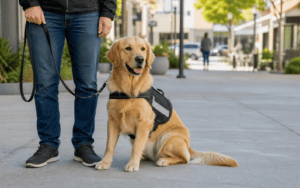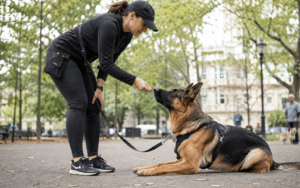

When you’re leaving town or simply need a break, you have two main options for your dog’s care: standard dog boarding, which provides supervised housing without structured training, and board and train long island programs, which combine overnight stays with professional obedience instruction. Choosing between the two depends on your dog’s current behavior, your budget, and what you want your dog to gain from the experience.
Key Takeaways
- Standard dog boarding is ideal for well-behaved dogs who simply need safe, supervised care while you’re away.
- Board and train programs are designed for dogs that need behavioral correction, foundational obedience, or advanced skill-building.
- Board and train costs significantly more than standard boarding, typically ranging from $1,500 to $3,500 for a multi-week program.
- Skills learned during board and train require reinforcement from you at home — the program doesn’t replace your role as the handler.
- Location matters: finding a reputable facility close to home makes drop-off, pick-up, and follow-up sessions far more practical.
- Not every dog is a good candidate for board and train; age, temperament, and prior training history all factor into the decision.
What Standard Dog Boarding Actually Involves
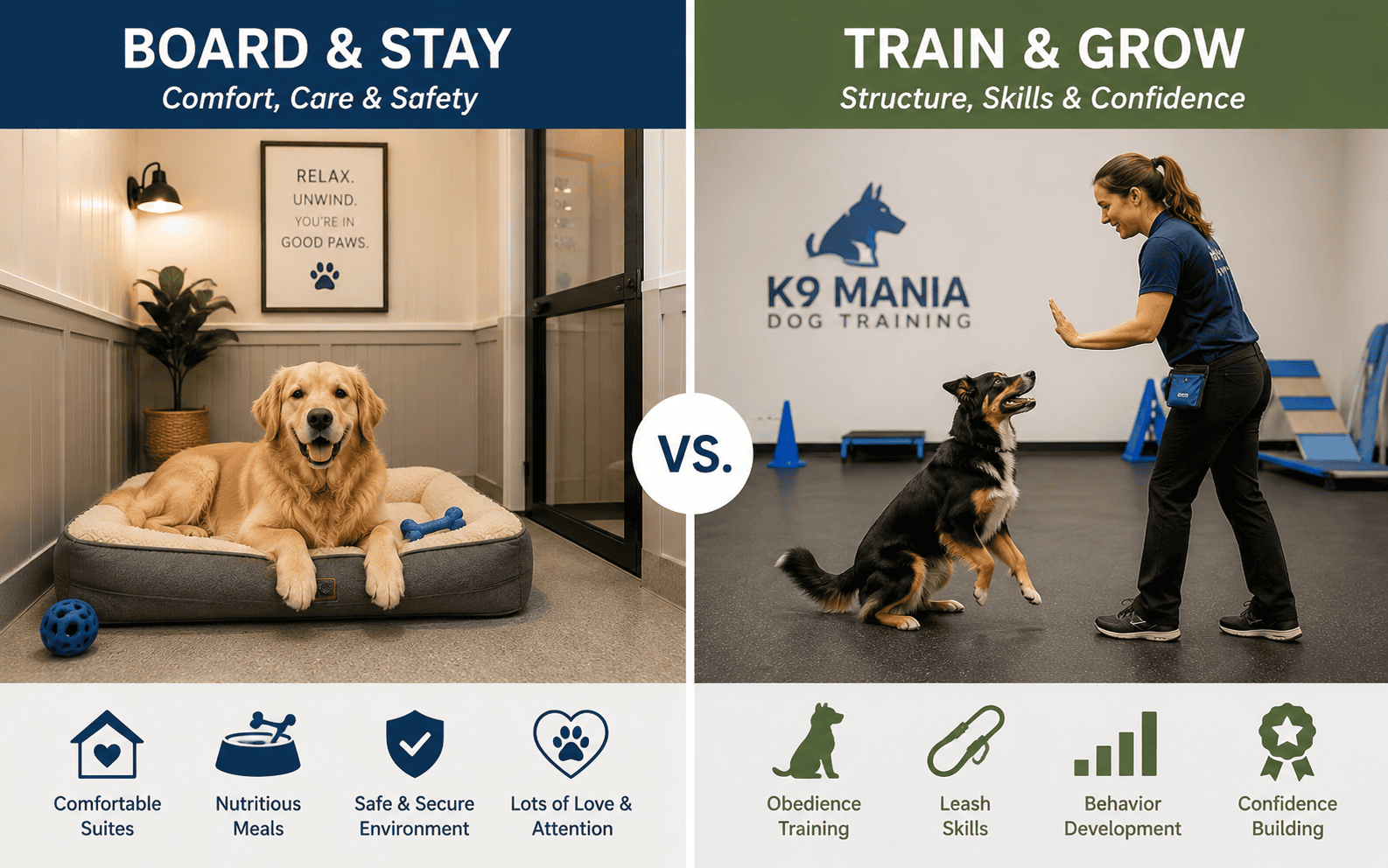
Most pet owners picture a kennel when they hear “dog boarding,” but the reality of modern facilities varies widely. At a basic level, boarding provides your dog with a safe place to sleep, eat, and be supervised while you’re unavailable. Some facilities offer individual kennels, others provide suite-style rooms, and many now offer cage-free or home-style environments.
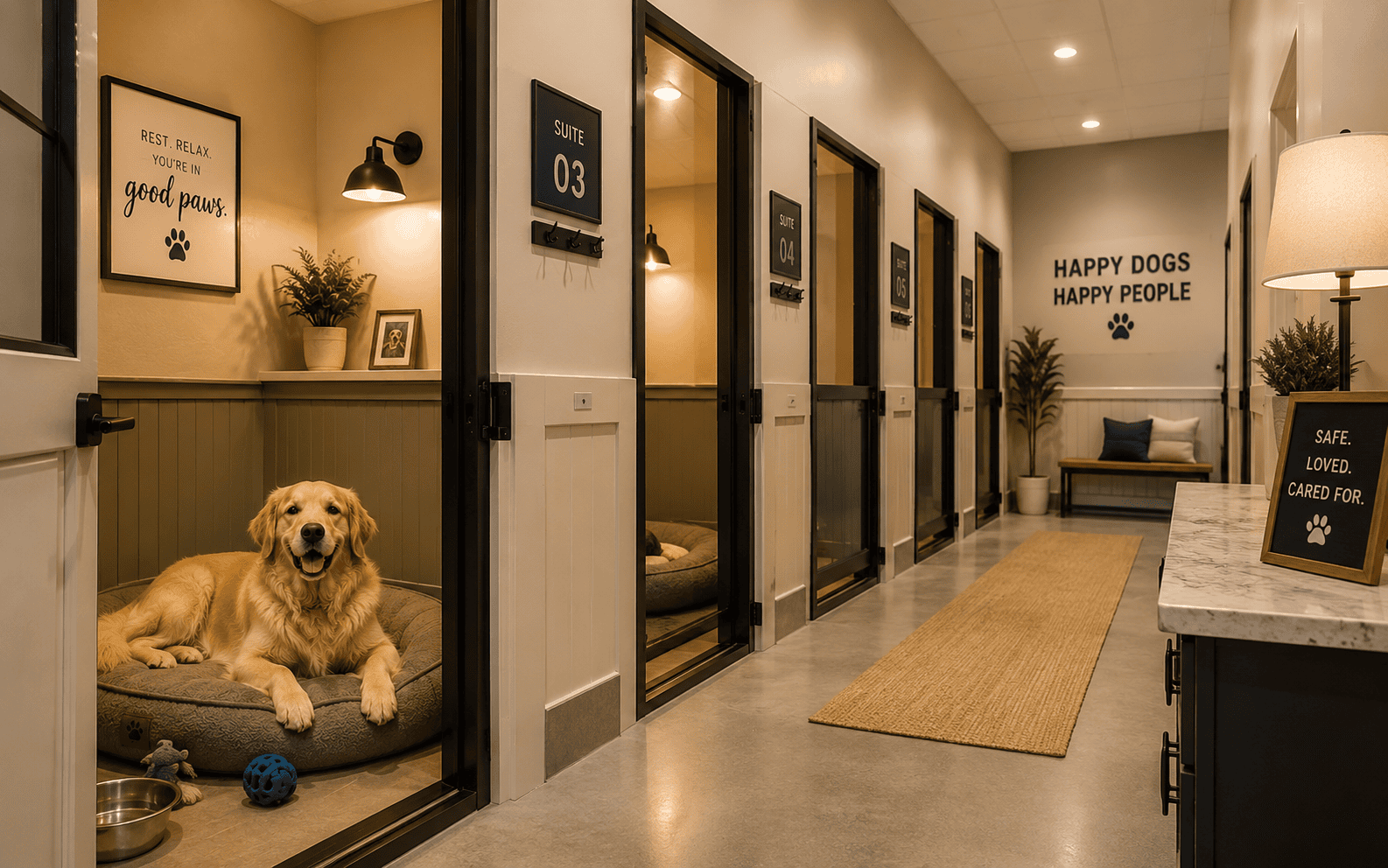
If you want a thorough breakdown before committing, this resource on what is dog boarding explains the different models, what to look for in a facility, and what questions to ask before you drop your dog off. Understanding the basics saves you from making assumptions that could lead to disappointment.
Standard boarding typically includes:
- Daily feeding based on your schedule and food preferences
- Supervised outdoor potty breaks and exercise time
- Basic social interaction with staff and sometimes other dogs
- A safe, climate-controlled sleeping area
- Health monitoring by trained staff
What boarding does NOT include is any structured behavioral work. If your dog pulls on the leash, jumps on guests, or ignores commands, those habits will still be there when you pick them up. Boarding is essentially childcare, not education.
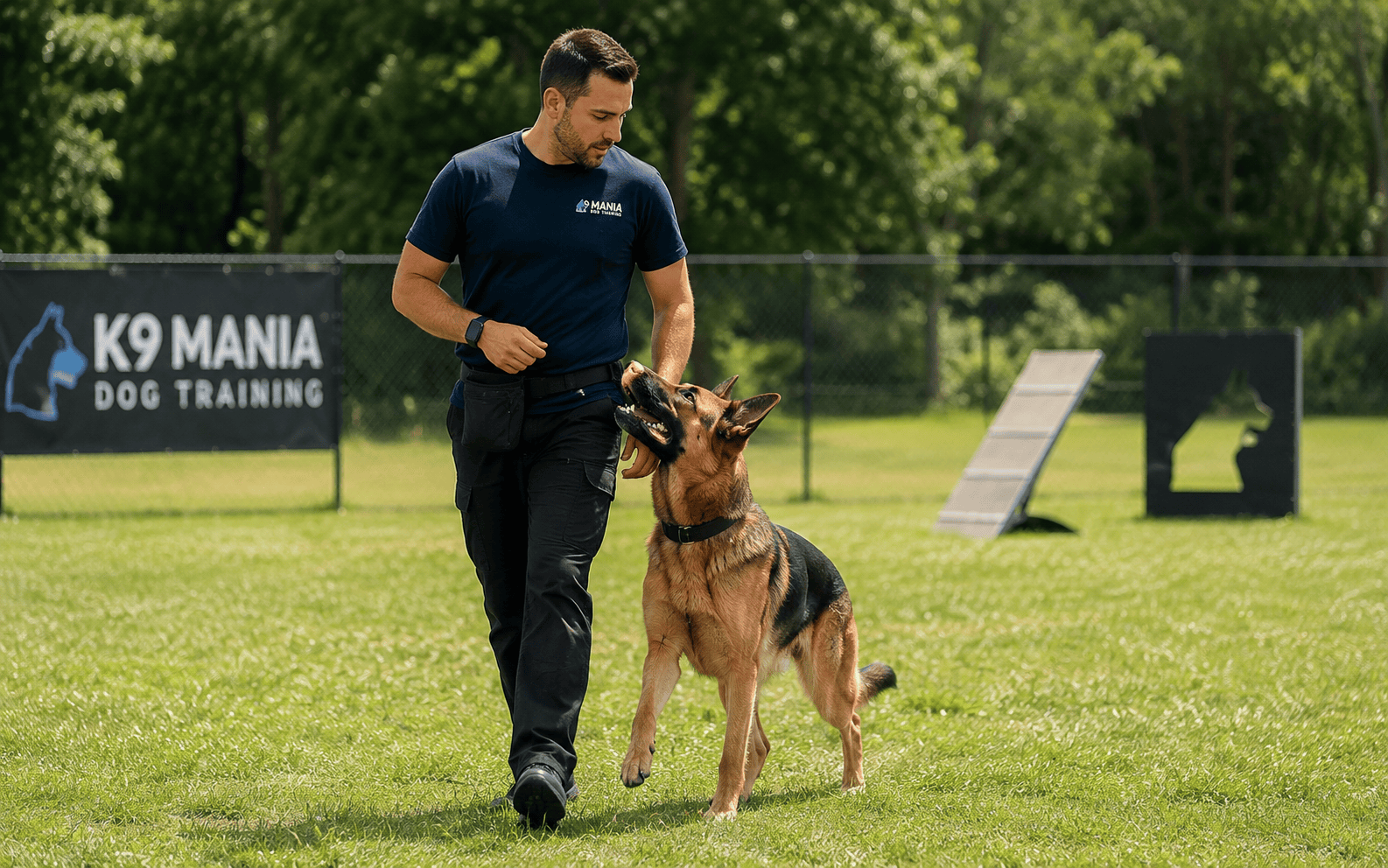
Costs for standard boarding in the United States typically range from $30 to $85 per night depending on your location, the amenities offered, and the size of your dog. In metro areas like New York City or Los Angeles, prices can push higher. A week of boarding might run you $210 to $600, which is manageable for most pet owners.
What Board and Train Programs Actually Deliver
Board and train is a fundamentally different service. Your dog lives at a professional training facility or in a trainer’s home for an extended period, typically two to four weeks, while receiving daily, structured training sessions. The goal isn’t just supervision. It’s measurable behavioral change.
Programs vary in approach and depth. Some focus exclusively on basic obedience commands like sit, stay, down, heel, and come. Others tackle behavioral problems such as leash reactivity, resource guarding, separation anxiety, or aggression. The right program for your dog depends entirely on what needs to be addressed.
For dog owners on Long Island who are weighing this option, private dog training long island offers structured immersive training with transparent methodology, so you know exactly what your dog is working on each day.
Here’s what a quality board and train program typically covers:
- Daily one-on-one training sessions with a professional trainer
- Structured exercise and mental stimulation
- Socialization in controlled environments
- Real-world practice in distracting settings
- Handoff sessions so YOU learn how to maintain the commands at home
That last point is critical and often overlooked. The best board and train programs don’t just train your dog — they train you. A handoff session at the end of the program teaches you the cues, commands, and handling techniques your dog has learned so the behavior carries over into daily life.
The cost of board and train in the U.S. runs significantly higher than standard boarding. Expect to pay anywhere from $1,500 to $3,500 for a legitimate two-to-four-week program. Some specialized programs addressing severe behavioral issues can exceed $5,000. The investment reflects the expertise, daily labor, and individualized attention your dog receives.
Dog Boarding vs Board and Train: A Direct Comparison
Here’s a side-by-side breakdown to make the differences concrete:
| Feature | Standard Dog Boarding | Board and Train |
| Primary Purpose | Supervised care and safety | Behavior change and skill-building |
| Duration | Flexible (nights to weeks) | Typically 2-4 weeks |
| Training Included | None | Daily structured sessions |
| Cost (U.S. average) | $30-$85/night | $1,500-$3,500/program |
| Best For | Well-behaved dogs needing care | Dogs with behavior issues or no training foundation |
| Owner Involvement | Minimal during stay | Required at handoff and post-program |
| Results Timeline | None | Visible within 2-4 weeks |
| Follow-Up Support | Usually none | Often included or available |
The question of whether the cost justifies the outcome is something many owners wrestle with. A detailed look at obedience dog training breaks down the real return on investment, including which dogs tend to benefit most and when the money makes sense.
Which Dogs Benefit Most From Each Option
Not every dog is a candidate for board and train, and not every dog needs it. Here’s how to think through the decision based on your specific situation.
Standard boarding is a strong fit if:
- Your dog already has reliable basic obedience
- Your dog is comfortable in new environments and around other dogs
- You just need safe, quality care while you travel
- Your dog is a puppy and too young for formal training (typically under 4 months)
Board and train is the right call if:
- Your dog has behavioral problems affecting daily life (reactivity, jumping, pulling, ignoring commands)
- You’ve tried training at home without consistent results
- You’re working long hours and can’t dedicate time to daily training sessions
- You want a foundation built before switching to ongoing private sessions
For owners who want a training component without the full immersive commitment, a dog boarding camp in long island offers one-on-one sessions that fit around your schedule. This is a solid middle ground if your dog’s behavioral issues are moderate and you can commit to weekly sessions.
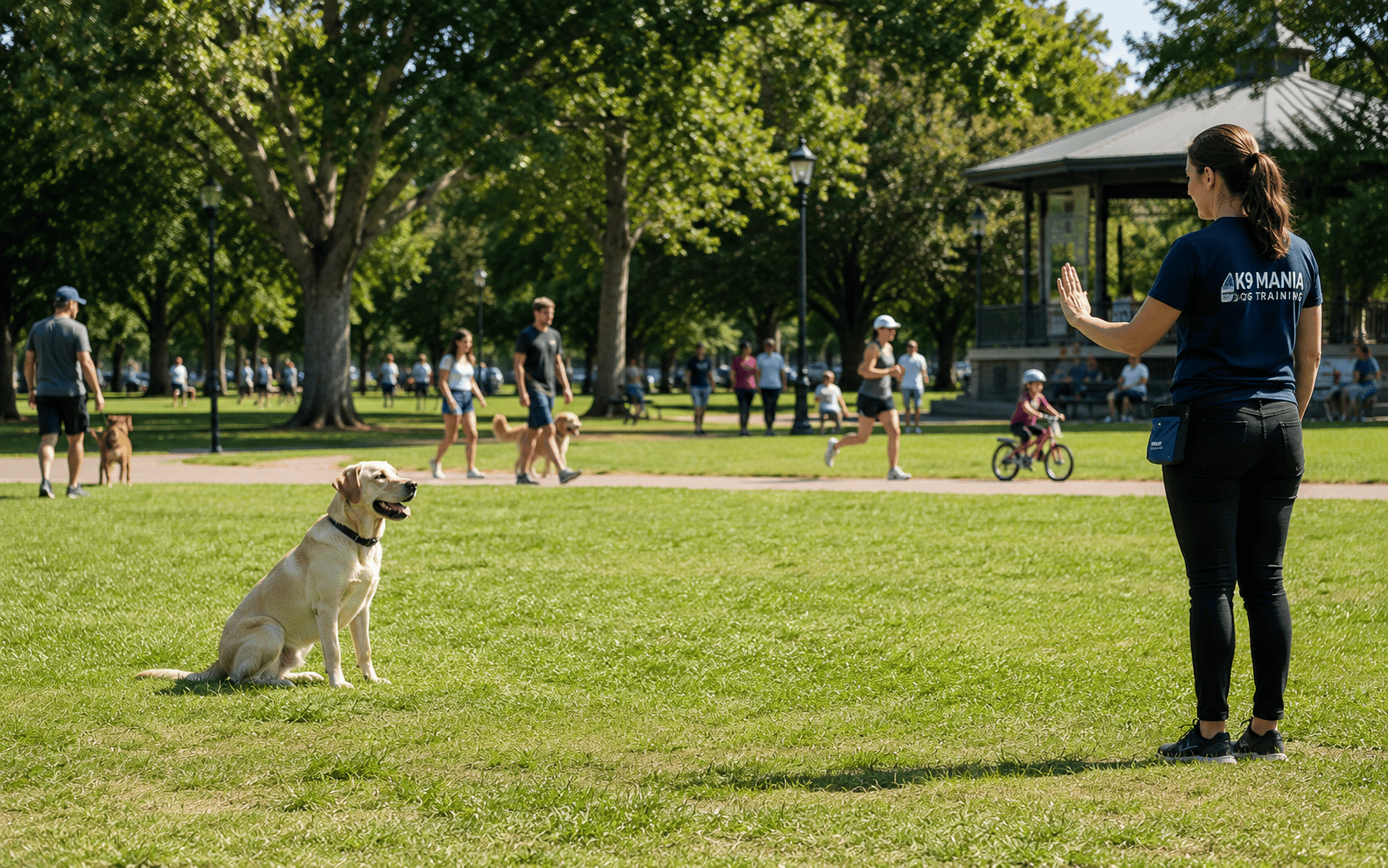
It’s also worth considering breed, age, and temperament. High-drive breeds like Belgian Malinois, German Shepherds, and Border Collies often thrive in board and train environments because they need intensive mental stimulation. Older dogs with deeply ingrained habits may take longer to show results, though most can still make progress with the right trainer.
The Role of Obedience Training in Both Scenarios
Whether you choose boarding or board and train, understanding what obedience training involves helps you set realistic expectations. Obedience training isn’t about making your dog robotic. It’s about creating clear communication between you and your dog so that both of you can navigate daily life with less friction.
In a board and train context, obedience is the core curriculum. Commands are introduced in a low-distraction environment and then proofed in progressively more challenging settings. By the end of a quality program, your dog should respond reliably even when there are distractions, other dogs nearby, or unfamiliar environments at play.
In standard boarding, obedience is incidental at best. Some facilities offer add-on training sessions for an extra fee, which can be worthwhile if you want your dog to get some reinforcement during a long stay. But these are typically brief and informal compared to a dedicated board and train structure.
Dog Boarding Camps: A Hybrid Option Worth Considering
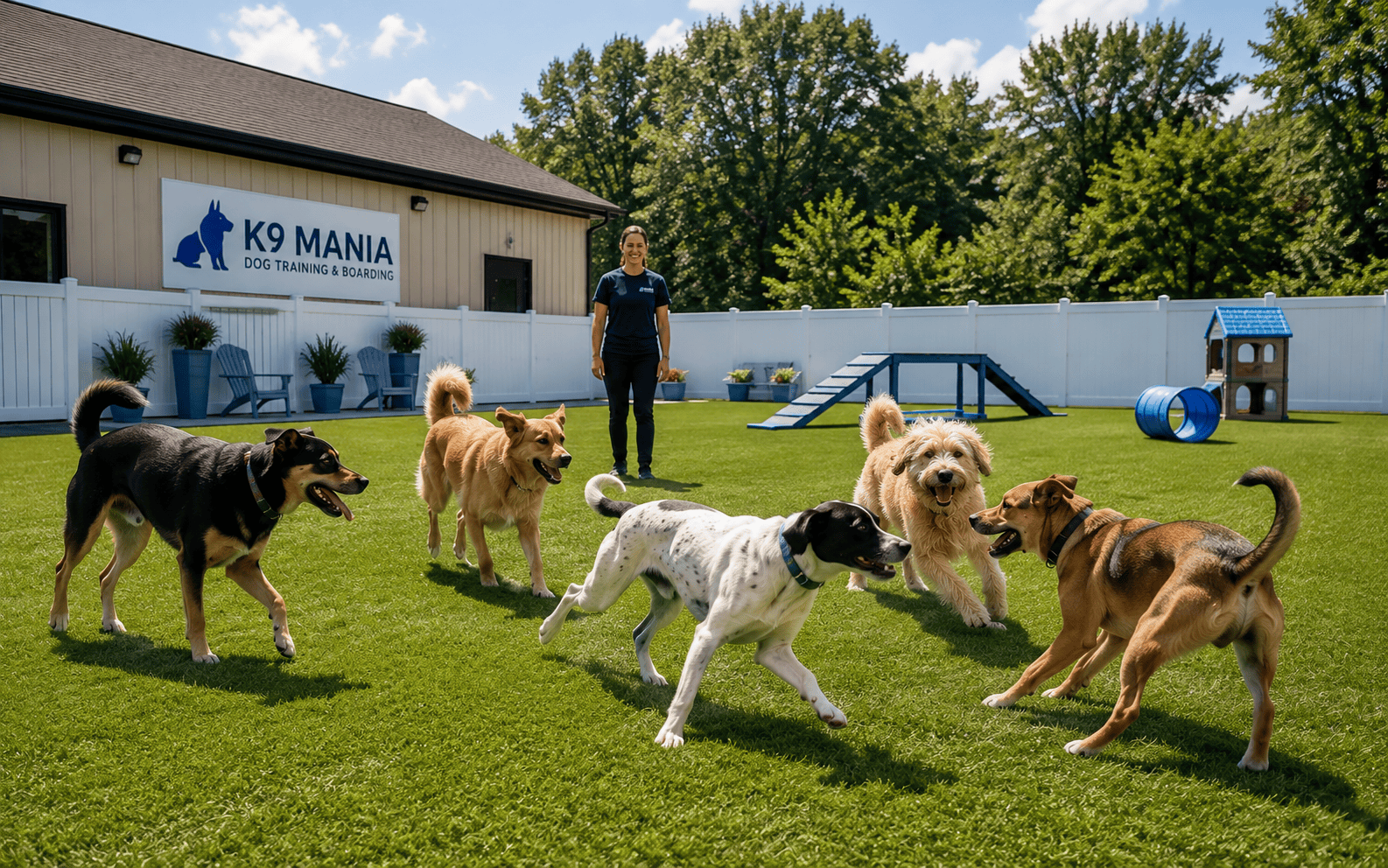
If you want more than basic boarding but aren’t ready to commit to a full board and train program, dog boarding camps offer a middle path. These programs combine supervised group play, socialization, and light training within a structured daily schedule.
For Long Island residents, considering whether is board and train worth it for your specific situation provides structured activity and engagement beyond what a standard kennel offers. Dogs benefit from social exposure, mental stimulation, and routine, without the intensive one-on-one training component of a full board and train program.
Camp-style boarding is particularly good for:
- High-energy dogs who get bored or destructive without stimulation
- Dogs that are social and do well in group settings
- Owners who want more value than basic overnight care
- Dogs that need socialization practice without behavioral modification
Think of it as summer camp for dogs versus a tutoring program. Both have value. The right choice depends on what your dog actually needs.
Things to Know
- Board and train results fade without consistent reinforcement at home. Your behavior after pickup is just as important as what happens during the program.
- Not all board and train facilities are created equal. Ask for trainer credentials, methodology, and references before signing any contract.
- Some dogs experience temporary regression after returning home. This is normal and typically resolves with consistent practice within one to two weeks.
- Standard boarding can create anxiety in dogs that aren’t used to new environments. A trial overnight before a longer stay helps gauge how your dog handles it.
- Many board and train programs offer follow-up private sessions as part of the package. Factor this into your total cost comparison.
- Puppies between 8 and 16 weeks are in a critical socialization window. A boarding camp with structured exposure can be more valuable at this age than formal obedience work.
Make the Right Call for Your Dog’s Needs
You’ve done the research. Now it’s time to act with confidence. Whether your dog needs safe, quality care while you’re away or a structured training program that transforms how they behave at home and in public, the right facility and program make all the difference. Don’t settle for a generic kennel when your dog could be gaining real skills, and don’t pay for intensive training your already well-behaved dog doesn’t need.
Reach out to K9 Mania Dog Training today to schedule a consultation and get an honest assessment of which option fits your dog’s specific situation. A five-minute conversation with a professional trainer can save you weeks of uncertainty and hundreds of dollars.
You May Also want to Read
What Are Group Dog Training Classes
What Is Trick Training in Dogs?
Frequently Asked Questions
Can a dog go straight from boarding into a board and train program?
Yes, many facilities offer both services and can transition your dog directly from one to the other.
If you’re traveling and want your dog to be productive during that time, scheduling a board and train during your trip is one of the most efficient uses of the time apart. Discuss the transition plan with the facility beforehand so your dog’s routine stays consistent.
How long does it take to see results from a board and train program?
Most owners notice significant behavioral improvement within the first two weeks of a quality program.
The speed of progress depends on the dog’s age, the severity of the behaviors being addressed, and the trainer’s methodology. Puppies and younger dogs typically progress faster than adult dogs with long-established habits.
What should I ask a board and train facility before enrolling my dog?
Ask about trainer credentials, the training methods used, daily schedules, how progress is communicated, and what the handoff process looks like.
Any reputable facility should welcome these questions and answer them clearly. If a trainer is vague about their methods or discourages questions, that’s a red flag worth taking seriously.
Is dog boarding vs board and train really a cost versus value decision?
For most owners, yes, it comes down to what you need your dog to gain from the experience relative to the price you’re paying.
If your dog is well-behaved, standard boarding at $50 per night makes perfect sense. If your dog has behavioral issues that affect your quality of life, a $2,000 board and train investment that resolves those problems permanently is often far cheaper than years of frustration or damage costs.
Will my dog forget the training after returning home from board and train?
Dogs don’t forget training, but they can stop performing reliably if commands aren’t consistently reinforced at home.
The handoff session at the end of the program is specifically designed to teach you how to maintain and build on what your dog learned. Practicing daily for the first few weeks after pickup is essential to locking in long-term results.
The Bottom Line on Dog Boarding vs Board and Train
Dog boarding vs board and train isn’t a competition between two options where one is universally better. It’s a choice between two tools built for different jobs. If your dog needs care, book boarding. If your dog needs behavioral change, invest in board and train. The honest answer is always the one that matches your dog’s actual needs.
The smartest next step is to speak with a qualified trainer who can assess your dog’s behavior, explain what a realistic training outcome looks like, and help you choose the program that delivers real value for your specific situation. Start that conversation today and stop guessing.