Dogs stretch to warm up their muscles, improve circulation, and signal relaxation or playfulness. This natural behavior helps them prepare for activity, relieve stiffness, and communicate with other dogs and their owners.
Understanding why do dogs stretch gives you valuable insight into your pet’s physical and emotional state. From the classic downward dog pose to full-body extensions, each stretch tells a story about how your dog is feeling.
In this guide, we’ll explore the different types of stretches, what they mean, and when you should pay closer attention to your dog’s stretching habits.
Build a stronger bond with your dog through better communication. Explore our valuable tips for new dog owners to understand your pet better.
What Does Dog Stretching Mean?
Dogs stretch for similar reasons humans do. Their muscles need regular movement to stay healthy and flexible, especially after periods of rest.
When your dog sleeps or lies down for extended periods, blood flow to certain muscles decreases. Stretching restores circulation and delivers oxygen back to these areas.
Physical Benefits of Stretching
Stretching prepares your dog’s body for movement and reduces injury risk during activity. Before running or playing, a good stretch wakes up muscles and joints.
The act of extending muscles helps remove waste products like lactic acid that build up during rest. Regular stretching also supports joint health by keeping connective tissues supple and maintaining proper alignment.
Why Dogs Stretch for Communication
Stretching serves as more than physical maintenance. It activates your dog’s nervous system and helps them transition between different states of alertness.
The sensation of stretching releases endorphins, which are natural feel-good chemicals that promote relaxation. Some stretches, like the play bow, serve as deliberate communication tools that signal your dog wants to engage in friendly activity.
Common Types of Dog Stretches and What They Mean
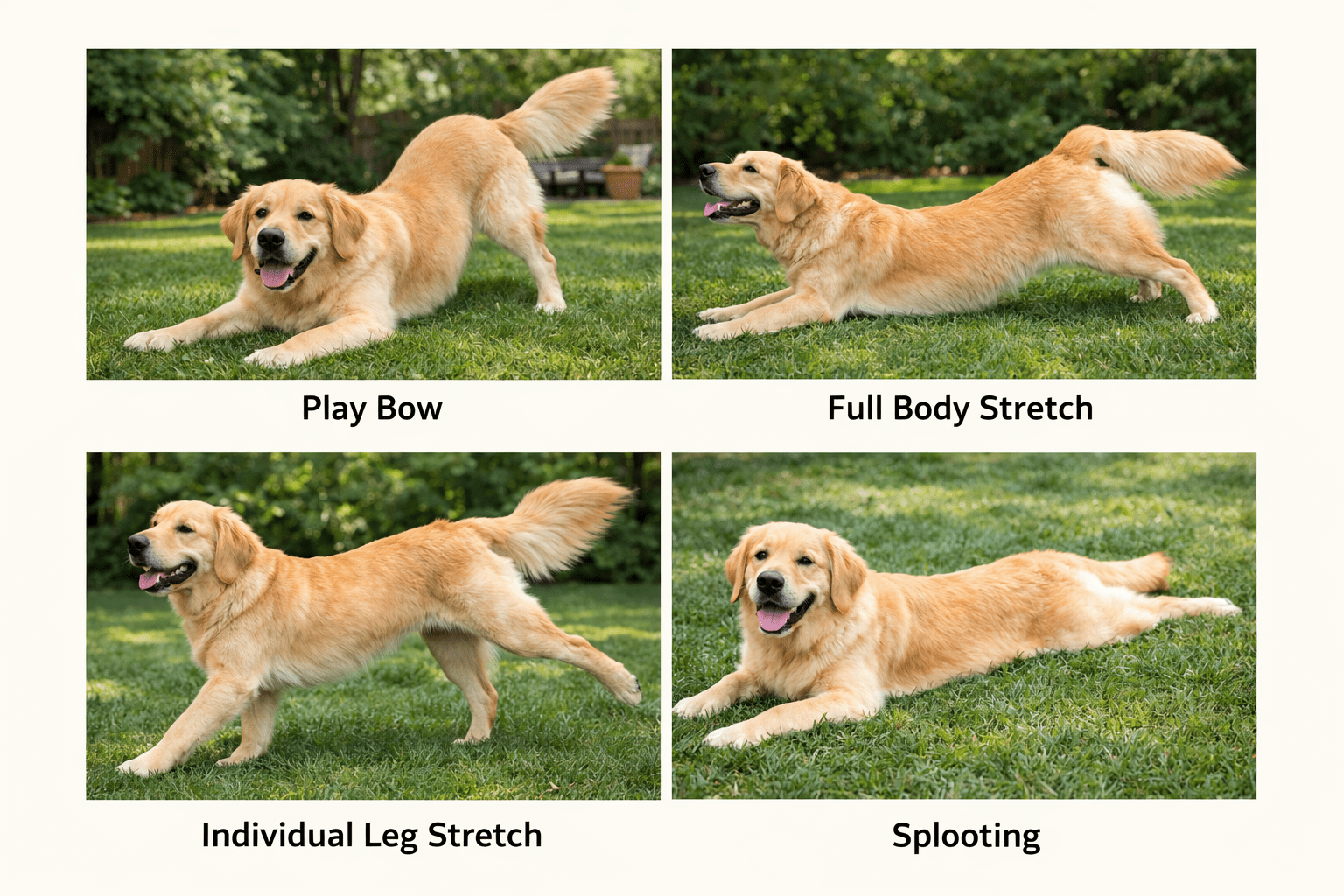
Dogs use several distinct stretching positions, each serving different purposes. Learning to recognize these stretches helps you better understand your dog’s needs and mood.
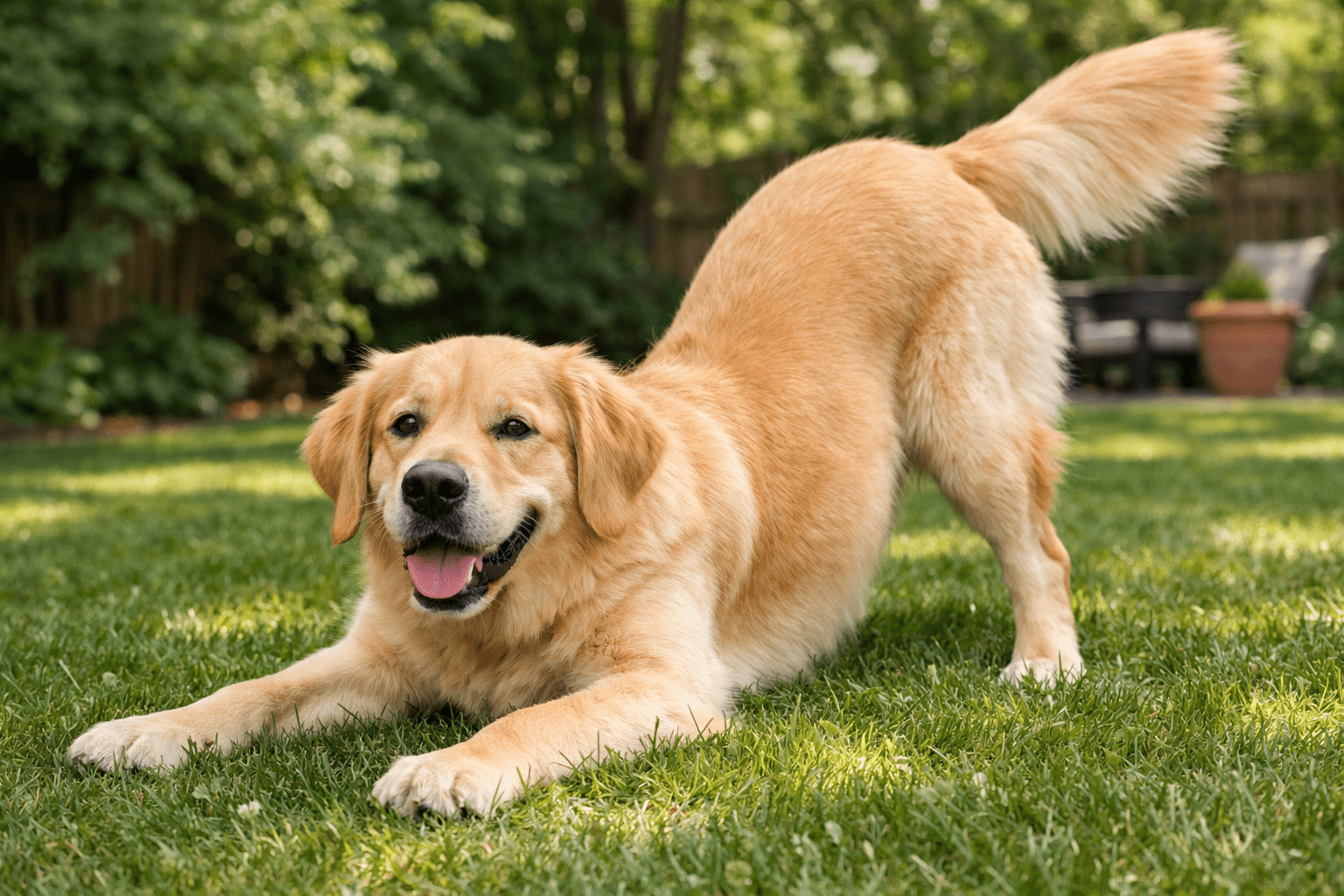
The Play Bow (Downward Dog)
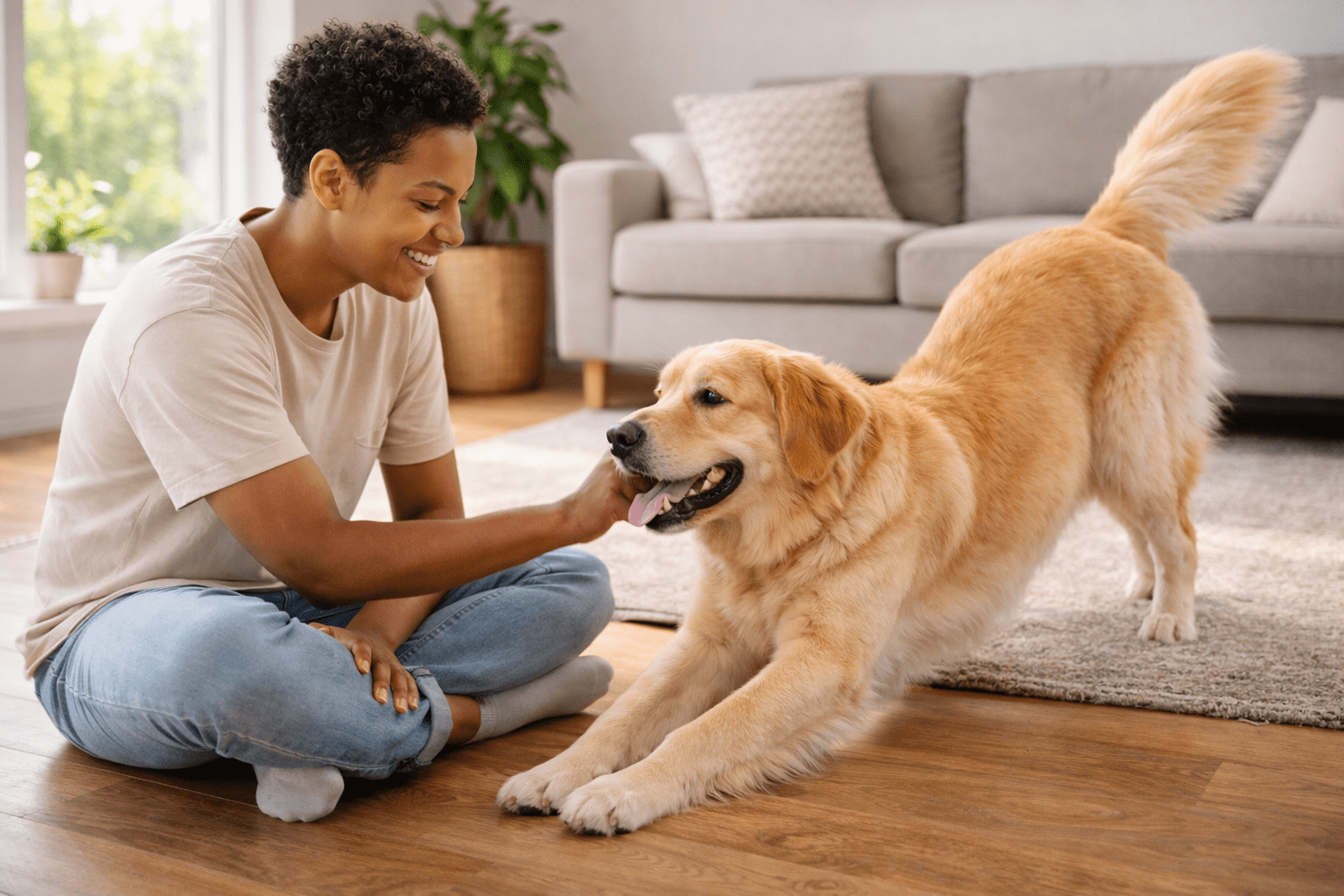
The play bow is one of the most recognizable stretches. Your dog lowers their front end while keeping their rear up, often with tail wagging.
This position stretches the front legs, shoulders, and chest while serving as a clear social signal. Dogs use the play bow to communicate friendly intentions, saying “I’m not a threat, let’s have fun together.”
The Full Body Stretch
This classic stretch happens right after your dog wakes up. They extend their front legs forward while pushing back legs straight behind them.
The full body stretch works nearly every major muscle group and relieves stiffness in the spine. You’ll see this before your dog gets up to eat, go outside, or greet you.
Individual Leg Stretches
Dogs will stretch one leg at a time, extending it behind them or to the side. This targets specific muscle groups that might feel tight.
If your dog frequently stretches the same leg repeatedly, it could indicate discomfort in that area. Pay attention to whether they favor one side.
The Splooting Stretch
Splooting is when your dog lies flat with back legs stretched straight out behind them, looking like a frog. This provides a deep stretch to hip flexors and helps dogs cool down on surfaces.
Younger dogs and certain breeds (especially corgis and bulldogs) sploot more often. It’s completely normal and means your dog is comfortable and relaxed.
Different Reasons Why Do Dogs Stretch
Dogs stretch for various reasons throughout the day. Understanding the context helps you determine whether it’s normal behavior or something that needs attention.
After Waking Up or Resting
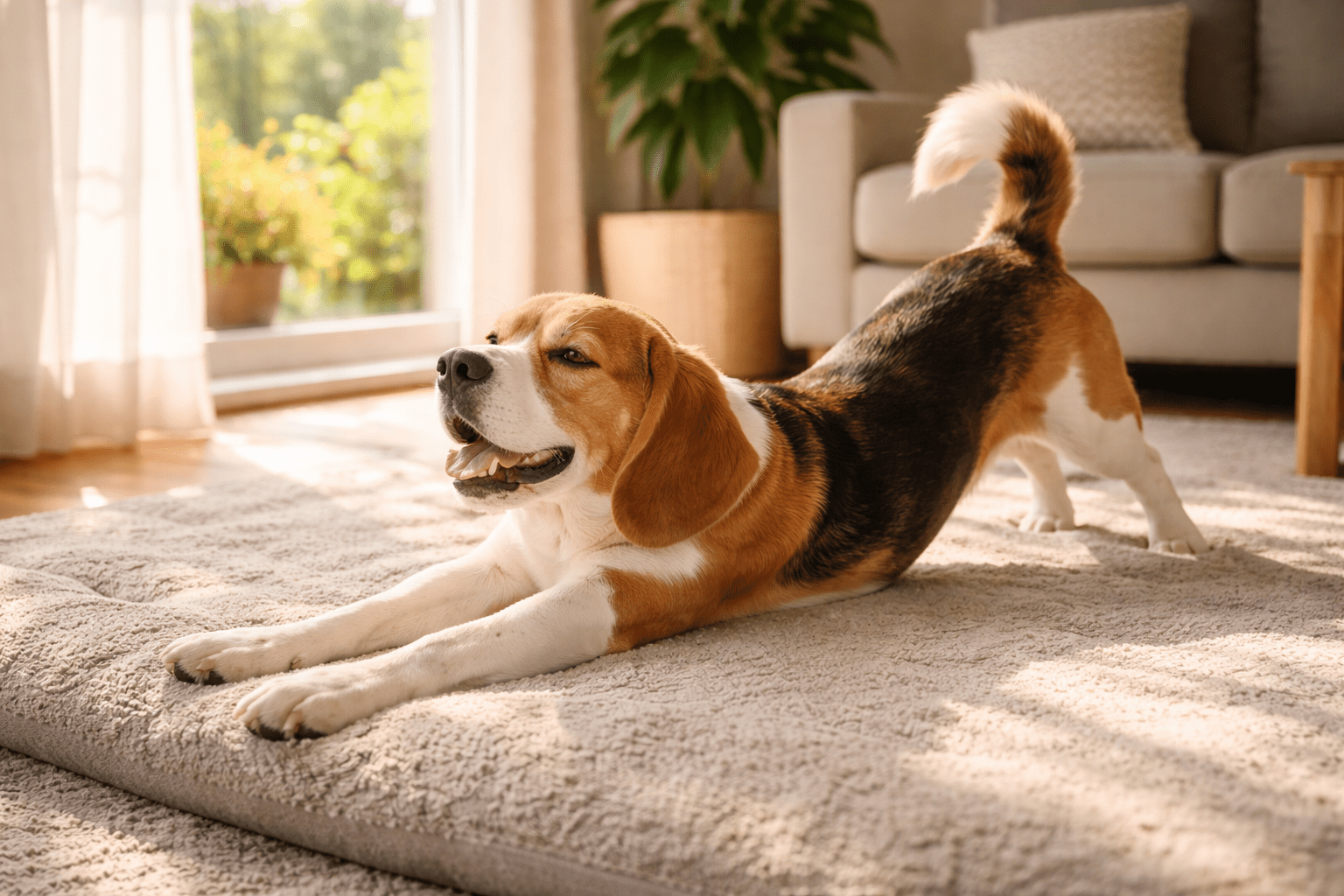
Morning stretches or post-nap extensions help restore normal muscle function and blood flow. During sleep, your dog’s muscles relax completely, and stretching reactivates them for movement.
This type of stretching is perfectly normal and shows that your dog’s body knows how to take care of itself.
Before Physical Activity
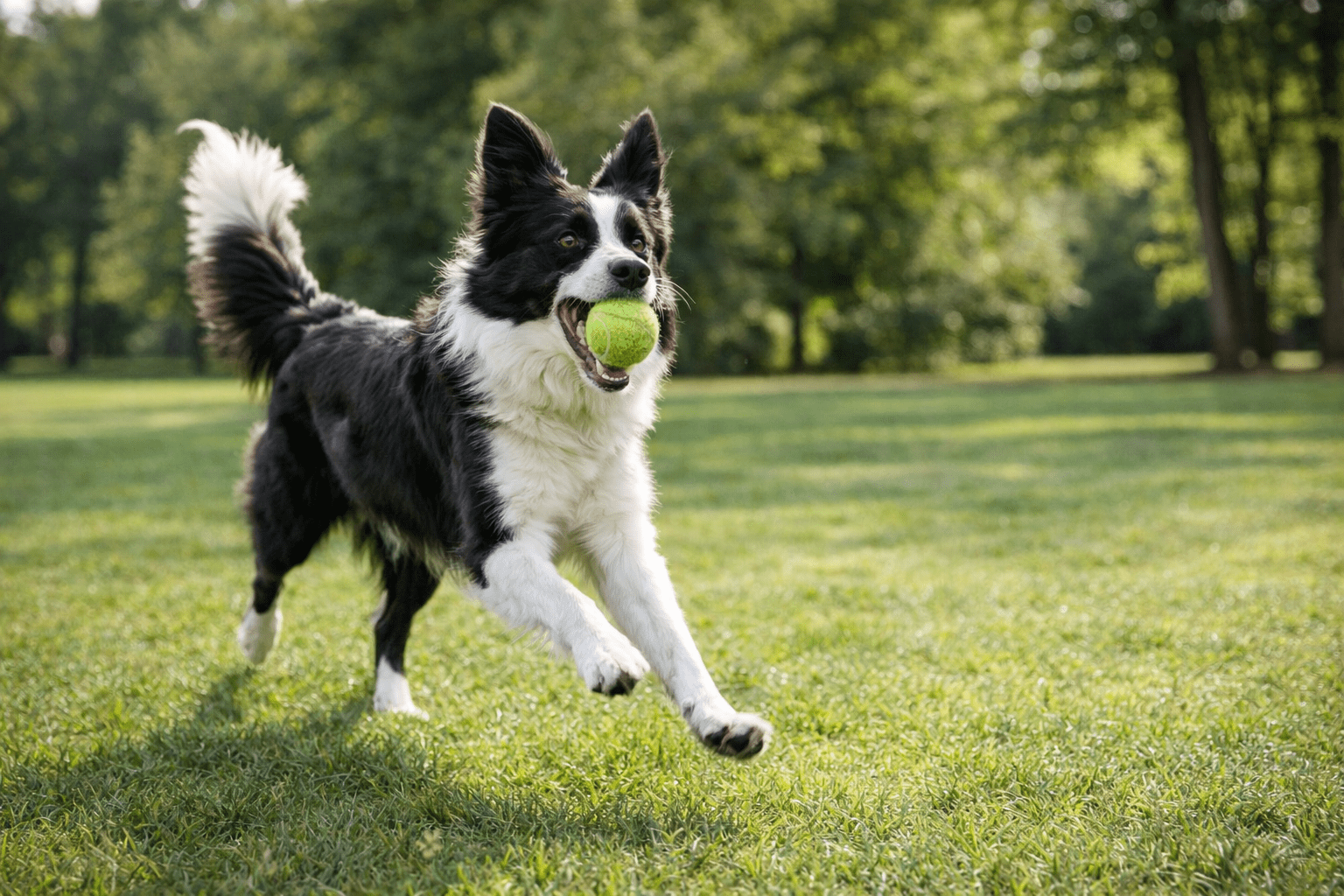
Many dogs instinctively stretch before running, playing, or engaging in vigorous activity. This preparatory stretching reduces the risk of muscle strains and injuries.
Training programs that include physical challenges often see dogs stretching more frequently. Check out our obedience dog training programs that incorporate proper physical conditioning.
As a Form of Communication
Dogs use stretching to communicate their intentions and emotions non-verbally. When your dog stretches in front of you, they might be saying they feel relaxed and safe.
Some dogs stretch to interrupt tense situations or to get your attention. If they stretch while looking at you, they could be hinting that they want to play or go outside.
Due to Physical Discomfort or Stiffness
While most stretching is normal, excessive or unusual stretching can indicate pain or discomfort. Older dogs with arthritis may stretch more frequently to loosen stiff joints.
Muscle soreness from overexertion can also lead to increased stretching. If your dog had an especially active day, some extra stretching the next day is normal.
When Dog Stretching Becomes a Concern
Most stretching is healthy and normal, but certain patterns warrant closer attention. Knowing the difference helps you catch potential problems early.
Signs of Normal vs. Abnormal Stretching
Normal stretching happens naturally throughout the day without signs of pain. Your dog should move smoothly into and out of stretches, looking relaxed and comfortable.
Normal Stretching:
- Occurs after waking or before activity
- Smooth, fluid movements
- Dog appears relaxed
- Lasts only a few seconds
- Happens a few times daily
Concerning Stretching:
- Stretching the same area repeatedly
- Vocalizing (whining, yelping) while stretching
- Difficulty getting into or out of the stretch
- Trembling or shaking during stretches
- Reluctance to move after stretching
Health Issues That May Cause Excessive Stretching
Several medical conditions can cause dogs to stretch more than usual as they try to find relief.
Abdominal Pain: Dogs with stomach issues often do repeated downward stretches. Conditions like pancreatitis or intestinal blockages might cause frequent stretching along with vomiting or loss of appetite.
Back and Spine Problems: Intervertebral disc disease and spinal issues can cause repeated back stretching. Dogs might also show reluctance to jump or climb stairs.
Muscle and Joint Issues: Arthritis, hip dysplasia, and joint problems often lead to increased stretching. Your dog is trying to maintain flexibility and reduce stiffness.
When to See a Veterinarian
Schedule a vet visit if your dog’s stretching behavior changes suddenly or if they show signs of pain. Seek immediate care if stretching is accompanied by vomiting, diarrhea, loss of appetite, lethargy, difficulty walking, or visible swelling.
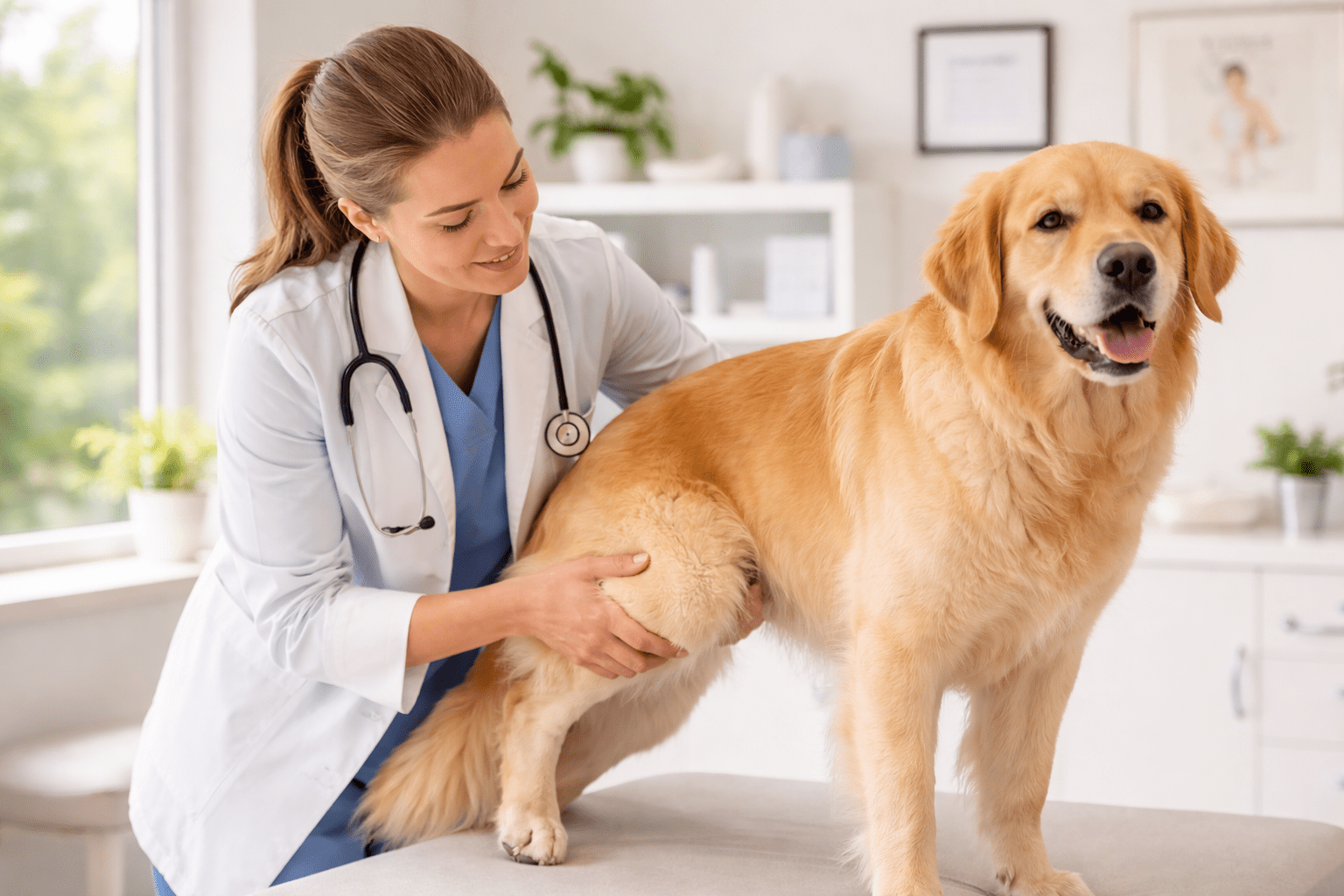
Consult your vet if stretching frequency increases dramatically, your dog only stretches certain body parts, or the behavior persists for more than a few days. Early diagnosis often leads to better outcomes.
How to Support Healthy Stretching in Your Dog
You can help your dog maintain flexibility through proper care that promotes natural, healthy stretching behaviors.
Exercise, Nutrition, and Environment
Consistent physical activity keeps muscles and joints in good condition. Vary your dog’s activities to work different muscle groups. Our private dog training Long Island programs incorporate proper exercise routines.
Maintain a healthy weight to reduce joint stress. Feed high-quality food appropriate for your dog’s age and activity level. Supplements like glucosamine can support joint health in older dogs.
Provide soft, supportive bedding, especially orthopedic options for older dogs. Keep your home at a comfortable temperature and ensure your dog has enough space to stretch fully.
Gentle Stretching and Massage
Help your dog stretch with gentle, assisted movements. Always be gentle and stop if your dog shows discomfort.
Simple assisted stretches include gently extending each leg and encouraging natural play bows with treats. Light massage along your dog’s back and shoulders can also help relax muscles and improve circulation.
Comparing Stretching Behaviors Across Different Dogs
Not all dogs stretch the same way. Age, breed, and individual personality all influence stretching habits.
| Factor | Stretching Characteristics | What It Means |
| Puppies | Frequent, energetic stretches; lots of play bows | Developing muscles need regular warmup |
| Adult Dogs | Moderate stretching after rest and before activity | Healthy muscle and joint maintenance |
| Senior Dogs | More frequent stretching, especially after long rest | Natural response to age-related stiffness |
| Active Breeds | Stretching before and after intense activity | Higher physical demands need more maintenance |
| Small Breeds | Quick, frequent stretches; more splooting | Smaller bodies warm up faster |
| Large Breeds | Longer, deliberate stretches; hip and back focus | Greater joint stress needs more warmup |
Breed Patterns and Age Changes
Long-bodied breeds like dachshunds and corgis do more back stretches due to spinal stress. Large breeds like Great Danes stretch more slowly because of joint weight. Athletic breeds such as border collies stretch before intense activity to prevent injuries.
Puppies stretch frequently as they develop movement patterns. Learn more with our puppy training basics. Adult dogs settle into predictable patterns, while seniors stretch more frequently due to arthritis and reduced flexibility.
Stretching and Canine Body Language
Dogs use stretching as part of their communication system. Reading these signals helps you understand your dog’s emotional state.
| Stretch Type | Body Language | What It Means | Your Response |
| Play Bow | Wagging tail, relaxed face | “I want to play!” | Engage in play or redirect |
| Slow Full-Body Stretch | Yawning, soft eyes | “I’m comfortable” | Let them relax |
| Repeated Back Stretches | Tense face, whining | “Something hurts” | Monitor; consult vet if continues |
| Stretch with Eye Contact | Focused attention | “I need something” | Check their needs |
| Post-Play Stretch | Heavy breathing, relaxed | “I’m cooling down” | Offer water and rest |
The situation matters. Pay attention to what happened before and after the stretch to interpret it accurately.
Dogs combine body positions, facial expressions, and vocalizations to communicate. Watch the whole dog including ears, tail, and eyes. Our dog boarding camp Long Island programs help owners develop better communication skills.
Key Insights on Dog Stretching Behavior
Dog stretching is a natural, healthy behavior that serves multiple purposes. From physical warmup to emotional communication, stretches tell you a lot about your dog’s state.
Most stretching is completely normal and beneficial. It keeps muscles flexible, promotes circulation, and helps your dog transition between rest and activity.
Pay attention to changes in your dog’s stretching patterns. While some variation is normal, dramatic increases or signs of pain during stretching warrant veterinary attention.
You can support healthy stretching through regular exercise, proper nutrition, comfortable resting areas, and gentle assisted stretches when appropriate. Understanding the context and body language around stretching helps you better communicate with your dog and strengthen your bond.
Wrapping Up: Understanding Your Dog’s Stretching Habits
Understanding why do dogs stretch, they stretch for simple reasons rooted in both physical necessity and social communication. Whether your dog is warming up for a walk, expressing contentment, or inviting you to play, stretching is a window into their world.
By recognizing normal stretching patterns and knowing when to be concerned, you can better care for your dog’s health and happiness. Regular observation of these behaviors strengthens your understanding of your pet’s needs.
At K9 Mania Dog Training, we understand that knowing your dog’s behavior is just the first step. As Long Island’s leading board and train Long Island facility, we help dog owners address behavioral issues, build better communication, and create lasting bonds with their pets. Whether you’re dealing with training challenges or simply want to understand your dog better, our experienced team can help.
Trust K9 Mania to guide you toward a healthier, happier relationship with your dog. Visit our website to learn how we can support you and your furry companion.
You May Also Want to Read
- How to Calm a Panting Dog: Expert Techniques That Work
- Why Do Dogs Stare at Walls? Understanding This Unusual Behavior
- Why Do Dogs Tilt Their Heads: Understanding This Adorable Behavior
- Why Is My Dog So Clingy? Understanding and Managing Velcro Dog Behavior
Frequently Asked Questions
What does it mean when a dog stretches a lot?
Frequent stretching usually means your dog is staying active and flexible. Dogs naturally stretch after rest, before activity, and throughout the day to maintain muscle health. However, excessive stretching in the same area or accompanied by discomfort could indicate pain or stiffness. If your dog suddenly starts stretching much more than usual, especially with whining or reluctance to move, schedule a veterinary checkup.
Do dogs stretch to say “I love you”?
While dogs don’t stretch specifically to say “I love you,” stretching in your presence shows trust and comfort. When your dog stretches near you, it demonstrates they feel safe and relaxed. Some dogs also stretch to get your attention or invite play, which reflects their bond with you.
Do dogs stretch when they are happy?
Yes, happy dogs often stretch as part of their positive emotional state. The play bow is a classic example of a stretch that signals excitement and joy. Dogs also stretch when content and relaxed, showing they feel comfortable in their environment. Look at the whole picture including tail wagging and relaxed facial expressions to gauge your dog’s emotional state.
How do dogs apologize?
Dogs show appeasement behaviors when they sense tension, including lowered body posture, avoiding eye contact, and sometimes stretching or play bowing to diffuse the situation. If your dog did something wrong and then does a play bow, they’re trying to communicate they’re not a threat and want to return to positive interaction.
What are the signs of a happy dog?
Happy dogs display a relaxed, wiggly body, wagging tail, soft eyes, slightly open mouth, and comfortable stretching. They show interest in their surroundings, respond eagerly to interaction, have good appetite, and sleep soundly. Regular play bows and stretches combined with these signals indicate a content, well-adjusted dog.