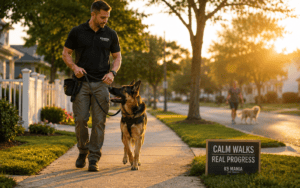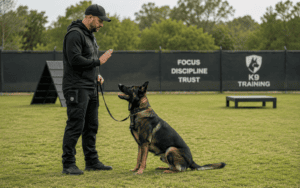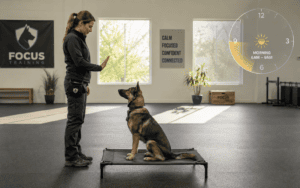
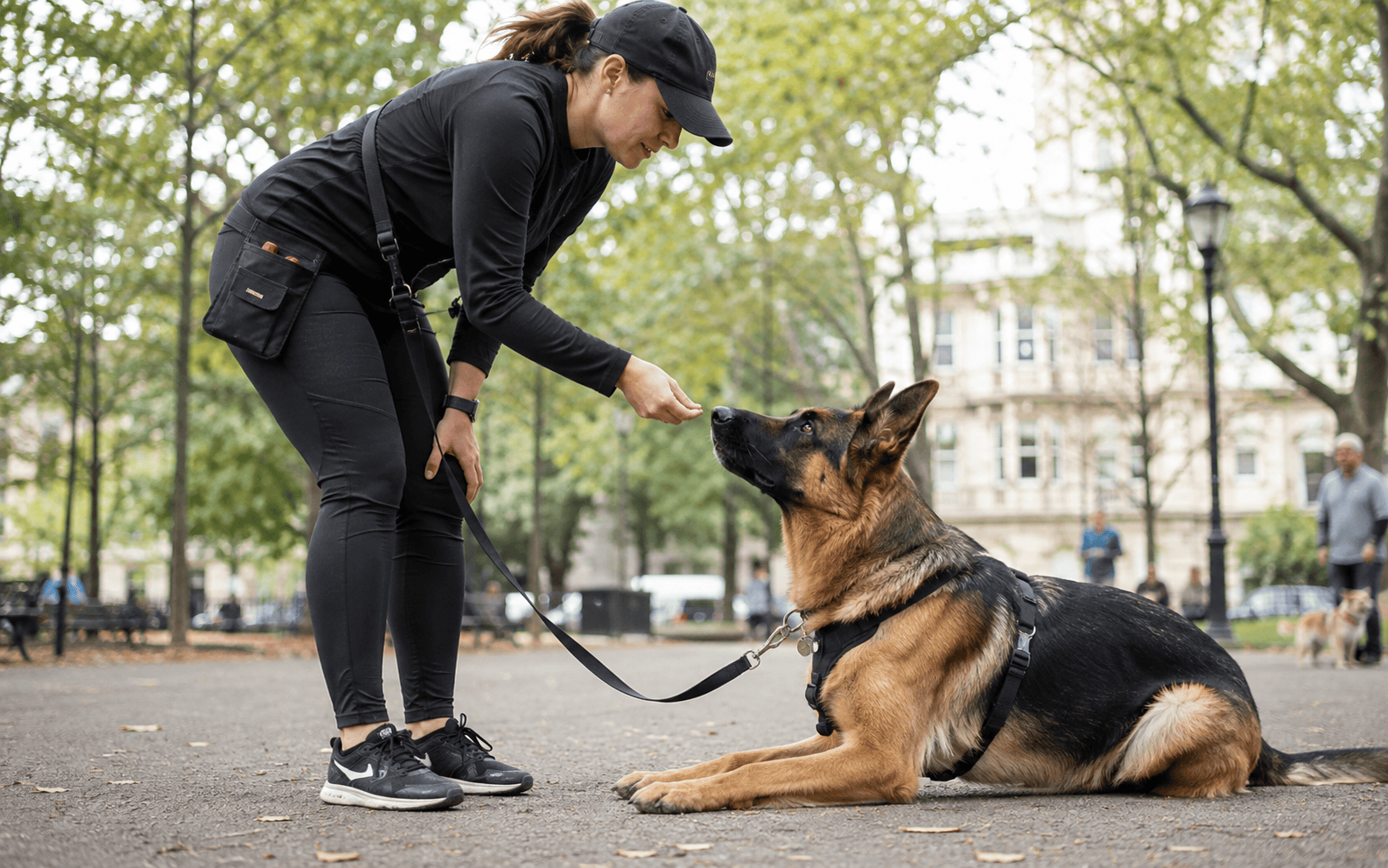
Residential dog training can be one of the most effective ways to address reactivity, but it is not a one-size-fits-all solution. Whether board and train long island is right for a reactive dog depends heavily on the dog’s history, the trainer’s methods, and how well owners follow through after the program ends.
Key Takeaways
- Board and train works best for reactive dogs when paired with structured owner education after the program.
- The severity of reactivity, the dog’s age, and prior training history all influence how long results take to appear.
- Not every reactive dog is a good fit for a residential program; some dogs do better with in-home or private session formats.
- Trainer methodology matters more for reactive dogs than for dogs with basic obedience issues — always vet the approach before enrolling.
- Transfer sessions after the program are not optional; they are the bridge between a trained dog and a trained owner.
- Queens-area dog owners have access to specialized residential programs that address leash reactivity, dog-to-dog aggression, and threshold issues.
Reactivity is one of the most common reasons dog owners in the New York metro area seek professional help. A dog that lunges, barks, or goes over threshold on every walk makes daily life stressful for everyone involved. If you have been searching for a solution that goes deeper than a weekly group class, you have probably come across the term “board and train.” Before you commit, it is worth understanding exactly how these programs work, what they can and cannot do, and what makes a reactive dog a good or poor candidate.
What “Reactive” Actually Means and Why It Changes the Equation
Reactivity is a broad term. Some dogs bark and lunge at strangers. Others redirect onto their leash or owner. Some react only to unfamiliar dogs, while others react to bikes, skateboards, or anything moving fast. Before choosing a training format, you need to identify what your dog is reacting to, at what distance, and how quickly it escalates.
This matters because a residential program places your dog in a new environment full of novel triggers. For some reactive dogs, the change of scenery actually reduces baseline stress, which makes them more trainable. For others, the stress of boarding amplifies existing anxiety and can temporarily worsen the reactivity before it improves. An experienced trainer who specializes in dog reactivity training in long island and the surrounding metro area will conduct an assessment before enrollment to determine which category your dog falls into.
The key question is whether your dog’s reactivity is rooted in fear, frustration, or a learned behavior pattern. Each of these requires a different training approach, and a quality residential program should be transparent about which methodology it uses and why.
How Residential Training Addresses Reactivity Differently Than Weekly Classes
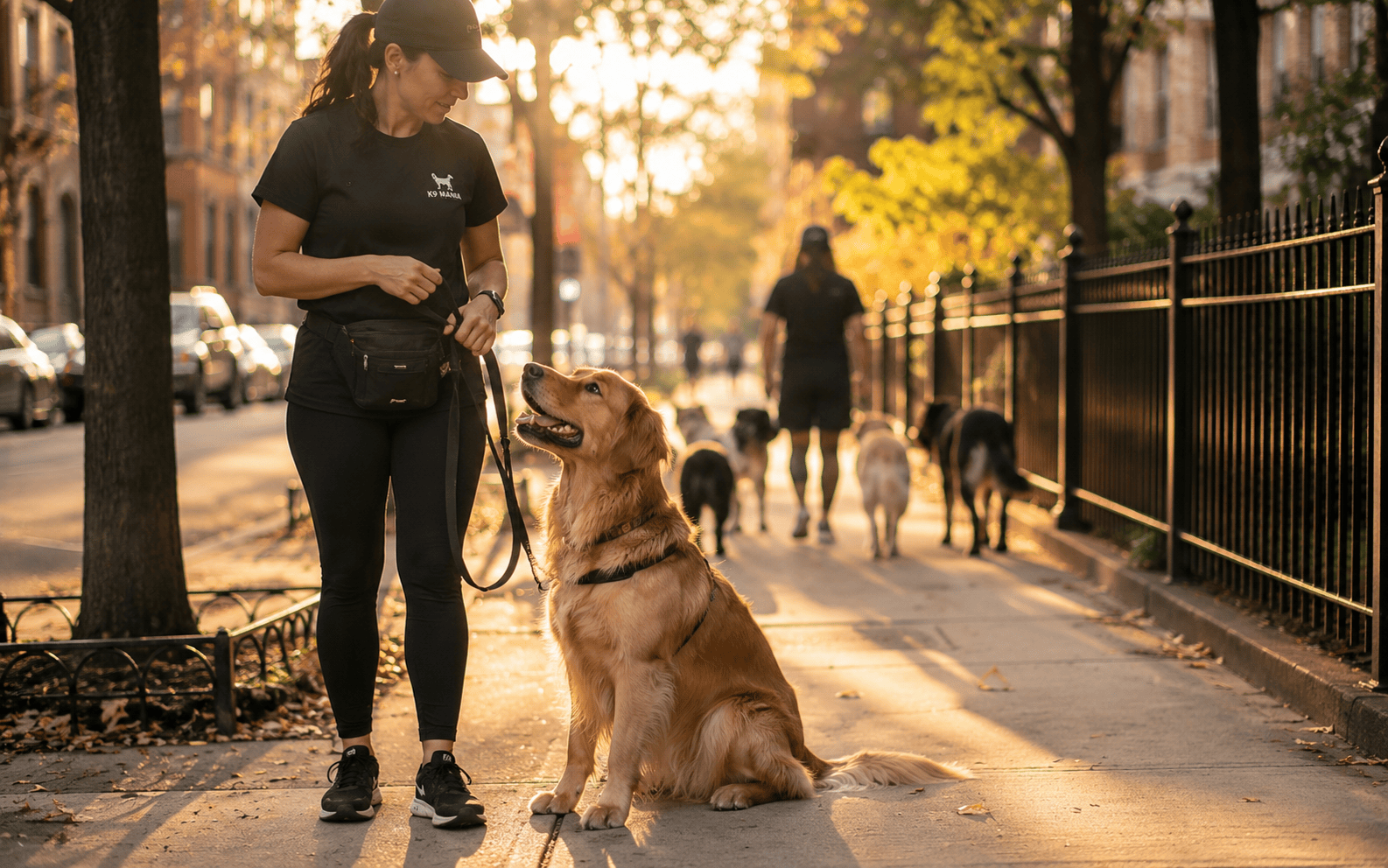
A weekly class gives you roughly one hour of guided practice per week. A residential program gives your dog structured training multiple times per day, seven days a week, in a controlled environment where thresholds can be managed precisely. That difference in repetition and consistency is the primary argument for residential training when dealing with reactivity.
During a board and train program for a reactive dog, a skilled trainer works on:
- Threshold management: Teaching the dog to remain under threshold by controlling exposure distance and intensity.
- Engagement and focus: Building the dog’s ability to check in with a handler even when triggers are present.
- Desensitization: Gradually and systematically reducing the emotional response to specific triggers.
- Counterconditioning: Creating a new, positive emotional association with previously triggering stimuli.
- Impulse control: Strengthening the dog’s ability to pause before reacting, rather than defaulting to its old pattern.
For owners researching board and train for leash reactive dogs, it is important to understand that progress is not linear. A reactive dog may have great days and hard days throughout the program, and that is entirely normal.
What Makes a Reactive Dog a Strong or Weak Candidate
Not every reactive dog will thrive in a residential setting. Here is a realistic breakdown of the factors that trainers consider during intake:
| Factor | Strong Candidate | Weaker Candidate |
| Age | Under 5 years | Senior dogs with deeply ingrained patterns |
| Severity | Moderate reactivity | Severe aggression with bite history |
| Stress Response | Adapts to new environments | Shuts down or self-injures when boarded |
| Owner Commitment | Owner will attend transfer sessions | Owner expects a “fixed” dog with no follow-up |
| Medical Status | Cleared by vet | Underlying pain or anxiety disorder untreated |
| Prior Training | Some foundation | No prior structure at all |
The presence of a bite history does not automatically disqualify a dog, but it does change the program structure significantly. A trainer who works with reactive and aggressive dogs should be upfront about these nuances rather than accepting every dog without screening.
One factor that owners frequently overlook is their own availability post-program. If you enroll your dog in a two- to four-week residential program but skip the transfer sessions and return to the same walking habits, the progress will erode. The dog learned new skills in a controlled environment; you have to learn how to maintain those skills in your real-world context through private dog training long island.
The Role of the Owner After the Program Ends
This is the part of board and train programs that marketing materials often underplay. A reactive dog’s training does not end when you pick it up from the facility. In many ways, that moment is just the beginning of the real work.
When your dog comes home, it will be returning to the same streets, the same neighborhood triggers, and the same routines that originally contributed to its reactivity. The trainer can reshape the dog’s responses in a controlled setting, but you are the one who has to carry that structure forward.
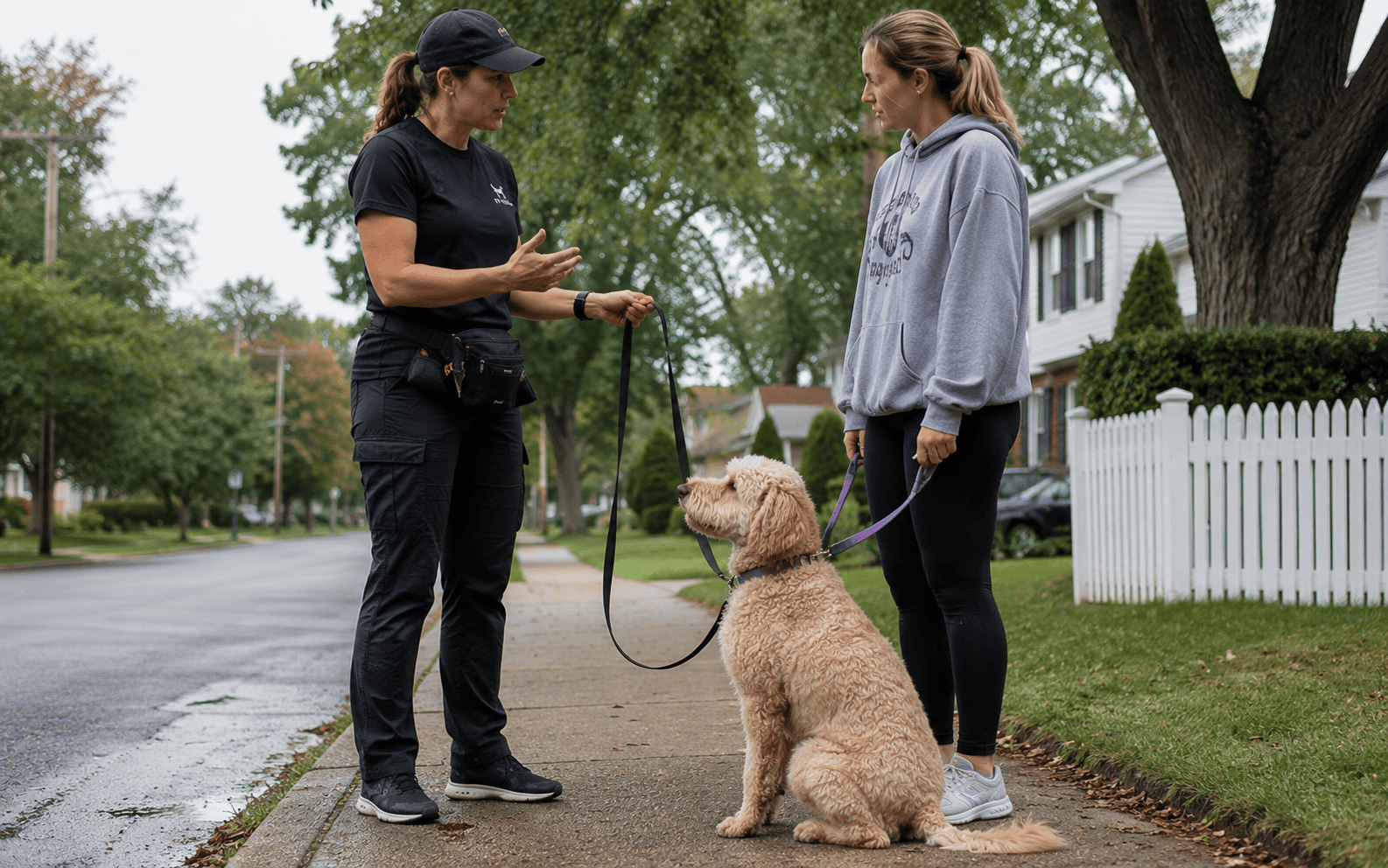
Quality programs include transfer sessions, which are appointments where the trainer hands off the dog to you and walks you through how to handle specific trigger scenarios. If you are in the Queens area, following up with in home dog training long island sessions after the residential phase can make a significant difference. This allows a trainer to come into your actual environment, observe where your dog struggles most, and give you real-time feedback rather than hypothetical advice.
A common mistake owners make is treating board and train as a standalone fix. Think of it instead as an intensive foundation that you are responsible for building on.
Comparing Board and Train to Private Lessons for Reactive Dogs
Private lessons keep your dog in its home environment, which has advantages. The trainer sees your dog in the actual context where reactivity occurs. You practice in real time, with your dog, on your turf. The feedback loop is immediate.
However, private lessons also mean your dog gets a fraction of the training repetitions that a residential program provides. For mild reactivity with motivated owners, weekly sessions can absolutely produce solid results. The question is how much structure you can realistically provide between sessions.
For moderate to severe reactivity, the intensity gap between a weekly private session and a full residential program is substantial. A dog that needs daily threshold work and consistent repetition to make measurable progress will often advance faster in a residential format. That said, the best outcome sometimes comes from combining formats: a residential program to build the foundation, followed by private sessions to personalize the maintenance.
If you are exploring options for board and train programs, ask potential trainers specifically how they handle reactive dogs differently from dogs with general obedience issues by learning about board and train for leash reactive dogs. The answer to that question tells you a great deal about the depth of their expertise.
What to Ask Before Enrolling a Reactive Dog
Before committing to any residential program, here are the questions that matter most for reactive dog cases:
- What is your methodology for treating reactivity: purely positive, balanced, or something else?
- How do you assess a dog’s threshold before beginning exposure work?
- What does a typical training day look like for a reactive dog in your program?
- How do you handle a dog that has a setback or a bad reaction during training?
- What transfer support is included, and what does it cost if I need additional sessions?
- Can I see references or outcomes from other reactive dogs you have worked with?
A trainer who answers these questions confidently and without vagueness is a trainer who has worked with enough reactive dogs to have a real system. Vague answers or promises of a “fully trained dog” with no caveats are red flags.
If you want to understand more about what the daily management strategies look like alongside formal training, reading about how to calm a reactive dog what actually works gives useful context for what you will be practicing at home once the residential program ends.
Timeline Expectations for a Reactive Dog in Residential Training
Reactivity is rarely resolved in one week. Most residential programs for reactive dogs run two to four weeks, and more complex cases may require extended programs or ongoing follow-up. Here is a general timeline framework:
Week 1: Acclimation. The dog adjusts to the new environment, and the trainer establishes baseline threshold distances and response patterns.
Week 2: Foundation work. Engagement, focus, and impulse control exercises are practiced repeatedly. The trainer begins controlled sub-threshold exposure to triggers.
Week 3: Generalization. The dog practices its new responses in varied locations and with increasing distraction levels.
Week 4 and beyond: Refinement and handoff. Transfer sessions begin, and the trainer prepares you to maintain progress at home.
This timeline assumes a dog with moderate reactivity and no significant bite history. More severe cases take longer, and there is no ethical trainer who can guarantee a specific outcome within a fixed timeframe. What a good program can guarantee is a structured, evidence-informed approach and honest communication throughout.
Things to Know
- Reactivity and aggression are not the same thing, and the distinction matters when selecting a program. A trainer who lumps both into one generic “behavior” package may not have the depth of experience your dog needs.
- Board and train does not erase a dog’s reactive tendencies permanently. It builds new response patterns that require consistent reinforcement from the owner to hold over time.
- The environment your dog trains in during the residential program will not be identical to your Queens neighborhood. Ask your trainer how they build in generalization work so skills transfer to your actual walking routes and trigger scenarios.
- Some dogs show what trainers call a “honeymoon period” after returning home, where they appear calmer than expected. This can fade within weeks if owner handling is inconsistent, so treat it as a window of opportunity rather than a finished result.
- Medication is sometimes recommended alongside behavioral training for dogs with anxiety-driven reactivity. A board and train program is not a substitute for a veterinary behavioral assessment if your dog’s reactivity has a strong emotional or neurological component.
- The cost of a quality residential program for a reactive dog is higher than basic obedience board and train, and for good reason. Reactivity work requires more experienced trainers, more controlled setups, and more one-on-one handling time.
Start Your Reactive Dog’s Transformation With a Program Built for Real Results
Reactive dogs do not need more time on the waitlist; they need the right environment, the right trainer, and a structure designed specifically for their challenges. If your dog is making daily walks stressful and you have already tried managing it on your own, a residential program may be the most efficient path forward.
Reach out to K9 Mania Dog Training to schedule an assessment for your reactive dog and find out whether our Long Island board and train is the right fit for where your dog is right now.
You May Also want to Read
What a Board and Train Daily Schedule
Dog Boarding vs Board and Train
Best Dog Training for Leash Reactivity in Long Island
Board and Train for Leash Reactive Dogs
Frequently Asked Questions
Is board and train effective for reactive dogs?
Board and train can be highly effective for reactive dogs when the program is designed specifically for reactivity and is followed by consistent owner support at home.
Effectiveness depends on several factors: the severity of the reactivity, the trainer’s experience with behavior cases, and the quality of the transfer process. A program that includes dedicated threshold work, counterconditioning, and structured handoff sessions gives reactive dogs the best chance of lasting improvement. General obedience-focused programs are not the same as reactivity-specific ones, so ask pointed questions before enrolling.
How long does board and train take for a reactive dog?
Most reactive dogs require a minimum of two to four weeks in a residential program, with more complex cases extending beyond that timeframe.
The first week is typically spent on acclimation and assessment, with active training ramping up in week two. Generalization work, which means practicing skills in varied environments and around real triggers, begins in week three. There is no honest trainer who can give you a guaranteed end date for reactivity work, because each dog progresses at its own pace based on history, temperament, and severity.
Can a highly reactive dog be fixed?
“Fixed” is not the right frame; a highly reactive dog can make significant, lasting progress, but reactivity is managed rather than permanently erased.
Think of it similarly to how a person with social anxiety can develop coping strategies and improve their quality of life substantially without the underlying sensitivity ever fully disappearing. A skilled trainer can help your dog build new, calmer response patterns that become the default over time. The owner’s role in maintaining those patterns through consistent handling, structure, and reinforcement is what determines whether the improvement holds for years or fades within months.
What happens after board and train for a reactive dog?
After board and train, the owner takes over primary responsibility for maintaining the skills the dog learned, typically supported by transfer sessions and follow-up coaching.
Most quality programs include at least one or two handoff sessions where the trainer walks you through real-world scenarios using your specific dog. From there, you are expected to practice daily, keep exposures below threshold initially, and gradually increase challenge levels as your dog builds confidence. Some owners also continue with periodic check-in sessions to address new trigger scenarios or troubleshoot progress plateaus.
Is board and train better than private lessons for reactivity?
Board and train offers more daily repetition and controlled exposure work, which often produces faster initial progress for moderate to severe reactivity compared to weekly private lessons.
Private lessons have their own strengths: the trainer sees your dog in its real environment, and feedback is immediate and context-specific. For mild reactivity in a motivated owner-dog team, private lessons can deliver solid results. For more intense cases, the volume of training and the ability to control the environment precisely gives residential programs a clear advantage. Many experienced trainers recommend combining both formats: residential training to build the foundation, then private sessions to personalize the maintenance phase in your actual neighborhood and routine.
The Bottom Line on Is Board and Train Right for a Reactive Dog
Choosing a residential program for a reactive dog is a significant commitment of time, trust, and money. When the program is well-designed and paired with genuine owner follow-through, the results can be transformative. When it is rushed, generic, or unsupported after pickup day, the improvements are likely to erode. The decision comes down to matching your dog’s specific reactivity profile to a program built to address it, not just a program that happens to have availability.
If your dog is making daily life difficult and you are ready to invest in a real solution, start by requesting an assessment from a trainer who specializes in behavior cases rather than one who handles reactivity as an afterthought. The right program exists for your dog. Your job is to find the trainer qualified to run it and to show up fully committed to the handoff process on the other side.