
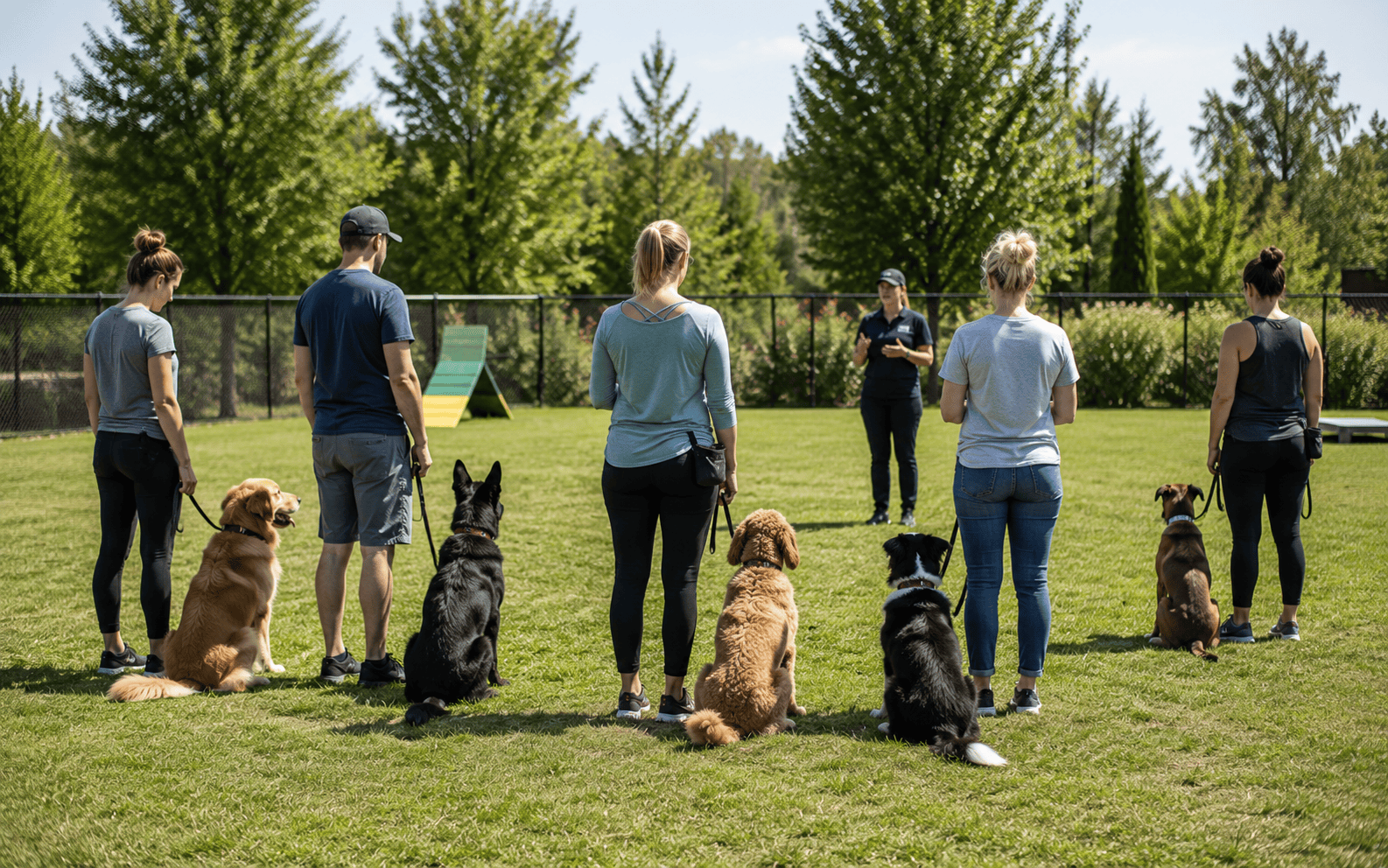
Group dog training classes are structured sessions where multiple dogs and their owners learn commands, manners, and behaviors together under the guidance of a professional trainer. They’re one of the most affordable and widely available training options, but they’re not the right fit for every dog or every situation.
Key Takeaways
- Group dog training classes teach obedience skills in a social setting with multiple dogs and owners present at the same time.
- They cost significantly less than private or in-home training, typically ranging from $100 to $300 for a 6-week session.
- Group classes work best for dogs that are already reasonably calm and don’t have serious behavioral issues like aggression or extreme anxiety.
- Socialization is a major benefit, but only when your dog is developmentally ready and the environment is managed properly.
- Private training offers faster, more customized results for dogs with specific behavior problems or owners with tight schedules.
- Understanding what format fits your dog’s personality and your goals is the most important factor when choosing a training path.
How Group Dog Training Classes Actually Work
When people ask what are group dog training classes, the answer goes beyond just “a bunch of dogs in a room.” These sessions are typically led by a certified trainer and held in a structured environment, whether that’s a pet store, a training facility, a park, or a community center.
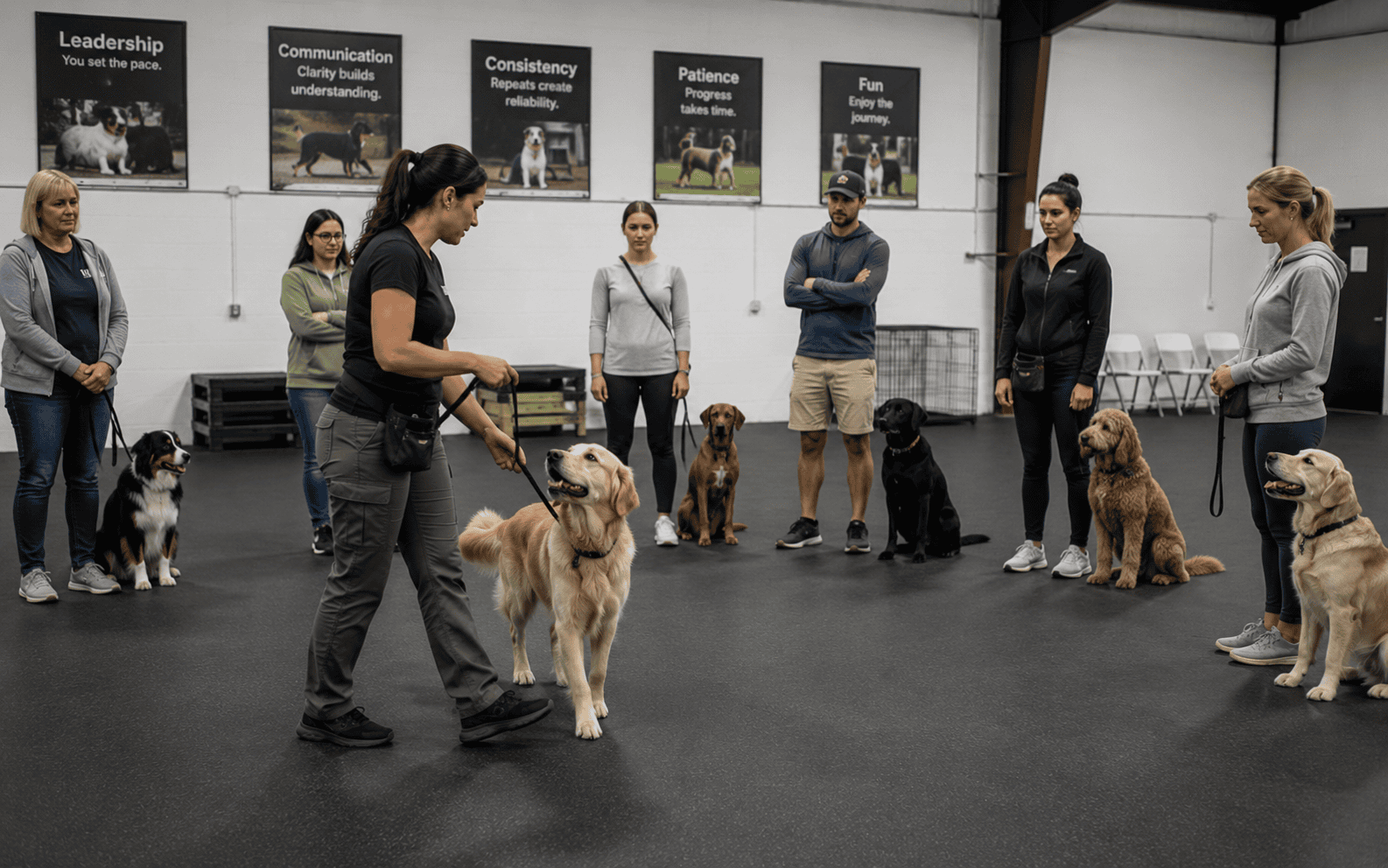
Most group classes follow a weekly format over a set number of sessions, usually between four and eight weeks. Each session builds on the last. In week one, you might work on name recognition and basic eye contact. By week six, you could be practicing off-leash recalls or loose-leash walking around distractions. The curriculum is pre-set, which means the trainer moves the whole group through each lesson together rather than customizing the pace for individual dogs.
Typical class structure:
- A short warm-up exercise with all dogs and handlers present
- Trainer demonstration of the skill being taught that week
- Handler practice with their own dog in the shared space
- Brief group feedback or Q and A at the end of each session
- Optional homework assigned between sessions
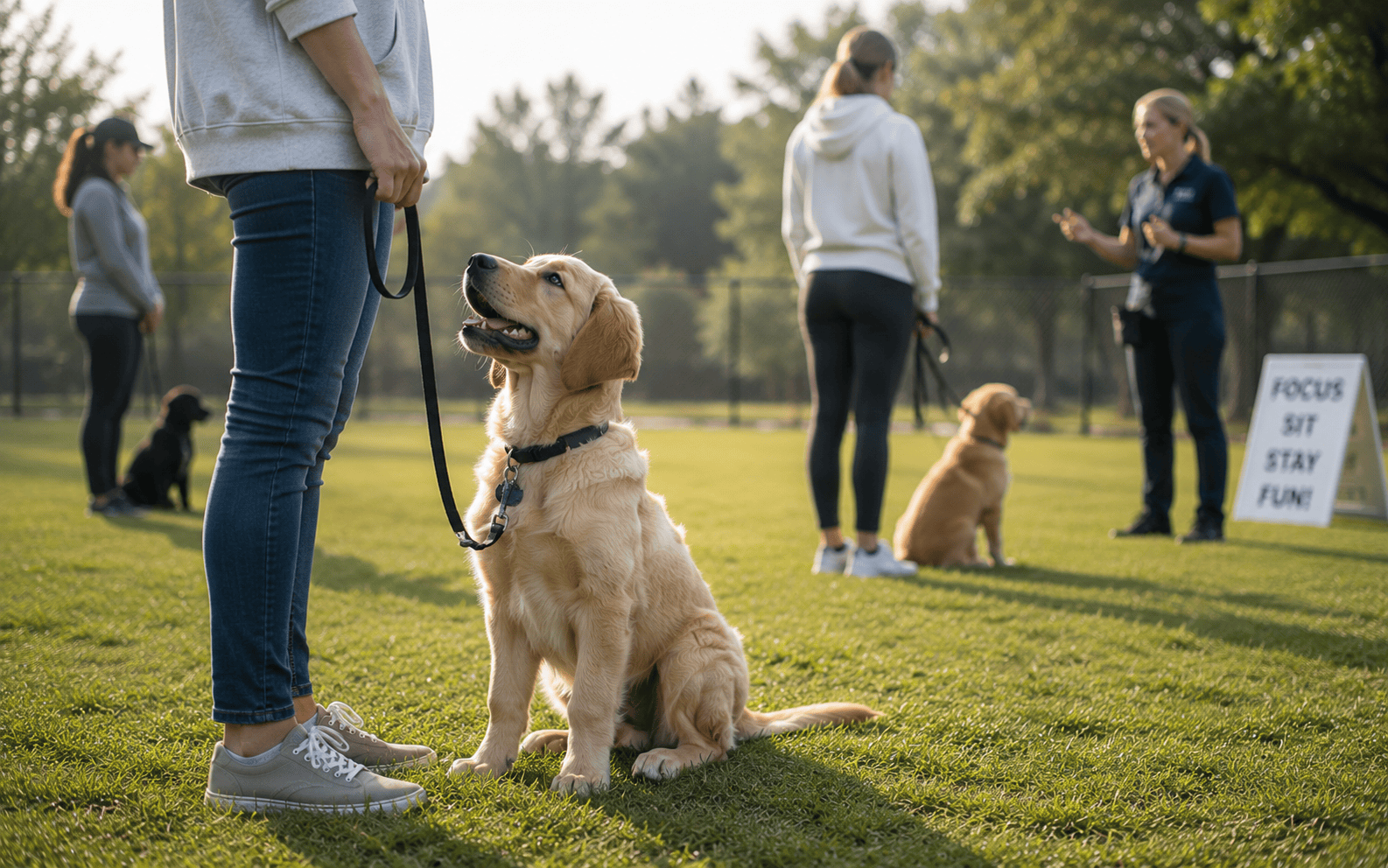
Classes are usually capped at 6 to 12 dogs to keep things manageable. Even so, the presence of other dogs, unfamiliar people, and new smells creates a naturally distracting environment. That’s partly the point. Your dog has to learn to focus on you even when interesting things are happening nearby.
The Real Benefits You Can Expect From Group Classes
The clearest advantage is cost. Group dog training classes typically run between $100 and $300 for a full multi-week course, compared to $75 to $200 or more per session for private training. If your budget is limited but your dog needs structured learning, group classes deliver solid value.
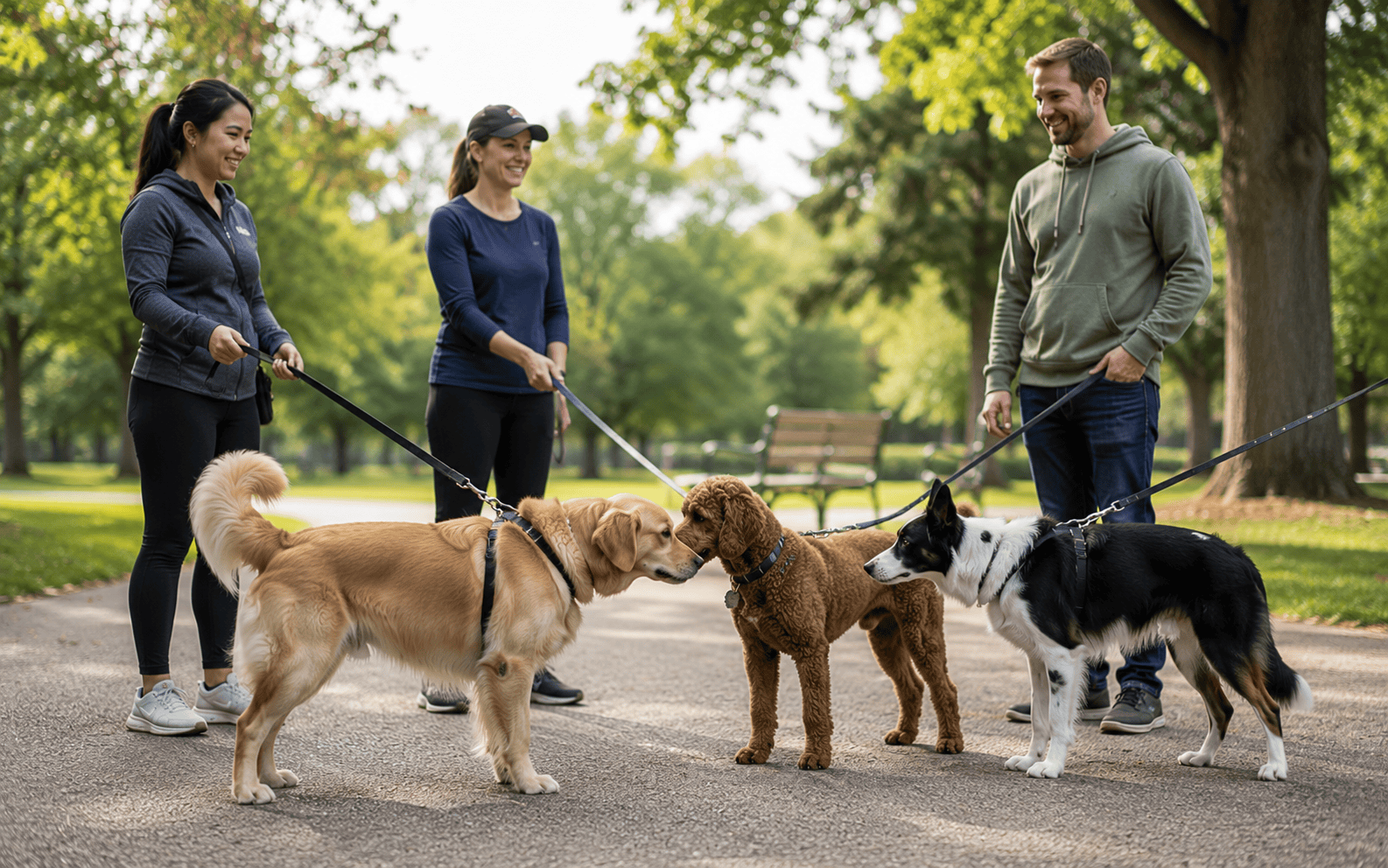
Beyond cost, the social dimension matters. Dogs that practice commands in the presence of other animals tend to generalize those behaviors better in real-world settings like parks, neighborhoods, and pet-friendly stores. If you’ve already read about early dog socialization benefits your key to well behaved dogs, you already know how much early exposure shapes long-term behavior.
Group classes also teach owners, not just dogs. You’ll watch other handlers make mistakes, receive corrections from the trainer in real time, and pick up on techniques you wouldn’t encounter in a one-on-one setting. Many owners report that attending class regularly builds their own confidence and consistency at home.
Key benefits at a glance:
- Lower cost per session than private training
- Built-in socialization with other dogs and people
- Structured curriculum that covers foundational skills
- Community support from other dog owners going through the same process
- Accountability created by a fixed weekly schedule
When Group Classes Fall Short
Group classes are not always the best starting point. There are specific situations where enrolling your dog in a group setting could slow progress or even create problems.
If your dog is reactive to other dogs, meaning it barks, lunges, or becomes difficult to manage near other animals, group classes may be counterproductive. Placing a reactive dog within a few feet of strangers before the underlying behavior has been addressed puts everyone at a disadvantage, including your dog.
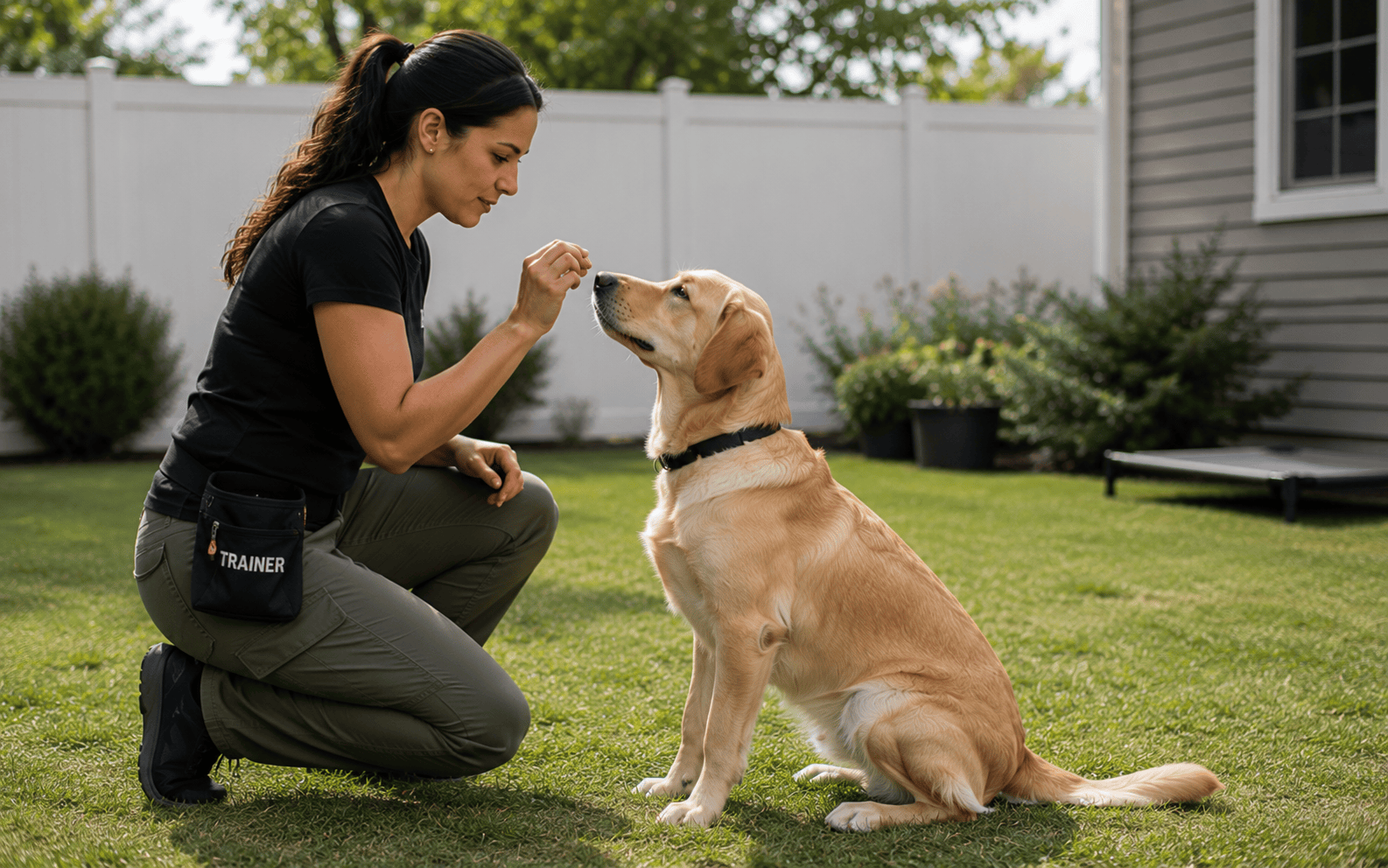
Severe separation anxiety, aggression toward people, resource guarding, and significant fear responses all typically require one-on-one attention first. A trainer working with your dog privately can tailor every exercise to what your dog actually needs in that moment. If you’re dealing with any of these issues, looking at private dog training long island may be the more appropriate starting point.
The group format also limits how much individual feedback you receive. In a class of eight dogs, the trainer spends roughly equal time with everyone. If your dog needs more repetition on a specific skill, or if your own handling needs detailed correction, a group setting simply cannot offer that level of attention.
Group classes may not be the right fit when:
- Your dog shows aggression or strong reactivity toward other dogs
- Your dog has significant anxiety in unfamiliar environments
- Your specific goals require customized training (service dog work, competition prep)
- You need fast results on a focused behavioral issue
- Your schedule doesn’t allow for consistent weekly attendance
Group vs. Private vs. In-Home: Choosing the Right Format
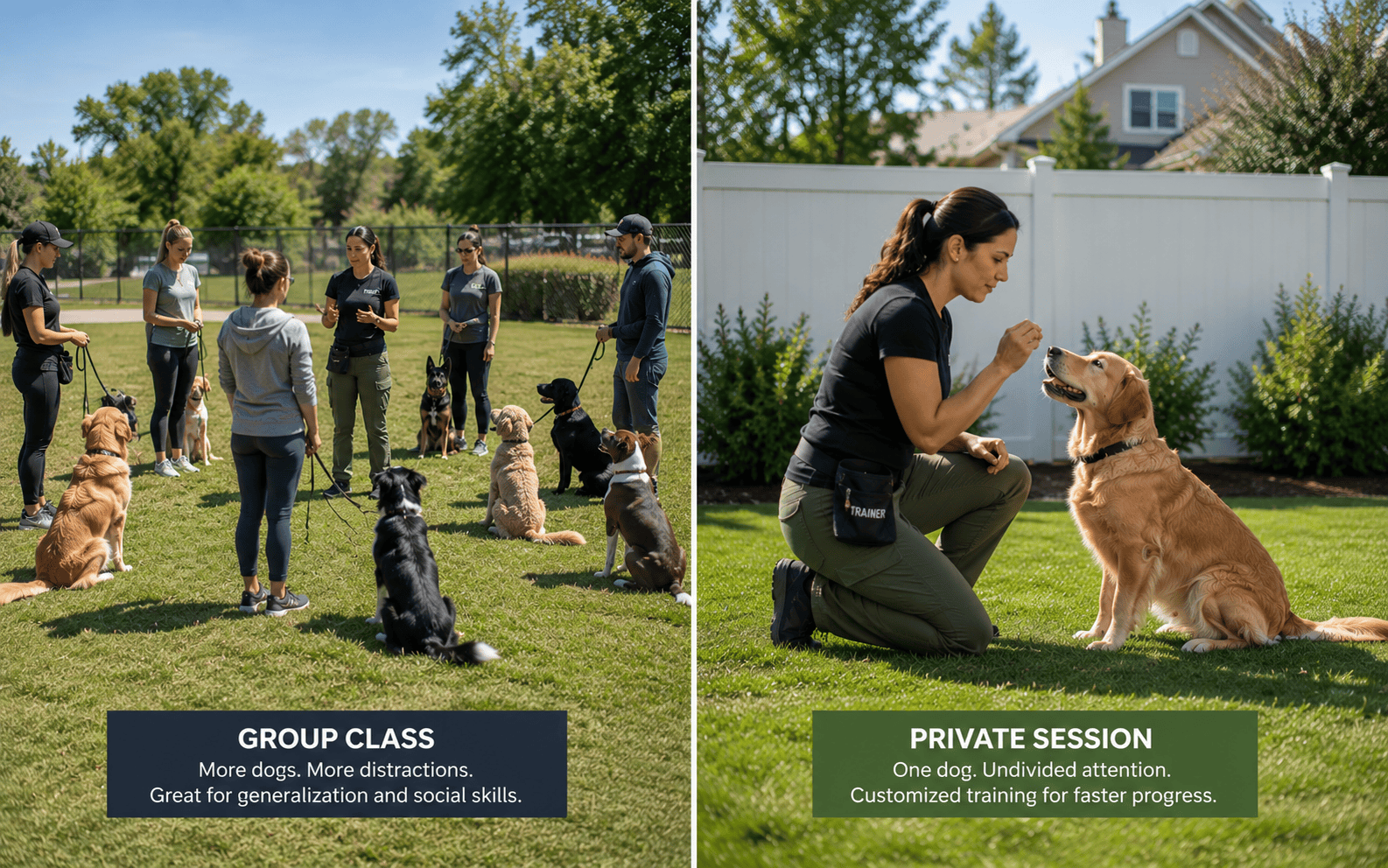
The format that works best depends on your dog’s current behavior, your goals, and your lifestyle. To help clarify the differences, here’s a direct comparison:
| Training Format | Average Cost | Best For | Limitations |
| Group Classes | $100-$300/course | Socialization, basic obedience, budget-conscious owners | No individual focus, not ideal for reactive dogs |
| Private Training | $75-$200/session | Specific behavior issues, faster results | Higher cost, no peer socialization |
| In-Home Training | $80-$200/session | Real-environment work, separation anxiety, household habits | Trainer travels to you, limited group dynamic |
| Board and Train | $1,500-$4,500+ | Intensive skills, busy owners, faster transformation | Dog is away from home, requires follow-up from owner |
If you’re weighing your options, the comparison between in home vs group dog training breaks down the trade-offs in more detail. Owners who need training to happen in the exact environment where problems occur, like pulling on leash in the backyard or jumping on guests at the front door, often find that in home dog training long island delivers faster, more lasting results.
For dogs that need immersive work with a professional trainer on a daily basis, board and train long island offers a structured residential option that covers far more ground than weekly classes alone.
What to Look for in a Quality Group Class
Not all group classes are equal. The quality of the trainer, the class size, the curriculum, and the environment all affect your experience and your dog’s progress. Here’s how to evaluate options before you commit.
Check the trainer’s credentials. Look for certifications from recognized organizations like the Certification Council for Professional Dog Trainers (CCPDT) or the International Association of Animal Behavior Consultants (IAABC). Trainers should be able to explain their methods clearly and answer questions about their approach.
Ask about class size. A class with 10 to 12 dogs and only one trainer is harder to manage than a class of six with two trainers. Smaller classes mean more feedback and a safer environment for nervous dogs.
Review the curriculum. A good group class covers basic obedience dog training skills like sit, stay, down, come, and loose-leash walking. If the class promises results without a structured week-by-week curriculum, that’s a red flag.
Observe a class before enrolling. Many good training facilities allow prospective students to watch a session before committing. Pay attention to how the trainer handles mistakes, whether the dogs seem stressed or engaged, and how the trainer communicates with owners.
Ask about their policy for reactive or fearful dogs. A responsible trainer screens dogs before accepting them into a group class. If a facility accepts every dog regardless of behavior history, the learning environment may suffer.
Things to Know
- Puppies can usually start group socialization classes as early as 7 to 8 weeks old, as long as they’ve had their first round of vaccinations. The American Veterinary Society of Animal Behavior supports early puppy classes with that condition met.
- “Puppy kindergarten” and adult group classes have different goals. Puppy classes prioritize socialization and impulse control. Adult classes focus more on skill-building and distraction training.
- Group classes typically use positive reinforcement methods, but some facilities still incorporate correction-based tools. Always ask before you enroll to make sure the approach aligns with what you want for your dog.
- Consistency between class sessions matters as much as the class itself. Dogs that practice at home between sessions progress two to three times faster than those who only train once a week.
- Dogs with prior training usually advance faster in group settings, which can create an uneven class experience for beginners. Ask whether beginner and advanced dogs are separated.
- The location of the class matters. A class held in a high-stimulation environment like a pet store is harder for easily distracted dogs than one held in a quiet training facility.
Ready to Find the Right Training Program for Your Dog
Figuring out whether group classes, private sessions, or a board and train program is right for your dog can feel overwhelming, especially when your dog is already showing behavior challenges that are affecting daily life. You’re not alone in that frustration, and the right guidance can change things quickly.
K9 Mania Dog Training works with dogs and owners throughout Long Island and surrounding areas through a full range of programs including Board and Train Programs, Private Dog Training, Puppy Training, Obedience Training, and Behavior Modification. Whether your dog is a brand-new puppy just getting started or an adult dog with ingrained habits that need to be addressed, there’s a structured program designed for exactly that situation.
Contact K9 Mania Dog Training today to speak with a trainer about which program fits your dog’s needs, your goals, and your schedule.
You May Also want to Read
How to Train a Dog to Ride in a Car
What Is Trigger Stacking in Dogs
Frequently Asked Questions
What age can a dog start group training classes?
Most puppies can join group classes as early as 7 to 8 weeks old, provided they’ve received their first vaccinations.
Puppy-specific classes called puppy kindergarten focus on socialization, basic commands, and bite inhibition. Adult dogs of any age can also benefit from group classes, though dogs with behavior issues should be evaluated individually before placement in a group setting.
How long does a typical group dog training course last?
Most group classes run for 4 to 8 weeks, with one session per week lasting 45 to 60 minutes.
The total length depends on the facility and the level of training. Beginner courses are usually 6 weeks, while intermediate or advanced courses may extend further. Owners are expected to practice daily between sessions to reinforce what’s covered each week.
Are group classes effective for dogs with behavioral problems?
Group classes alone are usually not enough for dogs with serious behavioral issues like aggression, reactivity, or anxiety.
These conditions require customized, one-on-one work before introducing a group environment. A private trainer can address the root cause of the behavior directly and then, once the dog is stable, group classes can serve as a useful follow-up for continued socialization and practice.
What’s the difference between group classes and a board and train program?
Group classes meet once per week and rely heavily on at-home practice, while board and train programs place your dog with a professional trainer full-time for daily intensive work.
Board and train programs are faster and more comprehensive but cost significantly more. They’re best for busy owners, dogs with deeper behavior issues, or situations where more dramatic results are needed in a shorter time.
Can I attend group classes with multiple dogs at once?
Most trainers recommend handling one dog at a time during group classes, especially for beginners.
Managing two dogs in a distracting group environment is difficult and can lead to inconsistent handling for both animals. If you have multiple dogs that need training, it’s worth asking whether back-to-back sessions or separate enrollments are available, or whether a private program would be more practical.
The Bottom Line on What Are Group Dog Training Classes
What are group dog training classes comes down to this: they’re a structured, affordable way to teach your dog foundational skills in a real-world distraction environment, but they work best when your dog is already ready for that kind of setting. They’re not a fix for serious behavioral issues, and they require consistent practice outside of class to produce lasting results.
If your dog is sociable, relatively calm, and you’re working on basics like recall, sit, stay, and leash manners, a group class is a great place to start. If your dog needs more targeted work, or if you want faster results with professional daily oversight, explore private or residential training options and talk with a qualified trainer about which path makes the most sense.