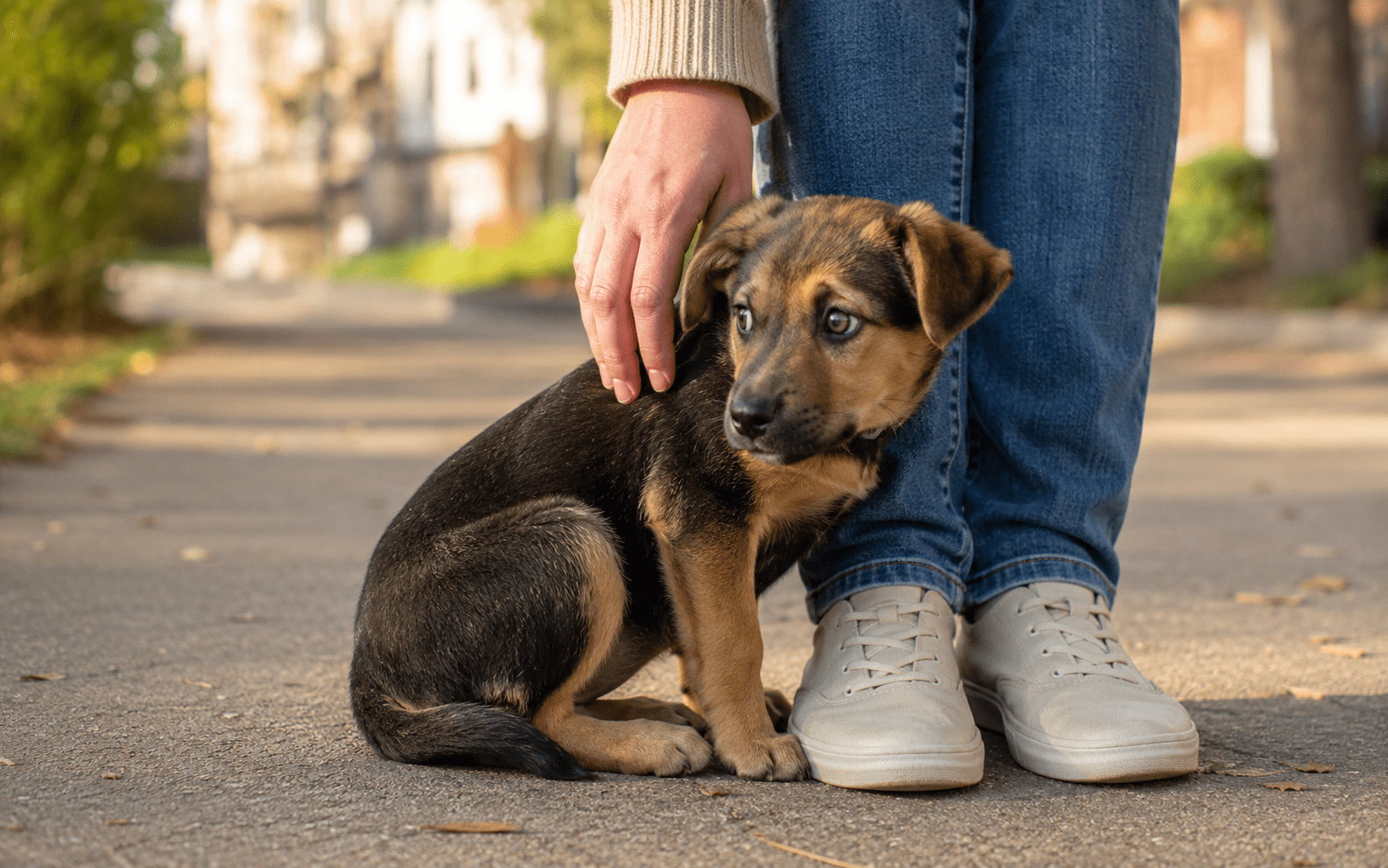
Puppy fear periods are predictable developmental windows, typically occurring around 8 to 10 weeks and again between 6 and 14 months, when puppies suddenly become more sensitive or frightened by things they previously ignored without hesitation. Recognizing these phases early and responding with calm, patient handling can prevent lasting anxiety and set your puppy on the path to confident, well-adjusted adulthood.
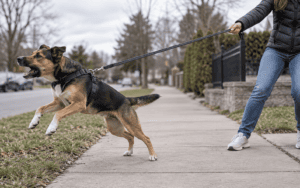
Most owners are caught off guard the first time it happens. A puppy that was bounding confidently down the block last week is now frozen on the sidewalk, trembling at a trash can. A dog that greeted every stranger with enthusiasm is suddenly hiding behind your legs. These are not random personality shifts or signs that something is wrong with your dog. They are a predictable part of canine development, and how you respond during these windows matters more than most owners realize.
In this guide, we break down what causes these phases, when to expect them, and exactly what you should and should not do to help your puppy come through them stronger.
Quick Insights:
- These developmental phases are normal and happen in nearly every dog
- The first window typically occurs around 8 to 10 weeks of age
- A second window often appears between 6 and 14 months during adolescence
- Fear shown during these phases is temporary when handled correctly
- Forced exposure can backfire and deepen the fear response over time
📌Is your puppy showing sudden fear or avoidance? Our board and train Long Island program works with puppies at every stage of development to build lasting confidence before fear patterns take hold.
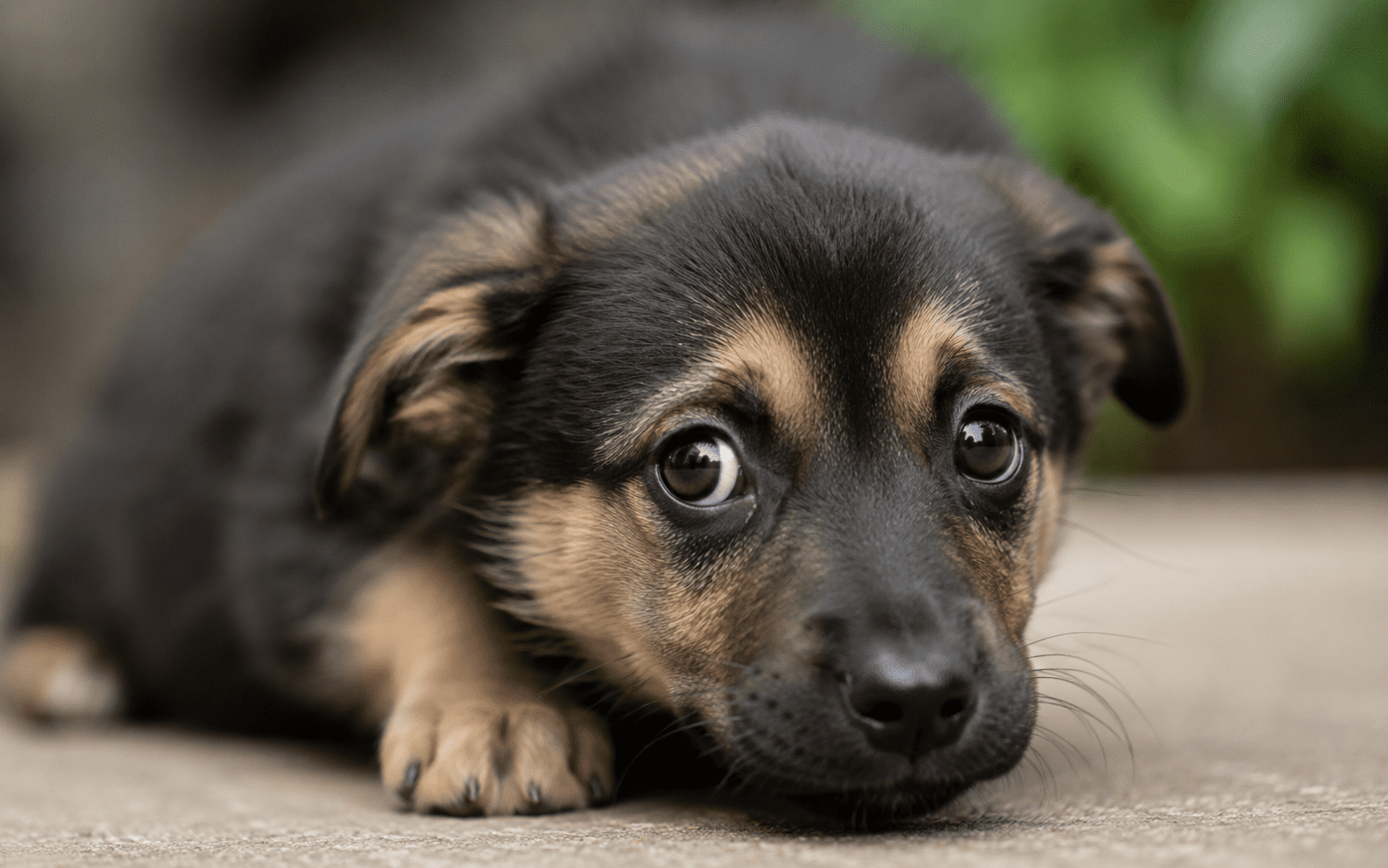
What Happens During a Puppy Fear Period?
A fear period is a biologically driven developmental window during which your puppy’s brain is in a heightened state of sensitivity. The nervous system is actively laying down long-term associations, which means experiences during these windows, both positive and negative, carry far more weight than they would at any other point in your puppy’s first year.
These phases happen across all breeds. They are not a sign that your puppy is poorly socialized, poorly bred, or that you have done something wrong as an owner. In the wild, these windows helped young animals quickly learn which parts of their environment posed real threats. In a domestic setting, that same sensitivity creates problems when puppies encounter too much too fast, or when a frightening experience goes unaddressed during the window.
The goal during a fear period is not to toughen your puppy up by pushing through the fear. The goal is to build positive associations slowly, protect your puppy from being overwhelmed, and allow them to set the pace. Understanding where these phases fit within the broader arc of early development can help you stay grounded when things feel confusing. Read about puppy developmental stages to understand how each developmental window connects to the next.
When Do These Fear Windows Occur?
Most dogs go through two primary fear windows, though some breeds experience additional periods of heightened sensitivity during adolescence. Knowing the general timeline helps you prepare your response before the behavior surfaces.
Table 1: Puppy Fear Period Timeline
| Fear Period | Approximate Age | Common Signs | Typical Duration |
| First Fear Period | 8 to 10 weeks | Startles easily, clings, avoids new stimuli | 1 to 3 weeks |
| Second Fear Period | 6 to 14 months | Sudden regression, reactivity spikes, fear of familiar things | 2 to 4 weeks |
| Breed-Dependent Sensitivity | Varies (adolescence) | Heightened arousal, noise sensitivity, new avoidance behaviors | Varies by dog |
The first fear period often coincides with the time most puppies come home from the breeder. This timing matters because many owners inadvertently overwhelm their new puppy during this window by scheduling too many visitors, dog park outings, or loud public trips all at once in an effort to socialize quickly.
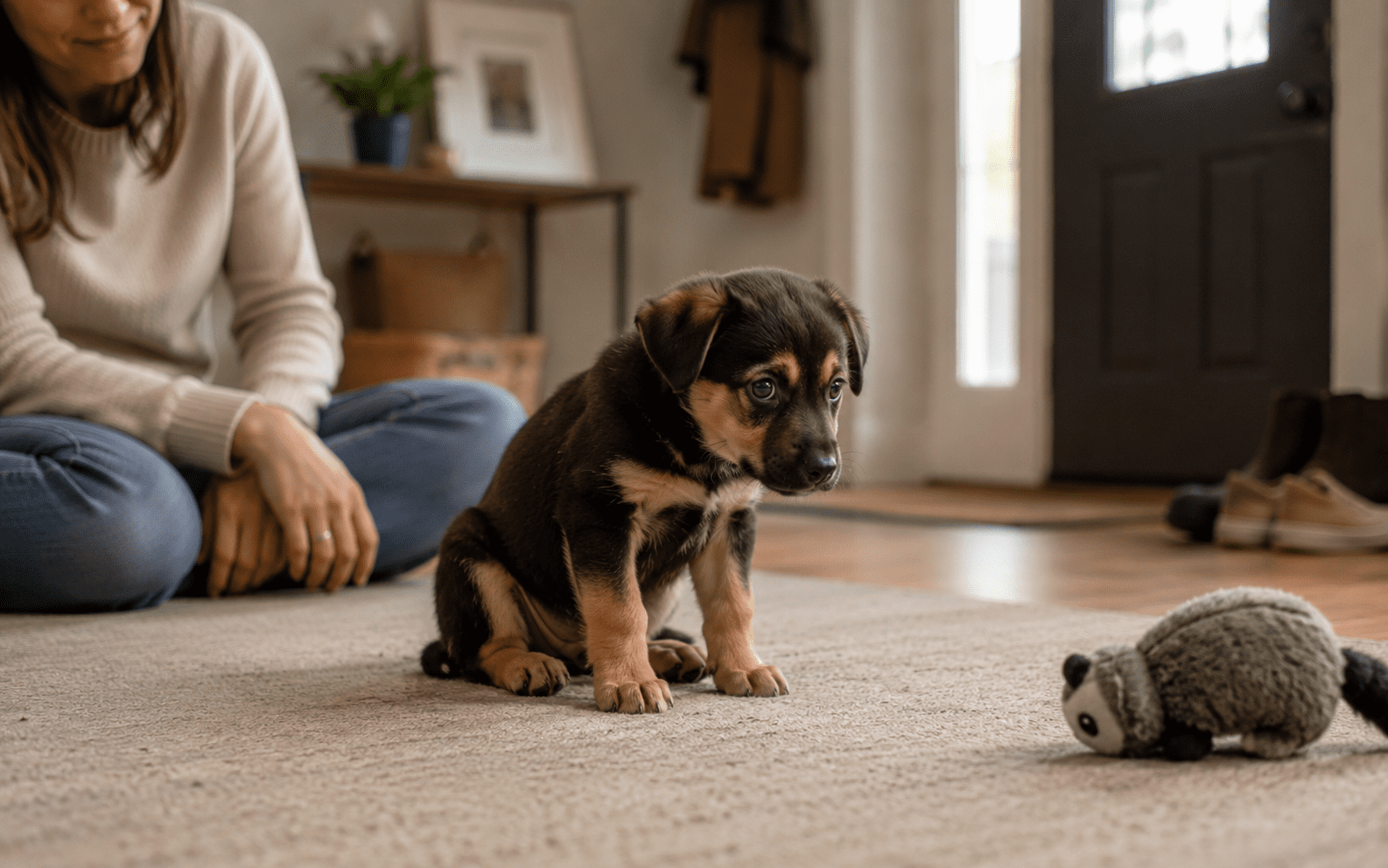
The second fear period is often more confusing because it arrives when owners expect confidence to be growing. A dog that seemed relaxed and social at five months may suddenly bark at a familiar neighbor or refuse to walk past a construction site it has passed a hundred times before. This is normal, temporary, and manageable with the right approach. For more on building resilience after fear takes hold, see our guide on how to help a fearful dog gain confidence through structured exposure.
How to Recognize a Puppy Fear Period (Signs to Watch For)
Knowing the signs helps you distinguish a fear period from something more serious, like emerging reactivity or an unrelated health concern. The key difference is that fear period behavior appears suddenly, feels context-specific, and resolves on its own when handled with patience and care.
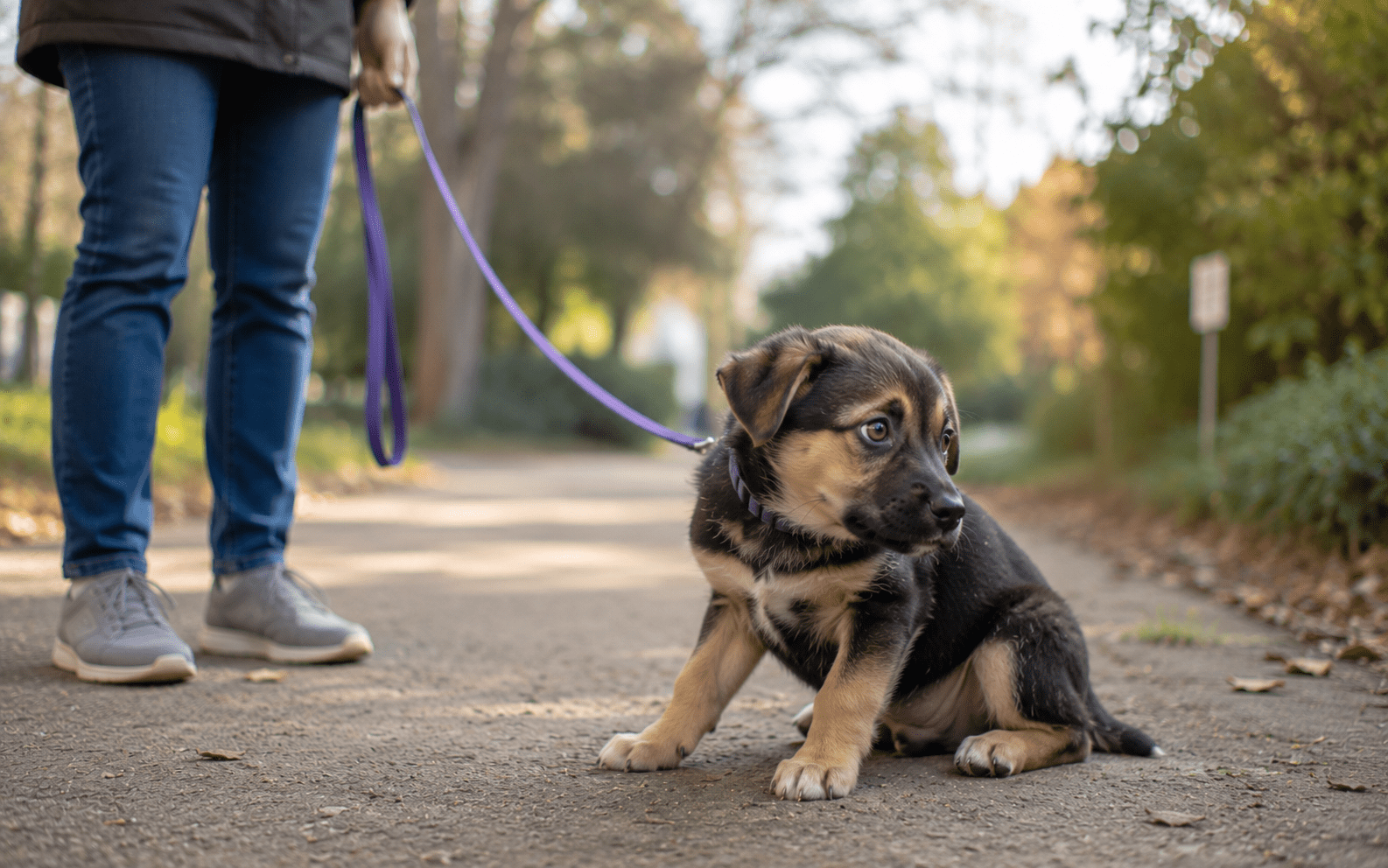
1. Sudden Reluctance on Walks or in Familiar Spaces
Why it happens: The puppy’s brain is reprocessing environmental information with heightened sensitivity. Something your dog has walked past dozens of times can suddenly trigger a strong avoidance response with no obvious change in the environment whatsoever.
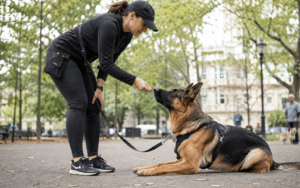
How to respond: Do not drag your puppy forward or correct the hesitation. Stop, give space, and let your puppy observe from a comfortable distance. Use high-value treats to build a positive association with the trigger before attempting to move any closer.
Which approach works best: Counter-conditioning at a safe distance consistently outperforms forced exposure in both short-term and long-term behavioral outcomes. Let the treat mark the trigger as something neutral or positive before gradually closing the gap.
2. Fear of Familiar People, Objects, or Environments
Why it happens: During a fear window, even familiar things can feel threatening to a puppy’s heightened nervous system. This is one of the most disorienting experiences for owners who cannot identify any obvious change and begin to wonder if they have done something wrong.
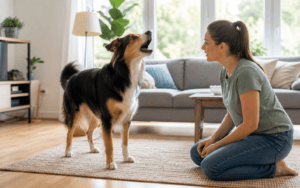
How to respond: Ask family members and visitors to give the puppy space. No reaching over the head, no forced petting, and no loud greetings. Let your puppy approach on their own terms and reward every voluntary interaction with calm, generous reinforcement.
Which approach works best: Calm, low-pressure environments where the puppy can observe from a distance and choose to engage at their own pace consistently produce the strongest and most lasting confidence over time.
3. Increased Startle Response to Sounds
Why it happens: Auditory sensitivity spikes during fear windows. Sounds that barely registered before, such as a car door, a garbage truck, or a dropped object, can now trigger strong startle reactions that seem completely disproportionate to the noise itself.
How to respond: Keep your own body language loose and relaxed. Avoid reacting strongly to the sound yourself, because your puppy is watching your cues closely. Mark and reward calm recovery after the startle with a treat and a quiet, confident word of encouragement.
Which approach works best: Gradual desensitization paired with non-reactive handling from you gives your puppy the clearest signal that the sound is not something worth fleeing. Your calm is the most powerful tool you have in these moments.
📌Working through fear with your puppy can feel overwhelming on your own. Our private dog training Long Island program offers personalized, one-on-one sessions built around your puppy’s specific triggers and needs.
What to Avoid During a Puppy Fear Period
The wrong response during a fear window can turn a temporary developmental phase into a lasting behavioral pattern. These are the most common mistakes owners make and why each one causes more harm than good.
Table 2: Common Mistakes vs. Better Approaches
| What Many Owners Do | Why It Makes Things Worse | What to Do Instead |
| Force the puppy toward the scary thing | Intensifies fear and erodes trust | Let the puppy approach at their own pace |
| Correct or punish fearful behavior | Adds punishment to an already overwhelming moment | Stay calm, redirect with a treat, move forward |
| Flood with too many new experiences | Overwhelms the nervous system during a sensitive window | Limit new exposures and choose calm environments |
| Over-soothe and reinforce panic | Rewards the fearful state and encourages it to continue | Acknowledge calmly, then move forward with confidence |
| Wait too long to seek professional help | Allows fear to solidify into reactivity or aggression | Reach out to a trainer early for structured guidance |
Supporting Your Puppy After the Fear Period
Once the fear window closes, most puppies return to a more confident baseline. But what happens during a fear period does not simply disappear. Negative experiences that went unaddressed can leave lasting impressions on a developing nervous system, while positive experiences during the same window serve as powerful anchors for future confidence.
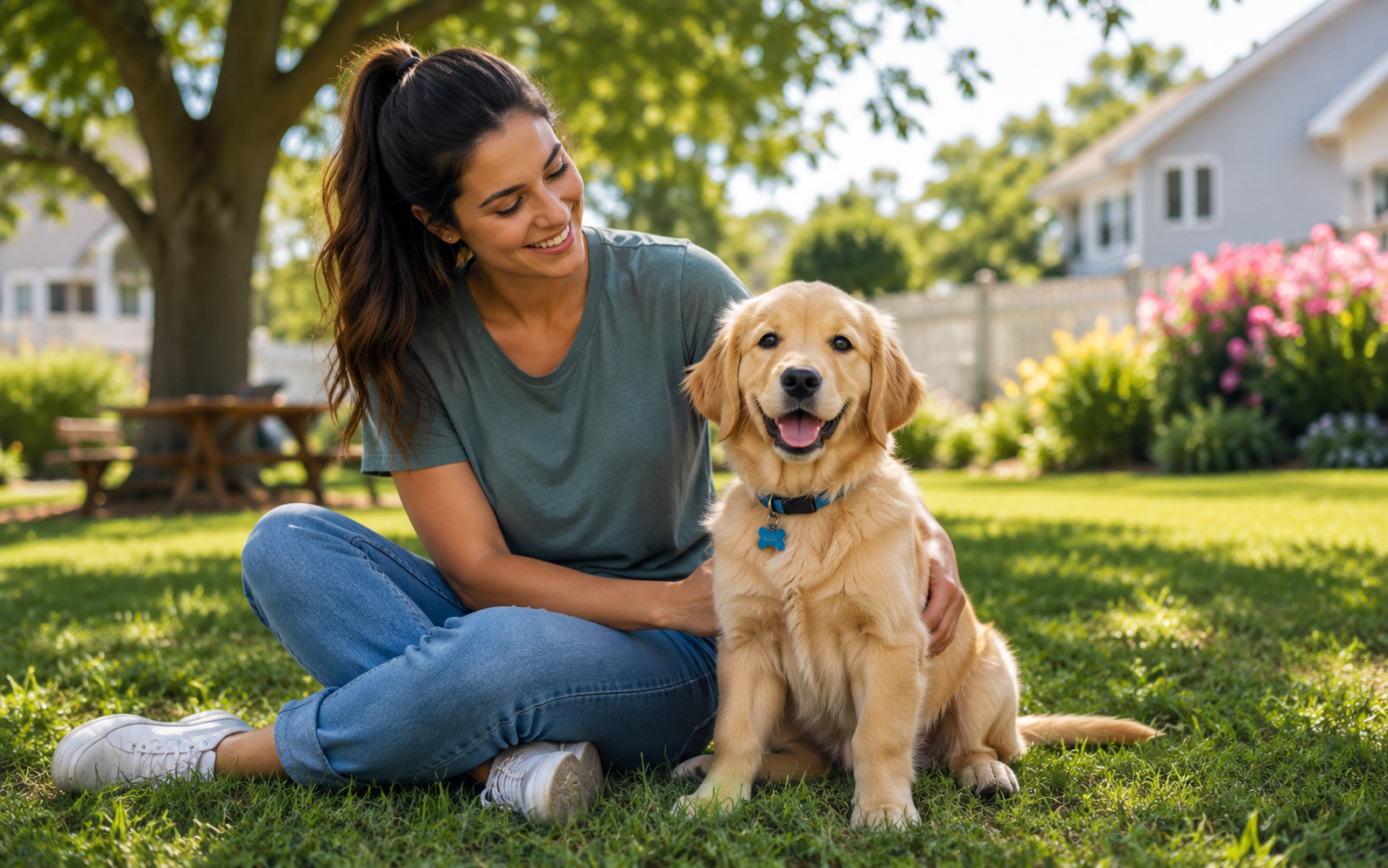
A puppy that moved through a fear window with calm, structured support is far more likely to develop into a stable, adaptable adult dog. How you handle these phases early directly influences how your dog responds to novelty, stress, and unfamiliar situations for years to come. For a deeper look at how early handling shapes long-term behavior, explore the research behind early dog socialization benefits and how consistent positive exposure during critical windows lays the foundation for everything that follows.
If your puppy’s fear behavior persists beyond what seems like a temporary phase, or if fear is beginning to escalate into growling, lunging, or snapping, seek professional guidance before these patterns become more established. Our in home dog training Long Island service brings qualified support directly to your environment, which is often where many of these fear responses first take hold and where real change needs to happen.
Frequently Asked Questions
When do puppy fear periods usually start and end?
The first fear period typically starts around 8 weeks of age and lasts one to three weeks. The second occurs anywhere between 6 and 14 months, lasting roughly two to four weeks. The exact timing varies by breed and individual dog, but most puppies experience both windows at some point during early development.
Is my puppy going through a fear period or becoming reactive?
A fear period is characterized by sudden, temporary behavior changes tied to a specific developmental window. Reactivity tends to be more consistent, is triggered by predictable stimuli, and builds in intensity over time rather than appearing overnight. If your puppy’s fearful behavior persists beyond a few weeks or escalates across new contexts, consult a professional to determine whether you are working through a developmental phase or an emerging behavioral issue.
How long does a puppy fear period last?
Most fear periods resolve within one to three weeks when handled with patience and calm exposure. Puppies who are repeatedly flooded, corrected, or overwhelmed during this time may carry fearful behaviors beyond the natural window, which is exactly why the quality of your response during these phases matters so much.
How should I help my puppy through a fear period?
The most effective approach combines calm handling, distance from triggers, and positive reinforcement. Avoid forcing your puppy toward anything that frightens them. Instead, use high-value treats to build positive associations at a comfortable distance, keep daily routines consistent, and limit new or overwhelming experiences until the window closes naturally.
Why is my puppy suddenly scared of walks, noises, people, or other dogs?
Sudden fear responses in puppies are almost always linked to a developmental fear window. The brain is temporarily processing sensory information with heightened sensitivity, which means things that were previously neutral can suddenly feel threatening. This is normal, developmentally expected, and typically resolves with patient, supportive handling over time.
What should I avoid doing during a fear period?
Avoid forcing exposure to scary things, correcting or punishing fear behavior, flooding your puppy with too many new experiences at once, and over-reassuring in ways that reinforce the panic state. Any of these responses can deepen the fear or teach your puppy that panicking is an effective way to avoid situations they find uncomfortable.
Final Word on Fear, Confidence, and Your Growing Puppy
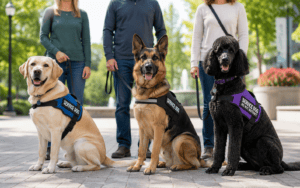
Puppy fear periods are temporary, but the habits you build around them shape your dog for life. At K9 Mania Dog Training, we are Long Island’s leading board and train program with the best animal behaviorist for dogs on the Island. Whether your puppy is in the middle of a fear window or showing early signs of reactivity, we know exactly how to help. Our trainers assess each dog individually and design programs that address the root of the behavior. Trust K9 Mania for any dog behavior issue. Contact us today.