

Dogs chase their tails for several reasons, including playfulness, boredom, attention-seeking, or underlying health issues. While occasional tail chasing is normal, especially in puppies, frequent or obsessive spinning can signal medical problems or behavioral concerns that need attention.
If you’ve ever watched your dog spin in circles trying to catch their tail, you’ve probably wondered what’s going through their mind. This behavior can be adorable and funny, but it’s not always just innocent play.
Understanding why do dogs chase their tails helps you figure out if your dog is just having fun or if something more serious is going on. Some dogs do it when they’re bored, others when they want your attention, and some have medical issues that make them uncomfortable.
In this guide, we’ll break down the reasons behind tail chasing, when it’s normal, when it’s a problem, and what you can do to help your dog break the habit if it becomes excessive.
Is your dog showing behavioral issues beyond tail chasing? Our obedience dog training programs address a wide range of canine behaviors.
Common Reasons Why Dogs Chase Their Tails
Most tail chasing falls into a few common categories. Your dog might be playing, looking for attention, or following their natural instincts. Let’s look at the everyday reasons dogs spin after their tails.

Playfulness and Boredom
Puppies and young dogs often chase their tails simply because they discover it’s there and it moves when they do. It’s like finding a built-in toy attached to their body.
When dogs don’t get enough exercise or mental stimulation, they create their own entertainment. Tail chasing becomes a way to burn energy when they’re stuck inside or haven’t had a good walk.
Bored dogs will find something to do, and their tail is always available. The spinning motion and the challenge of trying to catch something that keeps moving away can be engaging for a dog with nothing else to do.
If your dog chases their tail mostly when they’ve been alone for a while or haven’t been outside much, boredom is probably the reason. Adding more playtime, walks, or puzzle toys usually fixes this.
Attention-Seeking Behavior
Dogs are smart. If they notice that spinning in circles makes you laugh, talk to them, or give them treats to stop, they’ll do it again.
Even negative attention (like saying “no” or trying to interrupt them) can reinforce the behavior. Your dog learns that tail chasing equals interaction with you.
This becomes a learned trick. When your dog wants attention and you’re busy, they start spinning because they know it works to get you to focus on them.
The best way to handle attention-seeking tail chasing is to ignore it completely when it happens and give your dog attention when they’re calm and doing something appropriate.
Predatory Instinct
Dogs have a natural drive to chase moving objects. Their tail, which moves and darts around when they turn, can trigger this instinct.
This is especially true for breeds with strong prey drives. The quick, erratic movement of a tail mimics the movement of small animals or prey, activating the dog’s chase response.
Young dogs and certain breeds like terriers and herding dogs may be more prone to this. Their genetics tell them to chase things that move quickly, and their tail fits the bill.
This type of tail chasing usually happens in short bursts and isn’t constant. The dog spins a few times, may or may not catch the tail, and then moves on to something else.
Medical and Health-Related Causes
Sometimes tail chasing isn’t behavioral at all. Physical discomfort or health problems can make dogs focus on their tails in ways that look like play but signal something wrong.

Parasites and Skin Issues
Fleas, ticks, or worms can cause intense itching around the tail base. Dogs try to relieve the discomfort by biting, licking, or chasing their tail.
Allergies that cause skin irritation often affect the rear end and tail area. Your dog might spin and bite at their tail trying to scratch an itch they can’t reach properly.
Anal gland problems can also make the area uncomfortable. When these glands are full, impacted, or infected, dogs will chew at their hindquarters and chase their tail.
If you notice your dog is focused on their tail and also scooting their rear on the ground, licking excessively, or has visible skin problems, a health issue is likely the cause.
Anxiety and Compulsive Disorders
Some dogs develop compulsive disorders similar to obsessive-compulsive disorder in humans. Tail chasing can become a repetitive behavior they can’t control.
Stress and anxiety can trigger or worsen this. Dogs might start spinning when they’re nervous, anxious about being left alone, or stressed by changes in their environment.
Over time, the behavior becomes a coping mechanism. The dog turns to tail chasing whenever they feel uncomfortable, even if the original stressor is gone.
Compulsive tail chasing looks different from playful spinning. These dogs often seem focused and intense, they may not respond when you call them, and they might chase for extended periods without stopping.
Understanding why dogs wag their tails can help you distinguish between happy, playful behavior and stress-related tail fixation.
Neurological Problems
In rare cases, neurological issues or seizure activity can cause tail chasing. This is more common in certain breeds and usually comes with other symptoms.
Brain injuries, infections, or conditions that affect the nervous system might make a dog hyper-focus on their tail or experience sensations that aren’t actually there.
If your dog suddenly starts chasing their tail frequently and has never done it before, especially if they’re an adult or senior dog, this could point to a medical problem that needs veterinary attention.
Neurological tail chasing often looks odd or “off.” The dog might seem confused, the spinning might happen at random times, or the dog might appear distressed rather than playful.
Breed-Specific Tendencies
Certain breeds are more likely to chase their tails than others. Genetics play a role in which dogs develop this habit and how intense it becomes.
Bull Terriers are particularly known for tail chasing and can develop it into a compulsive behavior more easily than other breeds. German Shepherds and Australian Cattle Dogs also show higher rates of tail chasing.
Herding breeds like Border Collies and Australian Shepherds have strong instincts to chase and control movement. This can translate into tail chasing when they don’t have appropriate outlets for these drives.
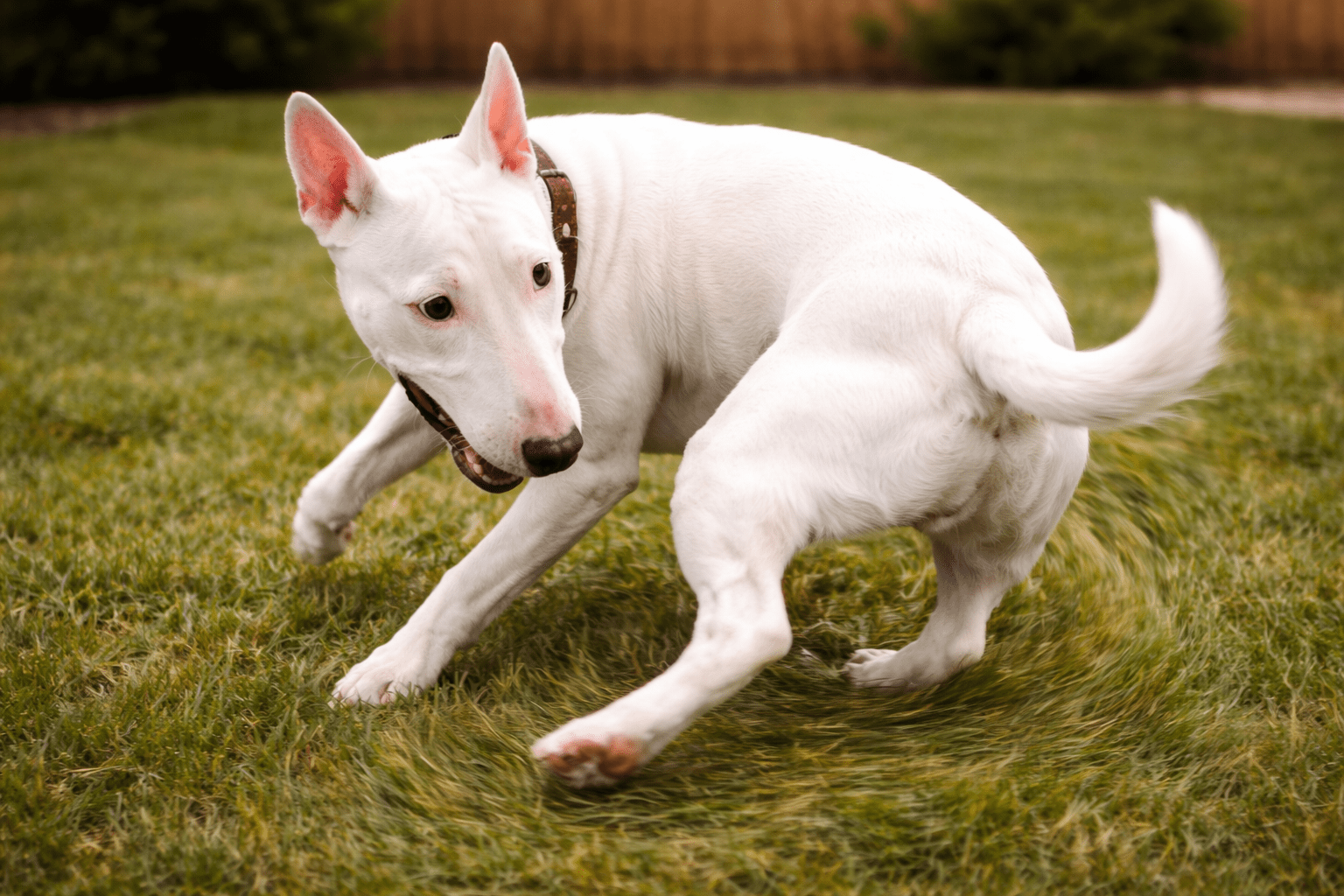
High-energy breeds and working dogs need lots of physical and mental exercise. Without it, they’re more likely to develop repetitive behaviors like tail chasing to burn off excess energy.
Smaller breeds and puppies of any breed might chase their tails more often simply because of their size and age. Puppies are still learning about their bodies and the world around them.
Here’s a look at which breeds are most prone to tail chasing:
| Breed Group | Examples | Why They Chase |
| Terriers | Bull Terriers, Jack Russell Terriers | Strong prey drive, high energy, genetic predisposition to compulsive behaviors |
| Herding Dogs | Border Collies, Australian Shepherds, German Shepherds | Chase instinct, need for mental stimulation, working drive |
| High-Energy Breeds | Cattle Dogs, Huskies, Malinois | Excess energy, need for physical activity, boredom when under-exercised |
| Puppies (All Breeds) | Any young dog | Discovering their body, playfulness, learning cause and effect |
Professional guidance can help address breed-specific behavioral challenges. Learn more about private dog training Long Island options.
When Tail Chasing Becomes a Problem
Not all tail chasing is bad, but there’s a line between normal and problematic. Knowing the difference helps you decide when to take action.
Normal vs. Excessive Behavior
Occasional tail chasing, especially in puppies or during play, is perfectly normal. A few spins here and there when your dog is excited or bored isn’t cause for concern.
Normal tail chasing is brief, happens in specific contexts (like after a bath or when playing), and your dog easily stops when you redirect them or call their name.
Excessive tail chasing happens multiple times a day, lasts for long periods, and your dog seems unable to stop even when you try to interrupt. The dog might become frustrated or even aggressive if you try to stop them.
If tail chasing interferes with normal activities like eating, sleeping, or playing, it’s crossed into problem territory. The behavior has become more important to your dog than other things.
Signs You Should Worry
Several red flags tell you that tail chasing needs professional attention. Watch for these warning signs:
Physical injury is a major concern. Dogs who chase their tails obsessively often bite, chew, or scratch their tail to the point of causing wounds, hair loss, or bleeding.
Your dog seems distressed, anxious, or unable to settle down. Instead of playful spinning, they look intense, focused, or upset while chasing.
The behavior started suddenly in an adult dog who never did it before. Rapid onset of new compulsive behaviors often signals medical issues or neurological problems.
Your dog doesn’t respond to their name, treats, or favorite toys when they’re chasing their tail. This level of fixation isn’t normal and suggests a compulsive disorder.
Here’s how to tell if your dog’s tail chasing needs intervention:
| Situation | Normal Tail Chasing | Concerning Tail Chasing |
| Frequency | Occasional, a few times a week | Multiple times daily, constant |
| Duration | Brief episodes, 30 seconds to a minute | Long sessions, 5+ minutes or more |
| Response to Redirection | Stops easily when called or distracted | Continues despite interruptions, seems unable to stop |
| Physical Impact | No injuries, tail looks healthy | Wounds, hair loss, bleeding, excessive licking |
| Overall Behavior | Happy, playful, engaged with environment | Anxious, distressed, withdrawn, or aggressive |
| Age/Onset | Common in puppies, gradual development | Sudden onset in adults, rapid escalation |
How to Stop Excessive Tail Chasing
If your dog’s tail chasing has become a problem, you can take steps to reduce or eliminate the behavior. The approach depends on the underlying cause.
Increasing Exercise and Mental Stimulation
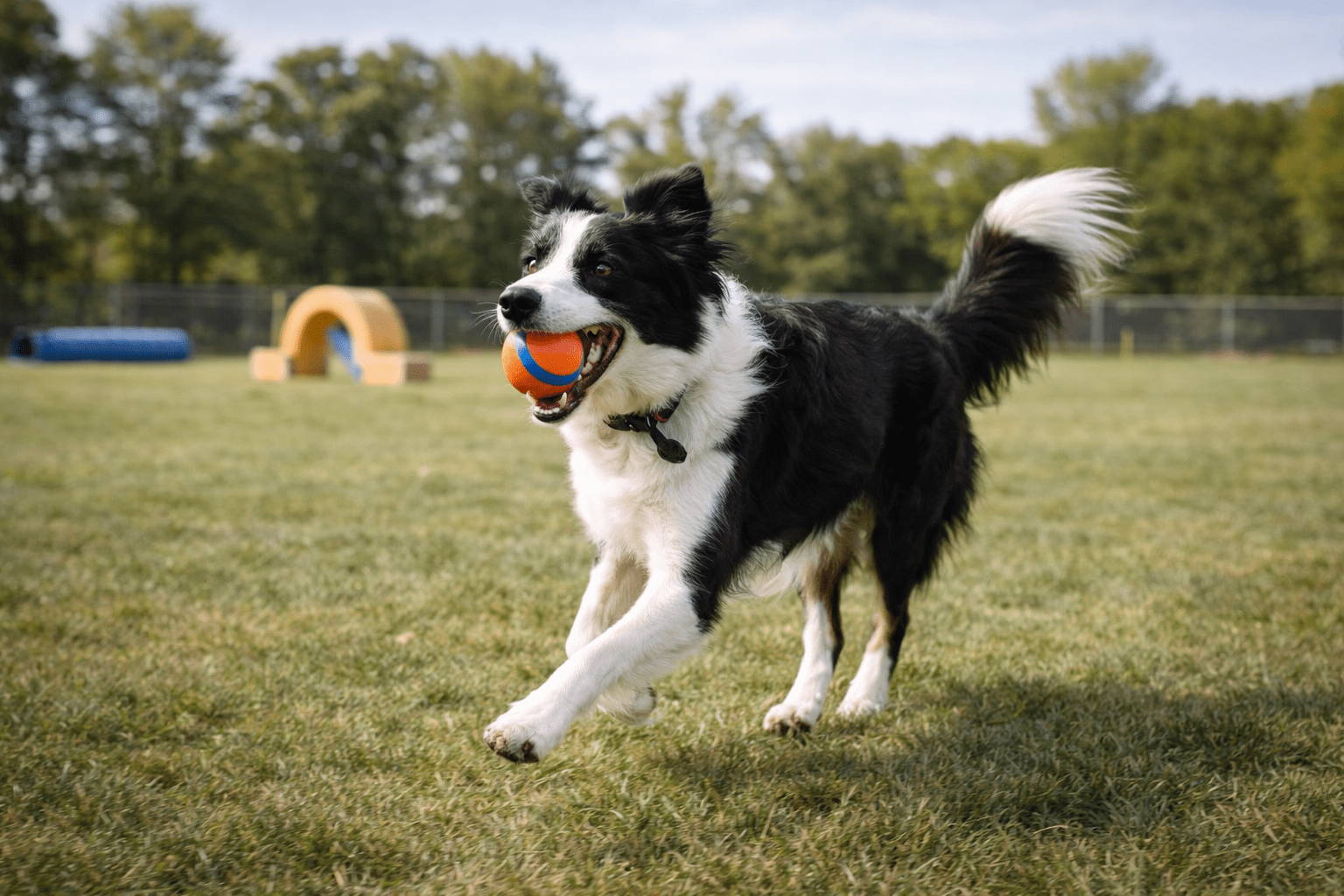
Many tail chasing problems disappear when dogs get more physical activity. A tired dog is less likely to engage in repetitive behaviors from boredom.
Aim for at least 30-60 minutes of exercise daily, depending on your dog’s breed, age, and energy level. This could be walks, running, fetch, or swimming.
Mental exercise is just as important as physical. Puzzle toys, training sessions, scent games, and learning new tricks keep your dog’s brain busy.
When your dog has appropriate outlets for their energy and intelligence, they don’t need to create their own entertainment by chasing their tail.
Training and Redirection Techniques
Teaching your dog alternative behaviors gives them something else to do instead of spinning. Train a strong “leave it” or “stop” command that interrupts the tail chasing.
Redirect your dog to a toy, game, or trick before they start chasing. If you can catch them before they begin spinning, you can prevent the behavior from starting.
Never punish tail chasing. This can increase anxiety and make compulsive behaviors worse. Instead, ignore the behavior completely or calmly redirect to something positive.
Reward your dog heavily when they choose not to chase their tail. If they start to spin but stop on their own or when you ask, give treats and praise.
If you’re struggling with behavior modification, exploring effective ways to train dogs can provide structured approaches that work.
When to Seek Professional Help
Some tail chasing requires expert intervention. A veterinarian should be your first stop if you suspect medical issues.
Your vet can check for parasites, skin conditions, anal gland problems, or neurological issues. They might recommend medication if anxiety or compulsive disorder is the cause.
A professional dog trainer or behaviorist can help with training-based solutions. They’ll assess why your dog chases their tail and create a customized plan to address it.

If your dog has developed a true compulsive disorder, you might need both medical and behavioral intervention. These cases require patience and often long-term management.
Don’t wait to seek help if the behavior is causing injury, distress, or significantly impacting your dog’s quality of life. Early intervention prevents the behavior from becoming more ingrained.
For comprehensive behavioral support, consider board and train Long Island programs that address complex issues in a structured environment.
Understanding the Circle: What Tail Chasing Reveals About Your Dog
Now you know why do dogs chase their tails and can spot the difference between playful spinning and a behavior that needs attention. Most tail chasing is harmless fun or a sign your dog needs more exercise and engagement.
The key is paying attention to frequency, intensity, and whether your dog can easily stop. If tail chasing becomes obsessive, causes injury, or seems to distress your dog, it’s time to take action.
Whether the solution is more playtime, training adjustments, or veterinary care, addressing tail chasing improves your dog’s overall wellbeing and happiness. Remember that persistent or concerning behaviors often need professional guidance to resolve effectively.
K9 Mania Dog Training is the leading board and train provider on Long Island, helping dog owners address behavioral challenges of all kinds. From tail chasing and anxiety to aggression and obedience issues, our expert trainers can help you and your dog succeed. Trust K9 Mania Dog Training to provide the guidance and support your dog needs. Visit our website today to learn how we can help.
Curious about other aspects of dog behavior and training? Check out is private dog training worth it to explore your training options.
You May Also Want to Read
- Why Is My Dog So Clingy? Understanding and Managing Velcro Dog Behavior
- Why Do Dogs Stretch? Understanding Your Dog’s Body Language
- Why Do Dogs Sniff Your Crotch? Understanding Canine Behavior
- Why Do Dogs Put Their Paw on You? Understanding This Common Behavior
Frequently Asked Questions
What does it mean when my dog chases her tail?
When your dog chases her tail, it usually means she’s playing, bored, or seeking attention. Puppies often discover their tails and chase them out of curiosity and playfulness. Adult dogs might do it when they need more exercise or mental stimulation. However, it can also signal medical issues like parasites, skin irritation, or anal gland problems. If the behavior is frequent or obsessive, it could indicate anxiety or a compulsive disorder that needs professional evaluation.
Why do dogs bite their tails and spin?
Dogs bite their tails and spin for several reasons, ranging from normal to concerning. They might be trying to scratch an itch caused by fleas, allergies, or skin conditions. Some dogs develop this as attention-seeking behavior or a coping mechanism for stress and anxiety. In certain cases, neurological problems or compulsive disorders drive the spinning and biting. If your dog is causing injuries, can’t stop when redirected, or seems distressed while doing it, consult your veterinarian to rule out medical causes.
What breed of dog chases its tail?
Bull Terriers are especially known for tail chasing and can develop it into a compulsive behavior. German Shepherds, Australian Cattle Dogs, Border Collies, and other herding breeds also show higher rates of tail chasing due to their strong chase instincts and high energy levels. Terrier breeds with strong prey drives may spin after their tails more frequently. However, any breed can chase their tail, and puppies of all breeds commonly do it as part of normal play and exploration.
At what age do dogs stop chasing their tails?
Most puppies naturally reduce tail chasing as they mature, typically between 6 months to 1 year old. As dogs grow, they become less interested in their tails and find other activities more engaging. However, some dogs continue the behavior into adulthood if it becomes a learned habit, especially if they were rewarded with attention for it. If an adult dog suddenly starts chasing their tail frequently after never doing it before, this usually indicates a medical or behavioral issue rather than normal developmental behavior.
Do dogs grow out of chasing their tails?
Yes, most dogs grow out of tail chasing as they mature from puppyhood to adulthood. The behavior typically decreases naturally as dogs develop better coordination, discover more interesting activities, and receive proper exercise and mental stimulation. However, dogs won’t outgrow tail chasing if it becomes a compulsive disorder, attention-seeking behavior, or is caused by medical issues. In these cases, the behavior often intensifies over time without intervention. Providing adequate exercise, training, and addressing any underlying health problems helps ensure dogs leave this behavior behind.
Is it OK to let a dog chase its tail?
Occasional tail chasing is OK and usually harmless, especially in puppies who are playing and exploring. However, you should not encourage or reward the behavior with attention, as this can reinforce it. If your dog chases their tail multiple times daily, seems unable to stop, or is causing injuries, you should intervene. The behavior becomes problematic when it’s obsessive, interferes with normal activities, or stems from medical issues. In these cases, ignoring it or allowing it to continue can make the problem worse and may delay necessary treatment.