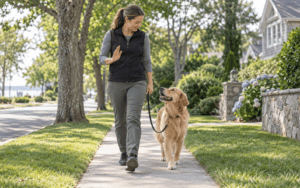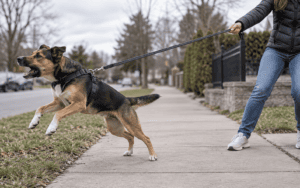
Why is my dog acting scared? Sudden fear behavior in dogs usually stems from medical issues like pain or illness, environmental changes, past trauma, or sensory triggers like loud noises. Identifying the root cause helps you address the problem and restore your dog’s confidence.
If your normally confident pup is suddenly cowering, trembling, or hiding, it can be really worrying. Fear behavior doesn’t always mean something terrible happened. Sometimes it’s a health issue you can’t see, or a small change in routine that throws them off balance.
In this guide, we’ll walk through the most common reasons dogs develop sudden fear, how to spot the difference between normal caution and serious anxiety, and what you can do to help your dog feel safe again.
Need professional help with fearful behavior? Our in-home dog training works with anxious dogs right where they feel most comfortable.
Understanding a Scared Dog
Dogs experience fear just like we do, but they can’t tell us what’s wrong. Instead, they show it through their body language and behavior. Recognizing these signs early helps you figure out whether your dog needs medical attention, training support, or just some extra patience.
Normal vs Abnormal Fear Responses
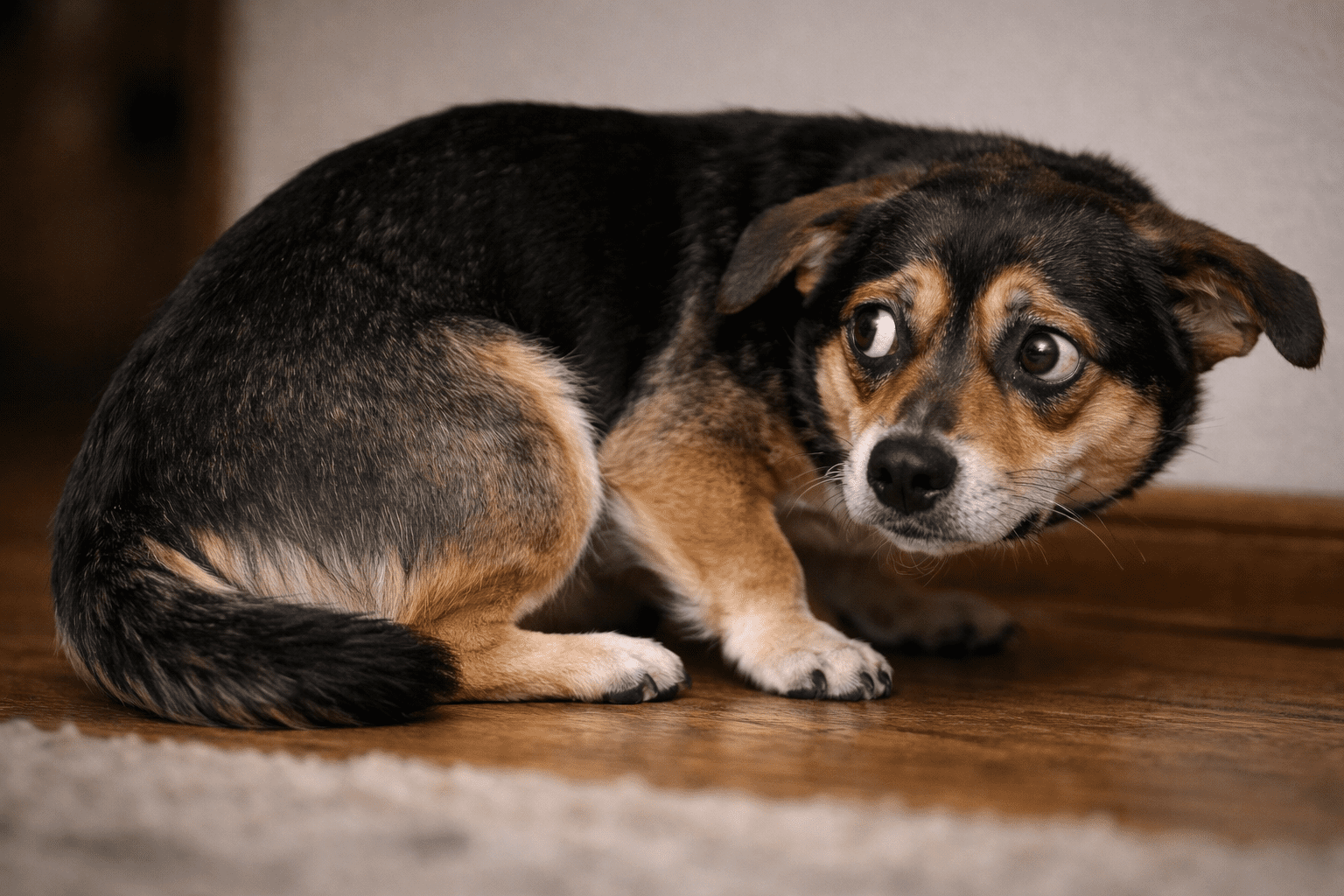
Every dog feels scared sometimes. A sudden loud noise, an unfamiliar person, or a trip to the vet can trigger normal, temporary fear. Your dog might flatten their ears, tuck their tail, or move away from whatever spooked them. This kind of reaction usually passes quickly once the trigger is gone.
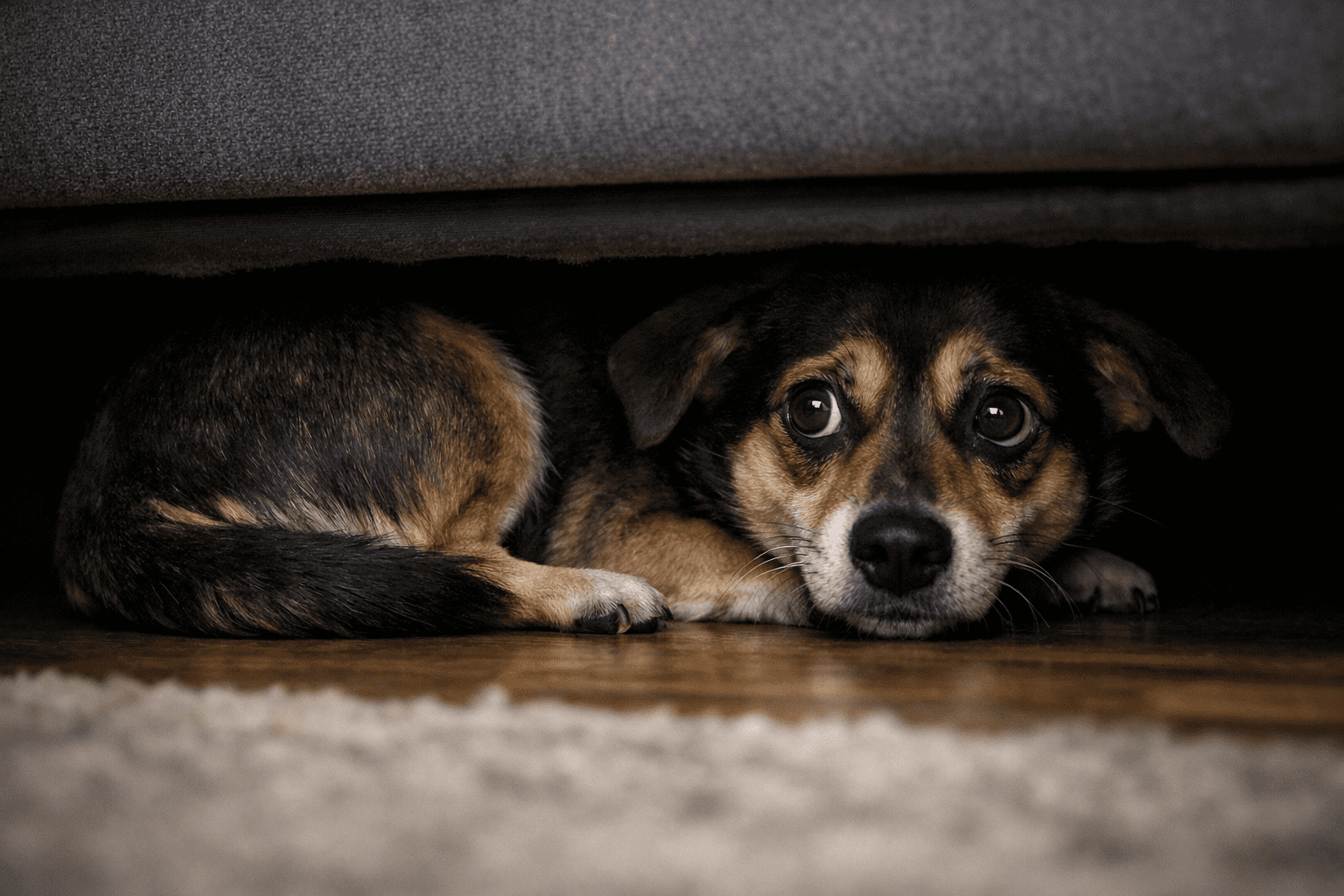
Abnormal fear is different. It lasts longer, happens without clear triggers, or gets worse over time. If your dog is constantly on edge, refuses to go outside, or hides for hours after a normal event, something deeper is going on.
Watch for these warning signs:
- Trembling or shaking that doesn’t stop
- Refusing food or water for extended periods
- Aggressive reactions when approached
- Compulsive behaviors like excessive licking or pacing
- Complete withdrawal from family activities
The key difference is duration and intensity. Normal fear fades. Abnormal fear sticks around or escalates.
When Fear Signals a Serious Problem
Sometimes fear behavior points to an urgent health issue. Dogs can’t always show pain the way we expect, so they act scared or withdrawn instead.
If your dog’s fear comes on suddenly and they’re also showing physical symptoms like limping, vomiting, loss of appetite, or changes in bathroom habits, get to a vet right away. These combinations often indicate pain, internal problems, or neurological issues that need immediate care.
Age matters too. Senior dogs developing new fears might be experiencing cognitive decline or chronic pain conditions. Puppies going through fear periods need different support than adult dogs with sudden behavioral changes.
Trust your gut. If your dog’s fear feels different or extreme compared to their usual personality, don’t wait to seek help.
Common Medical Reasons Your Dog Acts Scared
Physical health problems often show up as behavioral changes first. When dogs feel pain or illness, they can’t explain what hurts, so they withdraw, hide, or act fearful instead.
Pain and Illness
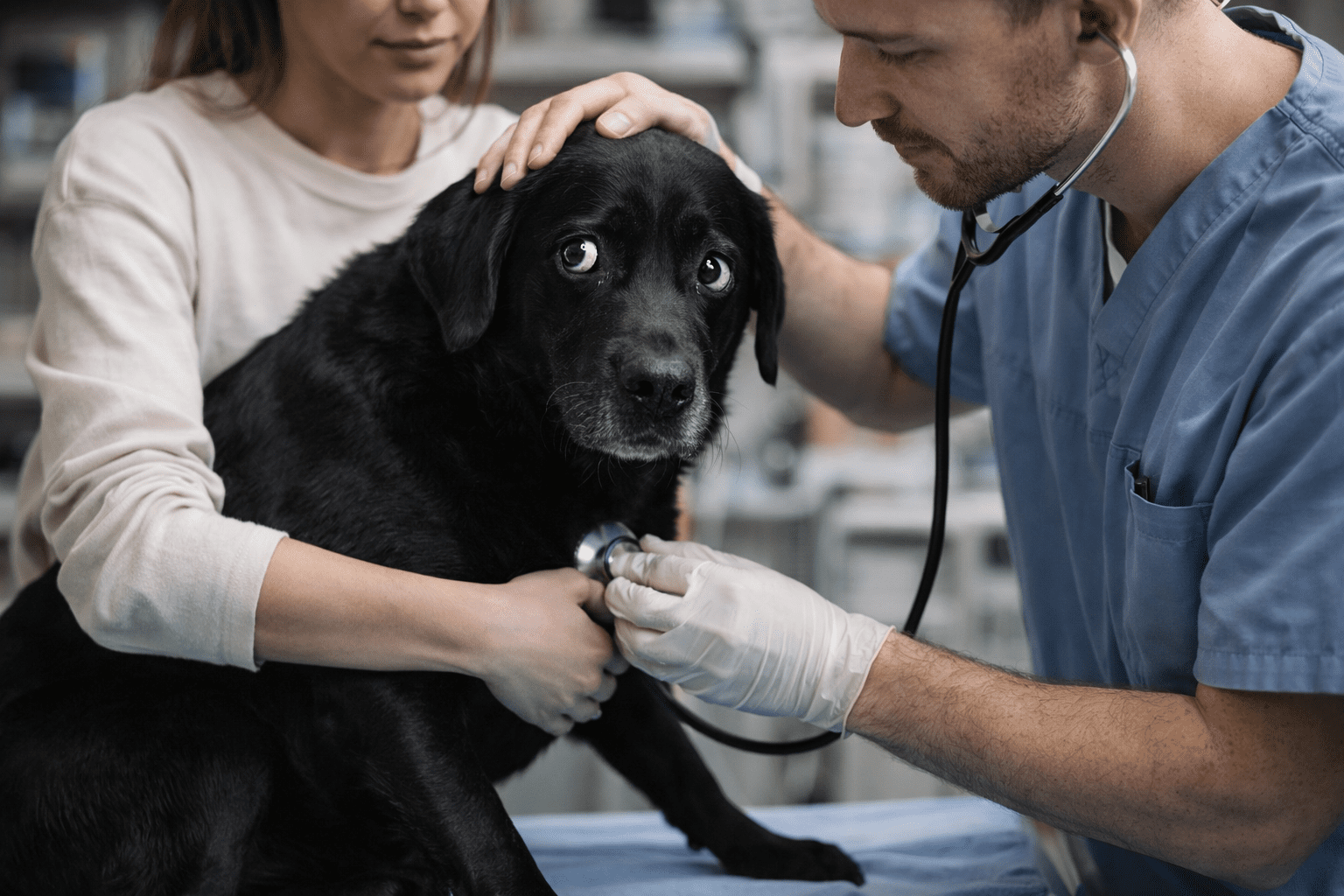
Pain changes everything about how a dog experiences the world. A dog dealing with an ear infection might become head-shy and fearful of being touched. Joint pain can make them hesitant to move or react defensively when approached.
Common painful conditions that cause fear behavior include:
- Dental disease or tooth pain
- Arthritis and joint inflammation
- Ear infections or foreign objects in the ear
- Digestive issues like pancreatitis or bloat
- Urinary tract infections or bladder stones
- Skin conditions causing constant discomfort
Dogs often hide pain as an instinct from their wild ancestors. By the time fear behavior appears, they might be hurting quite a bit. Look for subtle clues like reluctance to climb stairs, changes in sleeping position, or sensitivity to being picked up.
Illness affects behavior too. A dog fighting an infection or dealing with organ problems might seem scared because they genuinely feel vulnerable and unwell. Hormonal imbalances, thyroid issues, and even vitamin deficiencies can trigger anxiety-like symptoms.
Neurological Issues
Brain and nervous system problems can cause dramatic behavioral shifts. A dog developing a neurological condition might suddenly seem scared of familiar things or show confusion in routine situations.
Seizures don’t always look like full-body convulsions. Partial seizures can cause moments of fear, disorientation, or strange behavior that seem to come from nowhere. Dogs might act terrified right before, during, or after these episodes.
Cognitive dysfunction in older dogs works similarly to dementia in people. Your senior dog might get lost in familiar rooms, forget learned behaviors, or show fear in situations that never bothered them before.
Vestibular disease affects balance and spatial awareness. Dogs with this condition often act extremely fearful because the world literally feels like it’s spinning. They might refuse to walk, lean heavily to one side, or show rapid eye movements along with their fear.
Here’s how medical and environmental fears typically differ:
| Medical Fear Triggers | Environmental Fear Triggers |
| Sudden onset with no clear external cause | Tied to specific locations, people, or events |
| Often accompanied by physical symptoms | Physical health remains normal |
| Doesn’t improve with behavior modification alone | Responds to desensitization and counter-conditioning |
| May worsen at certain times (morning stiffness, evening sundowning) | Consistent reaction to the same triggers |
| Dog seems confused or disoriented | Dog shows clear avoidance of specific things |
If you suspect a medical cause, write down everything you notice: when the fear started, what else changed, any physical symptoms, and whether certain times of day are worse. This information helps your vet diagnose the problem faster.
Environmental and Behavioral Triggers
Not all fear comes from inside your dog’s body. External factors like changes at home, past experiences, or sensory overload can turn a confident dog into a scared one.
Changes in the Home
Dogs thrive on routine and predictability. When their environment shifts, even in small ways, some dogs react with fear or anxiety. A new piece of furniture might block their usual path. Different work schedules could leave them alone at unfamiliar times.
Big changes hit harder. Moving to a new house, bringing home a baby, or adding another pet can overwhelm a sensitive dog. Construction noise from nearby homes, new neighbors with loud dogs, or changes in your household dynamics all register as potential threats to anxious dogs.
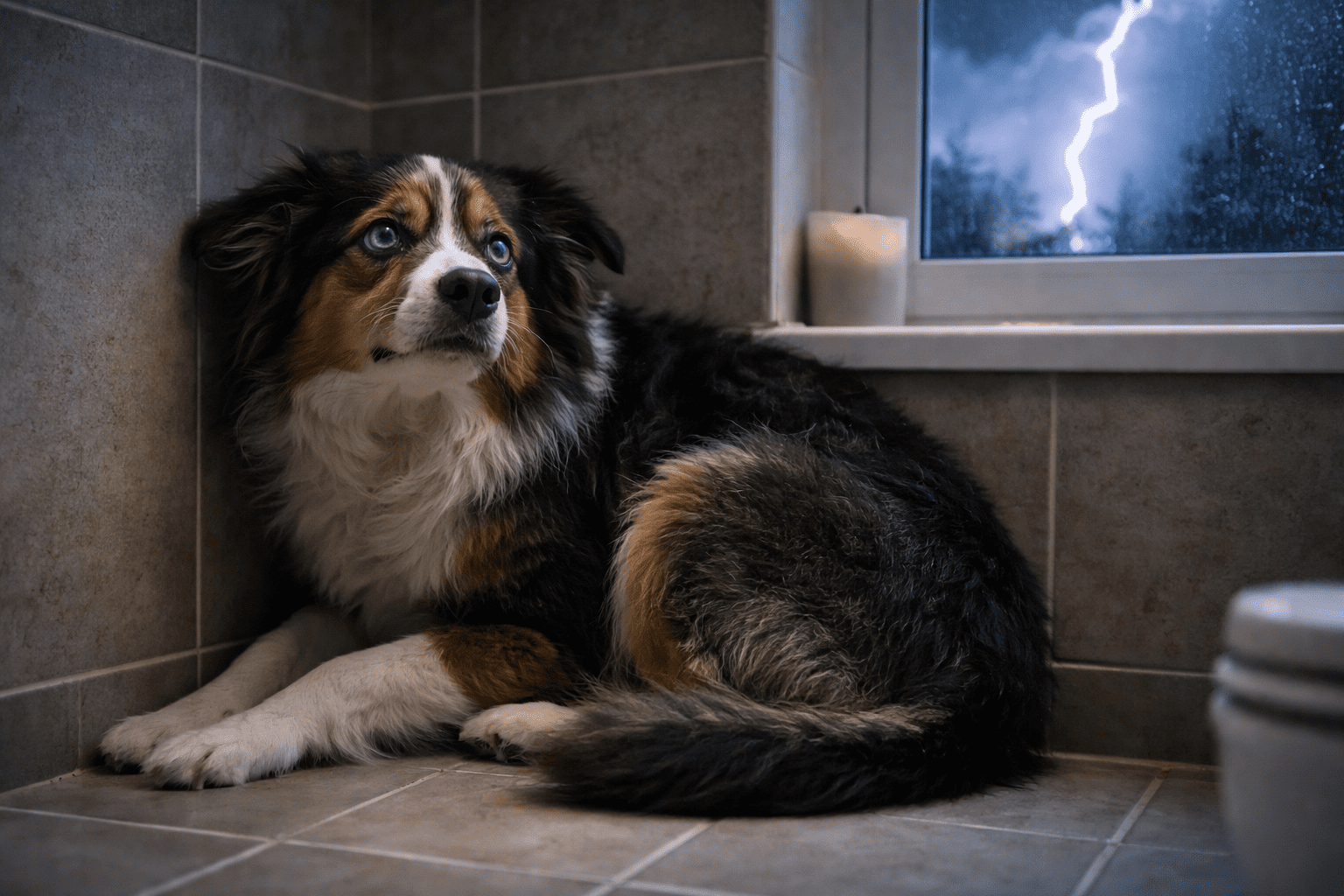
Seasonal changes matter too. Winter darkness, summer thunderstorms, or fall fireworks can trigger fear in dogs with noise sensitivities.
Past Trauma and Negative Experiences
One bad experience can create lasting fear, especially during a dog’s critical development periods. A puppy scared by a vacuum at eight weeks old might fear similar sounds for life without proper rehabilitation.
Rescue dogs often carry invisible baggage from their previous situations. You might never know exactly what happened to them, but certain triggers reveal past trauma. A dog who panics around men might have been mistreated by a male owner. One who freezes at the sight of a crate could have been confined improperly.
Sometimes dogs make unexpected associations. A dog who got sick after eating might fear their food bowl. One who experienced pain at the vet might become terrified of car rides because that’s how they got there.
If you’re concerned your dog experienced trauma at a boarding facility, check our guide on signs of bad dog boarding to know what to watch for.
Sensory Sensitivities
Some dogs simply process the world more intensely than others. Sounds, smells, and visual stimuli that most dogs ignore can overwhelm sensitive pups. This isn’t a choice or a training issue—it’s how their nervous system works.
Sound sensitivity is incredibly common. Thunder, fireworks, construction noise, and even high-pitched appliance sounds can send fearful dogs into panic mode. The fear often gets worse over time if not addressed, a process called sensitization.
Visual triggers affect some dogs more than others. Flashing lights, moving shadows, reflections on water or windows, or even someone wearing a hat might spark fear in a visually sensitive dog.
Smell plays a huge role in how dogs experience their environment. Strong chemical odors from cleaning products, smoke, or perfumes can be genuinely unpleasant or frightening to dogs with sensitive noses.
Dogs can also develop sudden fears during specific life stages. Adolescent dogs often go through a second fear period around 6-18 months where they become wary of things that never bothered them before.
How to Help a Scared Dog
Once you’ve identified why my dog is acting scared, you can start helping them feel safe again. The approach depends on whether you’re dealing with an immediate crisis or working on long-term confidence building.
Immediate Steps to Take
When your dog is in the middle of a fear episode, your first job is to create safety without reinforcing the fear. Move your dog to a quiet, familiar space away from whatever triggered them. This might be their crate, a bedroom, or any area where they typically feel secure.
Stay calm yourself. Dogs pick up on human emotions incredibly well. If you act anxious or worried, you confirm their fear is justified. Speak in a normal, relaxed tone and avoid excessive comforting, which can actually reward scared behavior.
Don’t force interaction. Let your dog come to you when they’re ready. Forcing a scared dog into a situation or demanding they face their fear often backfires and makes things worse.
Provide physical comfort if your dog seeks it, but keep it low-key. Gentle pressure from a calming wrap or just sitting quietly near them can help. Some dogs prefer to be left alone completely—respect their choice.
Remove the trigger if possible. Turn off the vacuum, close the curtains during a storm, or redirect people who are approaching too quickly.
Long-Term Solutions
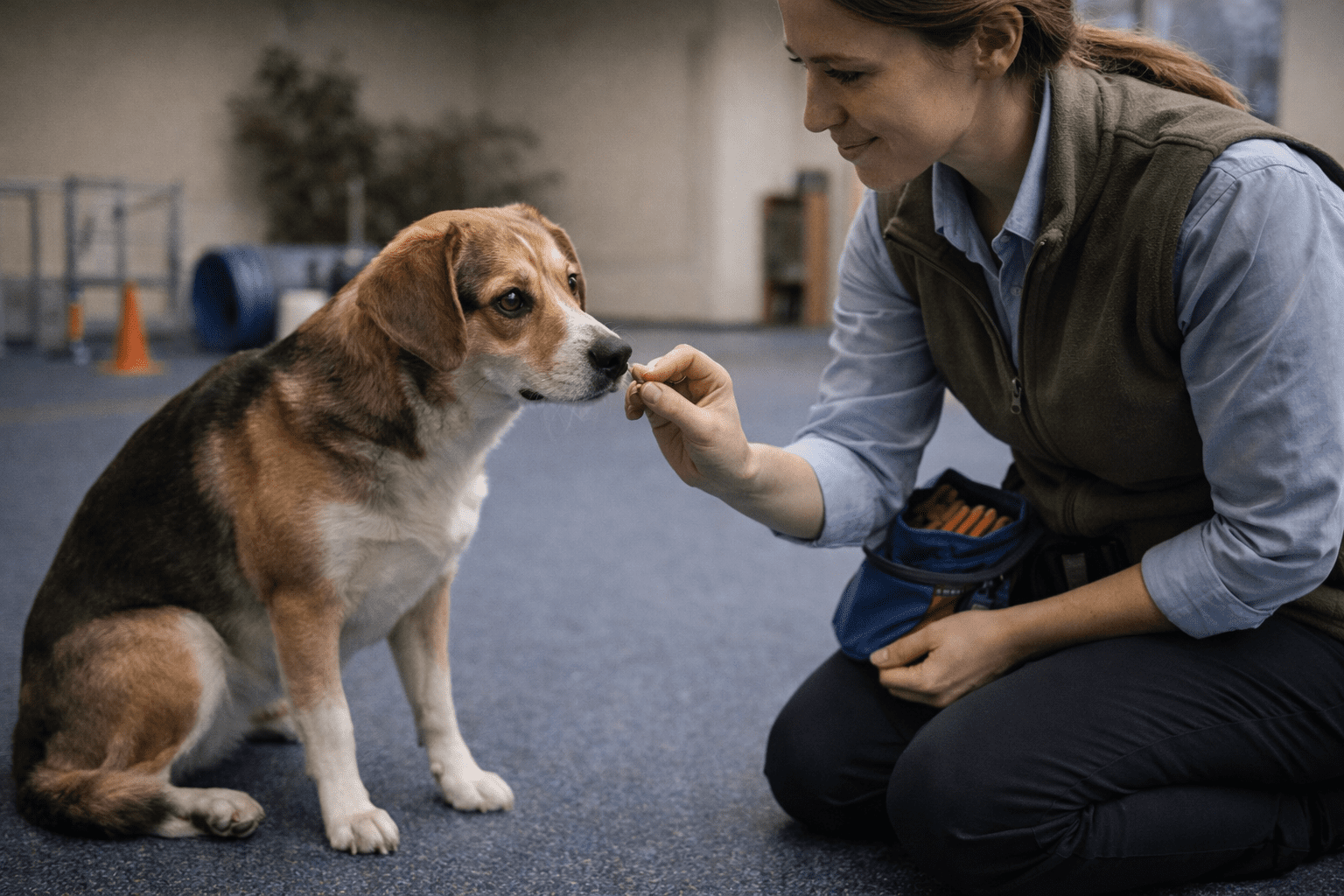
Building confidence takes time. The most effective approach is gradual exposure paired with positive experiences. This means introducing your dog to scary things at a distance or intensity they can handle, then rewarding calm behavior.
Counter-conditioning changes how your dog feels about triggers. If thunderstorms scare them, start playing storm sounds at barely audible levels while offering high-value treats. Over weeks and months, gradually increase volume while maintaining positive associations.
Routine provides security for anxious dogs. Feed at the same time, walk the same routes, and maintain consistent rules. Predictability reduces overall stress levels, making it easier for your dog to handle unexpected situations.
Exercise matters more than most people realize. A physically tired dog has less energy to devote to anxiety. Mental stimulation through puzzle toys, scent work, or training sessions helps too.
Consider your dog’s specific needs when planning solutions:
| Quick Solutions | Professional Training Approaches |
| Creating a safe space at home | Systematic desensitization programs |
| Using calming aids or supplements | Behavior modification protocols |
| Maintaining consistent routines | Counter-conditioning techniques |
| Providing adequate exercise | Addressing underlying reactivity patterns |
| Removing known triggers when possible | Building confidence through structured training |
| Playing calming music or white noise | Working through fear periods with expert guidance |
For dogs with reactivity issues that show up as fear, our article on reactive dog training steps offers a structured approach to building better responses.
Socialization helps, but only when done correctly. Throwing a fearful dog into overwhelming situations makes things worse. Instead, expose them to new experiences at their own pace, always below their fear threshold.
Training builds confidence naturally. Teaching new skills and rewarding success gives your dog a sense of accomplishment. Basic obedience in a positive training environment shows them they can handle challenges and that you’re a reliable guide.
When to Seek Professional Help
Some fear problems need expert intervention. If you’ve tried basic management and your dog’s fear isn’t improving or is getting worse, it’s time to bring in professionals who specialize in behavior issues.

Contact a certified dog trainer or veterinary behaviorist if your dog shows extreme fear that prevents normal activities like eating, walking, or interacting with family. Fear aggression—when scared dogs bite or snap—requires immediate professional help before someone gets hurt.
Dogs experiencing what looks like panic attacks need professional evaluation. Read our guide on can dogs have panic attacks to understand these intense fear episodes and when they indicate a serious problem.
Medication might be necessary for severe cases. Anti-anxiety medications or supplements prescribed by a vet can help some dogs enough that they can actually participate in behavior modification training. Medication isn’t a cure by itself, but it can be a useful tool alongside proper training.
Programs like board and train Long Island offer intensive help for dogs with serious fear or anxiety issues. These programs combine professional training with a structured environment, often producing faster results than working on the problem at home alone.
Wrapping Up: Understanding Why Is My Dog Acting Scared
Understanding why is my dog acting scared starts with ruling out medical issues, then identifying environmental or behavioral triggers. Most scared dogs can recover with the right combination of patience, training, and professional support when needed.
Your dog’s fear isn’t a reflection of you as an owner. Some dogs are simply more sensitive than others, and fear can develop even in the best homes. What matters is how you respond and what steps you take to help your dog feel secure again.
Don’t wait for fear to resolve itself. Without intervention, fear often gets worse as dogs practice anxious behaviors and build stronger negative associations. Early action prevents small worries from becoming major behavioral problems.
At K9 Mania Dog Training, we specialize in helping anxious and fearful dogs build confidence through proven training methods. Our dog boarding camp and board and train programs provide the structured environment nervous dogs need to thrive. Whether your dog needs basic confidence building or serious behavior rehabilitation, our experienced team can help. Visit our website to learn how we can support you and your scared pup.
You May Also Want to Read
- Can Dogs Have Panic Attacks? Signs, Triggers, and How to Help
- Crate Training a Dog with Separation Anxiety
- Signs of Bad Dog Boarding
- How to Train Your Dog to Stay Home Alone: A Complete Guide
Frequently Asked Questions
Why is my dog suddenly acting out?
Sudden behavior changes often signal pain, illness, or a stressful event you might not have noticed. Medical issues like infections, injuries, or hormonal imbalances can cause acting out. Environmental changes, even small ones like new furniture or different schedules, might also trigger unusual behavior. If the acting out includes fear or aggression, consult your vet to rule out health problems first.
How do I tell if my dog isn’t feeling well?
Sick dogs often show subtle signs before obvious symptoms appear. Watch for decreased appetite, changes in water consumption, lethargy, hiding, reluctance to move, unusual vocalizations, or changes in bathroom habits. Behavioral shifts like increased clinginess or avoiding interaction can also indicate illness. Dogs feeling unwell might also pant excessively, have dull eyes, or show changes in posture.
Why is my dog panicking for no reason all of a sudden?
What looks like no reason to you might be a trigger your dog senses but you don’t. Dogs can hear frequencies and smell things humans miss completely. Sudden panic can result from pain, neurological issues, past trauma being triggered, or anxiety disorders. If panic episodes repeat, keep a detailed log of when they happen to identify patterns your vet or trainer can use.
When should I worry about dog fear?
Worry when fear prevents normal activities, gets worse over time, or comes with physical symptoms. Fear that causes aggression, self-harm, or extreme withdrawal needs immediate professional attention. Also be concerned if your dog’s fear appeared suddenly in an adult or senior dog who was previously confident, as this often indicates underlying health issues.
What is a silent killer in dogs?
Several conditions can progress with minimal symptoms until they’re serious. Bloat (gastric dilatation-volvulus) can kill within hours but starts with restlessness and failed vomiting attempts. Hemangiosarcoma, an aggressive cancer, often shows no signs until internal bleeding occurs. Heart disease, kidney failure, and some poisonings can also advance quietly. Regular vet checkups catch many silent problems early.
What are the first signs of brain tumors in dogs?
Early brain tumor signs include behavior changes like new-onset fear, confusion, or personality shifts. Dogs might have seizures, develop vision problems, walk in circles, or show head tilting and loss of balance. Appetite changes, sleeping more than usual, and losing house training can also indicate neurological problems. Any sudden cognitive or behavioral change in older dogs warrants a vet visit.