Summary:
Essential Qualifications Every Professional In-Home Dog Trainer Should Have
Professional credentials matter more than most people realize. Look for trainers certified through recognized organizations like the Certification Council for Professional Dog Trainers (CCPDT) or similar accrediting bodies. These certifications require ongoing education and adherence to professional standards.
Experience with your specific issues is equally important. A trainer who specializes in basic obedience might not be equipped to handle serious behavioral problems like aggression or severe anxiety. Ask about their track record with cases similar to yours.
Insurance and bonding provide crucial protection. Professional trainers carry liability insurance and are bonded against potential damages. If they can’t provide proof of coverage, that’s a red flag you can’t ignore.
How to Verify a Trainer's Real-World Experience in the Bronx
Experience in the Bronx specifically matters because urban dog training presents unique challenges. Your dog needs to handle busy streets, crowded sidewalks, other dogs in close quarters, and the constant stimulation of city life. A trainer who’s only worked in suburban settings might miss these crucial elements.
Ask for references from recent clients in your area. Professional trainers should readily provide contact information for satisfied customers. When you call these references, ask specific questions: Did the trainer arrive on time? Were they professional in your home? Most importantly, did the training actually work long-term?
Look for trainers who demonstrate ongoing education. The best professionals attend workshops, pursue advanced certifications, and stay current with evolving training methods. Dog behavior science continues to advance, and your trainer should advance with it.
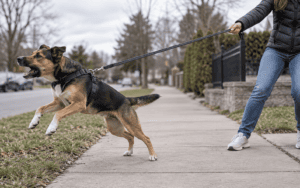
Request details about their approach to common Bronx-specific challenges. How do they handle dogs who are reactive to sirens, construction noise, or heavy foot traffic? Their answers will reveal whether they truly understand urban dog training or are just winging it.
Check their local reputation through online reviews, but read between the lines. Look for reviews that mention specific behavioral improvements and long-term success, not just generic praise. Pay attention to how trainers respond to any negative feedback—professional, thoughtful responses indicate maturity and accountability.
Training Methods That Actually Work in Home Environments
Effective in-home trainers use balanced approaches tailored to individual dogs rather than one-size-fits-all methods. They should be able to explain why certain techniques work for your specific situation and dog’s personality. Avoid trainers who insist their way is the only way—that’s usually a sign of limited experience or rigid thinking.
The best trainers focus on teaching you, not just your dog. Your session should involve extensive owner education because you’ll be implementing the training daily after they leave. If a trainer spends the entire session working with your dog while you watch from the sidelines, you’re not getting full value.
Look for trainers who address environmental factors in your home. They should notice things like where your dog sleeps, how your family interacts with the dog, and what might be triggering problematic behaviors. This environmental awareness is what separates true professionals from basic obedience instructors.
Realistic timelines indicate professional honesty. Be wary of trainers who promise overnight transformations or guarantee specific outcomes. Legitimate professionals will give you honest assessments of what’s achievable and approximately how long it might take, based on your dog’s specific issues and your commitment to follow through.
Flexibility in scheduling and approach shows they understand real life in the Bronx. Your trainer should work around your schedule and adapt their methods if something isn’t working. Rigid trainers who can’t adjust their approach when needed often leave clients frustrated and dogs unchanged.
Red Flags That Signal You Should Keep Looking
Some warning signs are immediate deal-breakers. Trainers who guarantee specific results, promise overnight fixes, or claim their method works for every dog are either inexperienced or dishonest. Real dog training involves too many variables for absolute guarantees.
Unprofessional behavior during initial consultations reveals how they’ll handle your actual training sessions. Late arrivals, unprepared presentations, or inability to answer basic questions about their methods indicate deeper problems.
Pricing that seems too good to be true usually is. Quality in-home training requires skill, experience, and time. Extremely low prices often mean corners are being cut somewhere—usually in the trainer’s qualifications or the depth of service provided.
Warning Signs During Initial Consultations
Pay attention to how potential trainers interact with your dog during the first meeting. Professional trainers should observe your dog’s behavior carefully before making any training recommendations. They shouldn’t immediately start handling your dog or making bold claims about quick fixes.
Listen for trainers who blame you for your dog’s problems or make you feel guilty about past training attempts. Professional trainers understand that most behavioral issues develop for complex reasons, and shaming clients isn’t productive or professional.
Be cautious of trainers who seem more interested in selling you packages than understanding your specific situation. The best trainers ask detailed questions about your dog’s history, current behaviors, your living situation, and your training goals before suggesting any program.
Watch out for trainers who can’t explain their methods in terms you understand. If they use lots of jargon without explaining what it means for your situation, they might not truly understand what they’re doing. Good trainers can break down complex concepts into practical, actionable steps.
Red flag trainers often make unrealistic promises about timeline or results. They might claim they can fix aggression in one session or guarantee your reactive dog will be perfect within a week. Real behavioral change takes time and consistency, and honest trainers acknowledge this reality.
Questions Every Bronx Dog Owner Should Ask Before Hiring
Start with basic qualification questions: What certifications do you hold? How long have you been training dogs professionally? Can you provide references from recent clients in the Bronx? These aren’t trick questions—they’re basic professional standards.
Ask about their specific experience with your dog’s issues. If your dog is reactive to other dogs, ask how many reactive dogs they’ve successfully worked with and what their typical approach involves. General dog training experience doesn’t automatically translate to expertise with specific behavioral problems.
Inquire about their training philosophy and methods. A professional trainer should be able to explain their approach clearly and tell you why they believe it’s effective. They should also acknowledge that different dogs might need different approaches.
Discuss pricing structure and what’s included in their services. Professional trainers should provide clear information about session length, number of sessions typically needed, what happens if you need additional help, and their policy on follow-up support.
Ask about their availability and scheduling flexibility. In-home training’s main advantage is convenience, so your trainer should work around your schedule within reason. If they can only work during times that don’t fit your life, the convenience factor disappears.
Find out about their experience with dogs similar to yours—same breed, age, and behavioral issues. While good trainers can work with various dogs, relevant experience often leads to faster, more effective results.
Making the Right Choice for Your Dog's Success in the Bronx
Finding the right in-home dog trainer in the Bronx, NY comes down to doing your homework upfront. Professional credentials, relevant experience, and a training approach that makes sense for your situation are non-negotiable basics. Trust your instincts during consultations—if something feels off, it probably is.
Remember that the cheapest option rarely delivers the best results, but the most expensive doesn’t guarantee success either. Focus on finding a trainer whose experience, methods, and personality align with your needs and your dog’s specific challenges.
The right trainer will transform not just your dog’s behavior, but your entire relationship with your dog. When you’re ready to make that investment, we at K9 Mania Dog Training bring proven expertise directly to your Bronx home, with customized training programs that address your specific challenges in the environment where they actually happen.