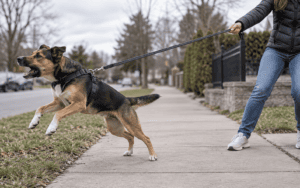

You’ve probably heard that socializing your dog is important, but did you know there’s a short time window where it’s most important? If you miss this period, your dog could develop issues that can last a life time, such as:
- Fear
- Aggression
- Anxiety
Let’s look at why early socialization is so important for your dog’s happiness.
Understanding the Critical Socialization Period and Its Impact on Dog Behavior
The best time to have your dog become used to socializing is between 3 and 14 weeks old. Everything they experience during this time becomes “normal” for the rest of their life. After 14 weeks, dogs become more cautious and harder to socialize.
Studies show that dogs who miss this period are more likely to develop behavior issues such as:
- Anxiety
- Fear
- Aggression
Most dogs with these problems never get the chance to become well-adjusted, but with early socialization, you can prevent it.
Dogs can become aggressive or fearful when faced with something new if they are not exposed to new things in a critical period of their lives. This can extend to:
- Different People
- Animals
- Places
Separation anxiety is another common problem that affects many dogs, but those who are socialized early learn how to handle being alone better.
How to Safely Socialize Your Dog During the Critical Period
Socializing your dog means making positive connections with the world. Give your dog a calm and positive experience with the world around them while exposing them to:
- Different Sights
- Unfamiliar Sounds
- New People
You can start this process at home with things such as:
- Introducing New Surfaces: Carpet, Wood, and Grass
- Hearing New Sounds: Vacuum or Doorbell
- Invite Different People To Visit: Kids, Older Adults, People Wearing Hats or Glasses
You don’t have to wait for full vaccinations to start. Experts recommend starting socialization at 7-8 weeks old.
Carry your dog in public spaces so they can observe without touching anything that might be dirty. You can also invite healthy dogs to your home or take short car rides to experience new sights and sounds.
Puppy socialization classes are another great way to safely introduce your dog to new experiences. Most classes only require your dog’s first round of vaccinations.
The risk of not having your dog be socialized is much greater than the risk of minor exposure to germs.
Building Your Dog’s Foundation for Lifelong Success
At K9 Mania Dog Training, we’ve found that dogs who are socialized early need less intense dog training and have fewer behavior problems later. The best approach is to combine early socialization with positive experiences in real-life situations, such as:
- Busy Streets
- Parks
- Different People
- New Animals
Keep track of your dog’s socialization checklist:
- Meet Different Types of People
- Introduction to New Types of Animals
- Experiencing New Environments
- Hearing New Sounds
- Feeling Different Textures
Help Make Your Dog’s Life In Public Spaces A Little Easier
Early socialization helps your dog thrive in the world. Dogs who are well-socialized at a young age grow up to be confident and adaptable. They handle new situations well and are a joy to be around.
Dogs with good early socialization also do well in advanced training and can even excel in therapy work. If you’re struggling with a dog who missed this important window, K9 Mania Dog Training can help your dog build the confidence and skills they need to succeed.