Summary:
Understanding Your Dog's Breed-Specific Training Needs
There are distinctive breed-typical personalities that have been developed through generations of selection for certain traits. By roughly grouping dogs according to the work they were bred to do, it is possible to determine the type of temperament a dog might have at maturity.
This genetic blueprint affects everything from how quickly your dog picks up commands to what motivates them during training sessions. Sporting dogs will generally be adventurous, following their noses wherever scents lead them, but will respond enthusiastically to calls from familiar humans. Hounds generally tend to be more aloof and independent, inclined to scout the territory on their own and follow a scent or a movement.
Your training approach should work with these instincts, not against them. A Border Collie’s need for mental stimulation requires different strategies than a Bulldog’s more laid-back learning style.
Working and Herding Breeds: Structure and Mental Stimulation
Working and herding dogs have more business-like dispositions. They tend to evaluate situations and set about their tasks. Collie puppies have been known to herd children, ducklings, or each other in an instinctive manifestation of their birthright.
These dogs thrive on having a job to do and clear expectations. German Shepherds, Border Collies, and Australian Cattle Dogs often excel with structured training programs that challenge their problem-solving abilities. They need consistent leadership and mental challenges that go beyond basic obedience.
Some breeds have high energy levels and require plenty of physical and mental stimulation. A bored dog can quickly become a mischievous one. Incorporate breed-specific activities and toys that cater to their needs, such as puzzle toys for intelligent breeds or scent games for hounds.
For working breeds, consider training methods that incorporate real-world scenarios. Practice commands during walks, use their natural alertness for advanced obedience, and provide outlets for their drive to work. These dogs often respond well to balanced training approaches that include both positive reinforcement and clear boundaries.
Board and train programs can be particularly effective for working breeds because they provide the intensive, structured environment these dogs crave. The controlled setting allows trainers to work through complex behavioral issues while building the foundation for advanced training.
Sporting and Hound Groups: Motivation and Independence
Sporting dogs like Labradors and Golden Retrievers are typically eager to please and food-motivated, making them excellent candidates for positive reinforcement training. Their natural enthusiasm means they often respond well to group classes and social training environments.
However, their excitement can sometimes work against them. These dogs benefit from training that helps them channel their energy productively. Focus on impulse control exercises, structured play, and using their natural retrieving instincts in training games.
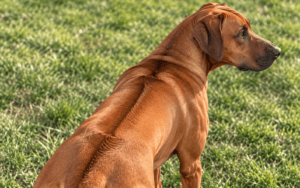
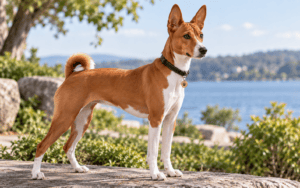
Hounds present a different challenge entirely. Hounds generally tend to be more aloof and independent, inclined to scout the territory on their own and follow a scent or a movement; they are not as interested in human interaction as the bird dogs are. This independence means traditional obedience training might feel forced or unnatural to them.
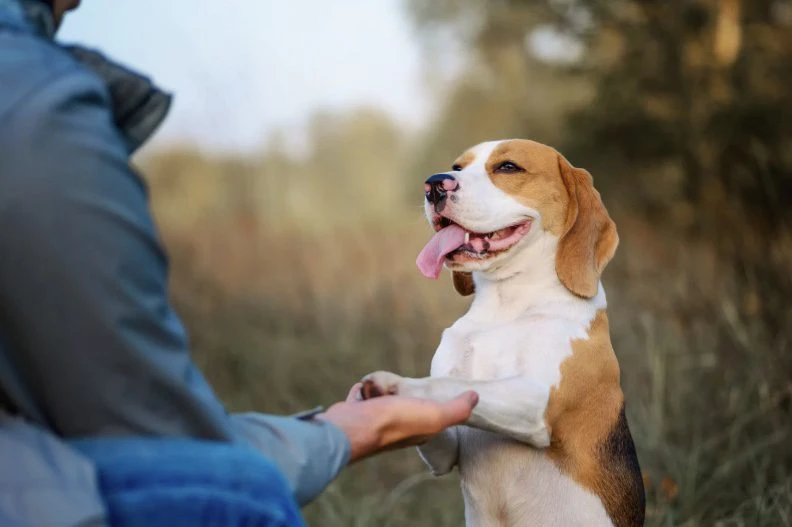
For hounds, success often comes from understanding that they’re negotiators, not followers. Use high-value rewards, keep sessions short and engaging, and work with their natural scenting abilities. Beagles and Bloodhounds might seem stubborn, but they’re actually just prioritizing different information than you are.
Each breed may have varying degrees of sociability and temperament. Socialization is crucial for all dogs but may need to be approached differently for different breeds. For example, socializing a friendly Labrador Retriever might involve playful interactions with various dogs, whereas socializing a Shih Tzu might focus on gradual exposure to new environments and stimuli.
The key with both sporting and hound groups is matching your training intensity to their natural energy levels and working with, rather than against, their inherent drives.
Assessing Your Individual Dog's Personality and Learning Style
While breed-specific traits provide insights into a dog’s behavior, it’s essential to remember that individual dogs within a breed can still vary significantly in temperament and personality. Avoid overgeneralizing stereotypes and tailor your training approach to your unique canine companion.
Even within the same breed, you’ll find confident dogs and anxious ones, quick learners and dogs who need more time, social butterflies and introverts. Your individual dog’s personality often matters more than their breed when determining the best training approach.
Watch how your dog responds to new situations, interacts with other dogs, and handles stress. These observations will guide you toward training methods that work with their natural temperament rather than fighting against it.
Identifying Confidence Levels and Stress Responses
Confident dogs typically bounce back quickly from corrections and are willing to try new things. They might benefit from more structured training with clear boundaries, as they’re likely to push limits if given the chance. These dogs often do well with balanced training approaches that include both rewards and appropriate corrections.
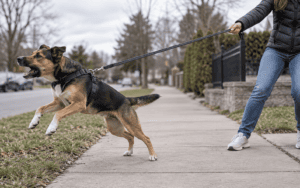
Anxious or sensitive dogs require a completely different approach. If your dog is anxiety-prone, alpha-based training should be avoided at all costs, as already anxious dogs can be absolutely terrified by more dominance-based methods. These dogs need patience, consistency, and lots of positive reinforcement to build their confidence.
Watch for stress signals during training: panting when it’s not hot, excessive drooling, trying to hide, or shutting down completely. If you see these signs, you’re pushing too hard or using methods that don’t match your dog’s personality.
We provide qualified help for fear, anxiety, reactivity, impulse control issues, aggression and much more. Our behavior programs are tailored to the individual needs of both you and your dog. As professional dog training New York experts, we can help you identify these subtle personality traits and adjust your approach accordingly.
For dogs with anxiety or fear-based behaviors, the goal isn’t just obedience—it’s building confidence and trust. This might mean slower progress initially, but the long-term results are often more solid and lasting.
Matching Training Methods to Learning Preferences
Some dogs are visual learners who pick up on hand signals quickly, while others respond better to verbal cues or physical guidance. Pay attention to how your dog naturally learns and communicate in their preferred “language.”
The data implies that the differences among individuals within breeds often exceed the breed averages in terms of trainability. The impact of individual characteristics and training methods employed appears to have a more considerable influence on trainability, despite the potential impact of breed-specific traits on certain behavioral aspects.
Food-motivated dogs often excel with positive reinforcement training, but don’t assume every dog is treat-driven. Some dogs are more motivated by play, praise, or the opportunity to perform specific behaviors they enjoy. The key is finding what makes your individual dog tick.
Utilizing positive reinforcement strategies, which concentrate on reinforcing desirable behaviors, can effectively improve trainability across various breeds, underscoring the significance of employing ethical and scientifically validated training approaches. Our findings highlight the importance of considering the individual dog’s disposition, educational background, and the trainer’s approach when evaluating trainability.
For dogs who seem “stubborn” or uninterested in training, the issue is usually a mismatch between training methods and the dog’s natural learning style. Professional dog training can help identify these preferences and adjust the approach accordingly.
Consider your dog’s attention span, energy levels throughout the day, and environmental preferences. Some dogs focus better in quiet spaces, while others actually perform better with mild distractions that keep them engaged.
Choosing the Right Professional Dog Training Approach
Embracing breed-specific dog training is a powerful tool for both dog owners and their furry companions. Recognizing and understanding the unique traits of each breed allows us to tailor our training methods to match their individual needs, unlocking their full potential and fostering a strong and healthy human-canine bond. By combining patience, positive reinforcement, and knowledge of breed-specific traits, you set your dog up for a lifetime of success and happiness.
The most effective training programs combine an understanding of breed tendencies with careful assessment of your individual dog’s personality and learning style. Whether you choose group classes, private sessions, or board and train programs, the key is finding professionals who recognize that every dog is unique.
For Long Island dog owners seeking expert guidance, we at K9 Mania Dog Training offer comprehensive programs designed around both breed-specific needs and individual personalities, helping you build the strong, trusting relationship you want with your dog.