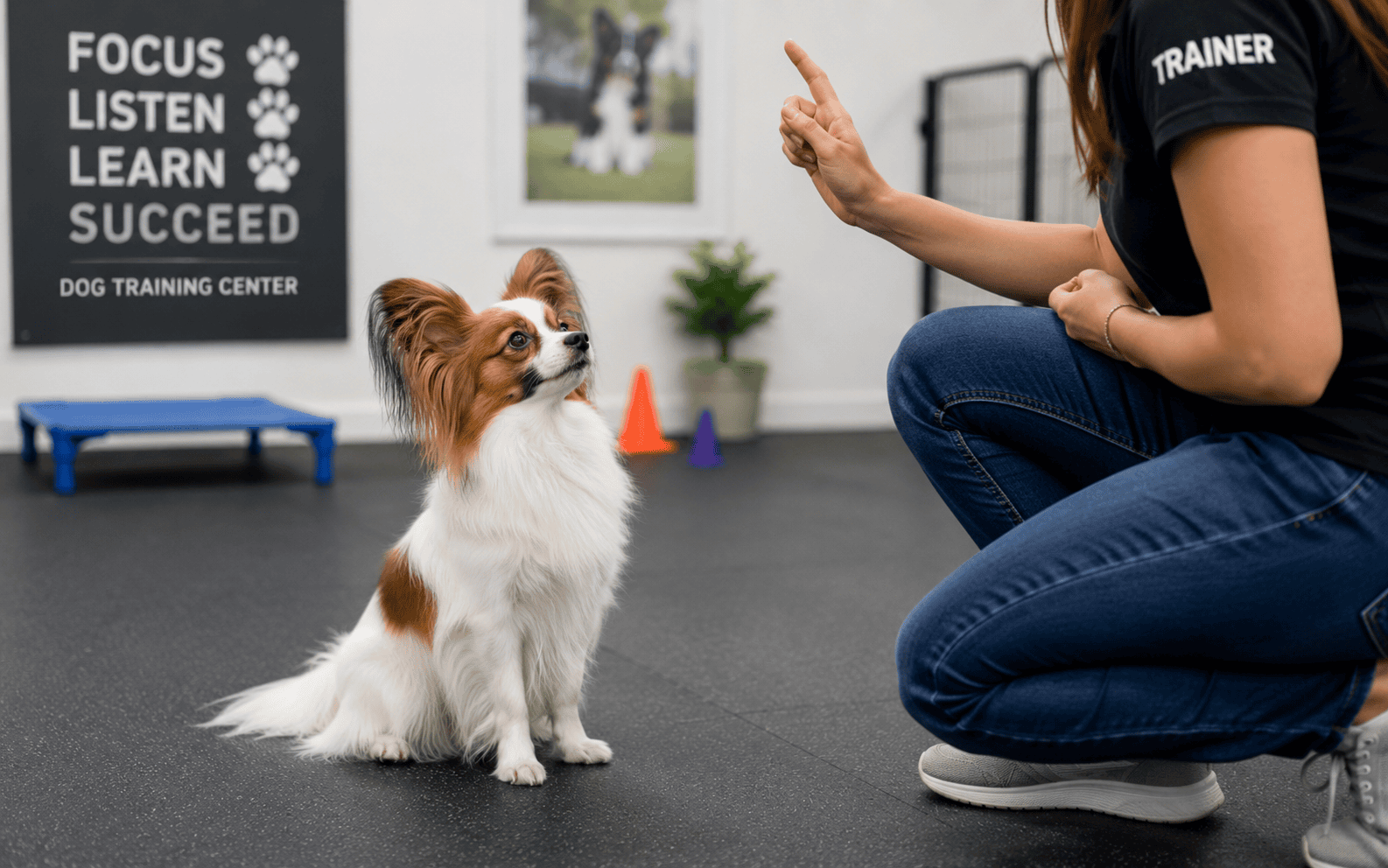
Papillon dogs are among the easiest breeds to train, thanks to their exceptional intelligence, eagerness to please, and high energy for learning. With the right approach, most Papillons can master basic commands within days and advanced tricks within weeks.
Key Takeaways
- Papillons rank in the top tier of canine intelligence and respond exceptionally well to positive reinforcement training.
- Their small size does not mean small attention needs — Papillons require consistent mental stimulation to stay well-behaved.
- Early socialization is critical, as Papillons can develop fearfulness or excessive barking without proper exposure.
- Short, frequent training sessions (10-15 minutes) produce better results than long, exhausting ones for this breed.
- Papillons can struggle with housetraining if owners are inconsistent — this is their most common training weak point.
- Professional support, whether in-home or board and train long island, can accelerate results significantly for busy owners.
Why Papillons Are Naturally Wired for Training
The Papillon, named for its distinctive butterfly-shaped ears (papillon is French for butterfly), is a toy breed with a working-dog brain. Originally bred as a companion for European royalty, these dogs were selectively chosen not just for looks but for responsiveness and trainability. That centuries-long selection process has produced a dog that pays close attention to humans, picks up patterns quickly, and genuinely enjoys the process of learning.
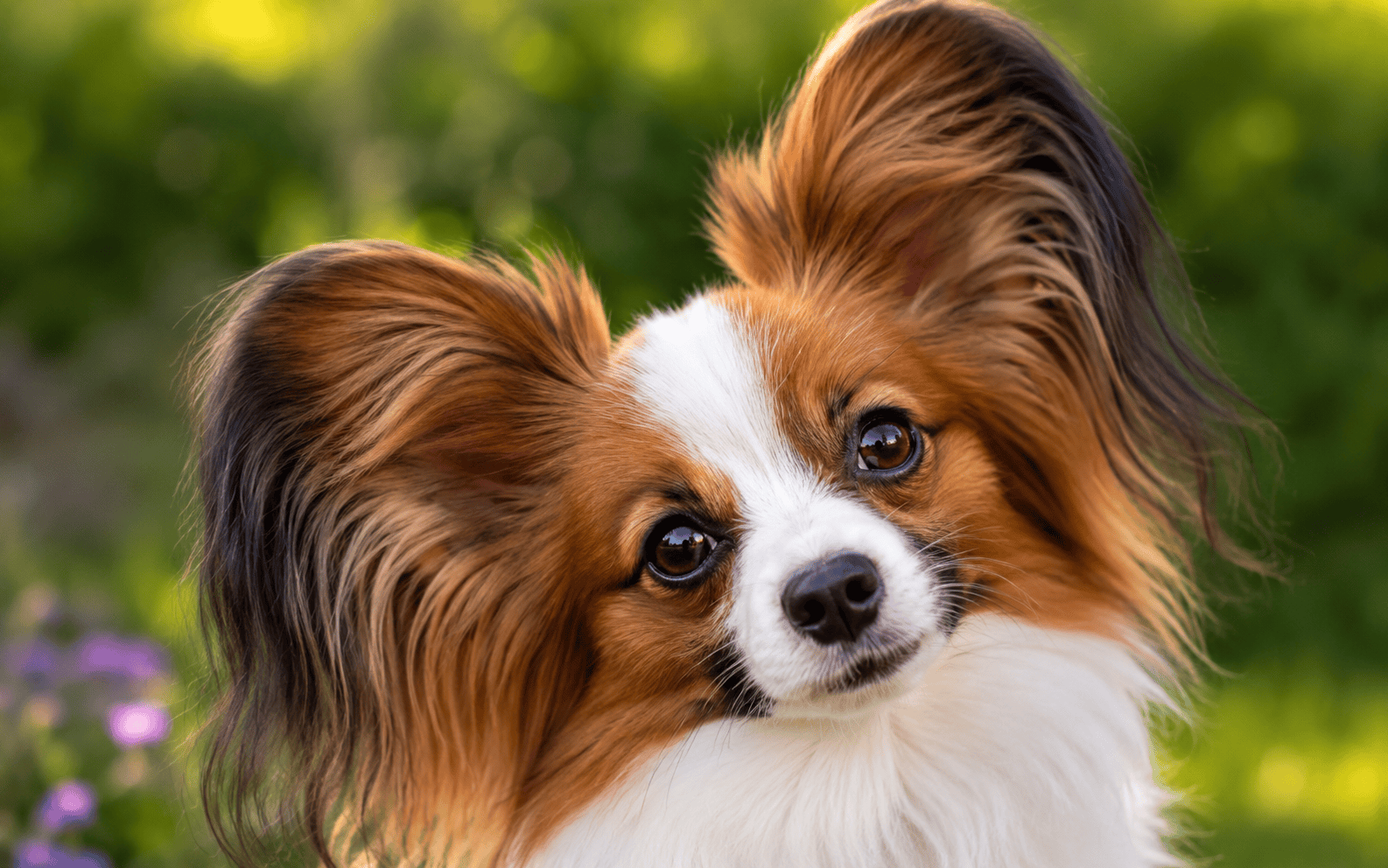
When psychologist Stanley Coren ranked dog breeds by working intelligence in his research, Papillons came in at number 8 out of 138 breeds tested. That places them ahead of breeds like Golden Retrievers and German Shepherds in terms of in home dog training long island obedience intelligence. In practical terms, this means a Papillon can learn a new command in fewer than five repetitions and obey a known command on the first attempt over 95% of the time.
If you are curious about where the Papillon ranks among other high-achieving breeds, the full breakdown of most trainable dog breeds provides useful context for how this butterfly-eared toy breed compares to working dogs, herding breeds, and sporting dogs.
Key Strengths That Make Papillons Excel in Training
Understanding why Papillons learn so efficiently helps you design sessions that actually match how their brains work.
High Drive for Engagement
Papillons crave interaction. Unlike some independent breeds that would rather explore on their own, a Papillon wants to be in your business constantly. This social drive translates directly into training success. They watch your body language, listen for cues, and actively seek the moment you signal that something is expected of them. That attentiveness is a massive asset in a training context.
Positive Reinforcement Sensitivity
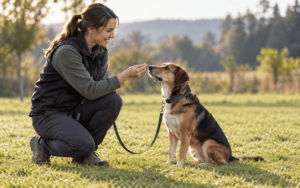
Papillons are highly food motivated and equally responsive to verbal praise. This makes them ideal candidates for private dog training long island positive reinforcement training, where desired behaviors are rewarded immediately and consistently. You should never use harsh corrections or punishment-based methods with a Papillon. Their sensitive temperament means that aversive techniques can produce anxiety, shut-down behavior, or avoidance — the opposite of what you want.
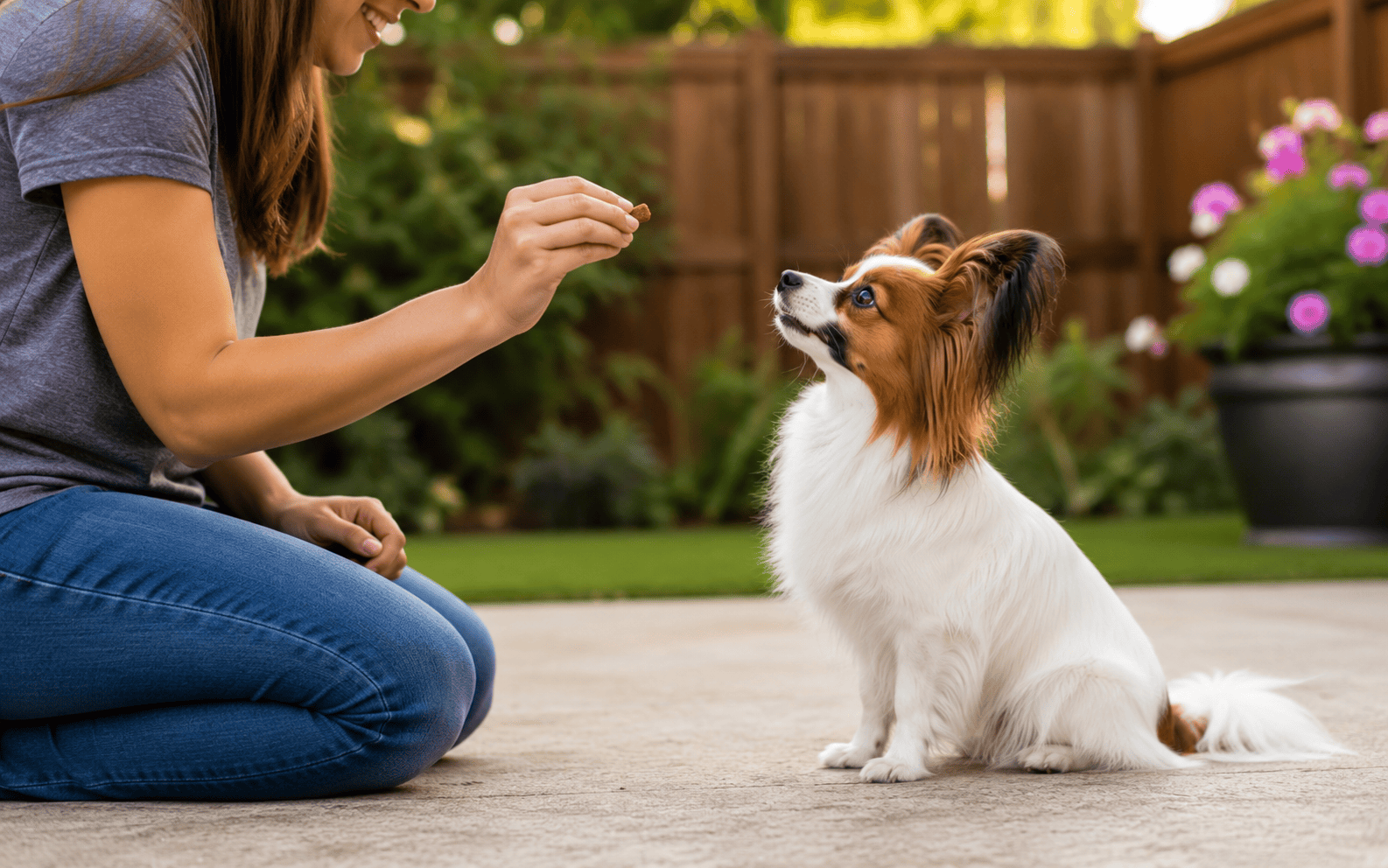
Keep treats small, around the size of a pea, to avoid filling them up during a session. High-value rewards like small pieces of chicken, cheese, or commercial training treats work best when you are introducing a new behavior. Once the behavior is solid, you can shift to lower-value rewards and intermittent reinforcement to maintain it.
Agility and Physical Coordination
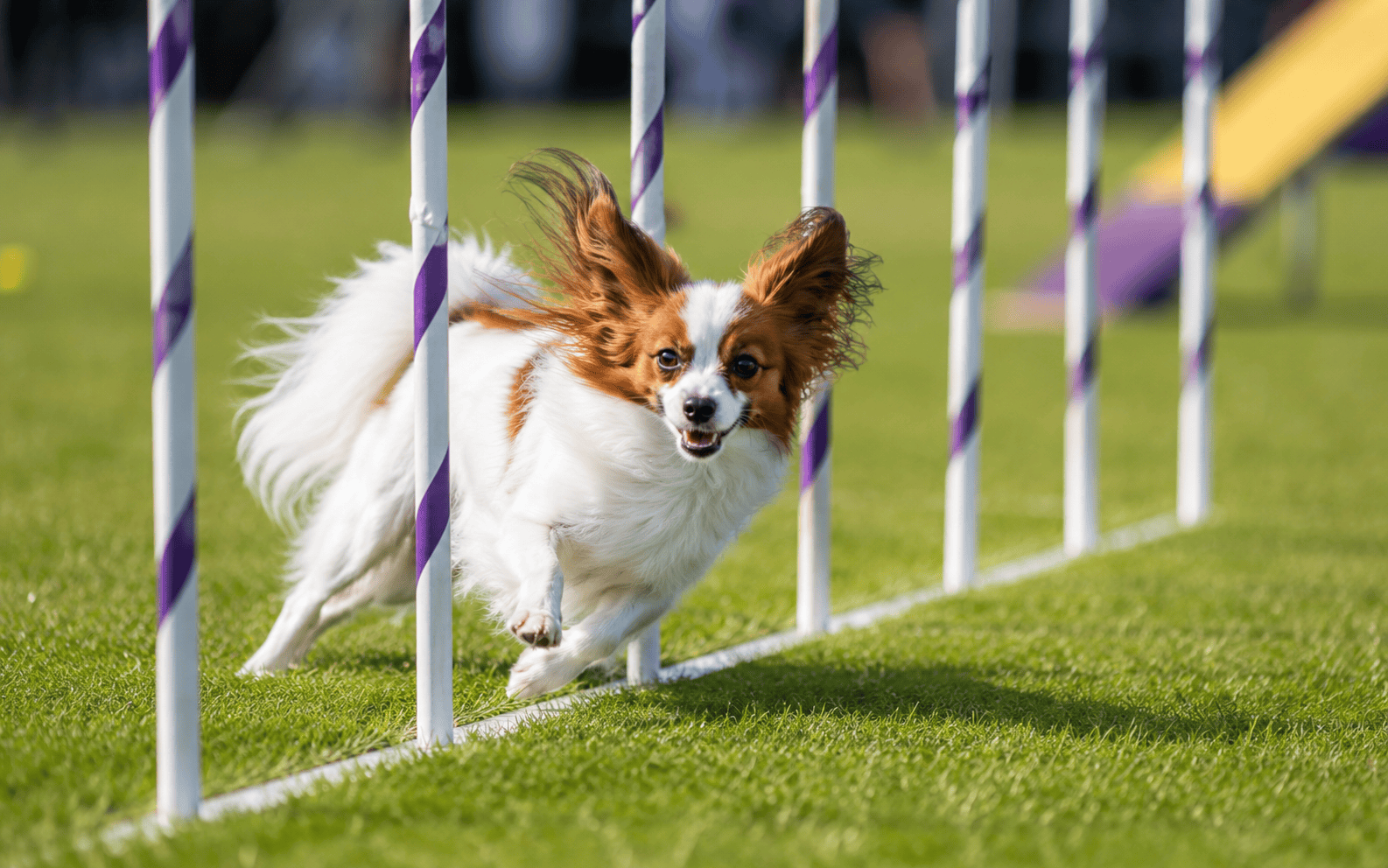
Papillons are naturally athletic. They excel in dog sports like agility, obedience dog training competitions, and trick training, partly because their small bodies are quick and precise. If you want a dog that can perform complex sequences, weave through poles, or execute a timed course, a Papillon is built for it. Channeling that physical ability into structured activities keeps them mentally satisfied and physically tired — which makes the rest of their behavior much easier to manage.
The Training Challenges Papillons Actually Present
No breed is without its complications, and knowing the friction points upfront saves you weeks of frustration.
Housetraining: The Notorious Weak Spot
Small dogs have small bladders, and Papillons are no exception. Housetraining tends to be the area where owners struggle most with this breed. It is not that Papillons are stubborn about it — it is that owners often underestimate how frequently a young Papillon needs to go outside, and how small accidents can be easy to miss until a habit is already formed.
A consistent schedule, crate training, and zero tolerance for unsupervised indoor access during the early weeks are essential. Expect puppies to need bathroom breaks every 1-2 hours. Adult Papillons can hold it longer, but in the early training period, frequency is everything.
Excessive Barking
Papillons are alert and vocal. They were historically used as watchdogs in European courts, so their instinct to announce strangers, sounds, and unusual events is deeply ingrained. Without training, this can become a significant nuisance. Teaching them how to train a dog to stop barking early and desensitizing them to common household triggers — doorbells, passing cars, visitors — is a non-negotiable part of a complete training plan.
Small Dog Syndrome
Because Papillons are small and extremely cute, owners sometimes skip boundaries and structure that they would enforce with a larger breed. The result is a dog that pulls on leash, barks at guests, jumps on furniture uninvited, and becomes generally difficult to manage. Size has nothing to do with whether a dog needs structure. Papillons thrive when they have clear expectations, and they struggle when they are allowed to set their own rules.
Practical Training Strategies That Work for This Breed
| Training Area | Best Approach | Common Mistake | Timeline |
| Basic obedience (sit, stay, come) | Short positive sessions, 10-15 min | Sessions that are too long | 1-2 weeks |
| Housetraining | Crate training + strict schedule | Allowing unsupervised access | 4-8 weeks |
| Leash manners | Front-clip harness, reward-based | Retractable leash use | 2-4 weeks |
| Barking control | “Quiet” cue + desensitization | Yelling, which reinforces behavior | 3-6 weeks |
| Tricks and agility | Shaping, luring, chaining behaviors | Repetition without reward variation | Ongoing |
Structure Every Day, Not Just During Sessions
Consistency outside of formal training sessions matters as much as the sessions themselves. If you ask for a “sit” before meals, before going outside, and before receiving attention, you reinforce the behavior pattern multiple times a day without any dedicated training time. This approach, sometimes called “nothing in life is free,” builds a dog that naturally defers to you for direction — which makes everything else easier.
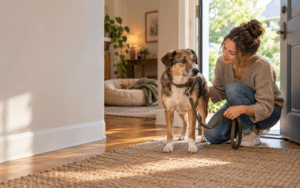
If you are training your dog at home and want professional guidance on structuring daily routines, in home dog training long island is an option that brings expert help directly into your environment, where the real-life distractions and problem behaviors actually occur.
Socialization Starts Early and Never Fully Stops
Expose your Papillon to different people, animals, environments, and sounds before 16 weeks of age whenever possible. This window is critical for shaping a confident adult dog. A poorly socialized Papillon can become fearful, reactive, or aggressive toward strangers — which then creates a whole separate training challenge to unravel later. After the primary socialization window closes, continue regular exposure to new situations throughout the dog’s life.
Obedience Training as a Foundation
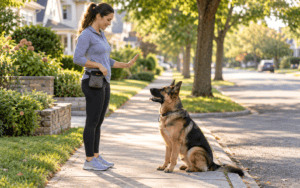
Before you move into tricks, sports, or advanced behaviors, building a solid obedience foundation is the highest-return investment you can make. A reliable recall, a solid stay, and a consistent “leave it” keep your dog safe and manageable in real-world situations. Structured obedience dog training gives your Papillon the vocabulary and impulse control to handle new environments, distractions, and social situations with confidence.
Things to Know
- Papillons do not have a traditional undercoat, so they are less tolerant of cold weather — keep outdoor sessions short in winter months.
- Despite their toy breed classification, Papillons need at least 30 minutes of active exercise daily to avoid hyperactivity and destructive behavior indoors.
- Papillons can develop separation anxiety if they become overly dependent on one person — training for independent settling time early prevents this.
- They can be cat-safe and good with other dogs when properly socialized, but their prey drive may be triggered by small animals like rodents or birds.
- Some Papillons have been trained as therapy and emotional support animals because of their attentiveness and trainability. If you are interested in that path, the how to make your dog a service dog step by step guide outlines what is involved in the process.
- Papillons are long-lived for their size — 13 to 17 years on average — so investing in proper training pays dividends for many years.
When Professional Training Support Makes Sense
Not every owner has the time, skill, or bandwidth to train a dog from scratch, even a highly trainable one. If you are dealing with persistent problem behaviors, starting with a puppy and no prior dog training experience, or simply want faster results, professional training is worth the investment.
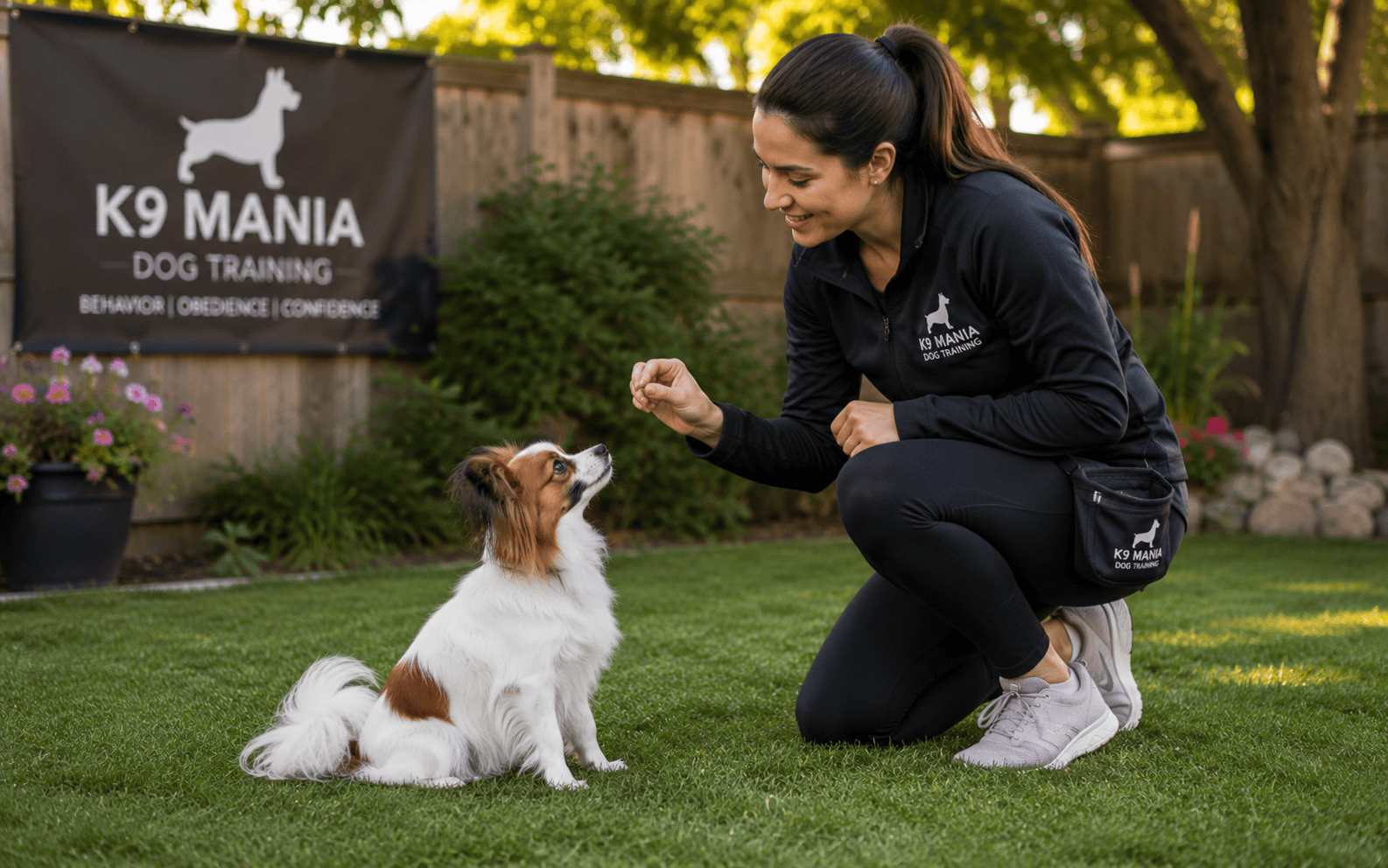
For owners who want intensive, structured progress, board and train long island allows your Papillon to live with a professional trainer for a set period, building skills in a controlled environment before returning home with a training plan you continue.
For owners who prefer a personalized approach without sending their dog away, private dog training long island provides one-on-one sessions tailored specifically to your dog’s temperament, your household rules, and your goals. This format tends to work well for Papillons because sessions can be kept short and focused, which matches how this breed learns best.
Ready to See What Your Papillon Can Actually Do?
Ready to see what your Papillon can actually do? High-intelligence toy breeds thrive with the right guidance — and one session with a professional trainer will teach you more than a dozen articles ever could. Come prepared with three specific behaviors you want to build or improve, and ask your trainer to walk you through correct reinforcement timing in real time. Watching one proper repetition in person changes everything. Book your evaluation today with Dog Training Long Island and give your Papillon the clarity and structure they’ve been waiting for.
Read Related Articles
How to Train an Australian Shepherd
Are English Mastiffs Easy to Train?
Frequently Asked Questions
How long does it take to fully train a Papillon?
Basic obedience can be established in 4-8 weeks with consistent daily training, but full reliability across distracting environments takes several months.
Every behavior needs to be trained in multiple locations and under varying conditions before it becomes truly reliable. A Papillon that sits perfectly in your kitchen may initially struggle to sit in a busy park, and proofing that behavior against distractions is its own phase of training.
Are Papillons easy to housetrain compared to other toy breeds?
Housetraining a Papillon is harder than training most other behaviors but comparable to other small breeds — it requires more consistency than intelligence.
The challenge is physical rather than cognitive. Smaller dogs have smaller bladders and faster metabolisms, which means more frequent bathroom trips. Strict scheduling, crate training, and supervision are the three factors that determine success.
Can a Papillon be trained for agility competitions?
Yes, Papillons are one of the top-performing small breeds in agility, consistently placing well in American Kennel Club (AKC) competitions.
Their speed, coordination, and attentiveness make them natural competitors. Many agility handlers specifically seek out Papillons for their precision and drive.
Do Papillons respond well to clicker training?
Papillons are excellent candidates for clicker training because their fast learning speed means they associate the click with the reward almost immediately.
The marker precision of clicker training suits a breed that offers behaviors rapidly and needs clear, instant feedback to understand exactly what earned the reward.
At what age should you start training a Papillon?
Training should start the day your Papillon comes home, whether that is at 8 weeks for a puppy or any age for a rescue.
Young puppies absorb habits and patterns at an astonishing rate. Starting basic name recognition, sit, and coming when called in the first week sets a behavioral foundation that every subsequent lesson builds on.
The Bottom Line on Are Papillon Dogs Easy to Train
Are Papillon dogs easy to train? Yes, especially when you use positive reinforcement, short sessions, and clear structure from the start. Their intelligence and eagerness to connect make them quick learners, but they still need consistency with barking, house training, manners, and boundaries.
If you want expert help, K9 Mania Dog Training is the leading board and train in Long Island and is trusted for handling all types of dog behavior issues. With the best dog behaviorist in Long Island, our team can guide your Papillon toward better focus, confidence, and obedience. Visit our website and trust us to help.