Obedience training for aggressive dogs is one of the most effective tools available for managing and reducing dangerous behavior in dogs. When done correctly, it addresses the root causes of aggression while teaching your dog to respond reliably to your commands, even in high-stress situations.
Key Takeaways
- Aggression in dogs almost always has an identifiable trigger, and effective training targets that trigger directly.
- Obedience commands are not just tricks — they give you control over your dog in the moments that matter most.
- Punishment-based methods can escalate aggression; reward-based and structured leadership approaches tend to produce more lasting results.
- The format of training (in-home, private, or board and train) significantly affects outcomes for aggressive dogs.
- Most aggressive dogs can improve dramatically with the right program, consistency, and owner follow-through.
- Starting training early gives you more options, but even adult dogs with severe aggression can make measurable progress.
Why Aggression in Dogs Is a Training Problem, Not Just a Personality Trait
Many dog owners assume that an aggressive dog is simply “broken” or too dangerous to train. That belief leads to a lot of surrendered dogs, unnecessary euthanizations, and families living in fear of their own pets. The reality is more encouraging: aggression is almost always a behavioral response to a specific trigger, and behavioral responses can be changed.
Common sources of aggression in dogs include:
- Fear: A dog that has been poorly socialized or abused may react with aggression when it feels cornered or threatened.
- Resource guarding: Some dogs become aggressive over food, toys, or even specific spaces in the home.
- Territorial behavior: Especially common in working and herding breeds, this type of aggression targets strangers entering the home or yard.
- Leash reactivity: The physical restriction of a leash can trigger frustration-based aggression toward other dogs or people.
- Pain or illness: Sudden aggression in a previously calm dog often has a medical cause that should be ruled out first.
- Dominance or social conflict: Aggression between dogs in the same household typically stems from unclear social hierarchy.
Understanding which category your dog falls into is step one. A dog that lunges at strangers out of fear requires a completely different approach than a dog that snaps at family members over food. Applying the wrong method doesn’t just fail to help — it can make the behavior worse.
One of the most consistent findings across professional training is that structure reduces anxiety in dogs through programs like board and train long island. When a dog knows what is expected of it and understands that its owner is reliably in control, its stress levels drop. That reduced stress directly lowers the likelihood of aggressive outbursts.
How Obedience Commands Actually Reduce Aggressive Behavior
A common misconception is that obedience work (sits, stays, recalls) is separate from aggression management. In practice, these commands are your most direct tool for interrupting and preventing aggressive incidents.
Here is why foundational commands matter so much, and if you want a thorough breakdown of which commands to prioritize, the top 10 essential dog commands every owner must know gives you a practical roadmap for where to start.
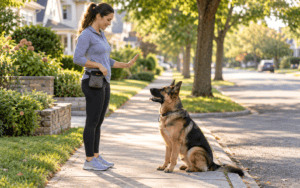
The “sit” command seems basic, but a dog that will sit reliably on command cannot simultaneously be lunging at another dog. Teaching a dog to default to a sit when uncertain gives it a behavior to perform instead of reacting aggressively.
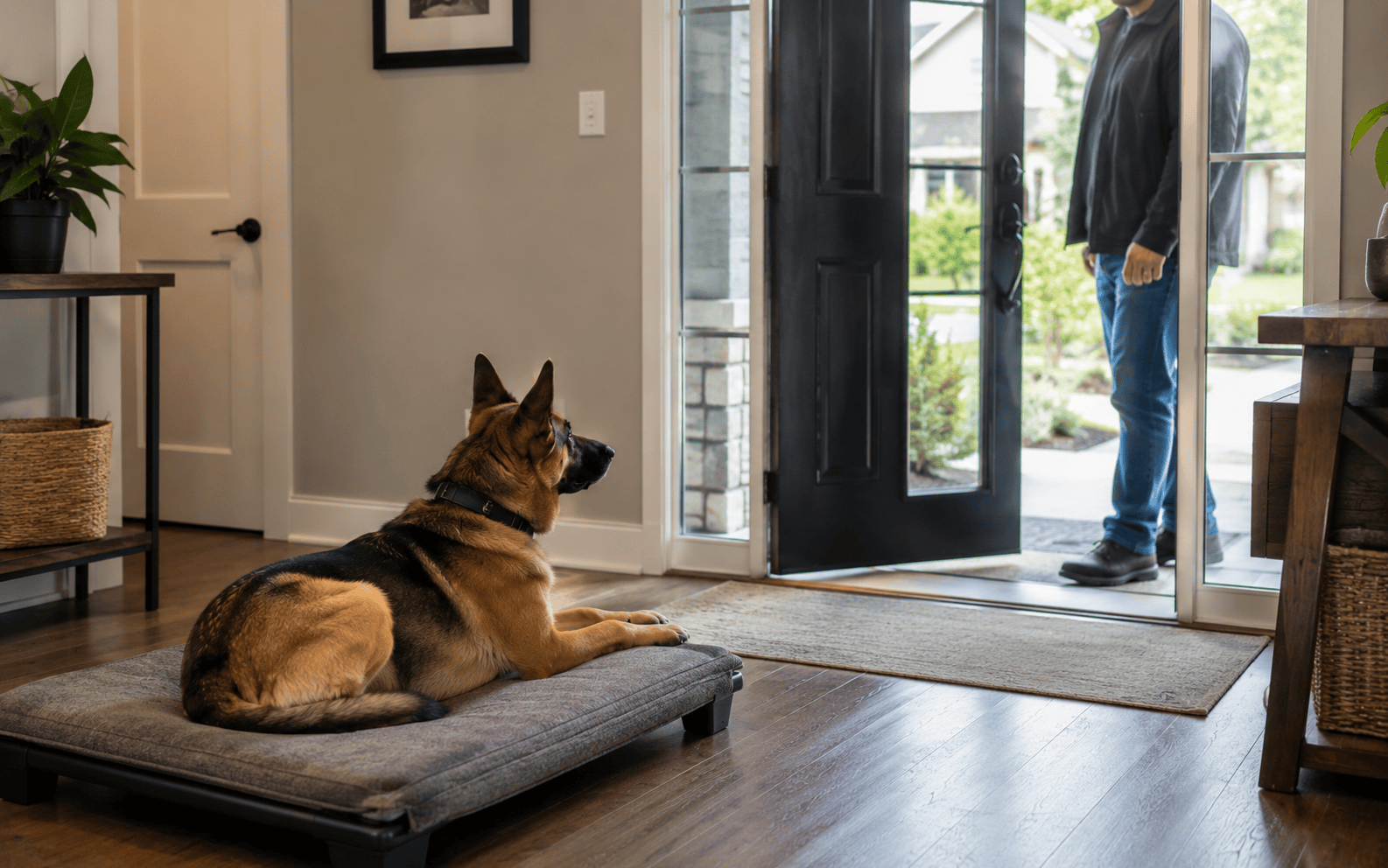
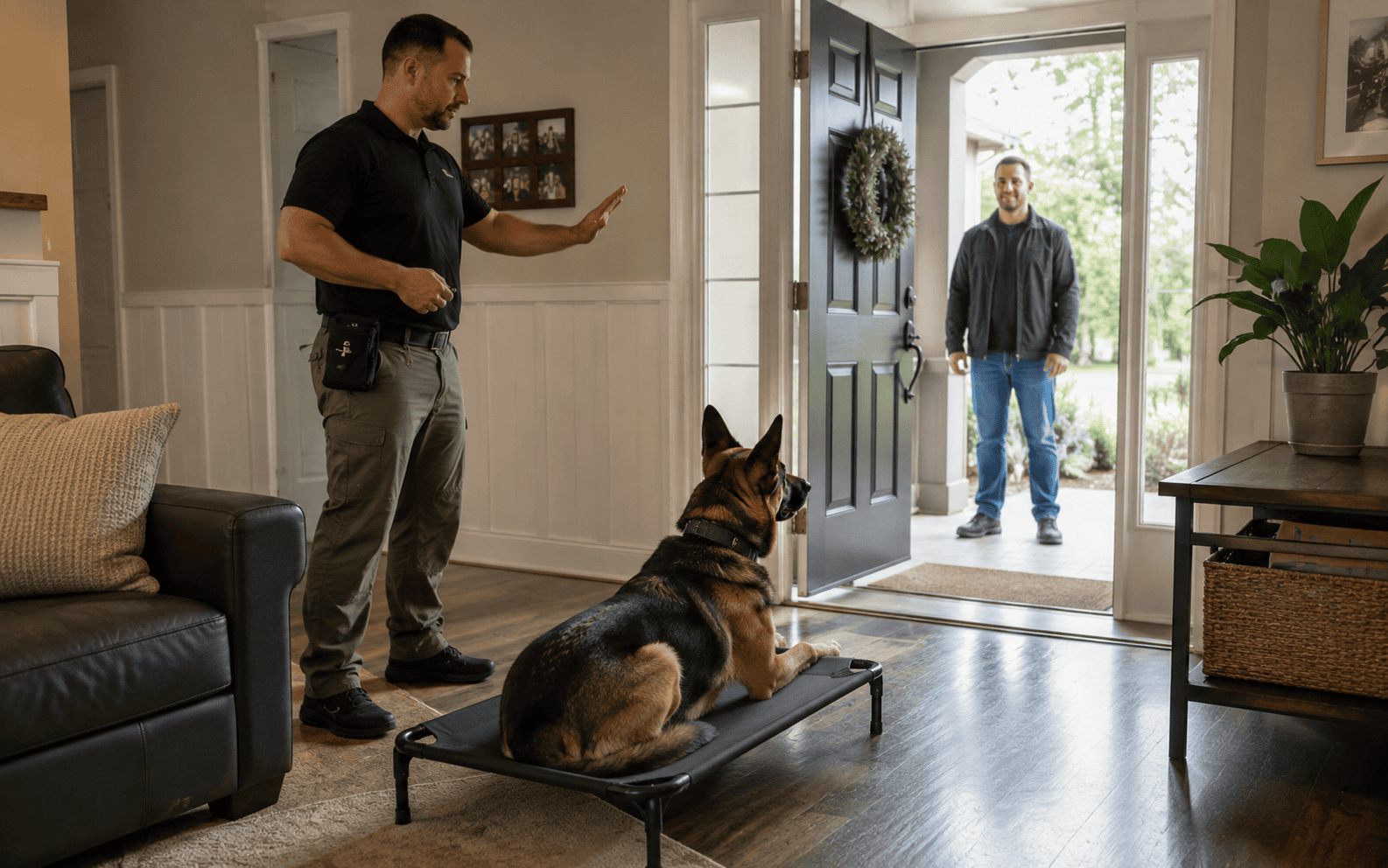
The “place” command sends a dog to a designated spot (usually a bed or mat) and requires it to stay there until released. This is particularly useful for territorial aggression at the door, because it removes the dog from the trigger zone before a visitor enters.
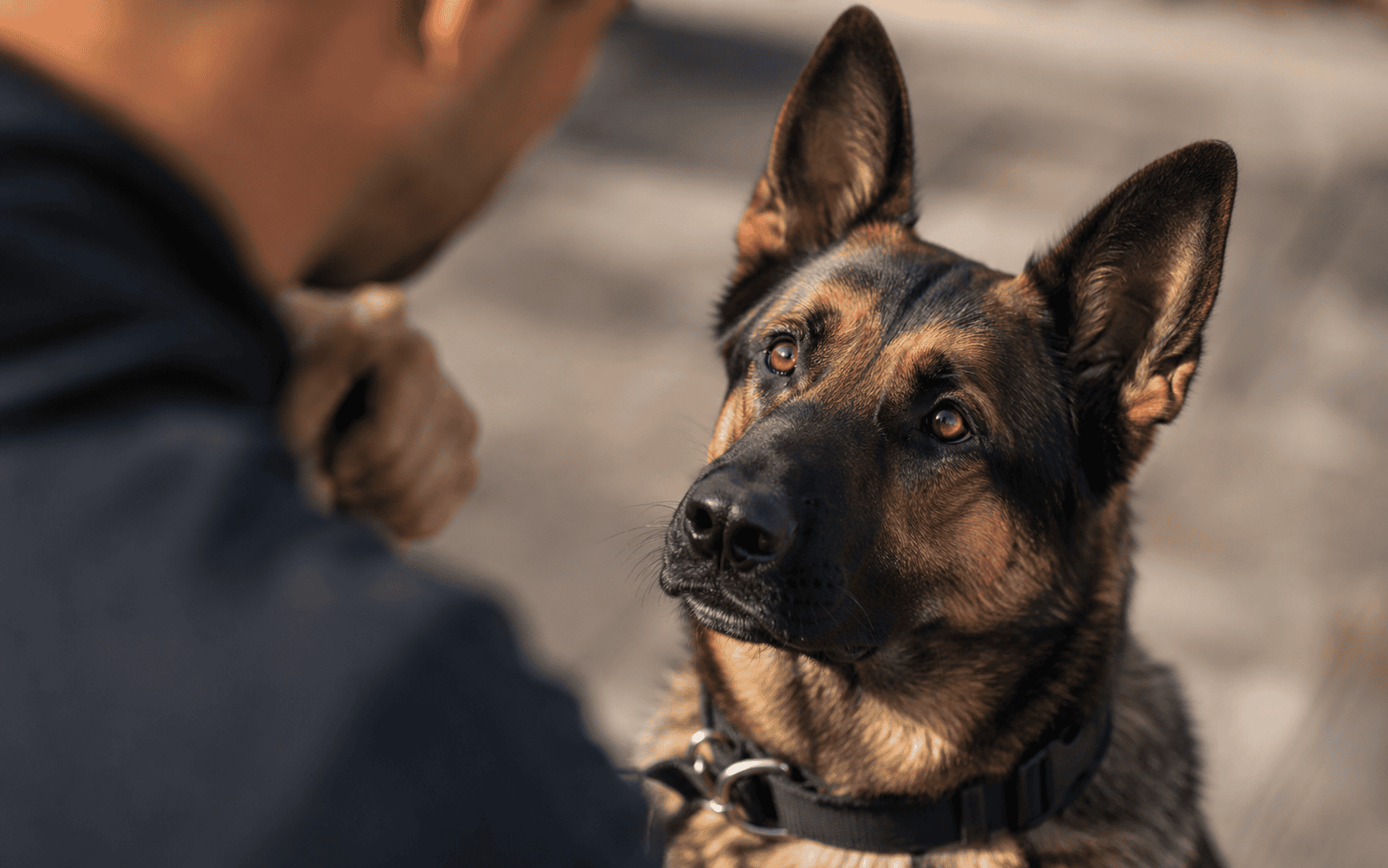
The “leave it” and “watch me” commands redirect your dog’s attention before arousal builds to the point where aggression becomes likely. Catching the behavior early is far more effective than trying to intervene once the dog is already in a reactive state.
Recall under distraction — a reliable “come” command — can be a literal lifesaver if your dog ever gets loose around other dogs or people.
These aren’t just nice-to-have skills, and for an aggressive dog, they are safety infrastructure through consistent obedience dog training. Building the communication channel between you and your dog makes everything else possible.
Training Methods: What Works and What Backfires
Not all training methods produce the same results, particularly with aggressive dogs. Getting this decision wrong can set your training back significantly.
Positive Reinforcement
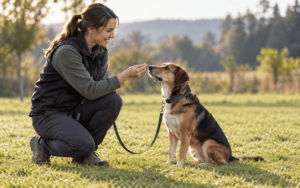
Reward-based training uses treats, praise, or toys to reinforce calm, non-aggressive behavior. It works well for fear-based aggression and is generally the safest starting point. The limitation is that for some dogs with high-level aggression, the arousal state becomes so intense that no food reward can break through it. Positive reinforcement alone may be insufficient for dogs with severe aggression histories.
Balanced Training
Balanced training combines positive reinforcement with clear correction-based communication. The goal is not to punish the dog into submission but to establish clear boundaries while also rewarding desired behavior. Many professional trainers working with aggressive dogs use this approach because it addresses both the emotional state and the behavioral pattern. The key word is “balanced” — heavy correction-only approaches tend to suppress behavior temporarily while increasing underlying stress, which can lead to more explosive aggression down the line.
Desensitization and Counter-Conditioning
This method gradually exposes the dog to its triggers at a distance and intensity where it can remain calm, while pairing those exposures with positive experiences. Over time, the dog’s emotional response to the trigger changes. This is not a quick fix — it requires weeks or months of structured work — but it produces some of the most durable behavior changes available.
Avoiding Punishment-Heavy Approaches
Flooding (forcing a dog to face its trigger until it “gives up”), harsh physical corrections, and shock collar misuse can all trigger a phenomenon called learned helplessness or, worse, redirect aggression onto the handler. If a trainer’s primary tool is intimidation, walk away.
Choosing the Right Training Format for an Aggressive Dog
| Format | Best For | Key Benefit | Limitation |
| Private lessons | Mild to moderate aggression | Customized, owner involved | Progress depends heavily on owner follow-through |
| In-home training | Territorial or resource guarding | Training happens where problems occur | Trainer access to triggers may be limited |
| Board and train | Moderate to severe aggression | Intensive immersion, faster results | Owner still needs to maintain skills after |
| Group classes | Mild leash reactivity (later stage) | Controlled socialization exposure | Not suitable as a starting point for aggressive dogs |
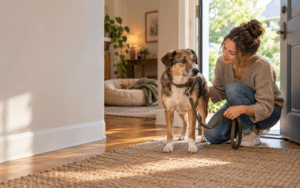
If your dog’s aggression is primarily expressed at home — barking at the door, snapping at family members, guarding furniture — then in home dog training long island is often the most logical starting point. Training your dog in the actual environment where the problem behaviors occur produces faster generalization.
For owners who want maximum customization and a direct relationship with a single trainer, private dog training long island allows sessions to be designed entirely around your dog’s specific triggers and history.
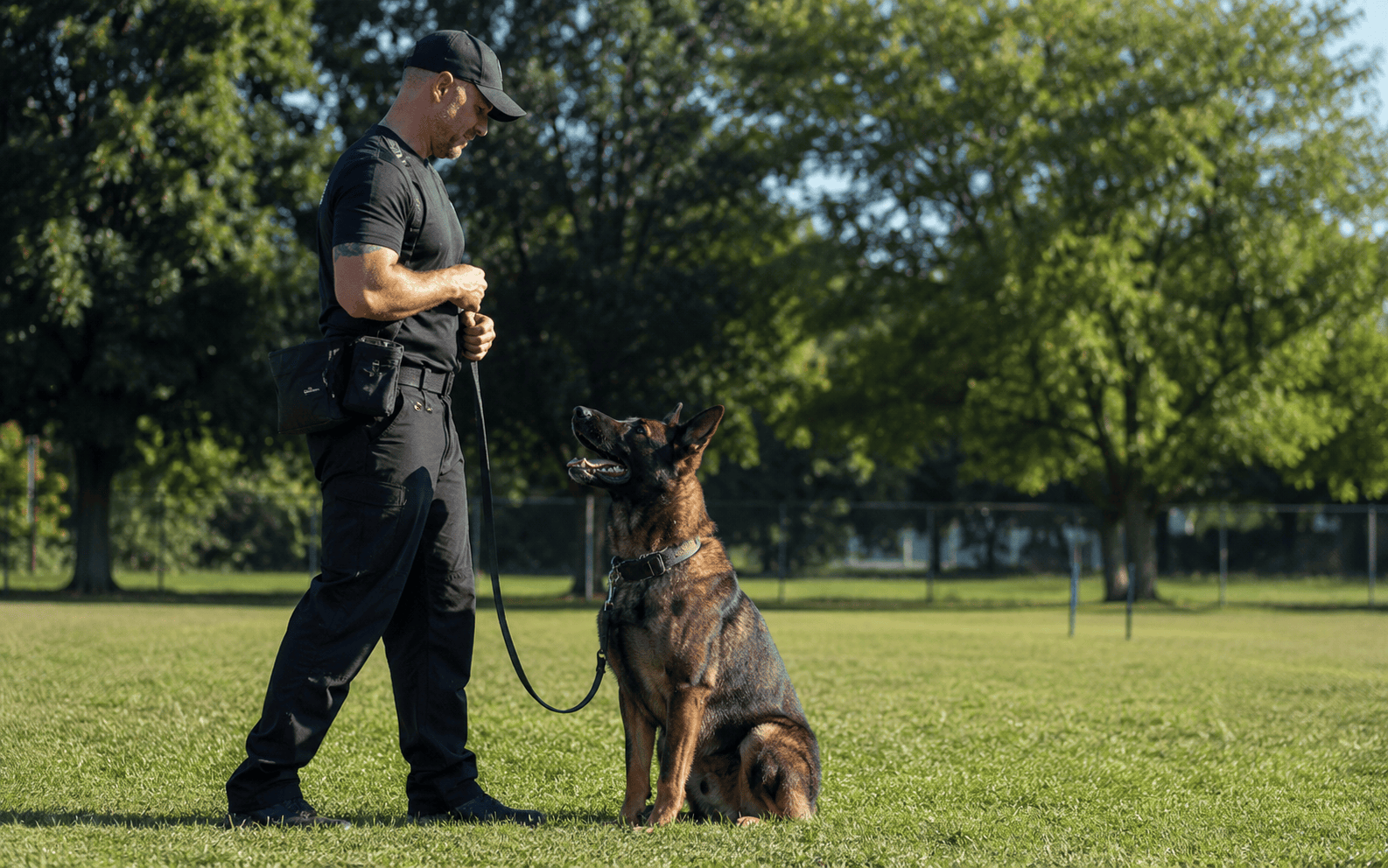
For severe cases, immersive programs are frequently the most effective option, and board and train for aggressive dogs offers the kind of intensive, repeated daily work that accelerates progress in ways that weekly lessons simply cannot match. A dog that lives with a professional trainer for several weeks receives far more structured repetitions than most owners can realistically provide at home.
For a flexible option that combines residential training with real-world results, programs provide structured immersion followed by owner transition sessions so the progress sticks once your dog comes home.
What to Expect: A Realistic Timeline for Progress
Progress with an aggressive dog is rarely linear. Here is a realistic breakdown of what most owners experience:
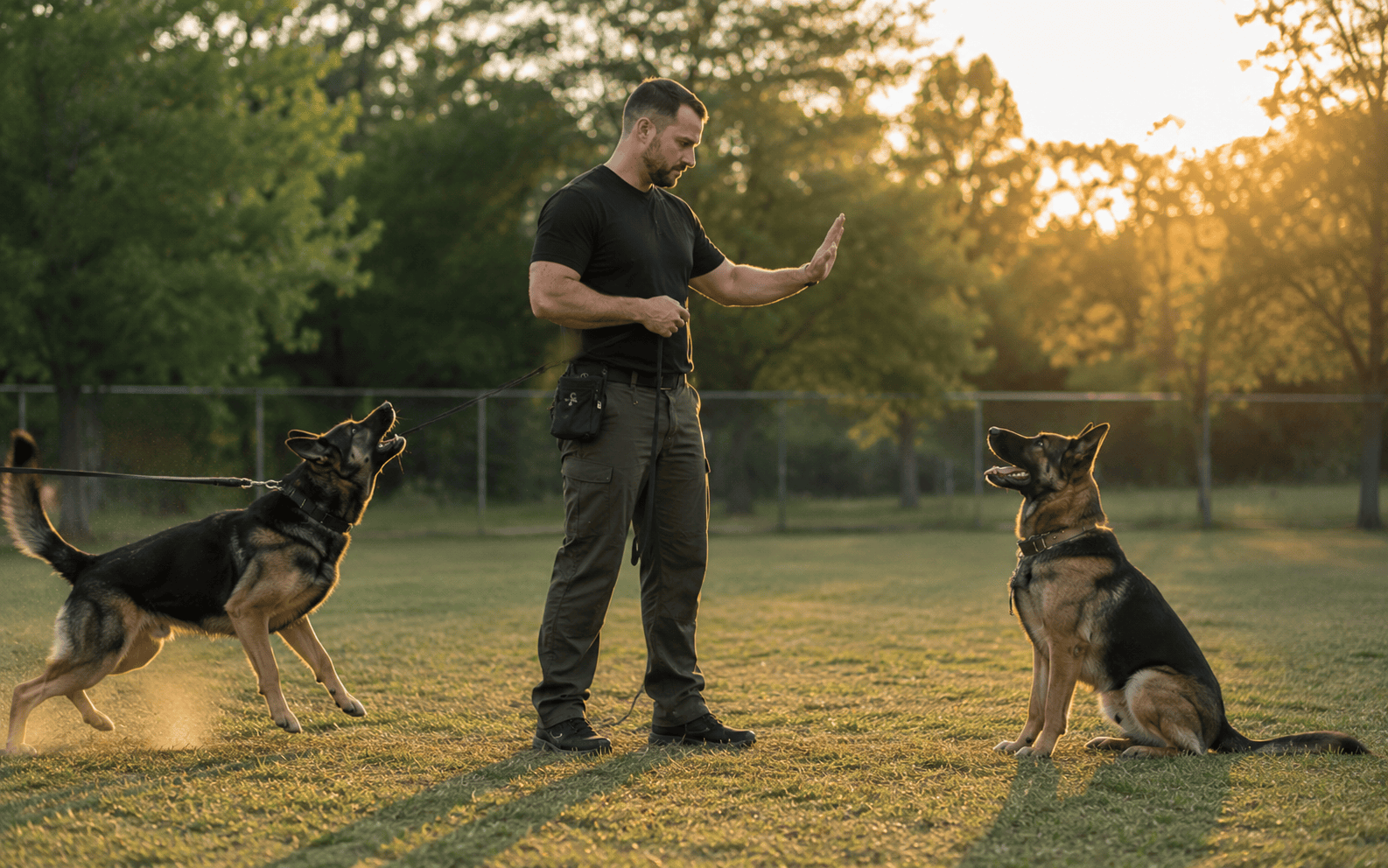
Weeks 1-3: Foundation work — building the basic commands, establishing consistent routines, and beginning management protocols to prevent rehearsal of aggressive behavior. Fewer incidents does not yet mean the behavior is “fixed.”
Weeks 4-8: Systematic desensitization begins at low-intensity trigger exposures. The dog starts showing the ability to disengage from triggers on cue. This phase requires patience; regression is normal and not a sign of failure.
Months 3-6: The dog’s default responses begin to shift. What used to trigger an immediate reaction now produces a hesitation — which is your window to redirect. Owners who remain consistent with their commands see compounding improvements in this phase.
Ongoing: Obedience maintenance is permanent. You do not “finish” training an aggressive dog and then stop reinforcing the structure. Think of it like physical therapy: the gains require continued practice to hold.
Things to Know
- Always rule out a medical cause before starting behavior modification. Pain, thyroid issues, and neurological conditions can all present as sudden aggression.
- “Dominance theory” — the idea that dogs aggress to establish pack leadership — has been largely debunked by modern animal behaviorists. Most aggression is anxiety or conflict-based, not a power play.
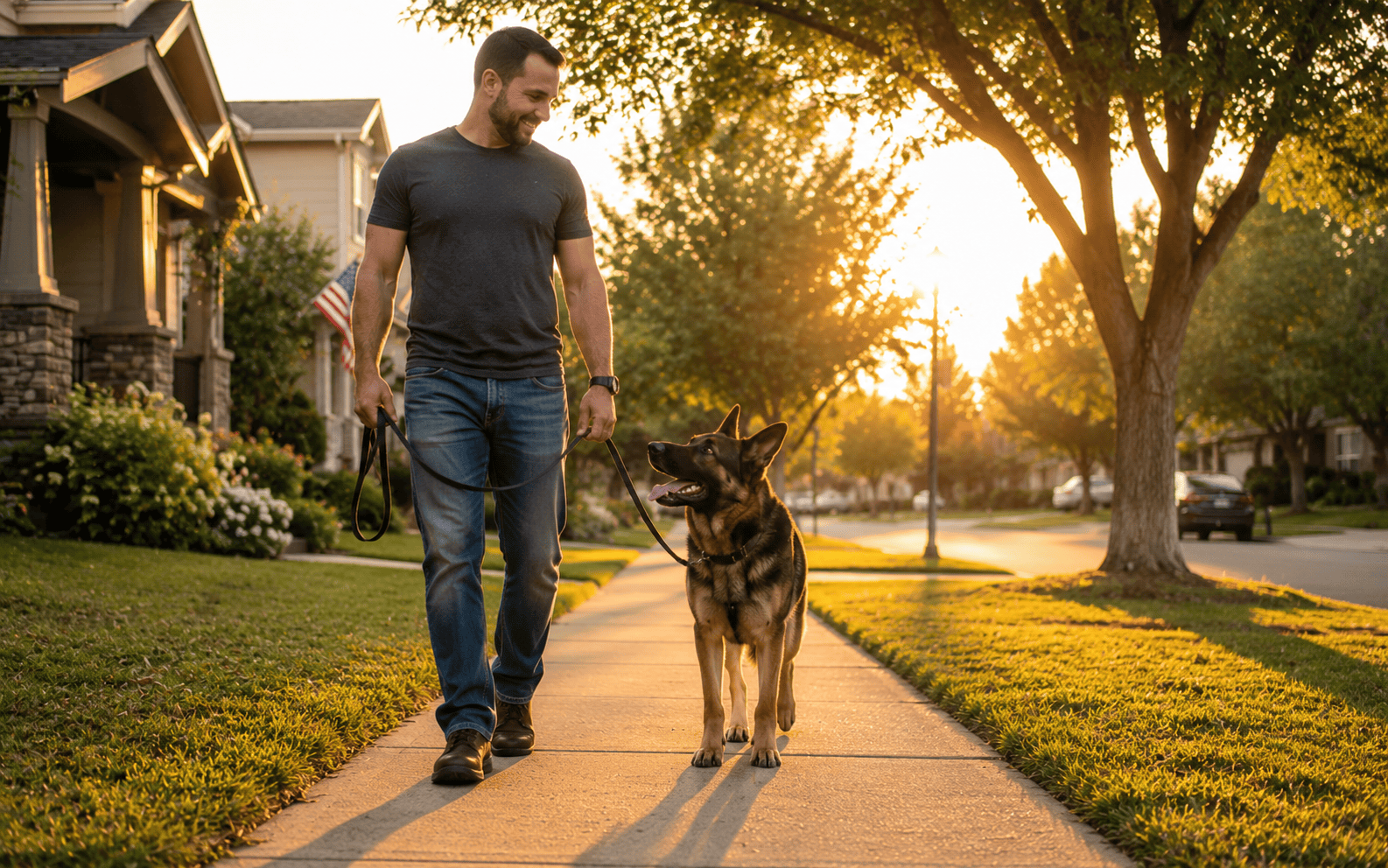
- Your own anxiety during walks or encounters directly affects your dog. Dogs read tension through the leash and through body language.
- Aggression toward people and aggression toward other dogs are separate behavioral profiles and often require different approaches.
- Never allow an aggressive dog in an off-leash park, even if it has made significant progress. Management and training are not the same thing.
- Some dogs with severe bite histories may benefit from a board-certified veterinary behaviorist in addition to a professional trainer, especially if medication is part of the treatment plan.
Ready to Stop Managing Your Dog’s Aggression and Start Resolving It?
The single most impactful step you can take right now is to schedule a professional assessment with a trainer who has direct experience working with aggressive dogs. Do not wait for an incident to escalate. Bring in an expert before the next one happens. Contact a qualified trainer in your area, describe your dog’s specific triggers and history honestly, and ask about which training format fits your dog’s severity level. The sooner you start a structured program, the more options you have.
You May Also Read
Dog Training for Destructive Behavior
Mouthing and Nipping Puppy Training
Frequently Asked Questions
Can obedience training for aggressive dogs eliminate aggression completely?
In most cases, training significantly reduces aggression and gives owners reliable management tools, but “complete elimination” is not a realistic promise for every dog.
A dog with a history of serious aggression is unlikely to become a dog with zero reactive tendencies. What training does accomplish is building a reliable behavioral override system, so the dog can respond to your commands even in the presence of its triggers. For many families, that level of control transforms daily life.
At what age should I start obedience training if my puppy is showing aggressive tendencies?
The earlier you start, the better — puppy aggression caught before six months of age is far easier to reshape than the same behavior in a two-year-old dog.
Early socialization, bite inhibition work, and basic obedience started in puppyhood address the behavioral patterns before they are deeply reinforced. If you are noticing growling, snapping, or intense resource guarding in a puppy, treat it as a serious early warning sign.
Is board and train safe for an aggressive dog?
Yes, when the facility has specific experience with aggressive dogs and uses humane, structured methods.
Not all board and train programs are equipped to handle aggression cases. Ask specifically about the trainer’s methodology, how aggression cases are managed during the stay, and what the owner transition process looks like after the dog returns home.
How do I know if my dog’s trainer is qualified to handle aggression?
Look for credentials such as CPDT-KA, years of documented experience with aggression cases, and the ability to clearly explain their methods.
Ask for references from clients who had dogs with similar issues. A qualified trainer will also conduct a thorough assessment before committing to a program, rather than offering a one-size-fits-all package.
Will my homeowner’s insurance be affected if I have an aggressive dog?
Potentially yes — many U.S. homeowner’s insurance policies have breed exclusions or may increase premiums or deny coverage if your dog has a bite history.
Certain breeds such as Pit Bulls, Rottweilers, and German Shepherds are excluded by some insurers. Check your policy terms and contact your provider. Completing a documented training program can sometimes positively influence coverage discussions with your insurer.
The Bottom Line on Obedience Training for Aggressive Dogs
Obedience training for aggressive dogs is not a guarantee of a perfect dog, but it is the most practical, evidence-supported path toward a safer, calmer life with your pet. The right combination of foundational commands, appropriate training format, and consistent owner follow-through produces real, measurable results for the vast majority of dogs.
Your next step is simple: stop managing the problem on your own and get a professional assessment. The sooner you have an expert evaluate your dog’s specific triggers and severity, the sooner you can implement a program that actually addresses the root of the behavior.