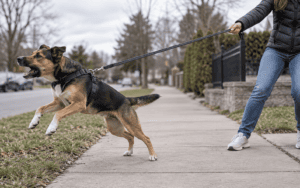

How to stop territorial barking starts with understanding why your dog guards their space and then using consistent training to teach them that not every visitor or passerby is a threat. With the right approach, you can reduce excessive barking and help your dog feel more secure without losing their natural protective instincts.
Territorial barking is one of the most common behavior issues dog owners face, but it doesn’t have to take over your home. Whether your dog barks at the mailman, neighbors walking by, or anyone approaching your property, you can teach them better responses through training, management, and patience.
In this guide, we’ll show you practical methods to calm territorial barking, when to seek professional help, and how to create an environment that supports your dog’s success.
Need expert help with your dog’s behavior? Explore our obedience dog training programs designed to build calm, confident dogs.
Understanding Territorial Barking in Dogs
Before you can stop territorial barking, you need to know what triggers it and why your dog responds this way. Territorial behavior is natural, but excessive barking can signal deeper issues that need attention.
What Causes Territorial Barking
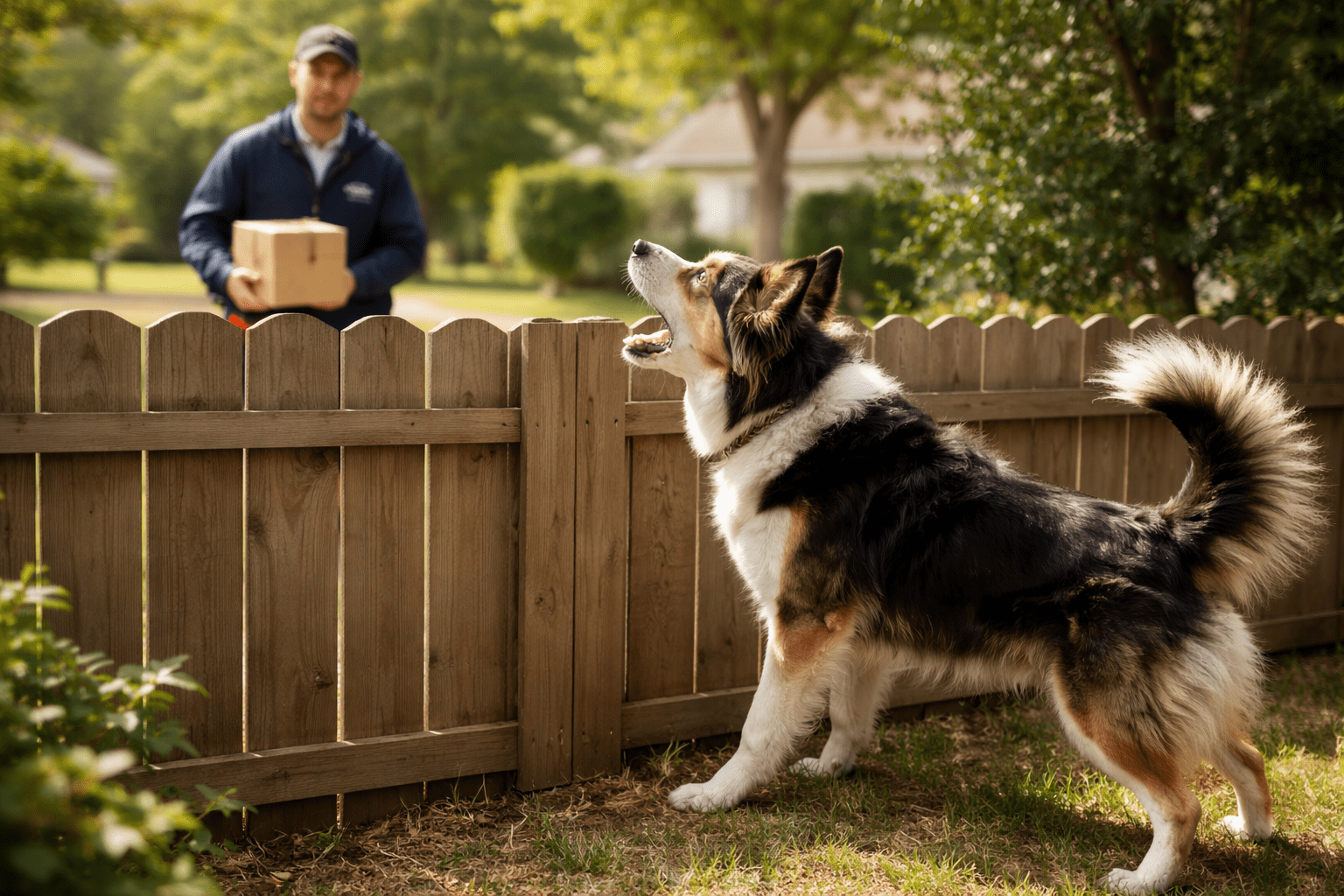
Territorial barking happens when your dog sees someone or something approaching what they consider their space. This could be your yard, your home, your car, or even the sidewalk in front of your house.
Dogs bark to warn intruders away and alert you to potential threats. Breeds with strong guarding instincts, like German Shepherds, Rottweilers, and Dobermans, are more likely to develop territorial behavior.
However, any dog can become territorial if they feel anxious, lack socialization, or have had negative experiences with strangers. Boredom and excess energy also play a role, as dogs with nothing to do often channel their energy into barking at every little movement outside.
Past experiences matter too. If your dog barked at someone and that person left, your dog learned that barking works. This reinforcement makes the behavior stronger over time.
Signs Your Dog Is Territorially Barking
Not all barking is territorial. Your dog might bark out of excitement, fear, frustration, or a need for attention. Territorial barking has specific signs that set it apart.
Your dog typically barks at people or animals approaching your property, not random sounds or events. The barking often happens near windows, doors, or fence lines where your dog can see outside.
Body language gives you clues too. A territorially barking dog usually stands stiff and alert, with ears forward and tail raised. They may pace along the fence or window, following the person or animal as they move.
The barking usually stops once the perceived threat leaves the area. If your dog keeps barking long after the mailman drives away, other issues might be at play.
Common triggers include:
- Mail carriers or delivery drivers
- Neighbors walking dogs past your home
- People talking or playing near your property
- Cars parking on your street
- Other animals in your yard
For more insight into different barking triggers, check out our guide on how to train a dog to stop barking .
Proven Training Methods to Stop Territorial Barking
Training your dog to stop territorial barking takes consistency and patience, but the results are worth it. These methods teach your dog that barking isn’t necessary and that calm behavior gets rewarded.

Desensitization and Counter-Conditioning
Desensitization gradually exposes your dog to triggers at a manageable level, while counter-conditioning pairs triggers with positive experiences. Start by identifying your dog’s main triggers. If they bark at people walking by, begin training when someone is far enough away that your dog notices but stays quiet. Reward calm behavior with treats, then slowly decrease the distance over multiple sessions. For doorbell barking, practice ringing it while your dog is leashed, rewarding any silence. This teaches your dog that triggers predict good things, not threats.
Teaching the “Quiet” Command
The quiet command interrupts barking and rewards silence. Let your dog bark a few times, then say “quiet” in a calm voice. The instant they stop, reward immediately. Timing matters – reward the silence, not the barking. Practice daily with mild triggers first, then progress to harder ones. Never yell “quiet” repeatedly. If your dog doesn’t respond, go back to easier triggers.
Redirect and Reward Alternative Behaviors
Teach your dog what to do instead of barking. Ask them to sit, go to their bed, or look at you when they see a trigger. A “place” command works well for doorbell or window barking. Practice indoors first, then progress to actual trigger areas. Everyone in your household must use the same commands consistently.
Training Comparison: Methods That Work
| Training Method | Best For | Time Investment | Difficulty Level |
| Desensitization & Counter-Conditioning | Dogs with fear-based territorial barking | 4-8 weeks of daily sessions | Moderate – requires careful threshold management |
| “Quiet” Command | Dogs who respond well to verbal cues | 2-4 weeks of consistent practice | Easy – works for most dogs with patience |
| Redirect to Alternative Behavior | High-energy dogs who need a job | 3-6 weeks of daily training | Moderate – requires solid obedience foundation |
| Place/Boundary Training | Dogs who bark at windows or doors | 4-6 weeks of structured sessions | Moderate – needs clear boundaries and rewards |
Environmental Changes That Reduce Territorial Barking
Sometimes the best way to stop barking is to change your dog’s environment. These management strategies work alongside training to reduce triggers and create a calmer home.

Block Visual Triggers
If your dog can’t see people walking by, they’re less likely to bark. Close curtains or blinds on windows where your dog watches. Use frosted window film on lower panes so light comes through but your dog can’t see out.
Move furniture away from windows to reduce perching spots. If your dog barks through a fence, install privacy slats or plant shrubs to block their view of the street. Bring dogs inside during high-traffic times like morning dog walks or school bus pickups.
These changes don’t fix the underlying behavior, but they give you breathing room while you work on training.
Create a Safe Space Away From Triggers
Give your dog a comfortable area where they can relax without seeing or hearing triggers. This might be a back bedroom, a crate in a quiet corner, or a cozy basement spot.
Use white noise machines or calming music to mask outdoor sounds. This helps dogs who bark at every car door or footstep. Make this space rewarding with special toys, puzzle feeders, or long-lasting chews they only get there. Some dogs do better with routines that include time in their safe space during peak trigger times.
Increase Exercise and Mental Stimulation
Tired dogs bark less. Regular exercise burns off excess energy that fuels territorial behavior. Take your dog on longer walks, play fetch, or try hiking or swimming. Aim for 30-60 minutes of physical activity daily.
Mental exercise matters equally. Use puzzle toys, hide-and-seek games, or training sessions to engage your dog’s brain. Consider activities like agility, nose work, or advanced obedience classes for productive outlets.
Simple enrichment ideas:
- Scatter feeding instead of using a bowl
- Frozen Kong toys stuffed with peanut butter
- Hide-and-seek with treats around the house
- Teaching new tricks weekly
- Rotating toys to keep them interesting
When to Seek Professional Help
Some territorial barking goes beyond what you can handle with home training. Knowing when to call in a professional can save you months of frustration and keep everyone safe.
Signs You Need a Dog Trainer or Behaviorist
If your dog’s barking escalates into lunging, biting, or aggressive displays, you need professional help right away. These behaviors can be dangerous and require expert intervention.
Dogs who bark constantly despite weeks of consistent training may have deeper anxiety or fear issues. A professional can assess what’s really driving the behavior and create a customized plan.
You should also seek help if territorial barking is affecting your quality of life or your relationships with neighbors. If you’re afraid to have guests over or worried about complaints, it’s time to get support.
Some dogs have such strong territorial instincts that they need specialized training methods. A trainer experienced with territorial aggression can teach you techniques that work for your specific dog.
For dogs showing signs of territorial aggression , professional guidance helps you stay safe while working on the problem.
What Professional Training Offers
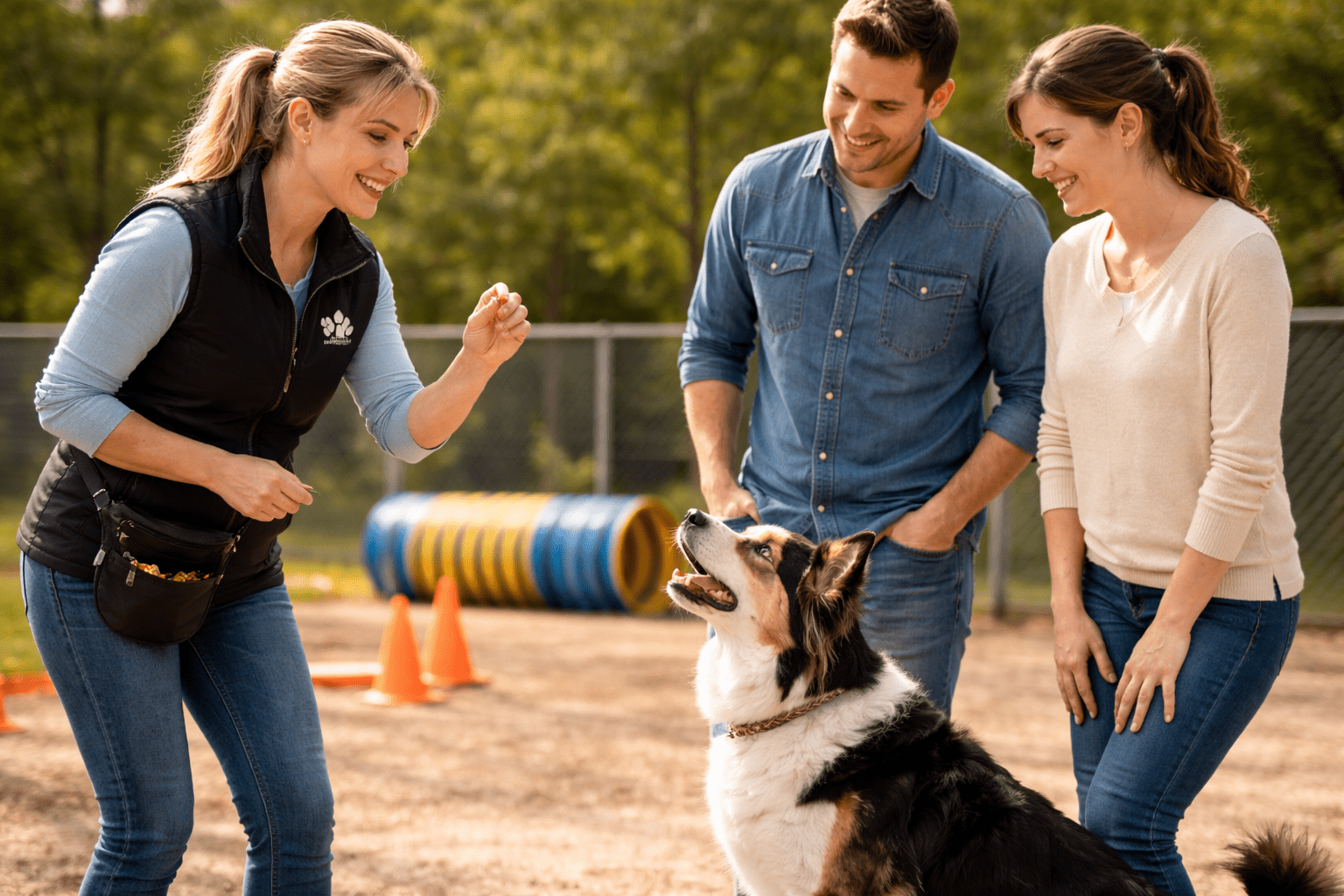
Professional trainers bring experience with hundreds of dogs and can spot patterns you might miss. They teach you proper timing, body language, and technique so your training becomes more effective.
Board and train programs offer intensive training in a controlled environment. Your dog lives with a trainer for several weeks and learns new behaviors away from home triggers.
This option works well for busy owners or dogs with severe territorial issues. The trainer handles the heavy lifting, then teaches you how to maintain the training at home.
Private training sessions give you one-on-one attention. The trainer comes to your home, sees your dog’s triggers firsthand, and creates a plan that fits your lifestyle.
Group classes help with socialization while teaching obedience. Your dog learns to stay calm around other dogs and people, which can reduce territorial responses.
Choosing between training options:
| Training Option | Best For | Cost Range | Time Commitment |
| Private In-Home Sessions | Dogs with specific home-based triggers | $100-200 per session | 4-8 weeks, 1 hour weekly |
| Group Obedience Classes | Dogs needing socialization and basic commands | $150-300 for 6-8 weeks | Weekly 1-hour classes |
| Board and Train Programs | Severe cases or busy owners | $2,000-5,000+ for 2-4 weeks | Drop off, then follow-up sessions |
| Virtual Training | Budget-conscious owners with tech skills | $50-150 per session | Flexible, self-paced with check-ins |
Our board and train Long Island program is specifically designed for dogs with territorial and aggressive behaviors, giving them intensive training in a structured environment.
Mistakes to Avoid When Stopping Territorial Barking
Even with the best intentions, you might accidentally make territorial barking worse. Avoid these common mistakes to keep your training on track.
Punishing Your Dog for Barking
Yelling at your dog or using punishment can backfire. Your dog might think you’re barking too, which reinforces the behavior instead of stopping it.
Punishment also increases anxiety. If your dog barks because they’re worried about strangers, punishment makes them more stressed and likely to bark even more.
Shock collars or spray collars might stop barking temporarily, but they don’t address the underlying cause. Your dog still feels territorial but now also associates the trigger with pain or discomfort.
Focus on rewarding quiet, calm behavior instead of punishing barking. This teaches your dog what you want without damaging your bond.
Inconsistent Training
Territorial barking won’t stop if you only train sometimes. Your dog needs consistent rules and responses from everyone in your household.
If one person lets your dog bark at the window while another tries to redirect them, your dog gets mixed messages. This confusion slows down progress and can make barking worse.
Set clear rules. Decide as a family what’s allowed and what’s not, then stick to it every single time.
Training also needs to happen daily. Short 5-10 minute sessions work better than occasional long ones. Regular practice helps your dog learn faster and retain what they’ve learned.
Giving Up Too Soon
Behavioral change takes time. Most dogs need weeks or months of consistent training before you see major improvement.
Some dogs improve quickly, then have setbacks. This is normal. Stress, changes in routine, or new triggers can cause temporary increases in barking.
Track your progress in a journal. Write down how many times your dog barks each day and in what situations. This helps you see improvement even when it feels slow.
Celebrate small wins. If your dog barks three times instead of ten, that’s progress worth acknowledging.
For dogs with complex behavioral issues, our private dog training Long Island services offer personalized support throughout the entire training process.
Breaking Down Territorial Barking: What Really Works
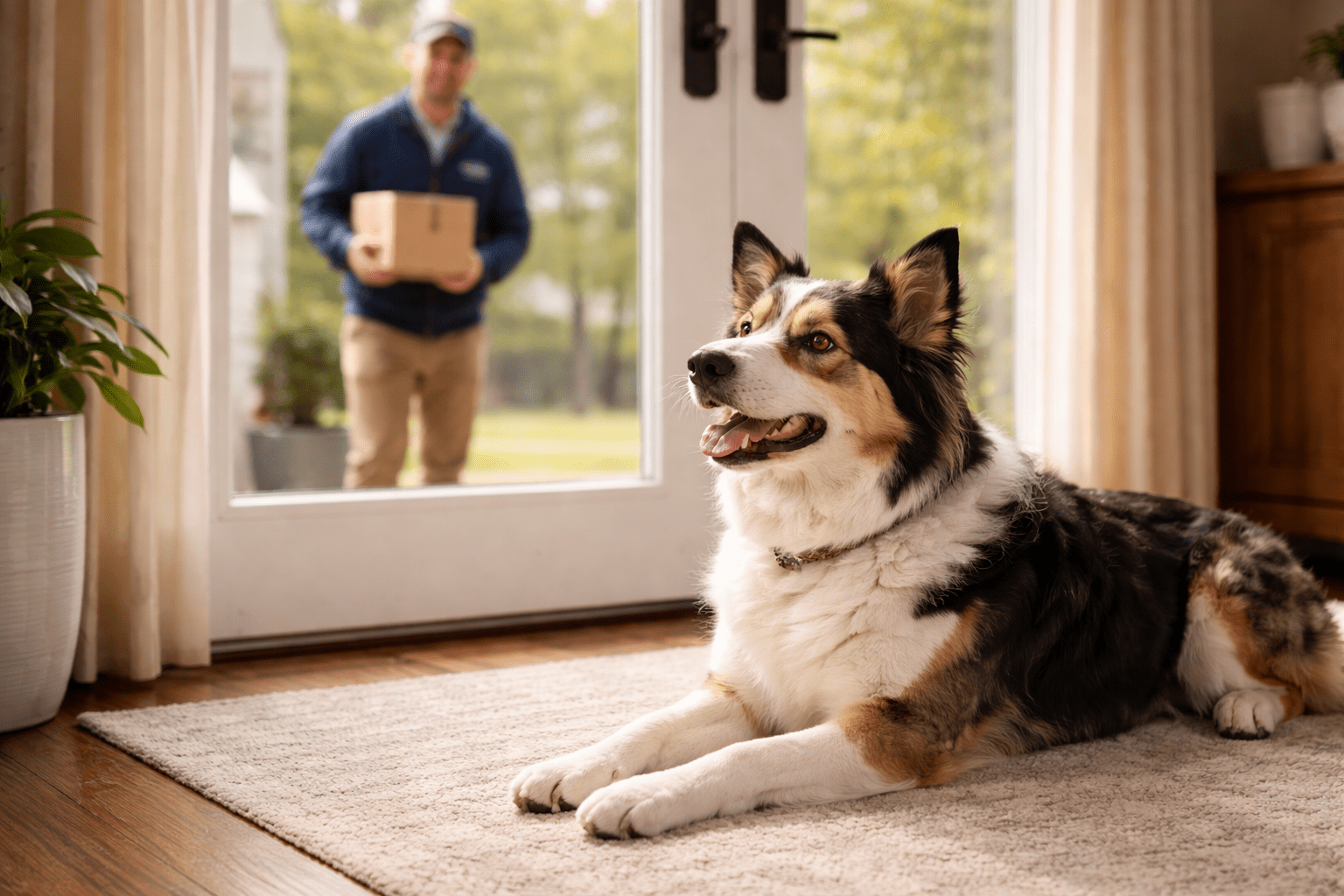
Stopping how to stop territorial barking comes down to understanding your dog’s triggers, using proven training methods, and making smart environmental changes. No single approach works for every dog, but combining training with management gives you the best chance of success.
Start with blocking visual triggers and increasing exercise while you work on commands like “quiet” and redirection. Be patient with yourself and your dog, as behavioral change takes time and consistency.
Professional help isn’t a sign of failure. If you’ve tried home training for several weeks without progress, or if your dog shows aggressive behavior, a qualified trainer can make all the difference. The sooner you address territorial barking, the easier it is to fix.
Remember that some level of alerting is natural and even desirable in dogs. Your goal isn’t to eliminate all barking but to teach your dog when it’s appropriate and when it’s time to be quiet. With the right tools and mindset, you can create a calmer, more peaceful home for everyone.
At K9 Mania Dog Training, we specialize in transforming challenging behaviors into calm, confident responses. Whether your dog needs help with territorial barking, aggression, or other training issues, our expert team is ready to guide you. Trust our proven board and train Long Island programs to give your dog the structured training they need for lasting results.
You May Also Want to Read
- How to Socialize an Adult Dog: A Complete Training Guide
- Dog Toys for Hyperactive Dogs: Best Options
- Overnight Dog Boarding Tips: Complete Guide
- Why Do Dogs Howl: Understanding Your Dog’s Vocal Behavior
Frequently Asked Questions
How do I stop my dog from being overly territorial?
Stop overly territorial behavior by combining desensitization training with environmental management. Gradually expose your dog to triggers at a distance where they stay calm, then reward quiet behavior. Block visual access to common triggers like windows facing the street, increase daily exercise, and teach commands like “quiet” and “place” to redirect their focus. Consistency across all family members is essential for success.
How do I get my dog to stop aggressive barking?
Stop aggressive barking by identifying whether it’s fear-based or confidence-based. Use counter-conditioning to change your dog’s emotional response to triggers, pairing the sight of strangers with high-value treats. Never punish aggressive barking, as this increases anxiety. Instead, create distance from triggers and reward calm behavior. For dogs who lunge or snap while barking, seek professional help immediately as this can escalate to biting.
Is it ever too late to train a reactive dog?
It’s never too late to train a reactive dog, though older dogs may take longer to change established patterns. Senior dogs can still learn new behaviors with patience and appropriate methods. The key is working at your dog’s pace and adjusting your expectations. Some dogs will always be more alert than others, but you can teach them to control their reactions. Professional trainers experienced with reactive dogs can help you create a realistic plan.
What is the strongest dog barking deterrent?
The strongest barking deterrent is consistent training that addresses the root cause, not punishment-based tools. Positive reinforcement training that rewards quiet behavior works better than shock collars, spray bottles, or ultrasonic devices. These tools might temporarily stop barking but increase anxiety and can damage your relationship with your dog. Focus on teaching alternative behaviors and managing the environment to reduce triggers.
How to correct territorial barking?
Correct territorial barking by interrupting the behavior early before your dog gets worked up. Use the “quiet” command or redirect to an incompatible behavior like going to their bed. Reward any moment of silence or attention on you instead of the trigger. Prevent practice of the unwanted behavior by managing the environment through closed blinds, white noise, or moving your dog to a back room during high-trigger times.
What is a red flag dog’s behavior?
Red flag behaviors include barking that escalates into growling, snarling, lunging, or attempts to bite. Stiff body posture, raised hackles, intense staring, and refusal to back down when the trigger leaves are warning signs. If your dog guards resources aggressively, shows unpredictable reactions, or has bitten before, you need professional help. These behaviors indicate your dog feels threatened and may escalate to dangerous aggression without proper intervention. Consider board and train for aggressive dogs if your dog shows multiple red flags.