Summary:
Essential Puppy Training Fundamentals for Brooklyn Life
Training a puppy in Brooklyn isn’t just about teaching basic commands. Your puppy needs to navigate crowded sidewalks, apartment living, and constant urban stimulation while developing into a well-adjusted companion.
The foundation starts with three core areas: housebreaking, basic obedience, and impulse control. These aren’t just nice-to-have skills—they’re essential for apartment living where accidents can’t be easily hidden and behavioral issues affect your neighbors too.
Most importantly, consistency becomes your best friend. In a city where your puppy encounters something new every single day, having reliable responses to basic commands creates the stability they need to feel confident and secure.
Mastering Puppy Potty Training in Small Spaces
Apartment potty training requires a completely different strategy than suburban house training. You don’t have a backyard door to rush through, and elevator rides can turn into disasters when your puppy can’t hold it.
Start by establishing a strict schedule based on your building’s layout and your puppy’s natural rhythms. Most puppies need to go out immediately after waking up, within 15 minutes of eating, after playing, and every 2-3 hours throughout the day. Set phone alarms if necessary—consistency at this stage prevents weeks of setbacks later.
Create a designated potty spot outside your building and always take your puppy to the same location. The familiar scents help trigger the right response, and you’ll avoid the common mistake of letting your puppy think every street corner is their bathroom.
Watch for pre-potty signals like sniffing, circling, or sudden restlessness. In an apartment, you might only have 30 seconds from signal to accident, so learning these cues becomes critical. Keep treats in your pocket for immediate rewards when your puppy goes in the right place.
Consider crate training as your secret weapon. A properly-sized crate becomes your puppy’s den—a place they naturally want to keep clean. This gives you control during those crucial early months when you can’t supervise every moment.
Building Basic Obedience Commands That Work in the City
City obedience training goes beyond party tricks. Commands like “sit,” “stay,” and “come” become safety tools when you’re navigating busy intersections, crowded subway platforms, or packed dog parks.
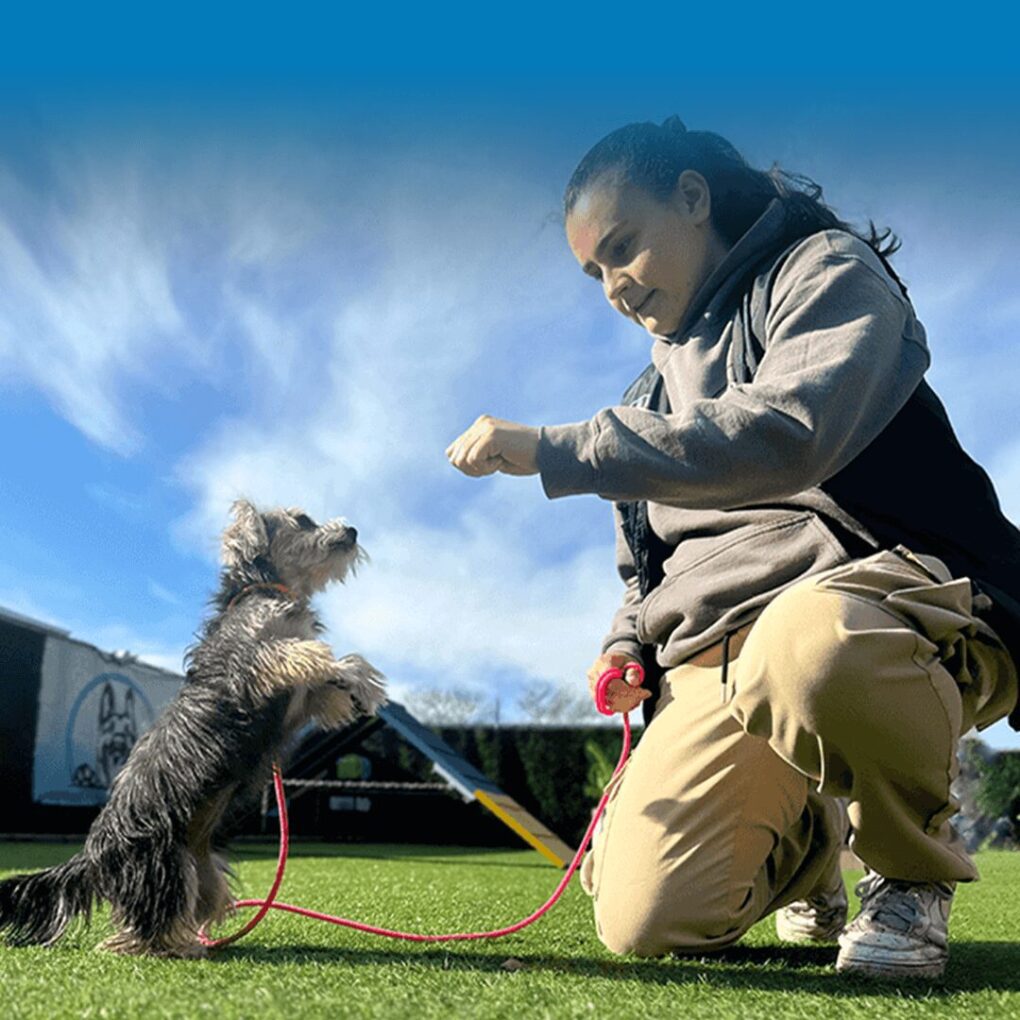
Start with “sit” because it’s your foundation for everything else. Practice this command before meals, before going outside, and whenever your puppy gets overly excited. A puppy who automatically sits when overwhelmed is a puppy who’s learning self-control.
“Stay” becomes crucial for elevator rides and apartment hallway encounters. Begin with very short distances and durations—even two seconds counts as success initially. Gradually increase the challenge as your puppy masters each level.
“Come” might be the most important command for city safety, but it’s also the hardest to teach reliably. Never call your puppy to come for something they perceive as negative, like ending playtime or giving a bath. This command should always predict good things happening.
Practice recall in controlled environments first. Use a long leash in enclosed areas like tennis courts or fenced dog runs. Start close and gradually increase distance, always rewarding enthusiastically when your puppy responds correctly.
The key difference in city training is managing distractions. Your puppy needs to respond to commands even when sirens are blaring, other dogs are present, or interesting smells are everywhere. Start training in quiet environments, then gradually introduce more challenging locations as your puppy’s skills improve.
Socializing Your Puppy for Brooklyn's Urban Environment
Socialization in Brooklyn means preparing your puppy for experiences most suburban dogs never encounter. Subway grates, construction noise, crowds of people, and constant stimulation require a puppy who’s confident rather than fearful or reactive.
The critical socialization period ends around 16 weeks, making your first few months together absolutely crucial. During this window, positive experiences with new sights, sounds, and situations help shape your puppy’s lifelong responses to stress and novelty.
Focus on quality over quantity. It’s better to have three positive encounters with new experiences than ten overwhelming ones that create lasting fears.
Navigating City Sounds and Stimulation
Brooklyn puppies need to learn that sirens, construction noise, and street commotion are normal parts of life, not threats requiring constant alerting or fear responses.
Start by exposing your puppy to recorded city sounds at very low volumes during positive activities like feeding or playing. Gradually increase the volume over several days as your puppy shows comfort with each level. The goal is creating positive associations with urban noise rather than just tolerance.
Take advantage of your building’s common areas for controlled socialization. Lobby encounters with neighbors, elevator rides, and hallway sounds all become training opportunities when approached systematically.
During walks, carry high-value treats to redirect your puppy’s attention when they encounter something new or potentially overwhelming. The moment they notice a construction truck or hear a loud motorcycle, mark that awareness with a treat before they have time to develop a fear response.
Practice the “look at that” game where you reward your puppy for calmly noticing new stimuli without reacting. This teaches them that new things are opportunities for rewards rather than reasons for alarm.
Remember that a tired puppy handles new experiences better than an energetic one. Schedule socialization outings after exercise sessions when your puppy is more likely to be calm and receptive to learning.
Managing Interactions with People and Other Dogs
Brooklyn’s density means your puppy will encounter more people and dogs in a single walk than suburban puppies meet in weeks. Teaching appropriate greeting behaviors becomes essential for everyone’s safety and enjoyment.
The biggest mistake new puppy owners make is allowing every person who says “how cute!” to pet their puppy. While socialization is important, your puppy needs to learn that not every human interaction requires their participation. Teach them to sit calmly while people pass by, rewarding this behavior more than active greetings.
For planned interactions, require your puppy to sit before anyone can pet them. This prevents jumping habits from forming and gives you control over the encounter. If your puppy gets too excited or mouthy, end the interaction immediately and try again later.
Dog-to-dog interactions require even more caution. Not every dog your puppy meets will be friendly or well-socialized, and puppy play can quickly escalate beyond appropriate levels in crowded spaces.
Look for calm, well-behaved adult dogs for your puppy’s first interactions rather than other puppies who might be equally lacking in social skills. Adult dogs often provide better feedback about appropriate play behavior.
Always ask permission before allowing dog interactions, and be prepared to advocate for your puppy’s needs. If another owner says their dog is “friendly” but you notice tense body language or overly intense focus, trust your instincts and redirect your puppy away.
Practice parallel walking with other dogs—walking in the same direction with space between you—before attempting face-to-face meetings. This allows both dogs to assess each other without the pressure of immediate interaction.
When to Seek Professional Puppy Training Help in Brooklyn
Some puppy challenges require professional intervention, especially in Brooklyn’s complex urban environment. Recognizing when you need expert help can save months of frustration and prevent small issues from becoming major behavioral problems.
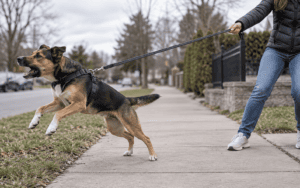
Consider professional training if your puppy shows signs of aggression, extreme fearfulness, or if basic training attempts aren’t producing results after several weeks of consistent effort. Urban environments can amplify these issues quickly.
Professional board and train programs offer intensive solutions for busy Brooklyn lifestyles, providing comprehensive training while you maintain your work schedule. When choosing professional help, look for trainers who understand city-specific challenges and can provide ongoing support as your puppy matures.
We specialize in transforming challenging puppies into well-behaved urban companions, offering both in-home training and comprehensive board and train programs designed specifically for the demands of Brooklyn life.