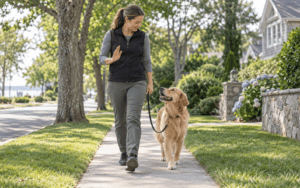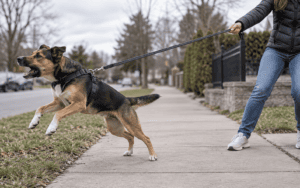
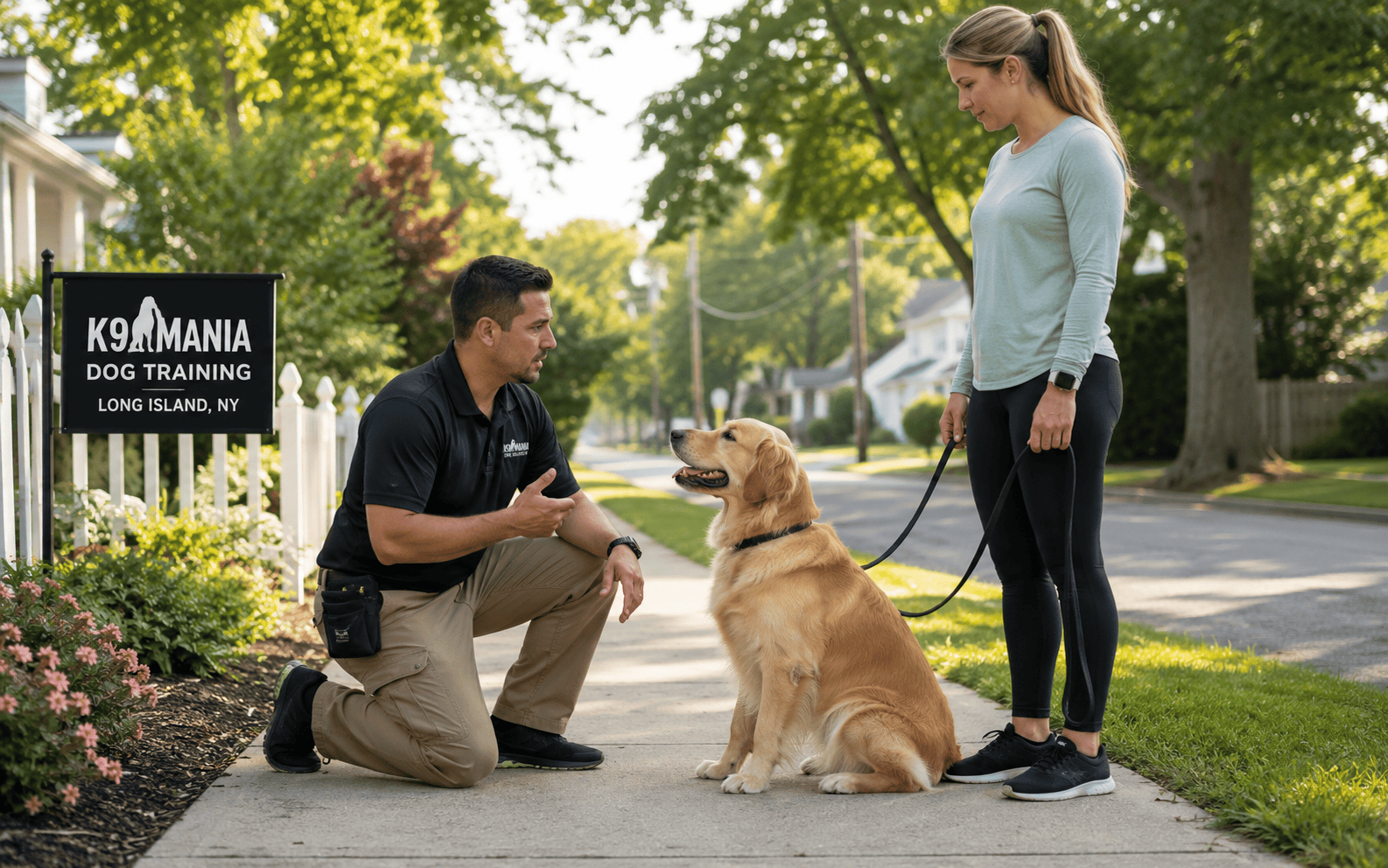
One on one dog training Long Island pairs your dog directly with a professional dog trainer in a distraction-free, personalized setting designed to address specific behavioral issues faster than group classes. This format works well for dogs with reactivity, anxiety, aggression, or owners who simply want faster, more targeted results.
Key Takeaways
- Private, one-on-one sessions let trainers tailor every exercise to your dog’s exact temperament and problem behaviors.
- You get direct coaching as the owner, which means the skills your dog learns are more likely to stick at home.
- One on one training costs more per session than group classes, but typically requires fewer total sessions.
- It works best for reactive dogs, anxious dogs, specific obedience goals, and owners with busy or unpredictable schedules.
- Long Island trainers offer several formats: in-home visits, facility-based sessions, and board and train long island programs.
- The trainer’s methodology matters as much as the format, so vetting credentials and approach before booking is essential.
What Actually Happens During a Private Dog Training Session
A lot of dog owners picture private training as something close to magic: you hand over your dog, the trainer does their thing, and the dog comes back perfectly behaved. The reality is more collaborative and frankly more effective than that.
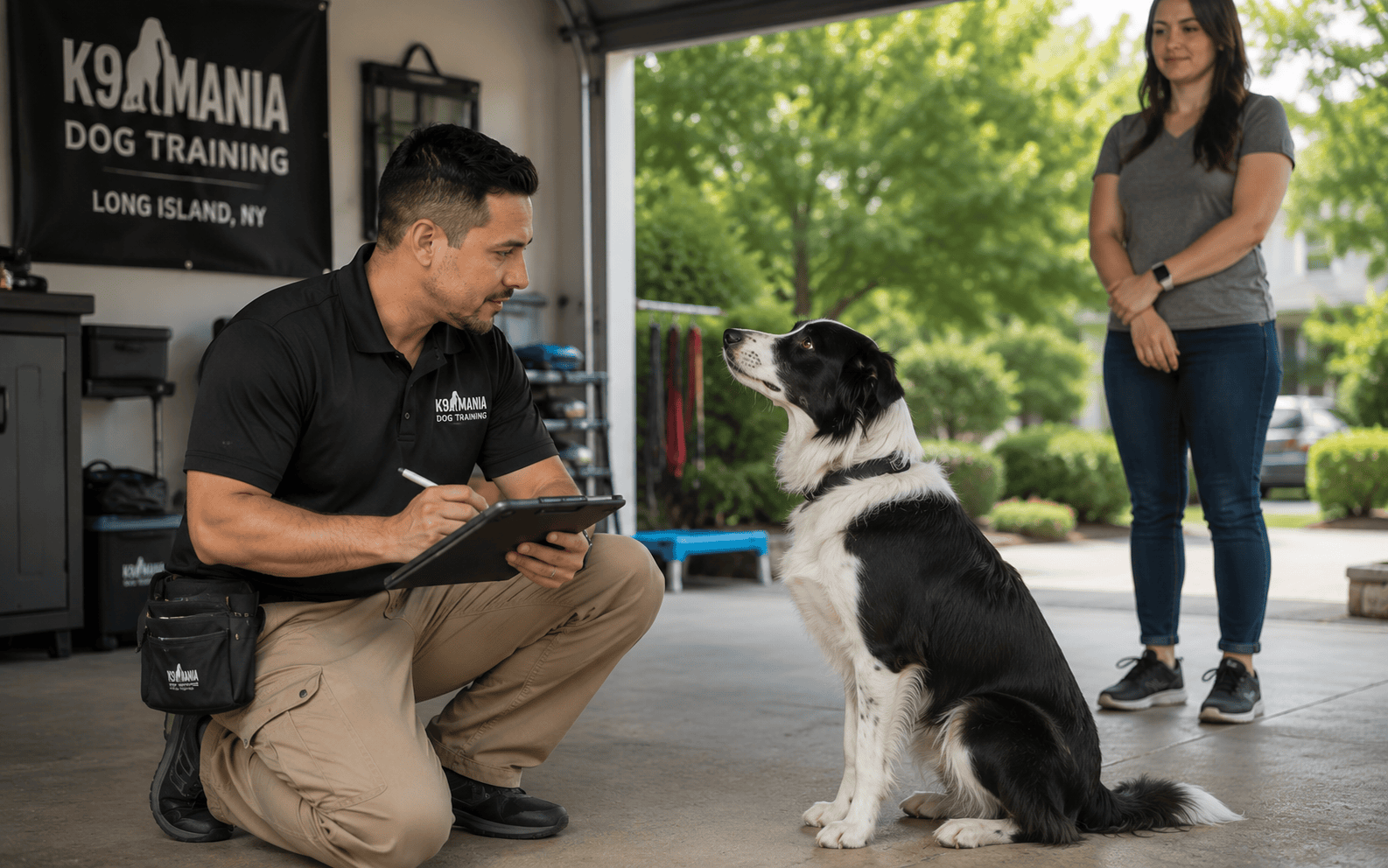
In a typical one-on-one session on Long Island, a trainer will spend the first meeting doing a thorough behavioral assessment. They watch how your dog responds to strangers, other animals, environmental triggers, and basic commands. From that baseline, they build a session-by-session plan that targets your dog’s specific weak spots rather than running every dog through the same curriculum.
After assessment, sessions usually run 45 to 60 minutes. That time is split between working directly with your dog and coaching you on how to reinforce the same behaviors between sessions. This part is critical. Your dog spends far more time with you than with any trainer, so if you are not applying the techniques correctly at home, progress stalls quickly. The best in home dog training long island providers make owner education a non-negotiable part of every session.
Topics covered vary widely depending on the dog. Common focus areas include:
- Leash reactivity and pulling
- Jumping on guests
- Resource guarding
- Separation anxiety
- Basic obedience commands (sit, stay, recall, down, place)
- Aggression toward people or other dogs
- Fear-based behavior
If you are weighing the cost and wondering whether the personalized attention actually translates to better outcomes, the breakdown at is private dog training worth it covers real trade-offs in detail and is worth reading before you commit.
Group Classes vs. One on One: The Real Difference on Long Island
Group classes have their place. For a socially confident puppy with no serious behavioral issues, a well-run group class offers exposure to other dogs, distractions, and handlers in a structured setting. But group classes operate on the assumption that every dog in the room is at roughly the same level and has roughly the same problems. That assumption fails a lot of dogs.
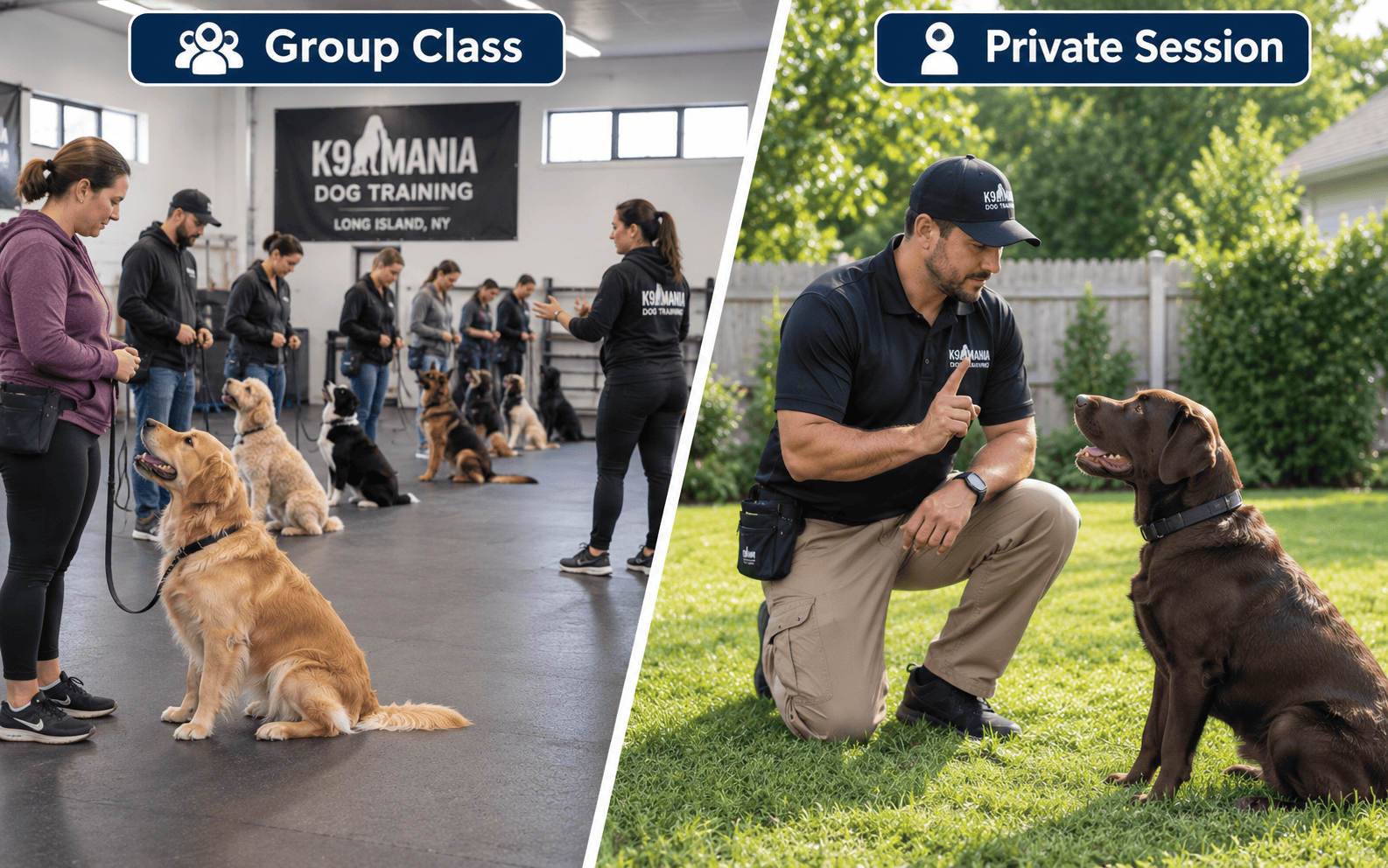
Here is how the two formats actually compare across the most important factors:
| Factor | Group Classes | One on One Training |
| Cost per session | $20-$50 | $100-$250 |
| Sessions needed | 6-8 weeks | 4-8 sessions (avg.) |
| Curriculum | Fixed, same for all dogs | Custom to your dog |
| Owner coaching | Minimal | Extensive |
| Reactive/anxious dogs | Poor fit | Strong fit |
| Scheduling flexibility | Fixed schedule | Flexible |
| Socialization practice | High | Low |
For a deeper comparison of how these formats stack up in real situations, the breakdown at in home vs group dog training walks through scenarios where each approach wins and where each falls short.
The key takeaway from the table: group classes are cheaper per session but often require more sessions to address a specific problem, and they do not address it directly. One on one sessions cost more upfront but tend to move faster toward the specific outcome you need.
Where Sessions Take Place: Location Options for Long Island Dog Owners
One of the underappreciated advantages of private training on Long Island is that it is not tied to one location. Depending on your dog’s needs and your preferences, sessions can happen in several different settings, each with its own advantages.
In-Home Sessions
For dogs that struggle with specific in-home behaviors, training in your own environment is genuinely more effective. A dog that jumps on guests learns to stop jumping in the actual doorway where guests enter, not in a sterile training facility. A dog with separation anxiety can be worked with in the space where the anxiety actually occurs.
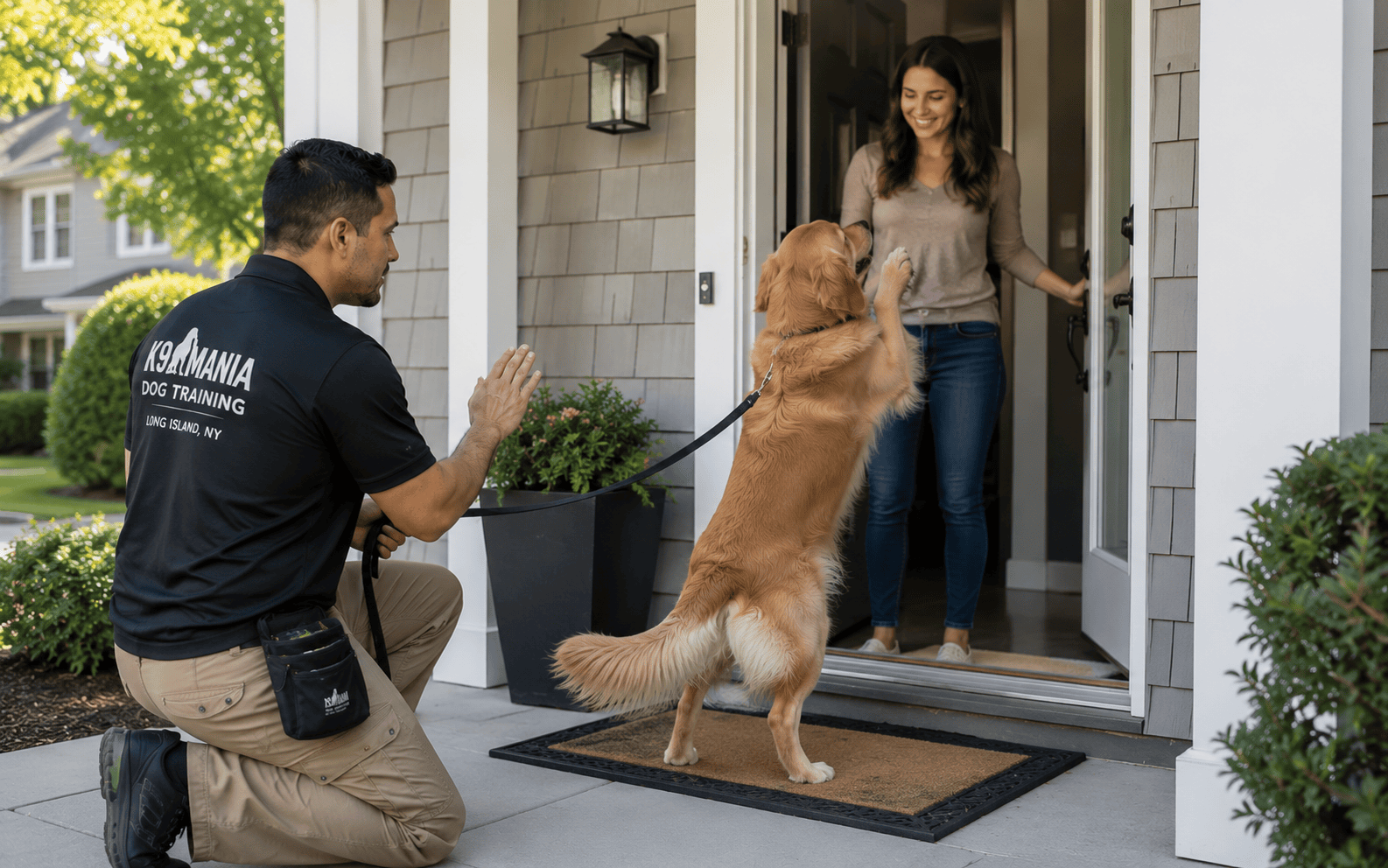
If this sounds like your situation, private dog training long island options include trainers who come to your home, assess the environment, and build training around the real triggers your dog encounters daily.
Facility-Based Private Sessions
Some dogs do better with a clean, controlled environment away from the distractions of home. Private sessions at a training facility give the trainer more control over the training environment and can be especially useful in the early stages of working with a highly reactive or distracted dog.
Board and Train Programs
If you need faster, more intensive results or your schedule simply does not allow for consistent weekly sessions, a residential program may make sense. With board-and-train Long Island facilities, your dog stays at the trainer’s facility for a set period, typically one to four weeks, receiving daily structured training. The tradeoff is that transfer sessions at the end are critical. Skills your dog learns with a trainer need to be transferred to you as the owner, and the quality of those handoff sessions varies significantly between programs.
Is One on One Dog Training Long Island Right for Your Dog?
Not every dog needs private training, and not every training goal requires it. Here is a straightforward way to think through whether it fits your situation.
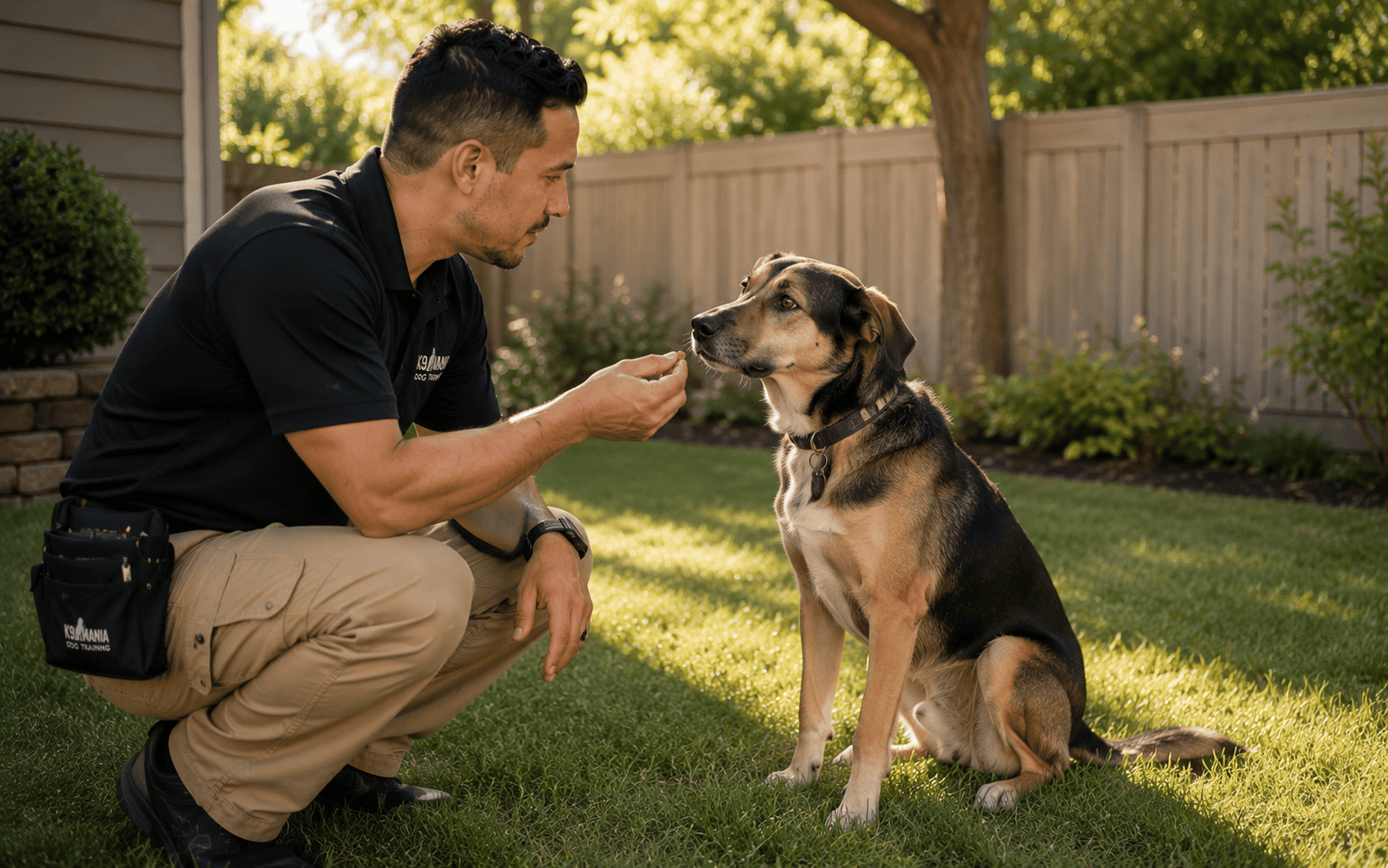
Private training is likely the better choice if your dog:
- Shows aggression toward people, dogs, or other animals
- Has significant anxiety, including separation anxiety or fear of strangers
- Is reactive on leash and makes group settings unsafe or counterproductive
- Has specific problem behaviors that a general curriculum will not address
- Is older and has ingrained habits that require systematic, patient work
Group classes may be sufficient if your dog:
- Is a puppy under 16 weeks with no serious behavioral concerns
- Needs socialization more than behavioral correction
- Has already completed private work and benefits from practicing in distracting environments
One useful lens: if your dog’s behavior is embarrassing or inconvenient, group classes might help. If your dog’s behavior is disrupting daily life or poses any safety concern, one on one training is the appropriate starting point.
For owners looking at all the private options available, obedience dog training programs on Long Island can provide comprehensive solutions that address your dog’s specific needs and your household goals.
What Good Obedience Work Actually Looks Like
Obedience is not just about having a dog that sits when you say sit. Real training builds reliable responses under distraction, which is the actual test of whether training has worked. A dog that sits in your living room but bolts at the park has not been trained for the context that matters.
In a quality private program, obedience work progresses through three stages:
- Foundation: Teaching the behavior in a low-distraction environment so the dog understands the command.
- Proofing: Practicing the behavior under gradually increasing distractions (other dogs, sounds, movement, unfamiliar environments).
- Generalization: Confirming the dog reliably responds in the real-world environments where you actually need the behavior to work.
Most group classes stop at stage one. Private training, done well, gets through all three. That is a meaningful difference in practical terms, and it is one reason owners who have tried both formats tend to see faster real-world results with one on one work.
Things to Know
- Most trainers recommend a minimum of four to six sessions to see lasting behavioral change, regardless of how quickly the dog learns new behaviors.
- Certification is not standardized in the U.S. dog training industry. Look for trainers with CPDT-KA (Certified Professional Dog Trainer) credentials or similar recognized designations.
- Training does not stop when the session ends. Consistent daily practice at home between sessions determines roughly 70% of the outcome.
- Some trainers specialize in specific breeds or behavior issues. If your dog has a known challenge like severe resource guarding, finding a specialist rather than a generalist is worth the extra search time.
- One on one sessions are not inherently “all-positive” or “balanced” in methodology. Ask trainers directly about their approach before booking to make sure it aligns with your values and your dog’s needs.
Ready to Book Your First Session?
If you have read this far, you likely already know your dog needs focused, individual attention. The next step is simple: reach out to two or three Long Island trainers for an initial consultation or behavioral assessment. Most reputable trainers offer a phone or in-person intake at no charge, which gives you a chance to ask about their methodology, see how they interact with dogs, and get a realistic timeline and cost estimate before committing.
Do not wait for a bad incident to push the decision. Behavioral problems rarely resolve on their own, and catching them earlier almost always means a shorter, less expensive training process.
Frequently Asked Questions
How many sessions does one on one dog training typically require?
Most dogs need between four and eight private sessions to show reliable improvement in a specific behavior.
The exact number depends on the severity of the issue, the dog’s age, and how consistently the owner practices between sessions. Complex problems like aggression or deep-seated anxiety may require more sessions over a longer period.
Board-and-train programs are priced differently and usually run between $1,500 and $4,000 depending on duration and the facility. Always ask for a written breakdown of what is included before paying.
Can you train an older dog with private sessions, or is it too late?
Older dogs can absolutely be trained; the idea that you cannot teach an old dog new behaviors is a myth.
Adult and senior dogs often have more focus than puppies, which actually makes certain types of training easier. The challenge is breaking ingrained habits, which simply takes more consistent repetition over time.
What should I look for in a private dog trainer on Long Island?
Look for verifiable credentials, a clear explanation of their training methodology, and references or reviews from clients with dogs similar to yours.
Avoid trainers who cannot explain why they use specific methods or who make guarantees that sound too good to be true. A realistic, experienced trainer will give you an honest timeline and set appropriate expectations from the first conversation.
Do I need to be present during my dog’s private training sessions?
You should be present for at least part of every session if your goal is long-term behavioral change.
Training that happens entirely without you teaches your dog to respond to the trainer, not to you. Even in board-and-train programs, attending the final transfer sessions is essential for bringing the learned behaviors home successfully.
The Bottom Line on One on One Dog Training Long Island
One on one dog training Long Island is the most direct path to solving specific, serious behavioral problems and building reliable obedience under real-world conditions. It costs more per session than group classes, but it also delivers a customized plan, thorough owner coaching, and faster progress on the behaviors that actually matter to your daily life.
If your dog struggles with reactivity, anxiety, aggression, or any behavior that is affecting your household, private training is not a luxury. It is the appropriate tool for the job. Start by booking a consultation with a credentialed Long Island trainer, show up ready to participate actively, and commit to practicing the techniques consistently between sessions. That combination is what actually produces results.