If your dog lunges, barks, or snaps at other dogs or people on walks, you are dealing with a frustrating and sometimes dangerous problem. Board and train long island is an immersive training option where your dog stays at a professional facility for days or weeks and receives structured, daily behavioral work designed to reduce or eliminate reactive outbursts on leash.
Key Takeaways
- Board and train programs are most effective for leash reactivity when the trainer has a documented protocol for threshold-based desensitization.
- Results depend heavily on what happens after your dog comes home, not just what happens at the facility.
- Not every reactive dog needs board and train. Mild cases often respond well to weekly private sessions or in-home training.
- Leash reactivity and leash aggression are related but different problems that may require different approaches.
- Always ask trainers about their specific methodology, tools used, and how they handle setbacks before committing to a program.
- Costs for board and train programs in the U.S. typically range from $1,500 to $6,000 or more depending on duration and location.
Why Leash Reactivity Is So Hard to Fix on Your Own
Leash reactivity is not simply a bad habit your dog picked up. It is a behavioral pattern rooted in frustration, anxiety, or fear, and in many cases, it is reinforced every single time your dog reacts and the trigger moves away. That relief your dog feels when another dog walks past after a bark and lunge? That is a reward. The behavior gets stronger.
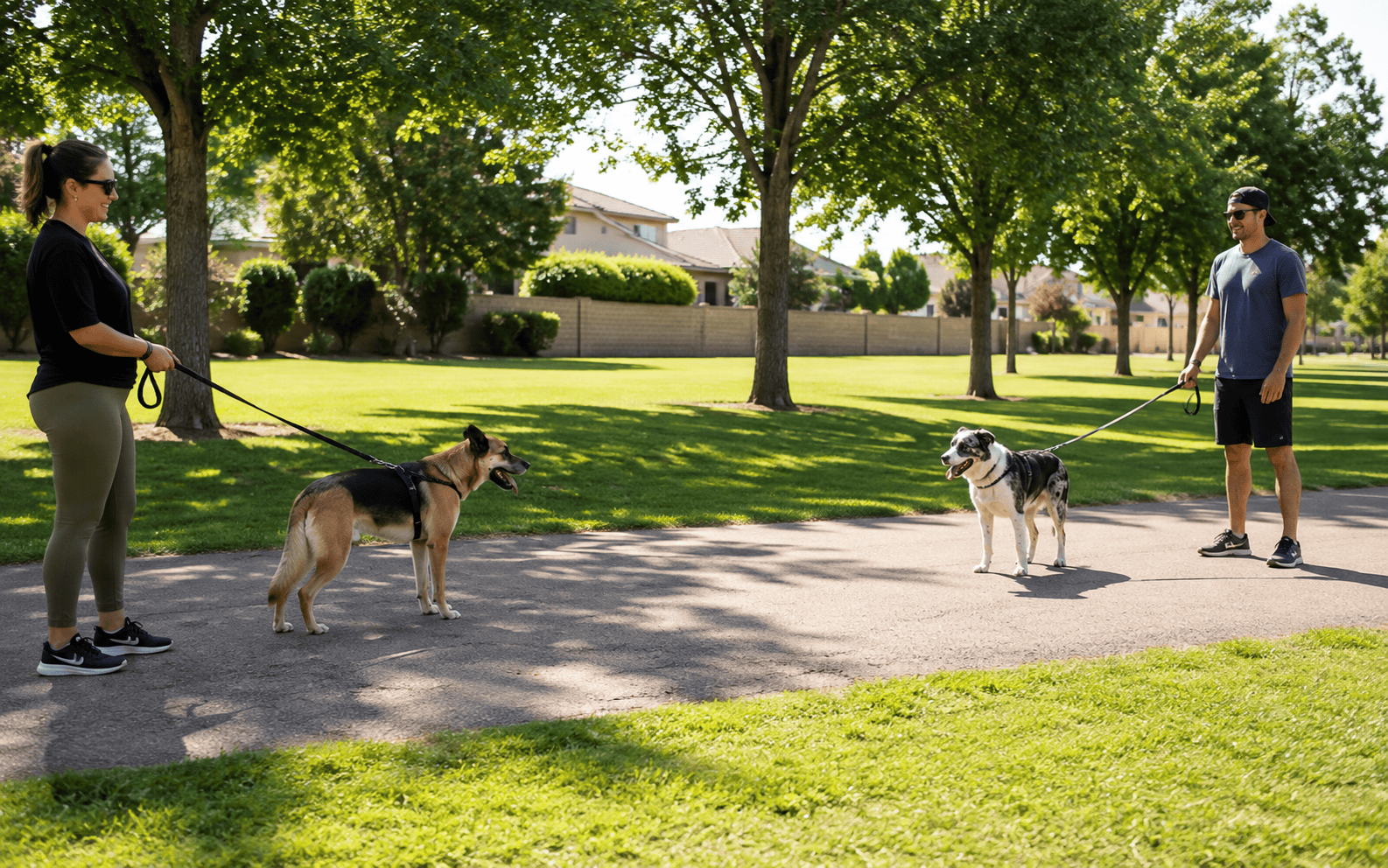
Most owners try to manage it themselves, tightening the leash when they see a trigger approaching, avoiding certain routes, or crossing the street constantly. These are reasonable short-term strategies, but they rarely produce lasting change because the underlying emotional response never gets addressed.
Understanding leash aggression in dogs is the first step, as there is a meaningful difference between a dog that is frustrated on leash because it wants to greet another dog and a dog that is genuinely aggressive. Both can look identical from a distance, but they require different training approaches. Misidentifying which problem your dog has is one of the most common reasons home training attempts fail.
Managing this behavior in everyday life is also exhausting. You are constantly scanning the environment, adjusting your pace, and bracing for the next outburst. Over time, many owners start avoiding walks altogether, which creates its own set of problems including excess energy, weight gain, and worsening anxiety in the dog.
What Board and Train Programs Actually Do for Reactive Dogs
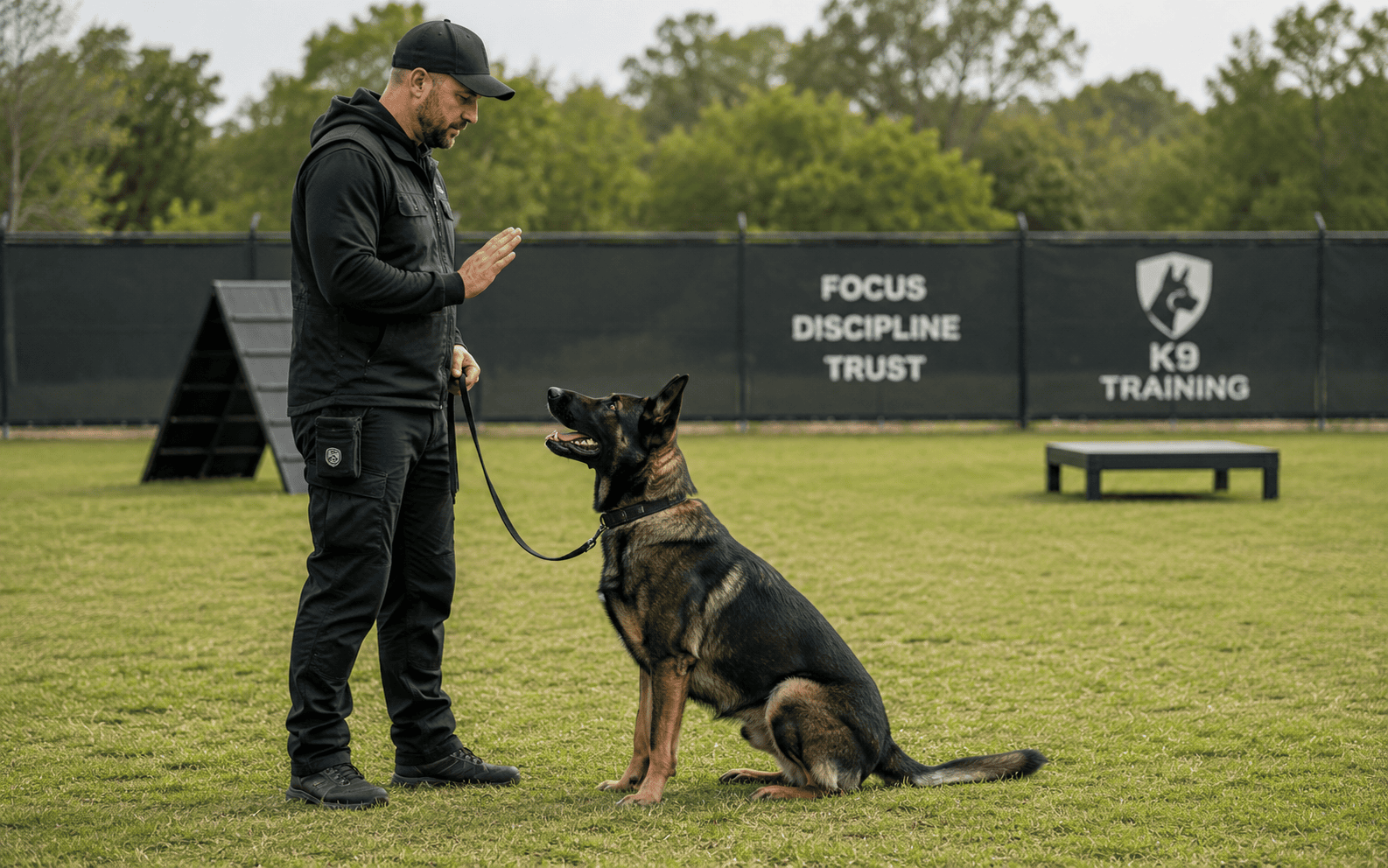
A board and train program is not a magic reset. It is a concentrated period of professional training in a controlled environment. When done correctly for reactivity specifically, the trainer is doing several things simultaneously.
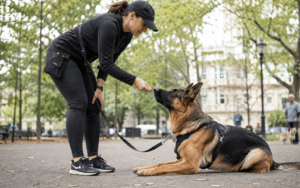
First, they are building fundamental obedience. A dog that does not have a reliable sit, heel, or focus cue cannot be expected to redirect during a reactive moment. Board and train gives the trainer enough daily repetitions to establish these behaviors to a high level of reliability.
Second, and more importantly for reactivity, the trainer is working on threshold management. This means exposing your dog to triggers at a distance or intensity where it can remain calm, reinforcing that calm state, and very gradually reducing the distance over many sessions. This is called systematic desensitization, and it takes time and repetition that most owners simply cannot replicate during a 30-minute daily walk.
Third, the trainer is teaching the dog an alternative behavior to reactivity. Instead of lunging and barking when a dog appears at 50 feet, your dog learns to orient toward you, take a breath, and keep walking. This does not happen in a week. Most reputable programs for reactive dogs run two to four weeks at a minimum.
For anyone researching options, learning about reactive dog training simple steps gives a useful baseline for understanding what the training process should look like, regardless of which format you choose.
Board and Train vs. Other Training Formats for Reactivity
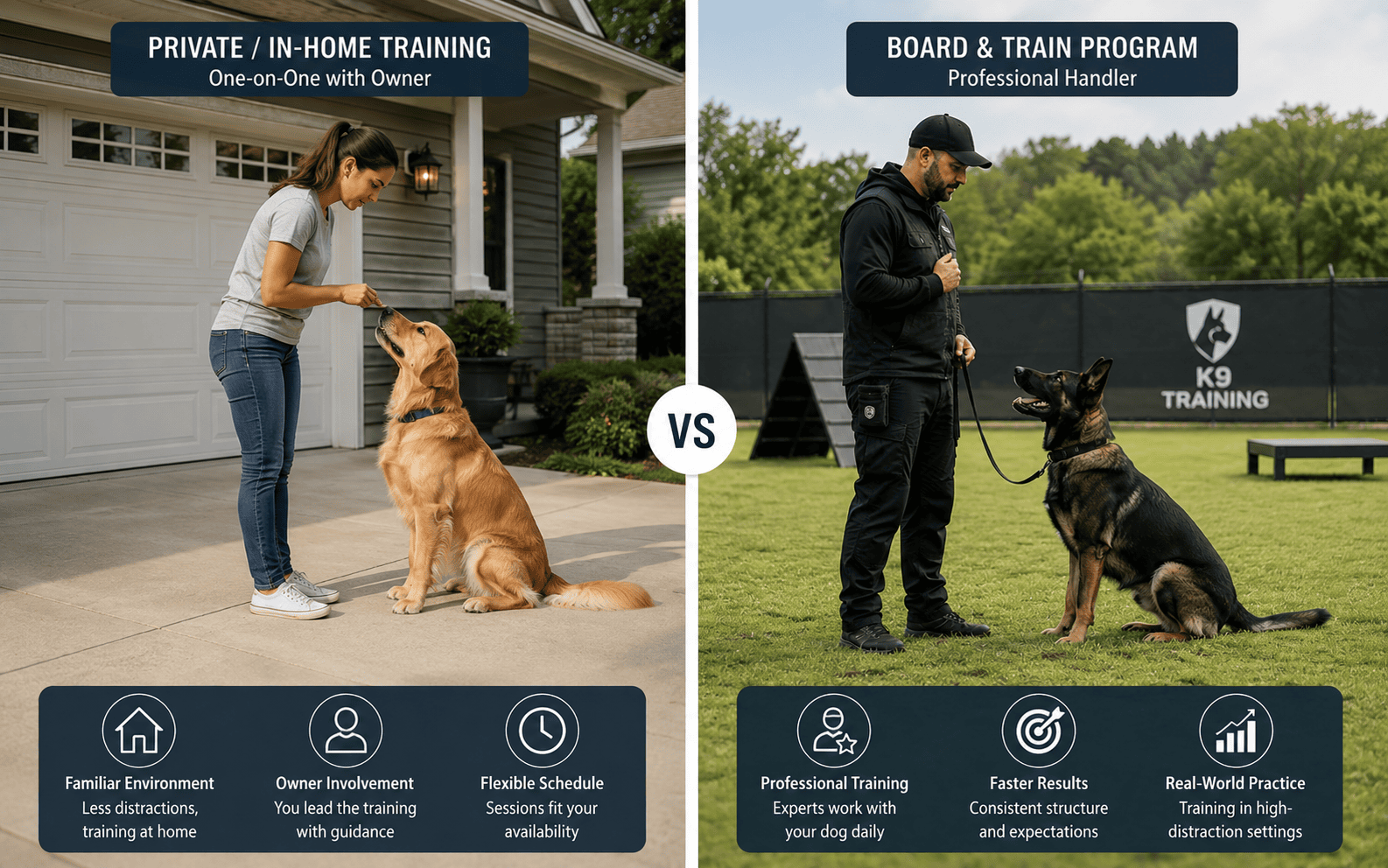
The format you choose matters as much as the trainer you choose. Here is a direct comparison of the main options available to most dog owners in the U.S.
| Format | Best For | Average Cost (U.S.) | Limitation |
| Board and Train | Severe reactivity, busy owners | $1,500 to $6,000+ | Requires thorough owner handoff |
| Private Sessions | Mild to moderate reactivity | $75 to $200 per session | Progress is slower without daily repetitions |
| In-Home Training | Reactivity triggered at home or on familiar routes | $100 to $250 per visit | Trainer cannot replicate all trigger scenarios |
| Group Classes | Building focus and basic obedience | $150 to $400 per course | Too stimulating for severely reactive dogs initially |
Private training is often the first format owners try, and for many dogs with mild to moderate reactivity, it works well, as private dog training long island demonstrates through structured one-on-one sessions that target specific reactive triggers without the commitment of a full board and train program.
For dogs that react specifically to triggers in or around the home, such as dogs seen through the front window or sounds from the street, in home dog training long island allows the trainer to work directly in the environment where the reactivity is worst. This context-specific approach can be more efficient than trying to recreate those conditions elsewhere.
The key advantage of board and train for leash reactive dogs is daily volume. A trainer working with your dog six to eight times per day, every day, compresses months of weekly sessions into a few weeks. For severe reactivity where the dog has a very small threshold distance, say, reacting to dogs 100 feet away, that compression is often necessary to make real progress.
How to Choose the Right Board and Train Program
Not all board and train programs are built the same, and choosing the wrong one can actually make reactivity worse. Here is what to evaluate before writing a check.
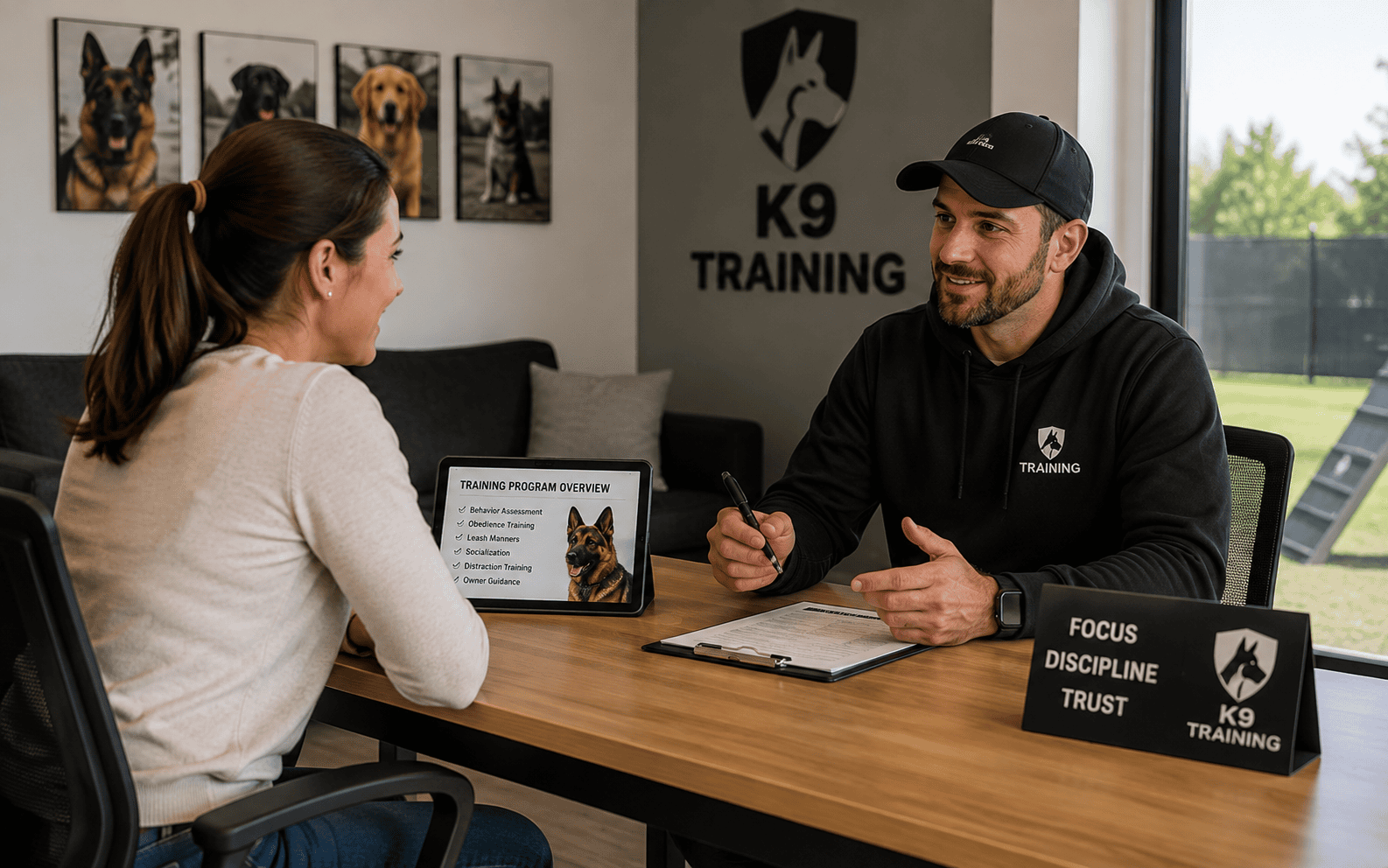
Ask about their specific protocol for reactive dogs. A generalist trainer who does board and train for obedience may not have a clear, documented process for working on reactivity. You want to hear specific language: threshold work, counter-conditioning, desensitization, controlled exposures. Vague answers like “we use positive reinforcement” or “we show the dog who is boss” are red flags.
Ask what tools they use. This is a values-based decision for most owners. Some trainers use e-collars, prong collars, or slip leads. Others use only food and marker training. Neither approach is universally right, but you should know what your dog is being exposed to and why.
Ask about the handoff process. This is the part most owners underestimate. When your dog comes home from a board and train, the training is not finished. It is just beginning for you. A reputable program will spend significant time teaching you how to handle your dog, maintain the new behaviors, and continue the desensitization work at home. If a trainer does not offer a thorough handoff session, walk away.
Check for reviews and video. Ask to see training footage of reactive dogs they have worked with. Legitimate trainers who specialize in this work will have documentation. Read reviews specifically mentioning reactivity outcomes, not just general obedience.
If you are located in the New York area, dog reactivity training in long island programs offer locally specific options with trainers who are familiar with the high-density, high-distraction walking environments that make reactivity particularly challenging in that region.
What Happens After Your Dog Comes Home
The post-program phase is where board and train either delivers lasting results or fades out within a few weeks. Your dog has been trained in a controlled environment with a consistent handler. Now it needs to generalize those behaviors to you, your neighborhood, your schedule, and the specific triggers it encounters in your daily life.
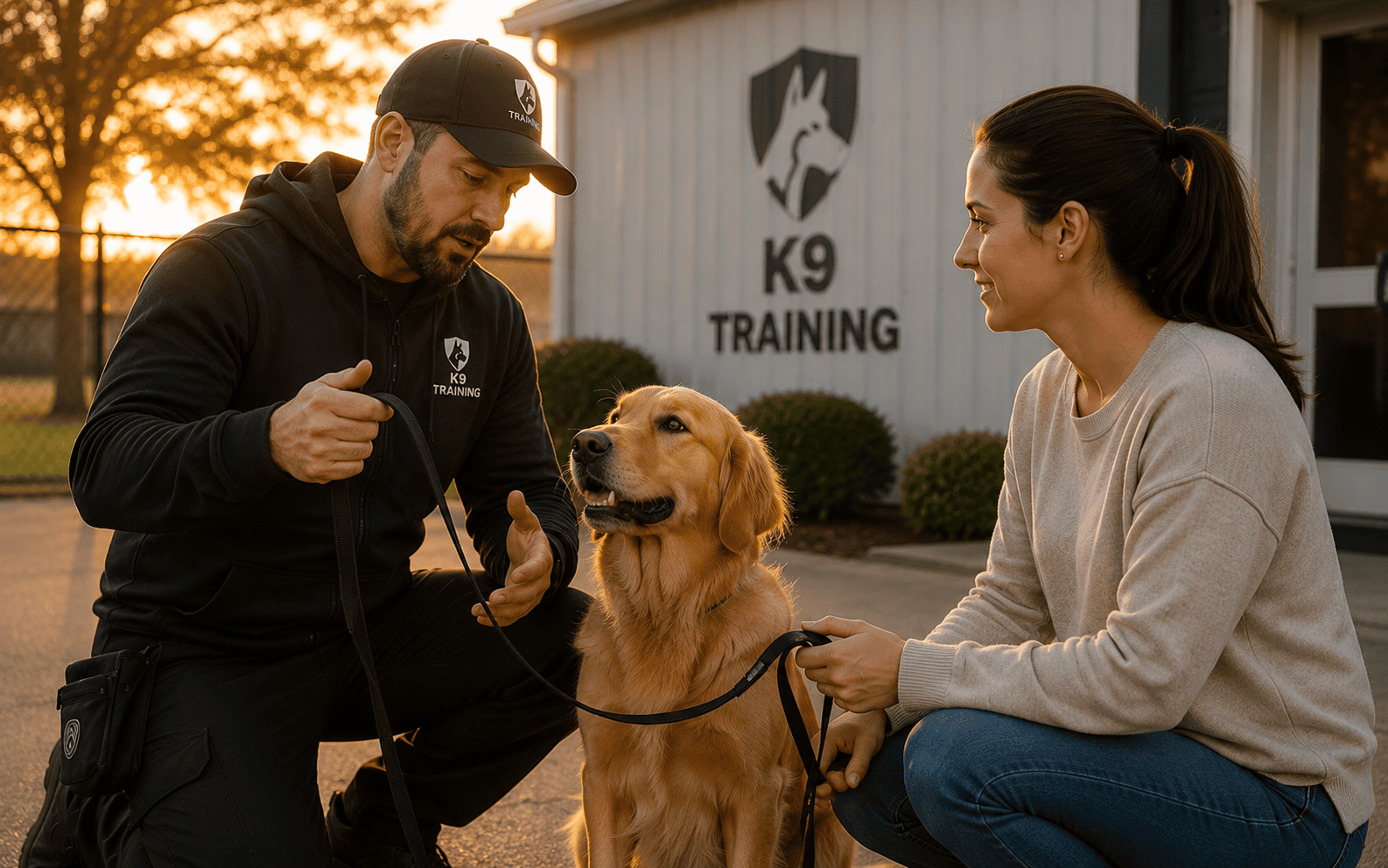
Here is what a solid post-program maintenance plan should include:
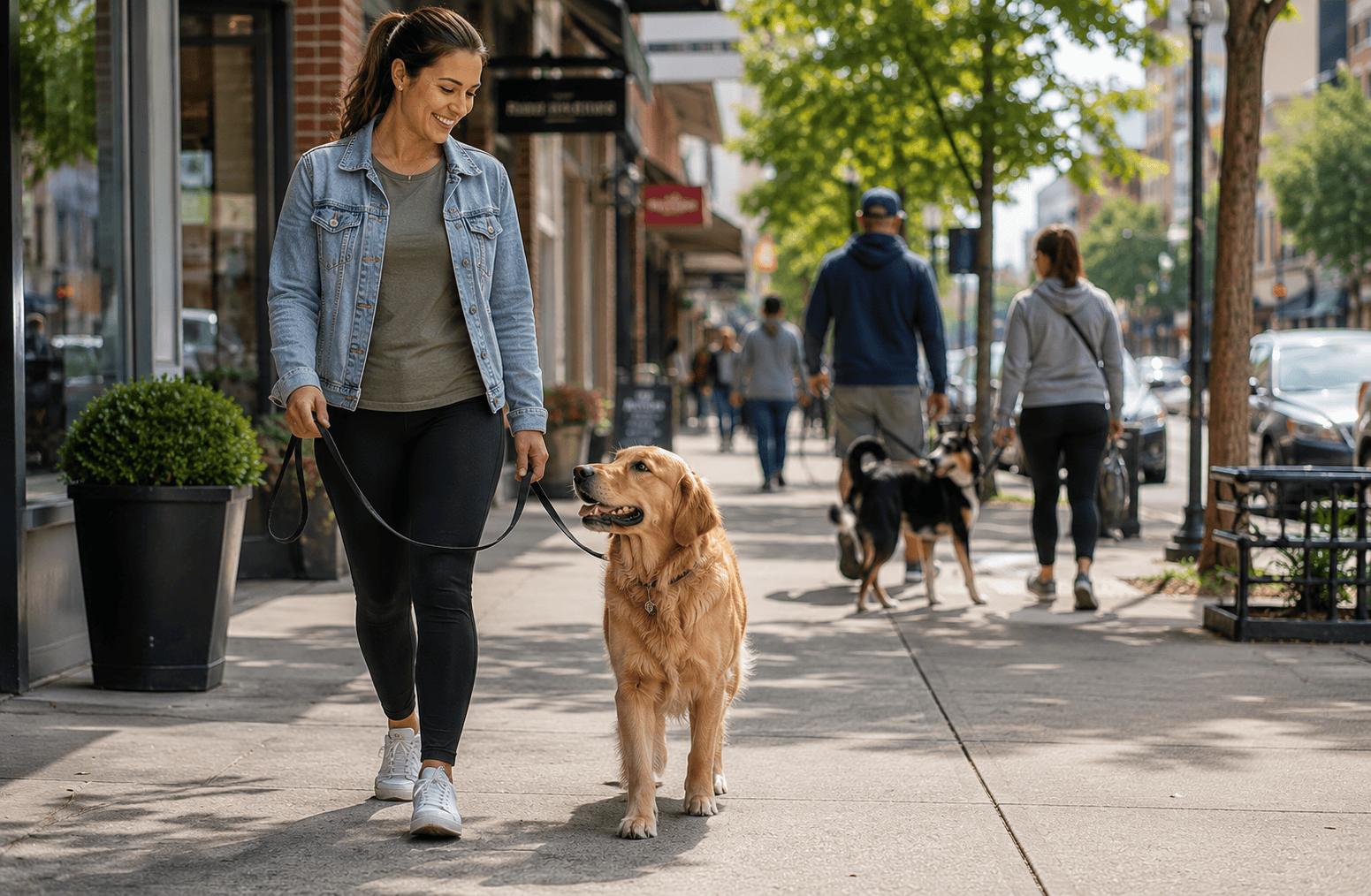
- Daily practice walks at low-traffic times initially, building toward busier environments gradually.
- Regular reinforcement of the attention and focus behaviors the trainer established. Do not assume your dog will maintain them without continued rewards.
- Consistent follow-up sessions with the same trainer or a trainer they recommend. Many programs include follow-up visits in the cost.
- Clear trigger management in the short term. Even a well-trained dog can be pushed over threshold if exposed too quickly to too much. Your job is to prevent rehearsals of the reactive behavior while the new patterns solidify.
For those dealing with ongoing challenges after a program ends, accessing professional follow-up sessions ensures you have continued support rather than trying to troubleshoot setbacks on your own.
Things to Know
- Reactivity can return after board and train if owners do not maintain the training. It is a lifelong management commitment, not a one-time fix.
- Age matters less than people think. Adult dogs and even senior dogs can make significant progress with the right protocol.
- The breed of your dog does not determine the outcome, but it may affect the timeline. High-arousal breeds such as German Shepherds, Belgian Malinois, and Huskies often take longer to reach reliable threshold management.
- Board and train is not appropriate for every dog. Dogs with severe separation anxiety may deteriorate in a kennel environment before training can even begin.
- Some insurance policies for dog owners cover behavioral training costs. Check your pet insurance terms before paying out of pocket.
- Always visit the facility in person before dropping off your dog. The physical environment, staff-to-dog ratio, and how existing dogs are managed tells you a great deal about the program quality.
Start Your Dog’s Reactivity Training With the Right Support
If your dog’s leash reactivity is affecting your daily life, your relationship with your dog, or creating safety concerns on walks, now is the time to act. Board and train for leash reactive dogs gives your dog the concentrated, daily training repetitions that simply cannot be replicated in a once-a-week session format, and when paired with a strong owner handoff, the results can be genuinely transformative.
Reach out to a qualified trainer today, ask the specific questions outlined above, and request a consultation where your dog can be assessed before you commit to a program. The sooner the intervention begins, the easier it is to change the behavioral pattern.
You May Also want to Read
What Are Group Dog Training Classes
What a Board and Train Daily Schedule
Dog Boarding vs Board and Train
Frequently Asked Questions
How long does a board and train program for leash reactivity typically take?
Most programs for reactive dogs run two to four weeks, with more severe cases sometimes requiring longer stays.
The timeline depends on how intense the reactivity is, how deep into threshold your dog reacts, and how quickly it responds to the desensitization protocol. A two-week program may produce real improvement, but four weeks is often necessary to build reliable, generalized behavior.
Will my dog forget its training after coming home from board and train?
Not immediately, but without consistent reinforcement and continued practice at home, behaviors do fade over time.
The handoff process and ongoing owner work are critical to maintaining results. Think of board and train as building a strong foundation and your daily walks as maintaining the structure on top of it.
Is board and train safe for a reactive or anxious dog?
Yes, in most cases, as long as the facility has appropriate protocols for managing dogs that are stressed by new environments.
Ask the trainer specifically how they handle the first 48 hours for anxious dogs, how dogs are housed, and whether there is any forced group interaction early in the stay. A good facility staggers social exposure based on each dog’s comfort level.
Can I do anything at home before starting a board and train program?
Yes. Working on basic attention and focus indoors, at very low distraction levels, gives your dog a behavioral foundation that the board and train trainer can build on faster.
Basic cues like watch me, sit, and loose leash walking in the backyard are all useful starting points. The more your dog knows before arrival, the more efficiently the program can address the reactivity itself.
What is the difference between leash reactivity and leash aggression?
Leash reactivity is typically rooted in frustration or anxiety, while leash aggression involves a more offensive, threat-directed response toward a specific trigger.
The distinction matters because the training approach differs. A frustrated greeter and a genuinely aggressive dog may both bark and lunge, but counter-conditioning for fear looks different from working through frustrated arousal. A qualified trainer will assess which issue your dog has during the initial consultation.
The Bottom Line on Board and Train for Leash Reactive Dogs
Board and train for leash reactive dogs is one of the most effective options available for serious, persistent reactivity cases when the program is built around solid desensitization protocols and includes a thorough owner education component. It is not a shortcut and it is not permanent without your follow-through, but the concentrated training environment it provides can produce months worth of progress in a few weeks.
If you have been managing your dog’s reactivity on your own and not seeing improvement, invest in a professional assessment. Find a trainer who specializes specifically in reactivity, visit their facility, ask hard questions, and commit fully to the post-program work. That combination is what turns a difficult walk into an enjoyable one.