Summary:
Comprehensive Behavioral Assessment and Safety Evaluation
Before any training begins, we conduct thorough behavioral assessments to understand what triggers your dog’s aggressive responses. This isn’t guesswork – it’s systematic evaluation that identifies specific patterns, triggers, and underlying causes.
The assessment process examines your dog’s body language, stress signals, and reaction thresholds in controlled environments. We document when, where, and why aggressive incidents occur, creating a clear picture of your dog’s behavioral patterns.
Safety evaluation runs parallel to behavioral assessment. We determine the level of risk involved and establish appropriate safety protocols before implementing any modification techniques.
Identifying Triggers and Environmental Factors
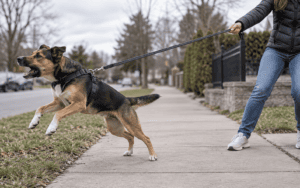
Aggressive behavior rarely happens in a vacuum. We systematically identify specific triggers that cause your dog to react aggressively. These might include other dogs, strangers approaching, food guarding situations, or territorial responses to visitors.
Environmental factors play a crucial role in aggressive behavior. We evaluate your home environment, daily routines, and social interactions to understand how these elements contribute to your dog’s reactive responses. We look for patterns in timing, location, and circumstances surrounding aggressive incidents.
This detailed trigger analysis allows us to develop targeted modification strategies. Instead of addressing aggression as a general problem, we can focus on specific situations and stimuli that cause your dog to react. This precision approach leads to more effective and lasting results.
The assessment also reveals your dog’s stress levels and emotional state. We recognize that aggression often stems from fear, anxiety, or frustration rather than dominance. Understanding these underlying emotions is essential for developing appropriate modification techniques that address the root cause rather than just suppressing the symptoms.
Safety Protocols and Management Strategies
Safety comes first in any aggressive behavior modification program. We establish strict safety protocols that protect everyone involved – your family, other dogs, and ourselves. These protocols remain in place throughout the entire training process.
Management strategies prevent aggressive incidents while modification work progresses. This might involve using physical barriers, controlling your dog’s environment, or temporarily limiting certain interactions. The goal is creating a safe space where learning can occur without putting anyone at risk.
We also educate families about reading warning signs and body language that precede aggressive behavior. You learn to recognize subtle stress signals like stiffening, hard stares, or lip lifting that indicate your dog is approaching their threshold. This knowledge helps prevent incidents and keeps everyone safe.
Emergency protocols are established for situations where aggressive behavior does occur. We teach you specific techniques for safely interrupting aggressive episodes and removing your dog from triggering situations. These skills are essential for maintaining safety while your dog learns new behavioral patterns.
We understand that management isn’t a permanent solution – it’s a tool that creates safe conditions for actual behavior modification to take place. The ultimate goal is teaching your dog new ways to respond to triggers that previously caused aggressive reactions.
Evidence-Based Behavior Modification Techniques
We use proven behavior modification techniques rooted in animal learning science. These methods focus on changing your dog’s emotional response to triggers rather than simply suppressing aggressive behavior through punishment or intimidation.
Counter-conditioning and desensitization form the foundation of most behavior modification programs. These techniques gradually change how your dog feels about previously threatening stimuli. The process is systematic, starting with very low-intensity exposures and gradually building your dog’s tolerance.
Modern behavior modification emphasizes positive reinforcement and building new behavioral patterns. We teach your dog alternative behaviors to replace aggressive responses, giving them better ways to handle stressful situations.
Counter-Conditioning and Desensitization Programs
Counter-conditioning changes your dog’s emotional response to triggers that previously caused aggressive reactions. Instead of feeling threatened or anxious when encountering these triggers, your dog learns to associate them with positive experiences and rewards.
The process starts with identifying your dog’s threshold – the distance or intensity level where they notice the trigger but don’t react aggressively. We work within this safe zone, gradually decreasing distance or increasing intensity as your dog becomes more comfortable.
Desensitization works alongside counter-conditioning by exposing your dog to triggers at very low intensities. This gradual exposure allows your dog’s nervous system to adapt without triggering aggressive responses. The key is moving slowly enough that your dog never feels overwhelmed or threatened.
We understand that rushing this process can actually make aggression worse. We carefully monitor your dog’s stress levels and adjust the program based on your dog’s individual progress. Some dogs need weeks or months to work through deeply ingrained aggressive patterns.
Success depends on consistency and proper implementation. We provide detailed protocols for practicing these techniques at home, ensuring that progress continues between professional sessions. We also teach you to recognize signs that your dog is becoming overwhelmed and needs a break from training.
Teaching Alternative Behaviors and Impulse Control
Effective behavior modification doesn’t just eliminate aggressive responses – it teaches your dog better ways to handle challenging situations. We focus on building strong impulse control and teaching specific alternative behaviors your dog can use instead of aggression.
Foundation obedience skills become crucial tools in behavior modification. Commands like “sit,” “stay,” and “focus” give your dog clear directions during potentially triggering situations. These aren’t just tricks – they’re practical tools that help your dog make better choices when feeling stressed or threatened.
Impulse control exercises teach your dog to pause and think before reacting. We use various techniques to build this self-control, including wait commands, controlled feeding exercises, and structured play sessions. Strong impulse control gives your dog the ability to choose appropriate responses even under stress.
We also work on building your dog’s confidence and emotional resilience. Many aggressive dogs are actually fearful or anxious, and building their confidence helps reduce the likelihood of aggressive responses. This might involve controlled socialization, confidence-building exercises, and positive exposure to various environments.
The goal is creating a dog who has multiple options for handling stress and conflict. Instead of defaulting to aggressive behavior, your dog learns to look to you for guidance, use calming signals, or simply remove themselves from uncomfortable situations. These skills serve your dog throughout their entire life.
Professional Support Makes the Difference in Behavior Modification
Aggressive behavior modification requires expertise, patience, and systematic implementation that most dog owners simply can’t provide on their own. Professional trainers bring the knowledge, experience, and safety protocols necessary to address these complex behavioral challenges effectively.
The difference between success and failure often comes down to proper assessment, appropriate techniques, and consistent implementation. We understand the nuances of aggressive behavior and know how to adapt our approach based on your dog’s individual needs and progress.
If you’re dealing with aggressive behavior in your dog, don’t wait for the problem to escalate. Contact K9 Mania Dog Training to discuss how our behavior modification expertise can help transform your dog into the calm, confident companion you know they can be.